What is the Honda E2 Drt?
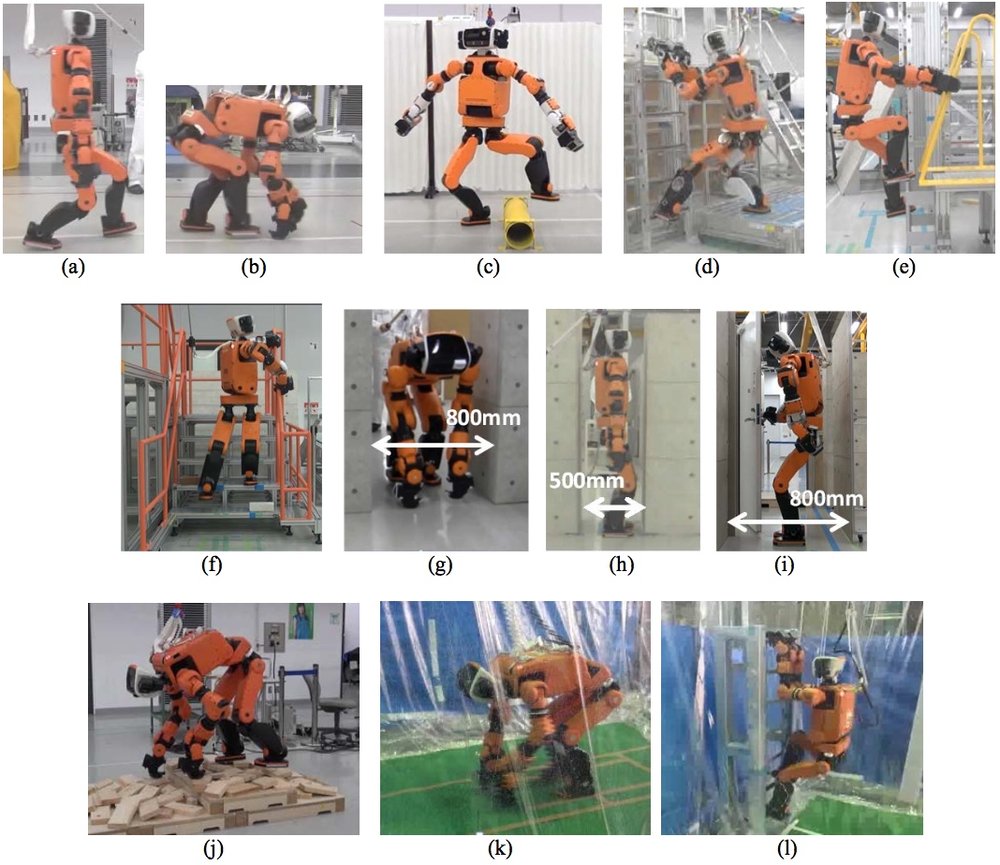
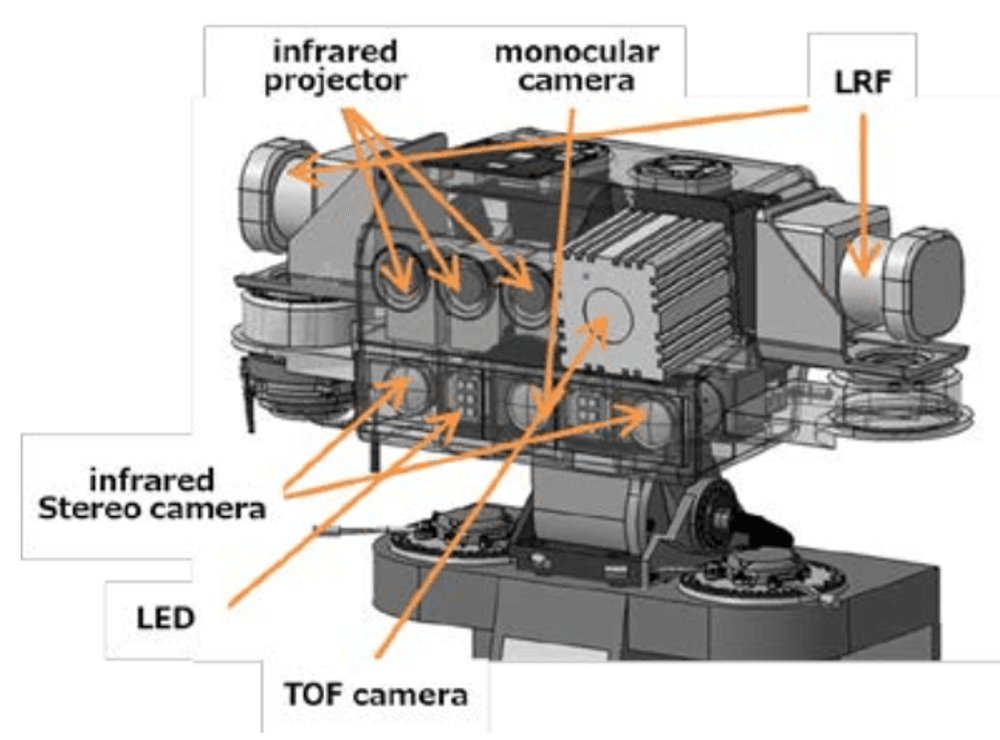
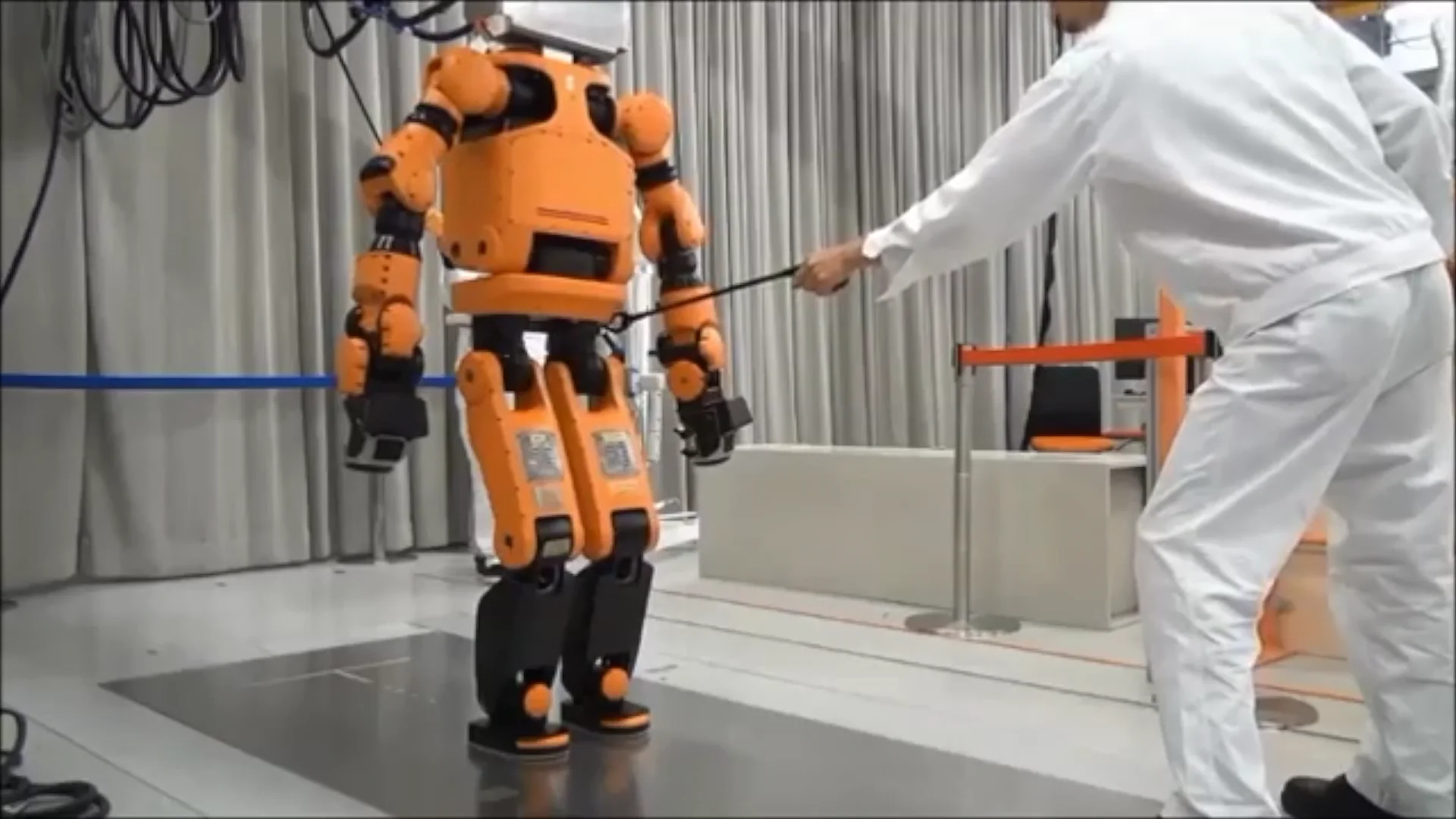
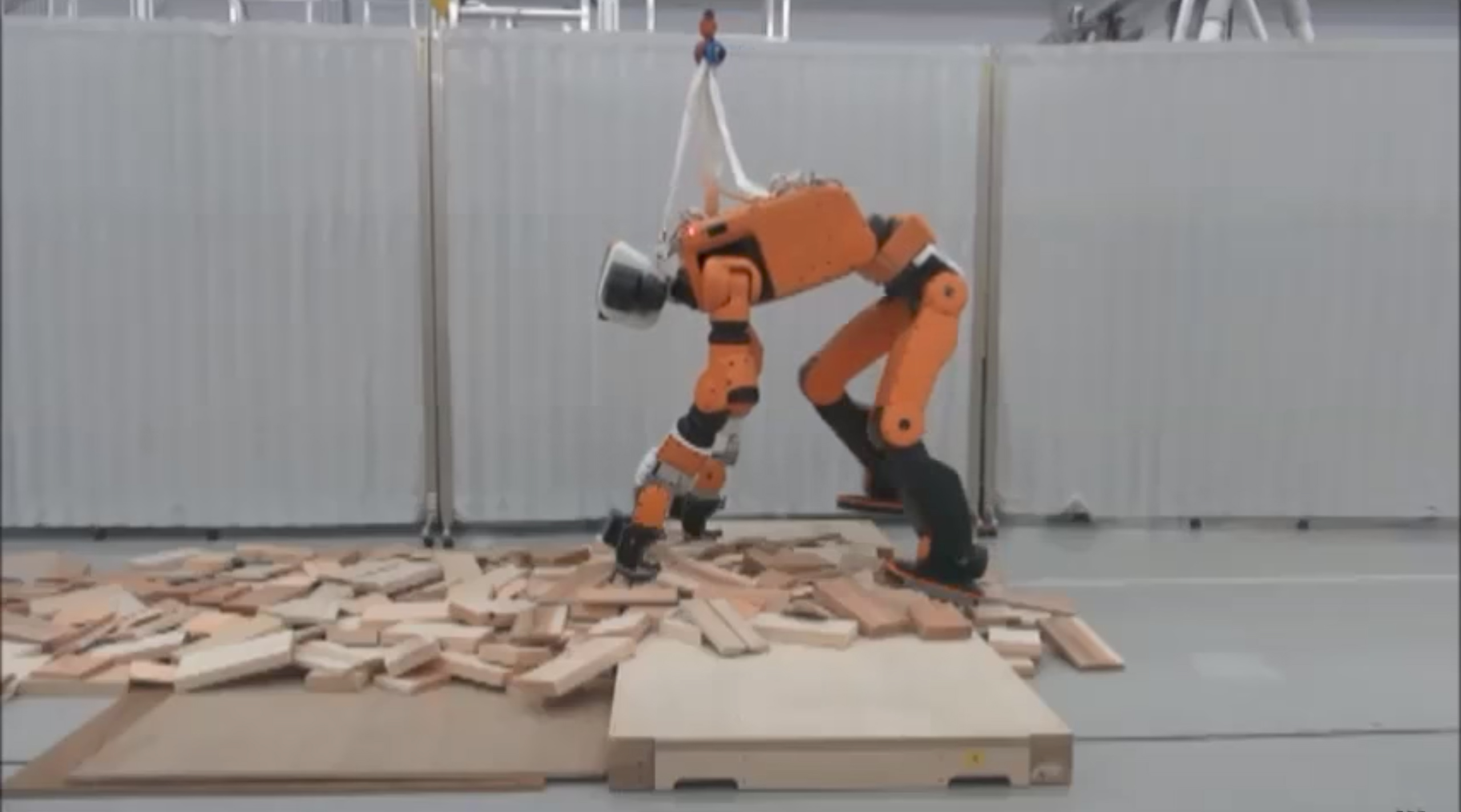
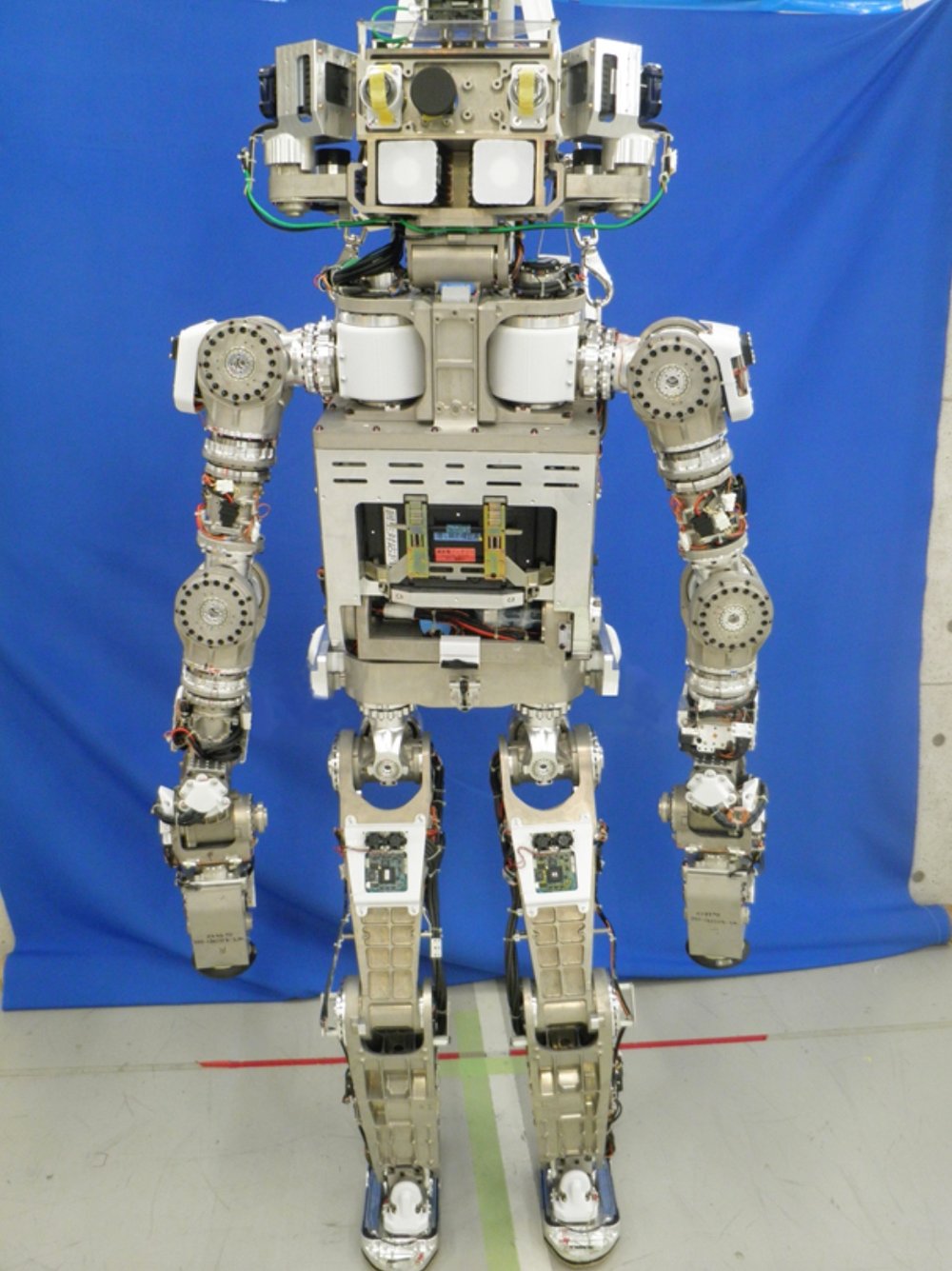
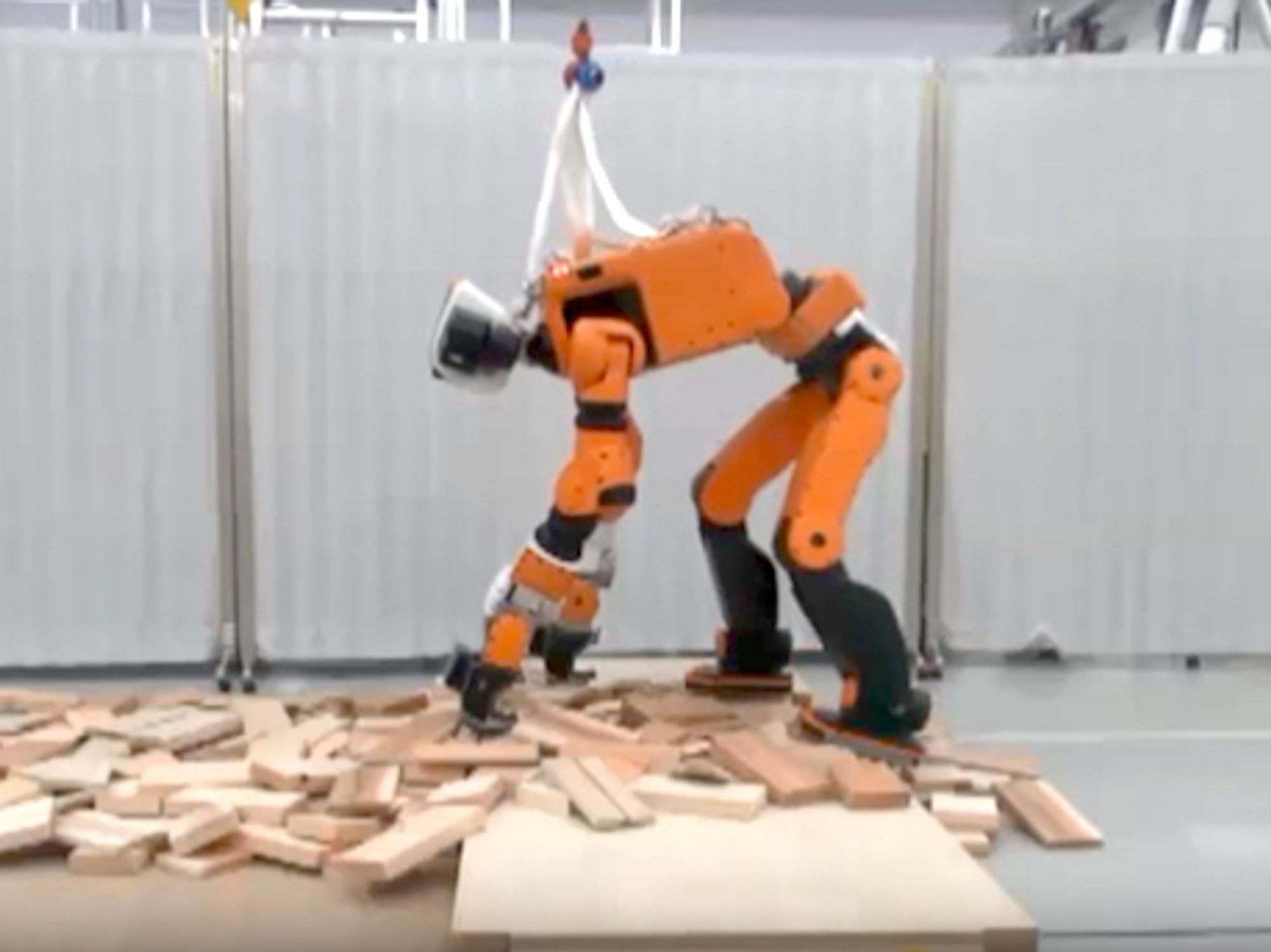
The Honda E2-DR is a bipedal humanoid robot developed by Honda R&D in Minato, Tokyo, Japan, specifically for disaster response, nuclear decommissioning, and hazardous industrial inspection. First revealed in 2017, it represents Honda's re-entry into humanoid robotics after the famed ASIMO. The E2-DR is designed to operate in extreme conditions: it is IP67-rated, making it dust-tight and waterproof to 300 mm for 30 minutes, and can walk, crawl, or climb ladders over debris. With 33 degrees of freedom, onboard real-time control, stereo cameras, 3D LIDAR, and force/torque sensors, it can autonomously navigate and manipulate tools. However, it remains a research prototype and is not commercially available. Its 85 kg weight and ~2-hour battery life highlight its ruggedized but limited field endurance.
Specifications
Here are the full technical specifications.
| Spec | Value |
|---|---|
| Height | 1.68 m |
| Weight | 85 kg |
| Degrees of freedom | 33 |
| Battery life | 2 hours |
| Max speed | 2.7 km/h |
| Payload | Not specified (gripping only) |
| Price (new) | Undisclosed (research prototype) |
| Price (used range) | N/A |
Price & Value
New MSRP: Undisclosed
Used range: N/A
The Honda E2-DR has no published retail price because it was developed as a research platform and disaster-response demonstrator, not a product. Honda has never offered it for sale or lease, and no units are known to exist outside the company's labs. As such, its value is purely as a technological benchmark rather than a purchasable robot. Comparisons to commercial humanoids like the Unitree H1 or Fourier GR-2 are meaningless in dollar terms, but one could estimate the E2-DR's development cost in the tens of millions of dollars. For organizations seeking a similar ruggedized humanoid, they must either build their own or wait for future commercial spin-offs. There is no used market, and Honda has not announced any plans to productize the prototype. Total cost of ownership is undefined; for now, it remains a one-off research investment.
Who Is It For?
Best for: - Search-and-rescue agencies testing future robotic assistants (33 DOF, IP67, ladder climbing capabilities) - University robotics labs researching disaster-response locomotion and manipulation (open lessons from Honda's publications) - Industrial safety organizations exploring autonomous hazardous environment monitoring (radiation/chemical exposure reduction)
Not for: - Commercial deployment (not for sale, research-only prototype with no support or warranty) - Lightweight agile tasks on unstable debris (85 kg weight may limit mobility and increase risk of collapse) - Long-duration missions (2-hour battery life is inadequate for extended operations, no hot-swappable batteries)
Alternatives & Comparison
While no commercially available disaster-response humanoid exists, the E2-DR can be compared against its DARPA Robotics Challenge peers, all of which were research prototypes designed for the same extreme environments.
| Model | Price | Available | Key Difference |
|---|---|---|---|
| DRC-HUBO | Undisclosed | no | Winner of DARPA Robotics Challenge 2015; transformer mechanism allows bipedal walking and wheeled kneeling |
| Atlas (Boston Dynamics) | Undisclosed | no | Hydraulic actuation for high mobility and parkour, but less ruggedized for dust/water; also research platform |
| HRP-2 Kai | Undisclosed | no | Electrically actuated humanoid for disaster response, based on HRP-2 platform, lighter weight (~45 kg) |
Verdict: For disaster-response research, the Honda E2-DR's IP67 sealing and crawling/ladder-climbing abilities make it the most field-ready design among its peers, but its weight and lack of commercial availability mean it remains a benchmark rather than a deployable asset. The Boston Dynamics Atlas offers superior dynamic mobility (backflips, parkour) but without weatherproofing. The DRC-HUBO's wheeled mode is uniquely efficient on flat terrain, while the HRP-2 Kai is lighter and more proven in DRC tasks. Unless Honda decides to commercialize the E2-DR, none are purchasable.
Use Cases & Capabilities
Search and Rescue in Collapsed Structures
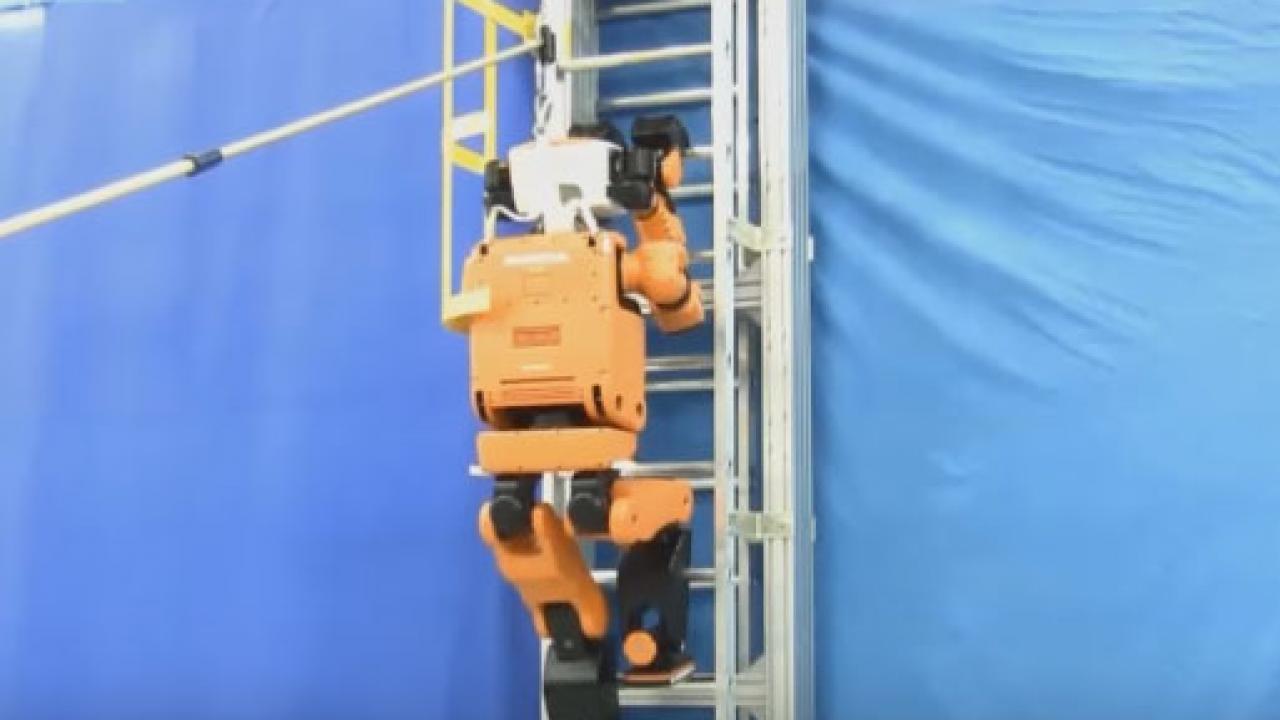
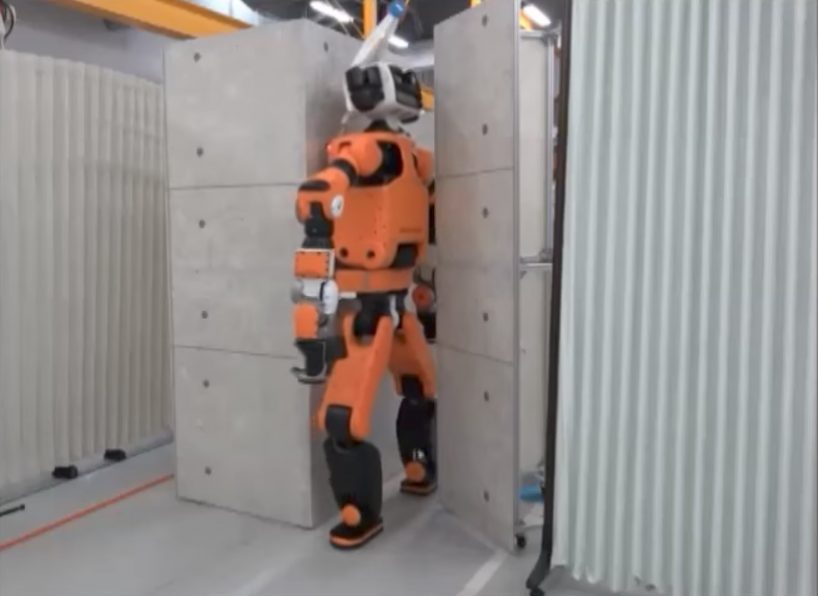
The E2-DR is engineered to traverse disaster sites by crawling under low clearance, climbing ladders, and walking over uneven debris. Its stereo cameras and 3D LIDAR are housed in a rugged, IP67 body that can withstand dust, rain, and temporary submersion, enabling it to locate victims in post-earthquake or explosion scenarios. The robot can manipulate simple tools or open valves with its gripper hands, though it is not rated for heavy payload lifting. Its 2-hour battery life limits continuous search efforts, requiring strategic deployment. Despite being a prototype, the E2-DR demonstrates how humanoid form can access areas wheeled robots cannot.
Nuclear Decommissioning and Hazardous Inspection
With full environmental sealing (IP67) and a temperature range of -10°C to 40°C, the E2-DR is suited for entering contaminated zones, such as Fukushima-like reactor buildings, to perform visual inspections or operate simple controls. The onboard sensor suite—IMU, force/torque feet, and 3D LIDAR—allows autonomous navigation in dark, GPS-denied areas, while real-time control enables remote teleoperation. Unlike wheeled inspection bots, it can climb stairs and ladders to reach upper levels. Honda explicitly states the E2-DR does not require dexterous hands, only grasping ability, so it can turn valves or push buttons. Its 85 kg weight is a trade-off for ruggedness but may limit mobility on weakened floors.
Disaster Response Training and Research Platform
Although not sold commercially, the E2-DR serves as a development testbed within Honda R&D and has inspired academic research into bipedal locomotion on irregular terrain, whole-body motion planning, and sensor fusion. Honda’s published results from the E2-DR project (e.g., autonomous ladder climbing, walking with structure contact) are used in university labs to benchmark new algorithms. The robot’s IP67 rating and multi-modal mobility make it a reference design for future disaster-response humanoids. However, no external organizations can acquire a unit, limiting hands-on training to Honda’s own facilities. Researchers must rely on simulation or alternative platforms like the KH-2 Kai for physical experiments.
History & Background
Honda Motor Co., founded in 1948 and headquartered in Minato, Tokyo, began humanoid robotics with the ASIMO series in 2000. After discontinuing ASIMO in 2018, Honda shifted its bipedal research toward practical disaster-response applications. The E2-DR concept was initiated in 2015 as part of Honda’s ‘R&D for People’ philosophy, aiming to create a robot that could assist in extreme environments like earthquakes and nuclear accidents. The prototype was publicly unveiled at the IEEE/RSJ International Conference on Intelligent Robots and Systems (IROS) in Vancouver on September 24, 2017, where it demonstrated crawling, ladder climbing, and water-resistant operation. Only one generation has been built, and no commercial variants have followed. As of 2026, Honda has not announced plans to productize the E2-DR; it remains an active but unpublished research platform, with occasional appearances in technical conferences.
Buying Used — What to Check
Verify battery condition Original 2-hour life degrades with age; replacement cell availability is unknown for this non-commercial build.
Inspect for water ingress Despite IP67 rating, any field testing could have compromised seals over time.
Confirm all 33 DOF axes move freely Harmonic drives and motors may seize if not properly maintained, especially after exposure to debris.