What is the Neo Beta?
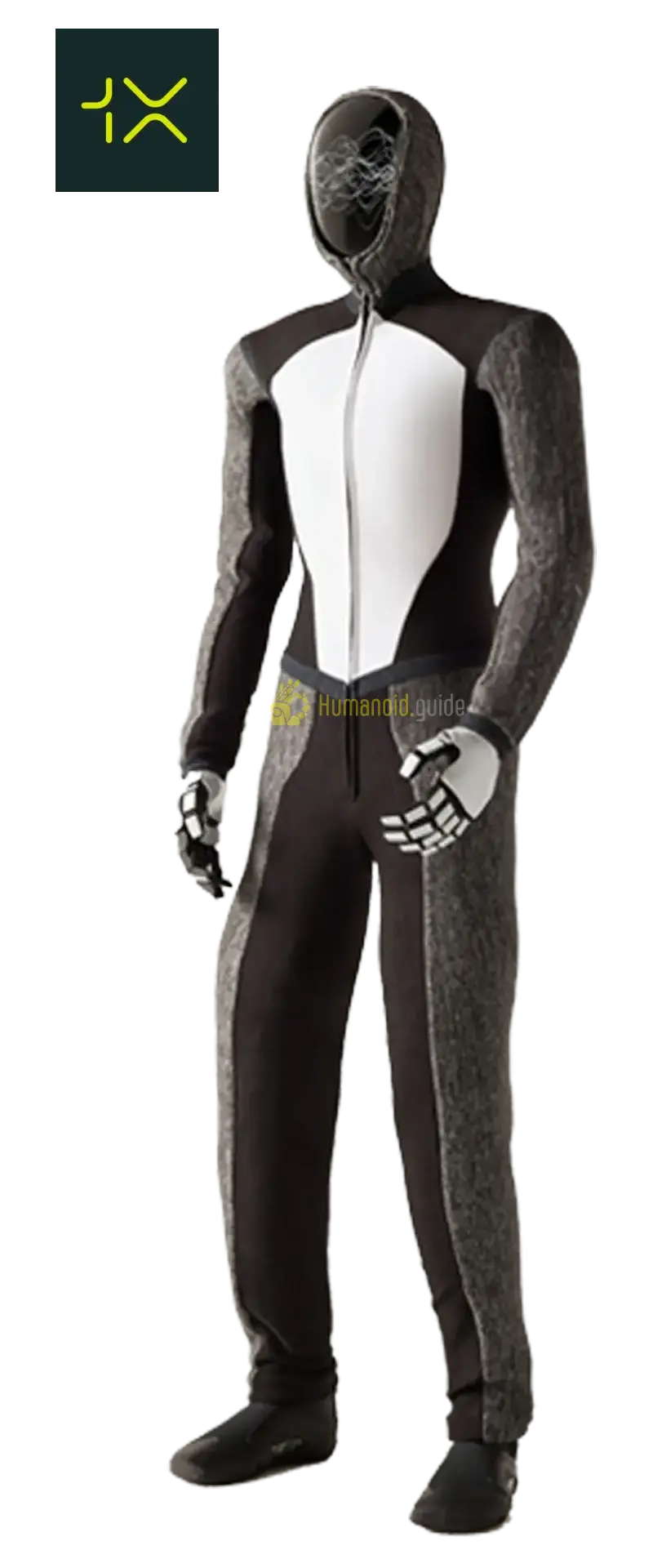
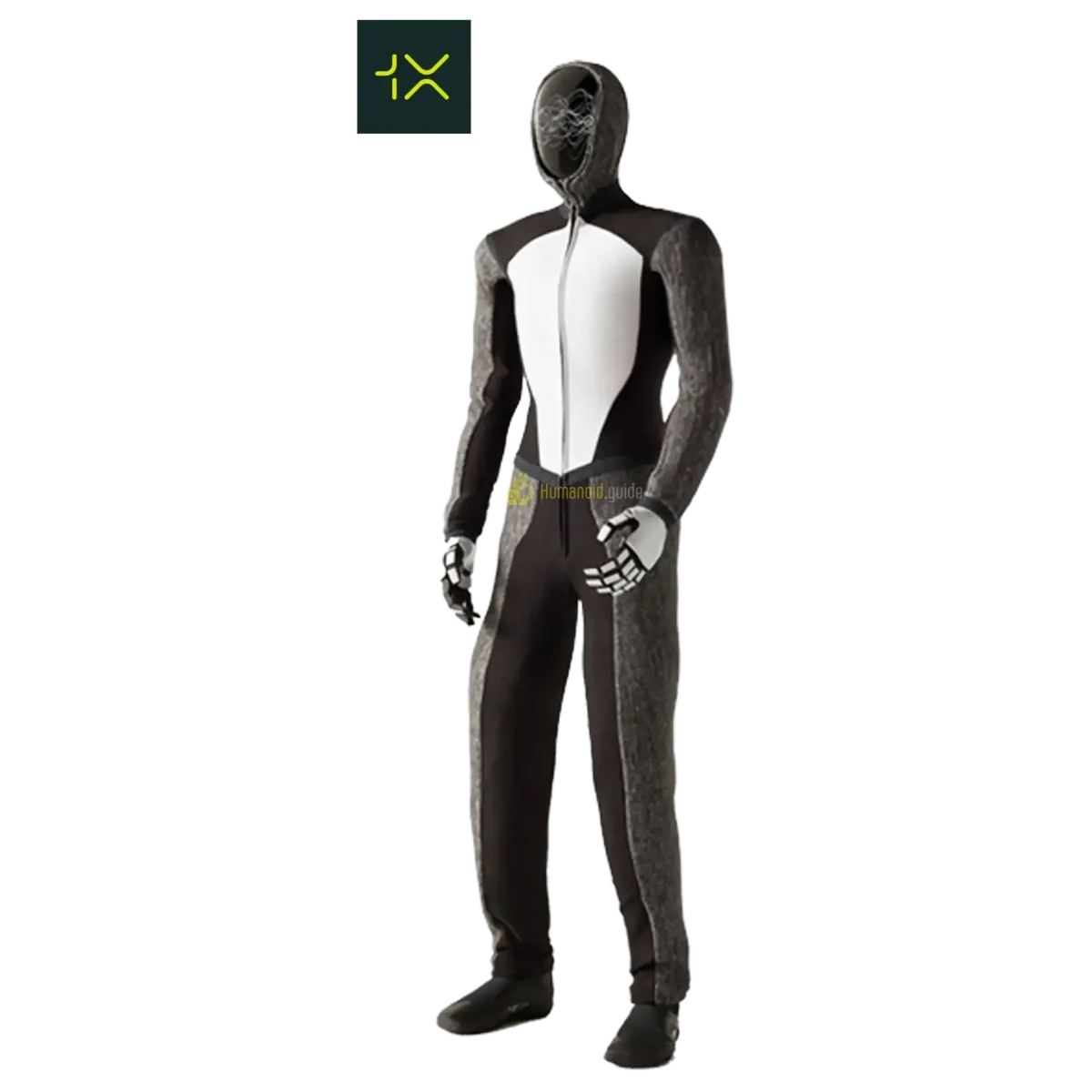
The 1X NEO Beta is a lightweight humanoid robot developed by 1X Technologies (formerly Halodi Robotics), founded in Moss, Norway in 2014. Standing 165 cm tall and weighing 30 kg, it is built for safe human-robot interaction with a soft polymer body and tendon-driven actuators. NEO Beta targets general-purpose tasks in logistics, manufacturing, retail, and public safety, performing material handling and routine chores. It carries up to 20 kg and walks at 1.1 m/s. Sensors include depth cameras, IMU, and force sensors; compute is on-board Linux. Unlike heavy industrial humanoids, NEO Beta prioritizes safety and energy efficiency, making it suitable for shared human spaces.
Specifications
Here are the full technical specifications.
| Spec | Value |
|---|---|
| Height | 1650 mm |
| Weight | 30 kg |
| Degrees of freedom | 20 |
| Battery life | 4 hours |
| Max speed | 1.1 m/s |
| Payload | 20 kg |
| Price (new) | Undisclosed (contact manufacturer) |
| Price (used range) | N/A |
Price & Value
New MSRP: Undisclosed (contact manufacturer)
Used range: N/A
1X has not yet announced pricing for NEO Beta, and as a prototype it carries no MSRP. Industry observers have floated a $20,000 target, but this remains unconfirmed. If that price materializes, NEO Beta would undercut most humanoid competitors, which often range from $90,000 for the Unitree H1 to over $150,000 for other bipedal robots. Its potential value lies in simple, low-cost mechanical design and an emphasis on safe operation, which could reduce deployment overhead. However, buyers should expect minimal aftermarket support until commercial release, and the beta stage means no independent reliability data exists. Overall, NEO Beta’s projected affordability makes it a high-interest prospect for pilot programs, but it is not yet ready for procurement.
Who Is It For?
Best for: - Logistics and manufacturing pilot projects (lightweight design and safety suit enable testing in human-shared spaces) - Research institutions studying human-robot interaction (20 DOF and tendon-driven actuation offer unique compliance and quiet operation) - Retail and public safety concepts (soft exterior reduces injury risk, making it suitable for public-facing trials)
Not for: - Heavy industrial tasks (payload limited to 20 kg, no IP rating for dust/water resistance) - Buyers needing an immediate purchase (not commercially available; only limited beta units exist in 2026)
Alternatives & Comparison
The NEO Beta competes in a nascent but fast-moving field of general-purpose humanoids aiming to work alongside people. Its key differentiators are extreme lightness (30 kg) and a soft, inherently safe body, setting it apart from heavier, metal-framed robots.
| Model | Price | Available | Key Difference |
|---|---|---|---|
| Tesla Optimus | Undisclosed | no | Metal construction, mass-manufacturing focus, heavier and less suited to co-work spaces |
| Figure 01 | Undisclosed | no | AI-driven general-purpose humanoid with similar lightweight design; focusing on service roles |
| Agility Digit | Undisclosed (enterprise pricing) | enterprise-only | Legged logistics robot with proven warehouse deployment; not humanoid-shaped but bipedal |
| Fourier GR-1 | Undisclosed (preorder) | preorder | Full-sized humanoid with high-DOF hands, focused on healthcare and elderly care |
| Unitree H1 | $90,000 | yes | Ultra-lightweight 47 kg robot with dynamic locomotion; commercially sold with known pricing |
Verdict: For buyers who can wait and prioritize co-bot safety, the NEO Beta’s soft, light design offers a compelling long-term value proposition at a likely lower price than the Unitree H1’s $90,000. However, the Agility Digit remains the only commercially-proven bipedal logistics robot today, and the Unitree H1 provides immediate purchase with proven bipedal walking. The NEO Beta’s beta status makes it a speculative choice — best suited for early-adopter labs and pilot programs.
Use Cases & Capabilities
Warehouse Material Handling
NEO Beta’s 20 kg payload and bipedal locomotion allow it to move boxes and totes in warehouse aisles, working safely alongside human pickers. Its soft body eliminates the need for safety cages, reducing deployment time. The 4-hour battery life is sufficient for a half-shift before recharging. Limited IP rating means it is best suited to indoor, climate-controlled environments.
Retail Assistance & Customer-Facing Roles
With a non-threatening appearance and soft exterior, NEO Beta can stock shelves, guide customers, or transport items in a retail store. Its quiet tendon-driven actuators prevent noise pollution. The robot’s 30 kg weight makes it easy to floor-load and reposition. Short battery life and lack of autonomous navigation in crowded spaces remain challenges for all-day retail deployment.
Public Safety and Inspection
NEO Beta can patrol facilities or inspect equipment without risking injury to bystanders, thanks to its padded frame and force-limited movements. On-board depth cameras and IMU provide situational awareness. Teleoperation support allows remote human oversight during critical checks. The robot’s 4 km/h walking speed limits rapid response, but it can serve as a persistent monitoring platform.
Research & Development
Academic and corporate R&D labs can use NEO Beta to study human-robot interaction, locomotion, and manipulation in a safe, compliant platform. The 20 total DOF (12 in each hand) enables dexterous grasping research. An open Linux-based compute stack allows custom software development. As a pre-commercial system, hardware support and replacement parts may be limited, requiring close ties with 1X Technologies.
History & Background
1X Technologies was founded in 2014 (as Halodi Robotics) in Moss, Norway, by Bernt Øivind Børnich. The company shifted focus from service robots to general-purpose humanoids, unveiling the first NEO concept in 2023. The NEO Beta prototype was introduced in 2024, featuring a radically lightweight and soft-body design. Unlike earlier industrial humanoids, NEO Beta was engineered from the start for safe human coexistence. 1X has raised significant funding, including from OpenAI Startup Fund in 2022. As of 2026, NEO Beta remains in beta testing, with no commercial release date set. The company is developing a consumer variant, NEO, with increased DOF and an AI intelligence system.
Buying Used — What to Check
Verify payload rating Actual sustained payload may differ from prototype spec and is critical for intended tasks.
Inspect soft body integrity The polymer shell may degrade over time, affecting safety and impact absorption.
Confirm actuator condition Tendon-driven systems can wear; request maintenance logs and check for unusual noise or backlash.