
A Chinese robotics startup has unveiled a humanoid robot that can learn dance routines simply by watching a video clip. The LimX Luna, priced at $41,000, is designed to entertain shoppers in malls and interact with visitors at theme parks — a sign that humanoid robots are entering the commercial entertainment industry at a price point far below many industrial-focused competitors.
- What Is the LimX Luna Humanoid Robot?
- How Does the Luna Learn Dance Moves From Video?
- Where Will the Luna Be Deployed?
- What This Means for Buyers
- Frequently Asked Questions
- Conclusion
What Is the LimX Luna Humanoid Robot?
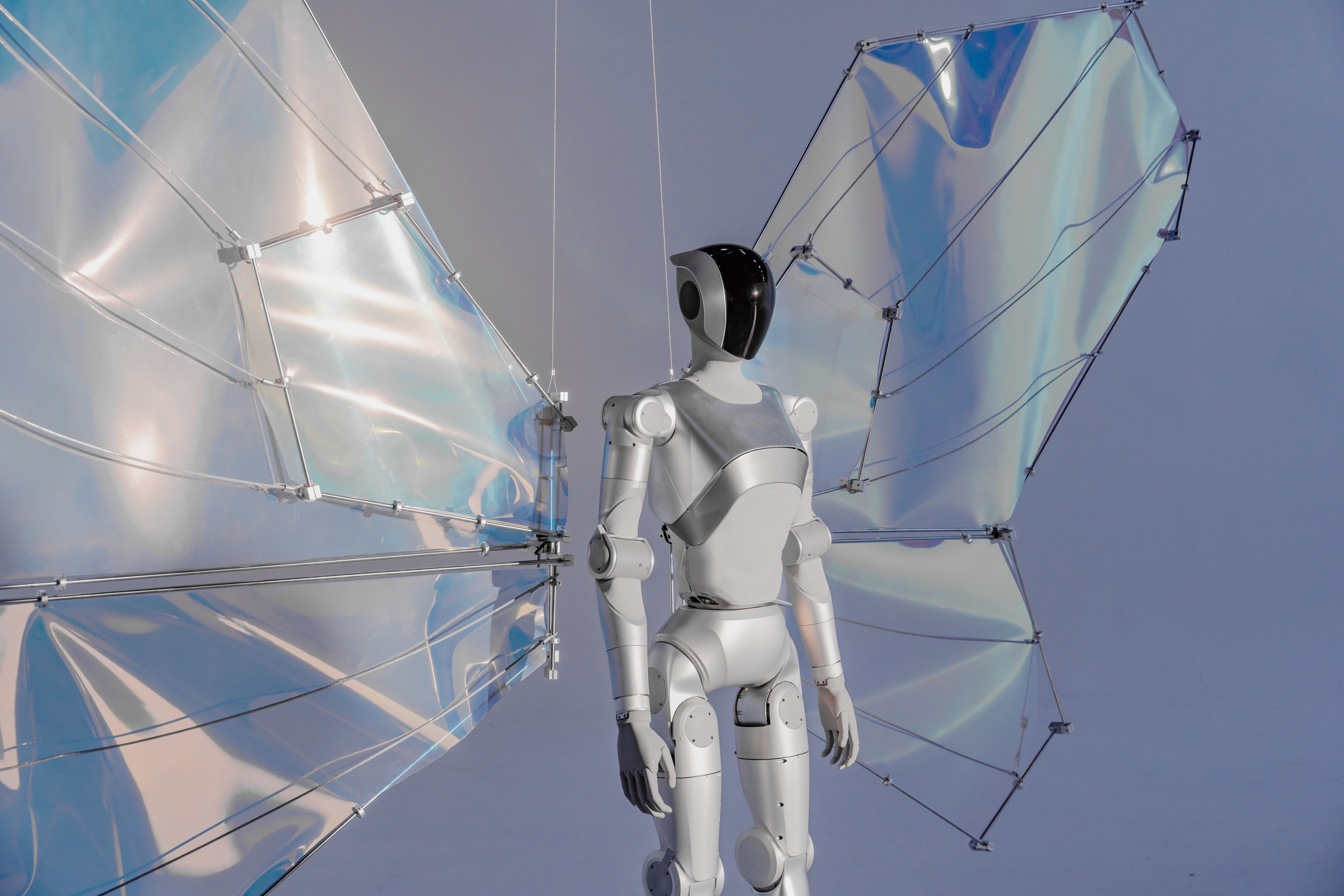
LimX Luna is a 160cm-tall humanoid robot developed by LimX Dynamics, a Shenzhen-based robotics startup specializing in motion control technology. It features 27 degrees of freedom (individual points of movement across its body, like joints in shoulders, elbows, knees, and fingers), giving it the flexibility to walk, gesture, and dance. The robot is powered by the company’s second-generation SYS 0 motion control engine, which handles balance and gait stability. LimX Dynamics claims the Luna can operate for extended periods thanks to upgraded cooling and battery systems, though exact runtime figures have not been released. The robot supports multimodal interaction — it can receive commands through voice, touch, and gesture, and respond with speech, movement, and facial expressions via an LED display face.
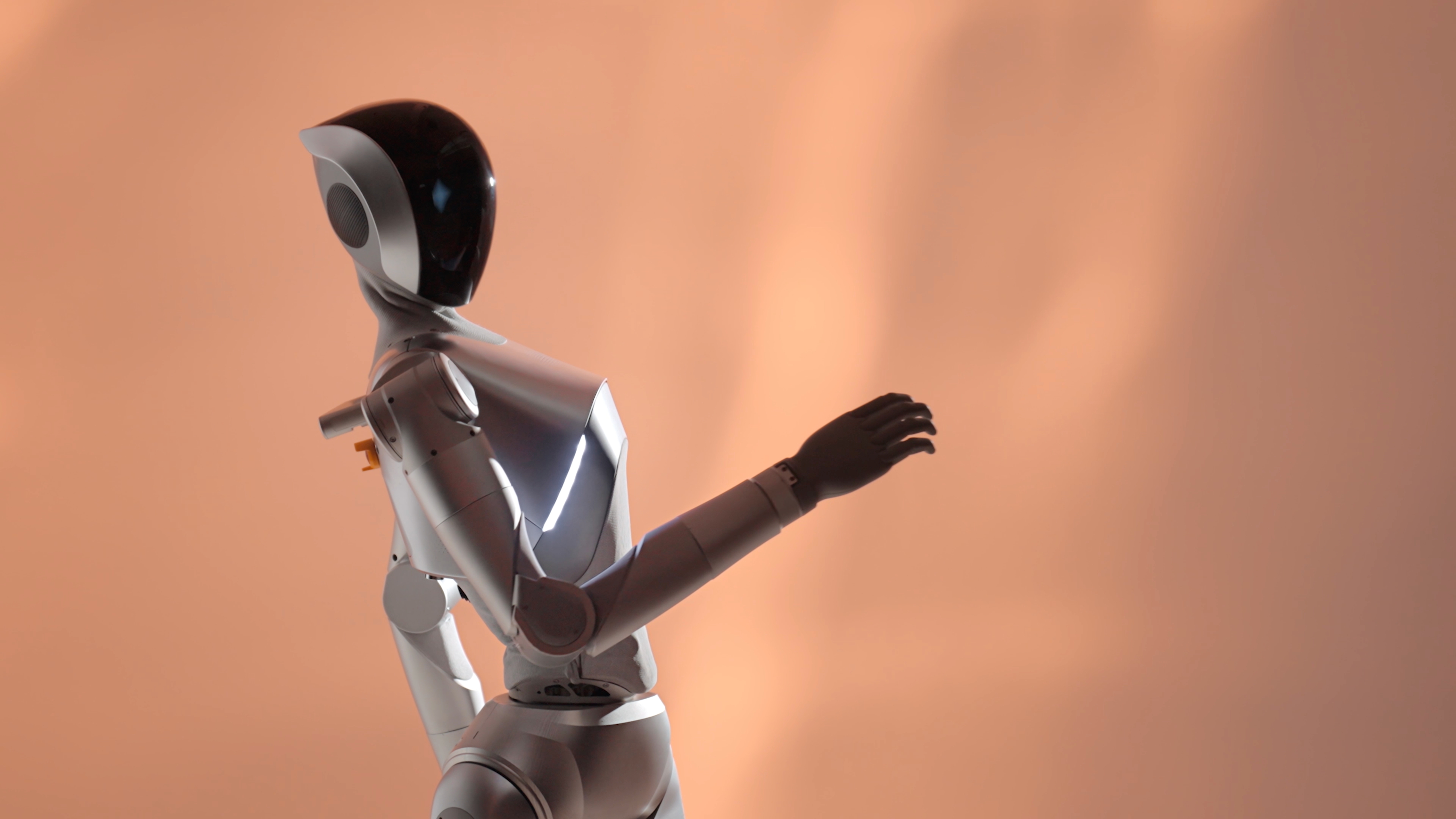
According to TechNode, the company has priced the Luna at RMB 298,000 (approximately $41,000 US), making it one of the most affordable full-size humanoid robots on the market. For context, Boston Dynamics’ Atlas is not commercially available, and other humanoids from Figure, Unitree, and Tesla are priced significantly higher or have not announced pricing. The Luna is explicitly built for commercial entertainment rather than industrial manufacturing or warehouse logistics.
How Does the Luna Learn Dance Moves From Video?
The robot can learn dance choreography by analyzing a video clip of a human dancer. The Luna’s AI system extracts the sequence of body positions and movements from the video frames, then maps them onto its own 27-degree-of-freedom skeleton. This is a capability that typically required extensive motion-capture setups or manual programming for each routine. While the specifics of the video-to-motion pipeline have not been detailed by LimX, the approach mirrors research trends in imitation learning (where robots learn by watching humans) that have accelerated across the robotics field in recent years.
Users do not need coding skills to set up the Luna. The system includes a no-code interface that lets operators define task triggers — for example, “wave when a child approaches” or “start the welcome dance at 10 AM” — by describing them in natural language. The robot then automatically generates the execution workflow. This lowers the barrier for entertainment venues that do not have robotics engineers on staff.
Where Will the Luna Be Deployed?
LimX Dynamics is targeting three main commercial scenarios with the Luna:
- Shopping malls — The robot can greet shoppers, perform scheduled dance shows, provide directions, and interact with children. Venues can customize its behavior using the no-code interface.
- Theme parks — The Luna can serve as an NPC (non-player character) in immersive role-playing experiences, reacting to visitors with pre-scripted or AI-generated responses. Its ability to learn dances means it could perform in live shows alongside human performers.
- Brand events and exhibitions — Companies could use the Luna as a promotional tool, programming it to demonstrate products or entertain attendees.
The pricing suggests LimX is targeting a volume market. At $41,000, a large shopping mall or theme park could deploy multiple units for the cost of a single industrial robot or a few months of a human performer’s salary. This positions the Luna as a potential competitor in the growing market for entertainment and service humanoids, a niche distinct from the factory-focused robots from Figure, Apptronik, and Tesla.
A key question is durability: can a humanoid robot operate reliably in a crowded mall for eight hours a day, seven days a week? LimX has not published reliability metrics, and the entertainment robot category is still unproven at scale.
What This Means for Buyers
For operators of entertainment venues, shopping centers, and theme parks, the Luna represents a new option in the sub-$50,000 humanoid category. Here’s how it stacks up against other humanoids that could theoretically serve similar roles (though most are not directly marketed for entertainment):
| Feature | LimX Luna | Unitree H1 | Tesla Optimus (Gen 2) | Figure 02 |
|---|---|---|---|---|
| Height | 160 cm | 180 cm | ~173 cm | 170 cm |
| Degrees of Freedom | 27 | Not disclosed | Not disclosed | Not disclosed |
| Price (approx.) | $41,000 | ~$90,000 | Unknown (likely >$20k target) | Unknown |
| Primary Use Case | Entertainment, mall, theme park | R&D, research | Factory logistics | Manufacturing |
| Video Learning | Yes (dance) | No (requires programming) | Not advertised | Not advertised |
| No-Code Interface | Yes | No (SDK) | Not disclosed | No |
Key considerations for buyers:
- Total cost of ownership — At $41,000, the Luna is cheap enough that a single unit could pay for itself within a year if it drives foot traffic or entertainment value. However, maintenance, insurance, and unexpected repairs could add 20–30% annually.
- Dance as a differentiator — The video-learning capability is unique at this price point. No other sub-$100k humanoid offers out-of-the-box choreography from video clips. If your venue values dynamic performances, that’s a clear advantage.
- Enterprise support — LimX is a relatively young startup. Buyers should assess the company’s track record, warranty terms, and spare parts availability before committing. The Luna is built for commercial deployment, but the robot industry has seen startups struggle with post-sale support.
- Alternative use — The no-code interface and multimodal interaction mean the Luna could also serve as a greeter, guide, or information kiosk. For a venue that wants a multi-purpose robot, the Luna may be more versatile than a fixed interactive kiosk.
For prospective buyers, browse humanoid robots on Botmarket to compare the Luna against other commercially available platforms.
Frequently Asked Questions
How much does the LimX Luna cost? The LimX Luna is priced at RMB 298,000, which is approximately $41,000 US. This is one of the lowest price points for a full-size humanoid robot with 27 degrees of freedom.
What can the Luna robot do? The Luna can walk, gesture, dance, respond to voice commands, and interact with people through touch and facial expressions. It can learn dance moves by analyzing a video clip and perform them autonomously. It also includes a no-code interface for setting up automated behaviors.
Where can I buy the LimX Luna? LimX Dynamics is currently targeting commercial buyers in China and has not announced international availability. Interested parties should contact the company directly through its official channels. It may eventually appear on marketplace platforms for used and new humanoid robots.
How does the Luna learn dances from video? The Luna’s AI system analyzes video footage of a human dancer, extracts the sequence of joint positions and movements, and maps them onto its own 27-degree-of-freedom skeleton. No motion-capture suits or manual programming are required.
What is degrees of freedom in a robot? Degrees of freedom (DOF) are the number of independent movements a robot’s joints can make. Higher DOF allows more fluid and complex motion. The Luna has 27 DOF, comparable to advanced humanoid robots like Boston Dynamics’ Atlas.
How does the Luna compare to Tesla Optimus or Figure 02? The Luna is significantly cheaper ($41k vs. unknown but likely higher) and targets entertainment rather than industrial work. It offers unique features like video-based dance learning and a no-code interface that the others lack. However, Figure 02 and Optimus are designed for heavy-duty factory tasks, while the Luna is not.
Conclusion
The LimX Luna arrives at a compelling intersection of price and capability for entertainment robotics. Its ability to learn dance moves from video and the no-code interface make it accessible to non-technical operators in malls and theme parks. At $41,000, it undercuts most full-size humanoids by a wide margin, though its long-term reliability and company support remain unproven. For venue operators looking to add a humanoid performer or greeter without breaking the budget, the Luna is one of the first viable off-the-shelf options on the market.












Komentar