What is the Rainbow Hubo2?
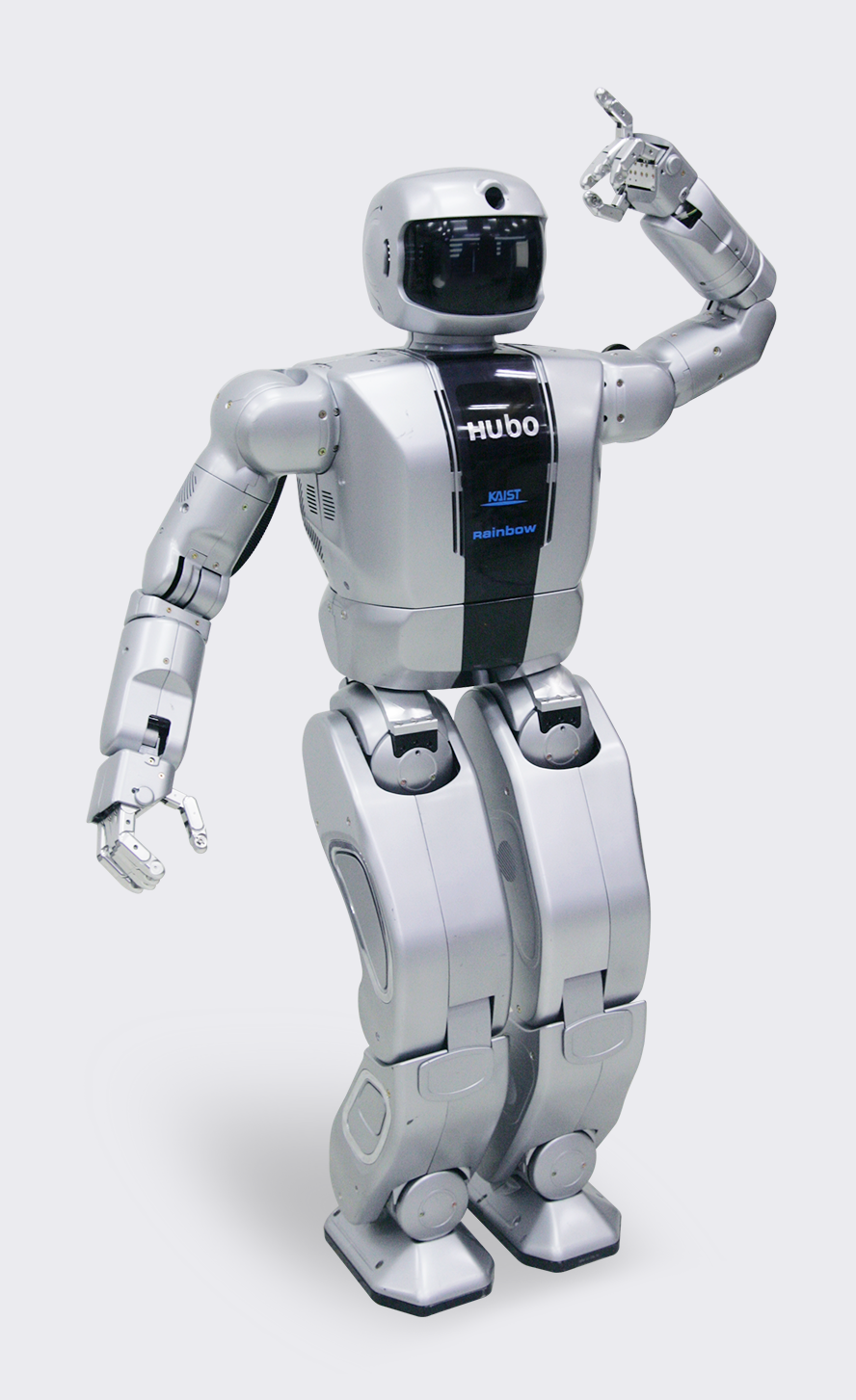
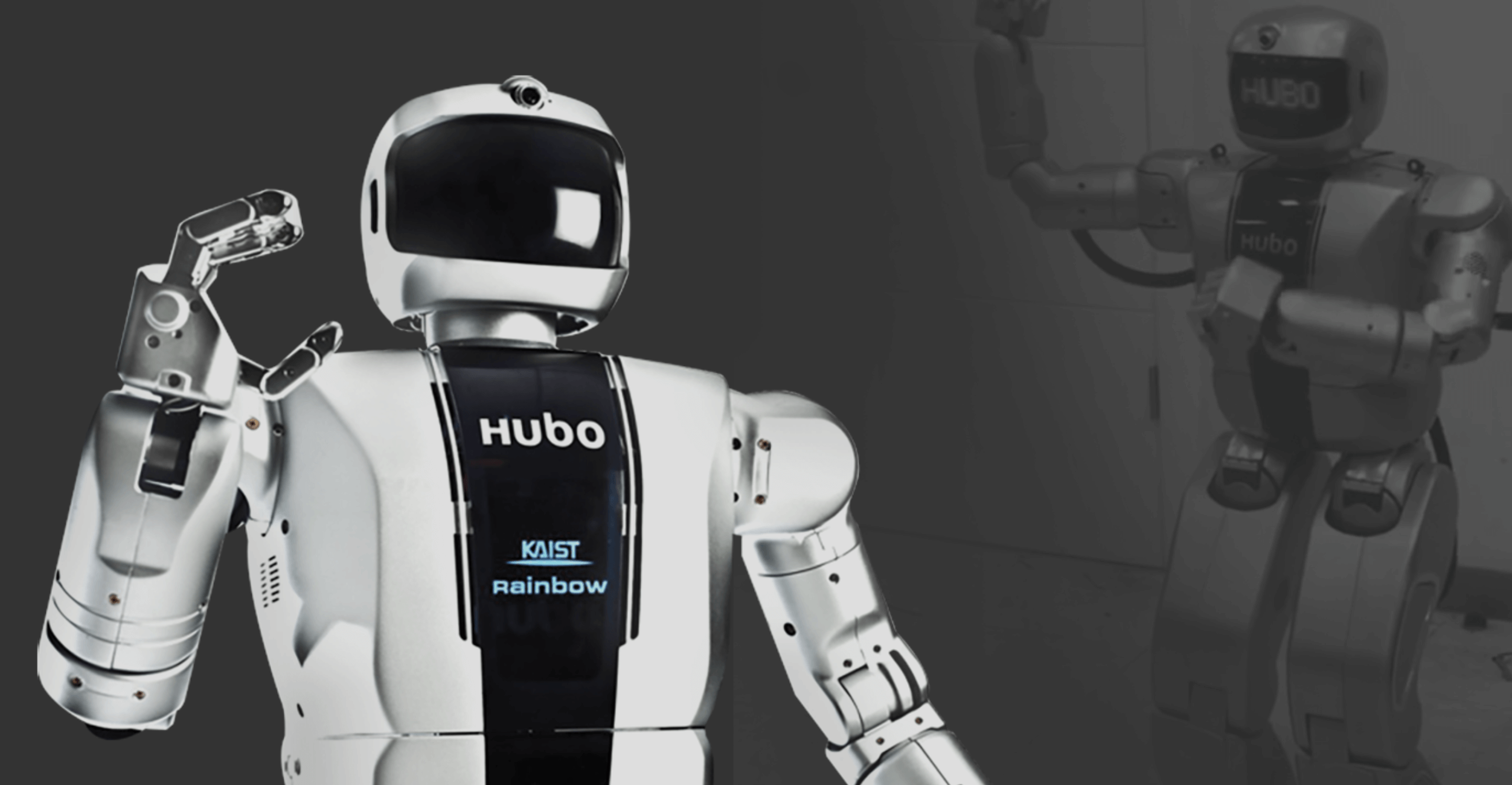
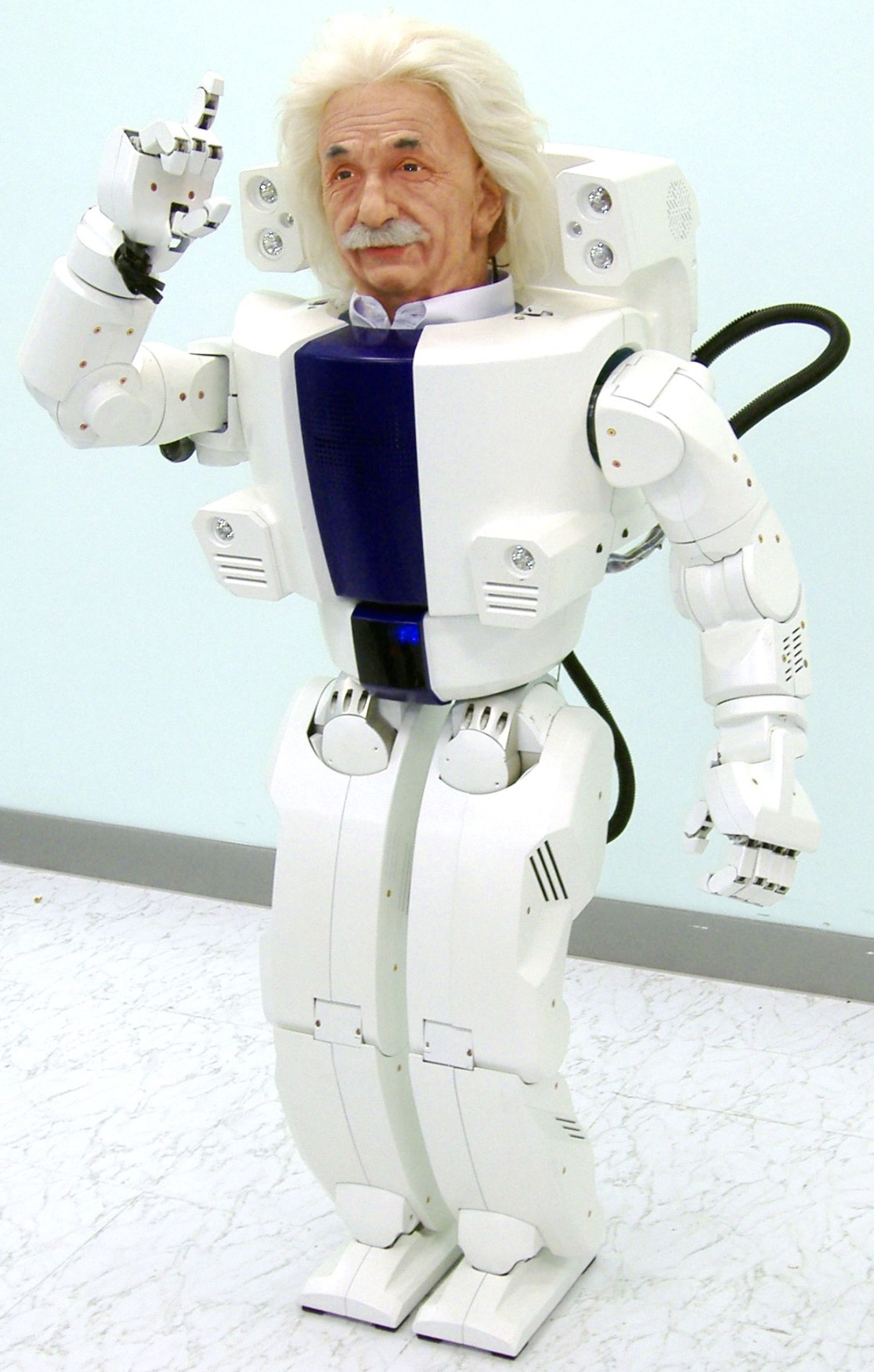
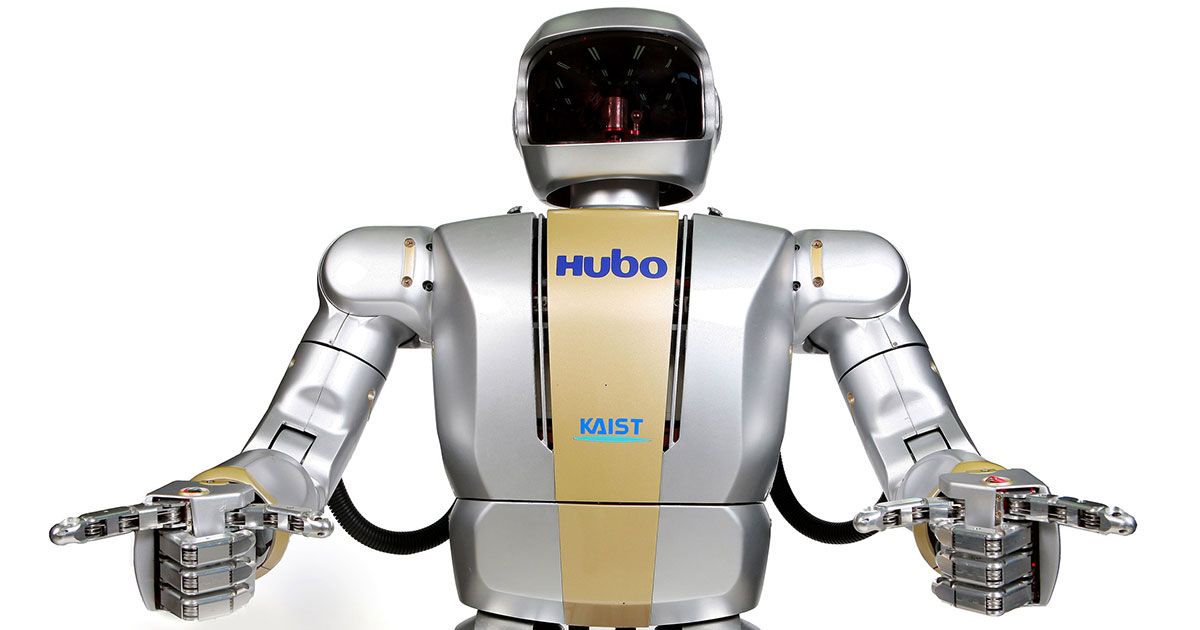
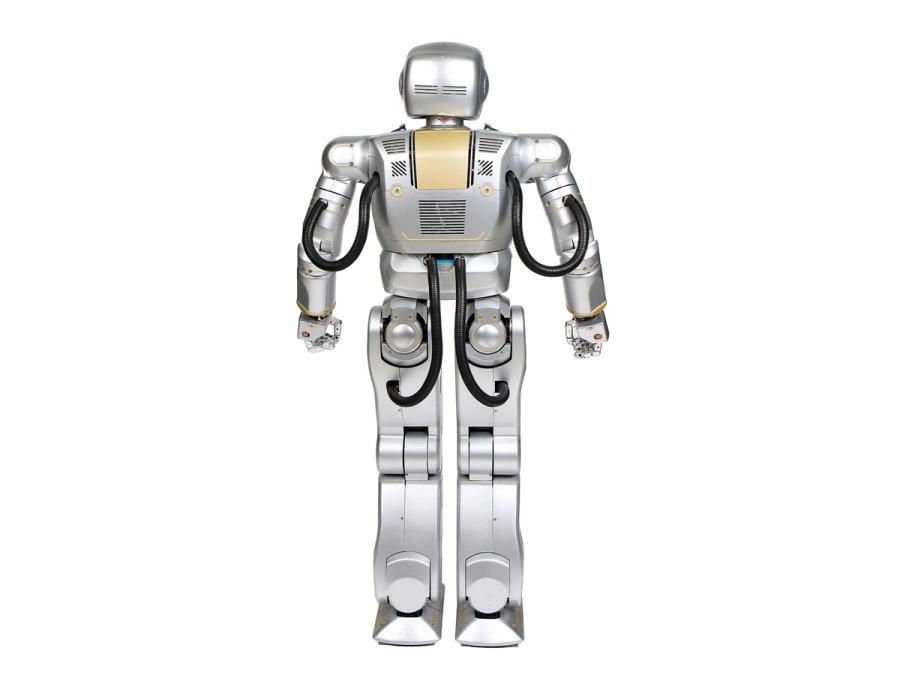
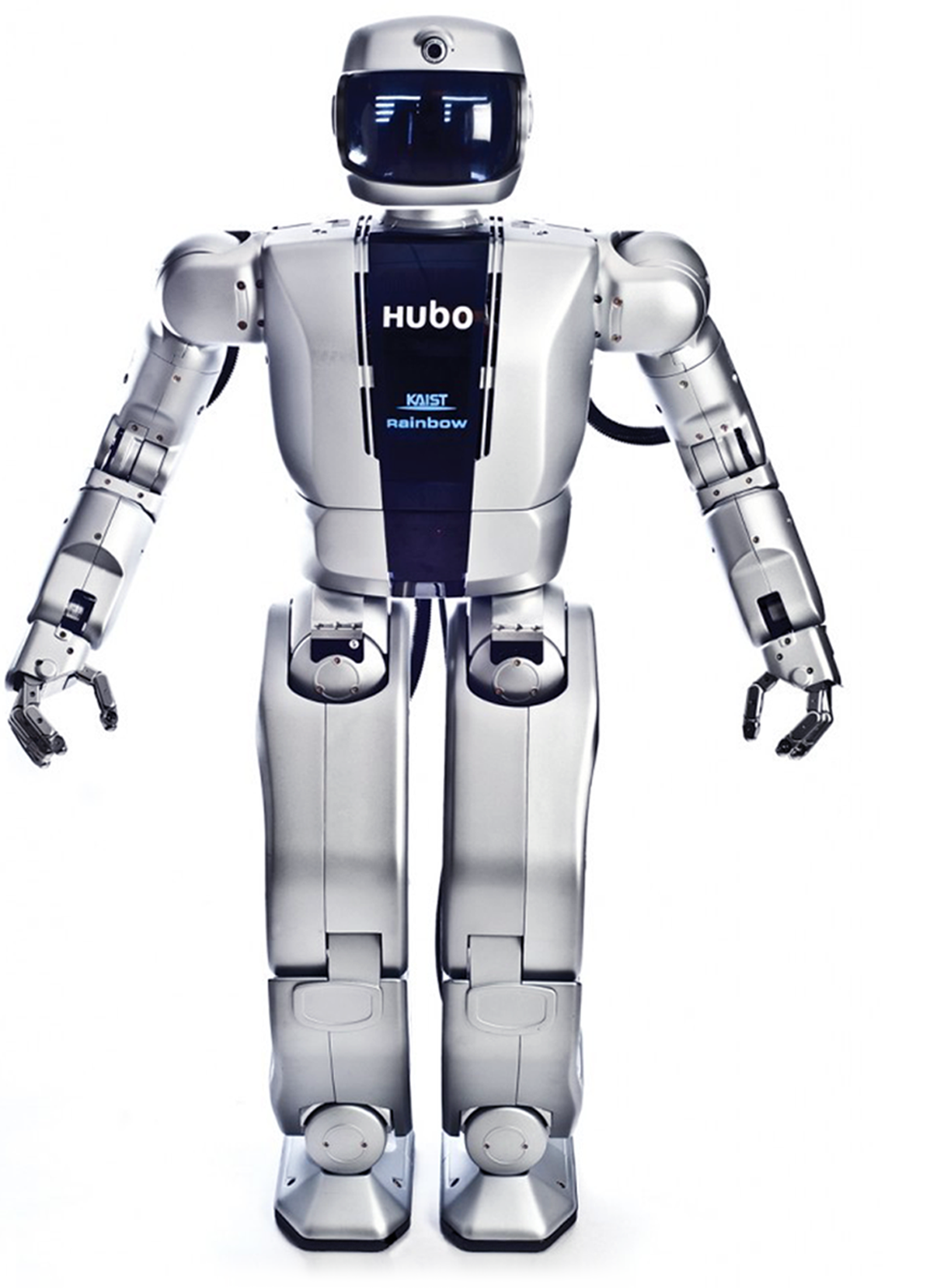
The Rainbow Robotics HUBO2 is a 40-degree-of-freedom, full-size bipedal humanoid robot developed by the Korean Advanced Institute of Science and Technology (KAIST) and commercialized by Rainbow Robotics (Daejeon, South Korea). Standing 1250 mm tall and weighing 45 kg, it was designed as a standardized research platform for studying bipedal locomotion, whole-body motion planning, and human-robot interaction. Equipped with custom frameless brushless DC motors, harmonic reducers, stereo cameras, and 6-axis force/torque sensors, HUBO2 offered a robust sensor suite for advanced manipulation and walking control. It was primarily sold to universities and institutes like Drexel University and Google for algorithm development before being discontinued.
Specifications
Here are the full technical specifications.
| Spec | Value |
|---|---|
| Height | 1250 mm |
| Weight | 45 kg |
| Degrees of freedom | 40 |
| Battery life | 1 hour |
| Max speed | 1.2 km/h |
| Payload | 20 kg (standing) |
| Price (new) | Undisclosed; ~$300k–$400k (est.) |
| Price (used range) | Rare; varies widely |
Price & Value
New MSRP: Undisclosed; estimated $300,000–$400,000 (institutional sales)
Used range: Rare; occasional units appear at auction or surplus (varies)
Rainbow Robotics never published an official MSRP for the HUBO2, but reports from institutional buyers indicate a unit price in the $300,000–$400,000 range. This placed it among the most expensive research humanoids of its era, comparable to the cost of a fully equipped ASIMO (which was never sold commercially). While REEM-C offered a wheeled alternative at around €250,000, HUBO2’s bipedal locomotion and whole-body manipulation capabilities justified its premium for locomotion-focused labs. Now discontinued, used units retain significant value due to scarcity and ongoing academic interest; however, potential buyers should budget for maintenance of custom actuators and aging lithium-polymer batteries. Total cost of ownership over a typical 3–5 year research project could exceed $500,000 when factoring in spare parts, software integration (later ROS support eased some costs), and specialized technician time.
Who Is It For?
Best for: - University robotics labs focused on bipedal locomotion and whole-body motion planning (40 DOF, force/torque sensors) - Researchers needing a standardized humanoid platform for algorithm benchmarking (used by Drexel, Google, etc.) - Human-robot interaction studies requiring a full-size, compliant bipedal agent (passive compliant ankles, microphone array)
Not for: - Budget-constrained labs (original price $300k+; used units still costly) - Industrial manipulation tasks (arm payload unspecified; total payload only 20 kg standing) - Commercial deployment or end-user service (production ceased, no OEM support) - Projects requiring long outdoor autonomy (battery life 1 hour; walking speed only 1.2 km/h)
Alternatives & Comparison
The HUBO2 competed in the niche of full-body, bipedal research humanoids. Its main alternatives were Honda’s ASIMO (never sold) and PAL Robotics’ REEM-C (wheeled, open-source). Below is how they compare.
| Model | Price | Available | Key Difference |
|---|---|---|---|
| Honda ASIMO | Not commercially available | no | Smoother bipedal walking and stair climbing, but never sold as a product; no public ROS support. |
| PAL Robotics REEM-C | ~€250,000 (~$275,000) | yes | Wheeled base, fully open ROS software stack, higher payload (30 kg arm), but lacks bipedal locomotion. |
Verdict: For labs that require true bipedal humanoid dynamics, the HUBO2 is the only accessible option among these three—ASIMO is unavailable, and REEM-C is wheeled. However, REEM‑C’s fully open ROS stack and lower cost make it a better choice for manipulation or human-robot interaction research that doesn’t demand walking. Given HUBO2’s discontinued status, prospective adopters must weigh its unique bipedal capability against the lack of manufacturer support and higher maintenance burden.
Use Cases & Capabilities
Bipedal Locomotion Research
HUBO2’s 12-DOF legs with passive compliant ankles enabled the study of stable bipedal walking and balance recovery under disturbances. Custom frameless motors and harmonic reducers provided high torque density for agile leg movements. Researchers used the platform to test novel gait patterns and stair climbing algorithms up to 15 cm steps. Its stereo camera and IMU integration supported visual-inertial odometry, making it a valuable tool for locomotion research.
Whole-Body Motion Planning
With 40 DOF spread across head, arms, torso, and legs, HUBO2 allowed real-time coordination of multiple joints for dynamic tasks like reaching while balancing. The platform’s Ethernet-based EtherCAT bus enabled low-latency control of all actuators simultaneously. University labs used it to develop whole-body controllers for pushing, pulling, and lifting tasks. Its force/torque sensors on wrists and ankles provided crucial feedback for compliant motion, advancing control theory.
Human-Robot Interaction Studies
The HUBO2’s humanoid form and microphone array made it a natural testbed for speech-based HRI. Its stereo cameras and gesture tracking enabled face-to-face interaction experiments. Researchers deployed it in lab settings to measure human trust and response times when receiving objects. Despite its size (1.25 m) and weight, its passive compliant joints improved safety during close proximity studies.
Manipulation and Dual-Arm Coordination
The HUBO2’s 14 DOF arms and 10 DOF hands (with fingertip tactile sensors) allowed dexterous manipulation of objects up to 20 kg. Dual-arm coordination algorithms were tested for tasks like opening doors and turning valves, which were critical in the DRC-HUBO variant. Force/torque wrist sensors enabled peg-in-hole assembly experiments. Though arm payload was modest, the torque control and harmonic reducers provided precise force modulation.
Algorithm Development Platform
As a standardized research platform sold to multiple institutions, HUBO2 served as a benchmark for comparing locomotion and manipulation algorithms. ROS integration (added later) allowed rapid prototyping of open-source software stacks. Its consistent hardware specifications meant results could be reproduced across labs, fostering collaboration. The platform supported a range of sensors out of the box, reducing setup time for new research projects.
History & Background
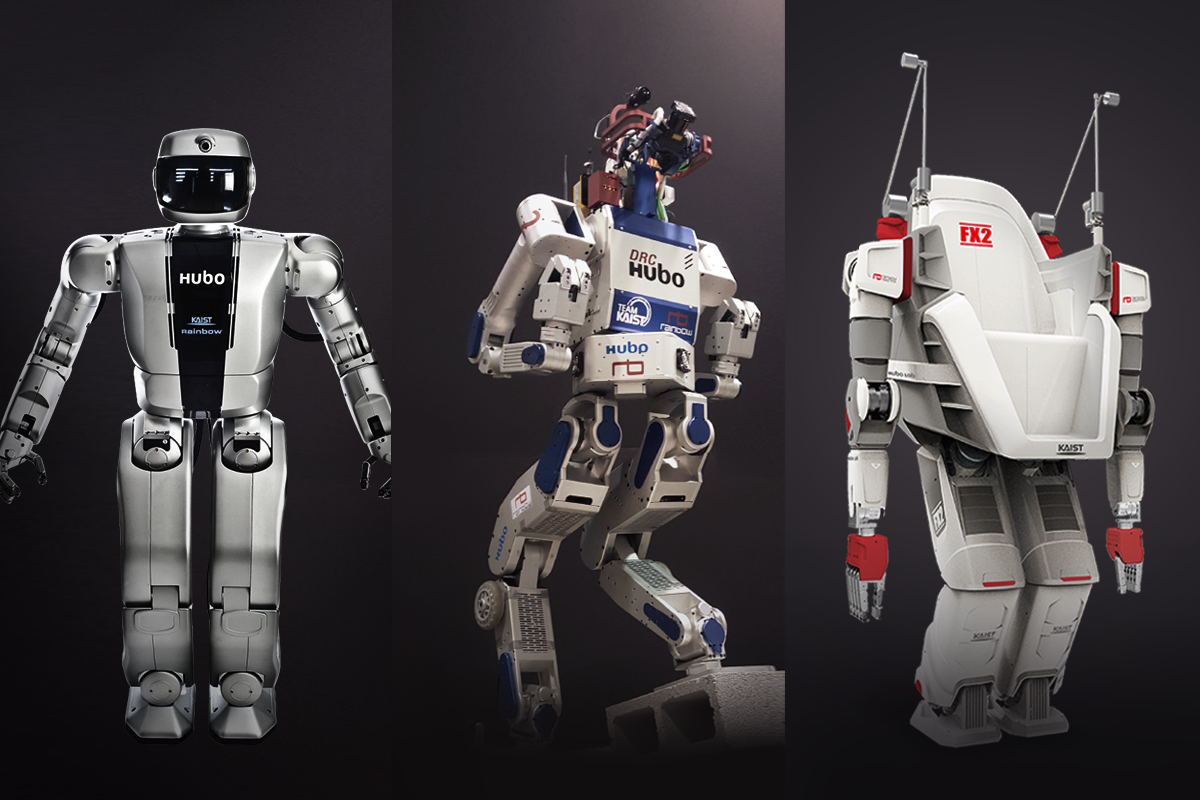
The HUBO2 (KHR-4) was the second-generation bipedal humanoid robot developed by the Hubo Lab at the Korean Advanced Institute of Science and Technology (KAIST), succeeding the original KHR-3 HUBO. First built in 2010, it introduced a lighter, more modular design with 40 degrees of freedom and custom frameless motors. In 2011, Rainbow Robotics was spun out from KAIST to commercialize the platform, selling the improved HUBO2+ variant to institutions like Drexel University (which purchased 7 units), Google, and the Institute for Infocomm Research Singapore. The HUBO platform gained international recognition when a modified DRC-HUBO won the DARPA Robotics Challenge finals in 2015, demonstrating stair climbing and manipulation in disaster-response scenarios. After that success, KAIST and Rainbow Robotics shifted focus to newer platforms like the HUBO FX-2, and HUBO2 production ended. Today, the HUBO2 remains a historically significant research platform, with some used units still in academic labs.
Buying Used — What to Check
Check actuator health Custom frameless brushless motors and harmonic reducers are expensive and difficult to source replacements; verify all joints move freely and without play.
Verify battery condition Lithium-polymer batteries degrade over time; a 1-hour runtime may be significantly reduced in older units; budget for replacement.
Confirm software stack Units originally shipped with proprietary HUBO software; later ROS packages exist but may require integration effort — ensure all drivers are available.