Boston Dynamics has not publicly disclosed pricing for the Electric Atlas. As a prototype, no units are sold commercially. Industry estimates suggest a potential price of $370,000–$450,000, but this is unconfirmed. Contact Boston Dynamics for partnership inquiries.
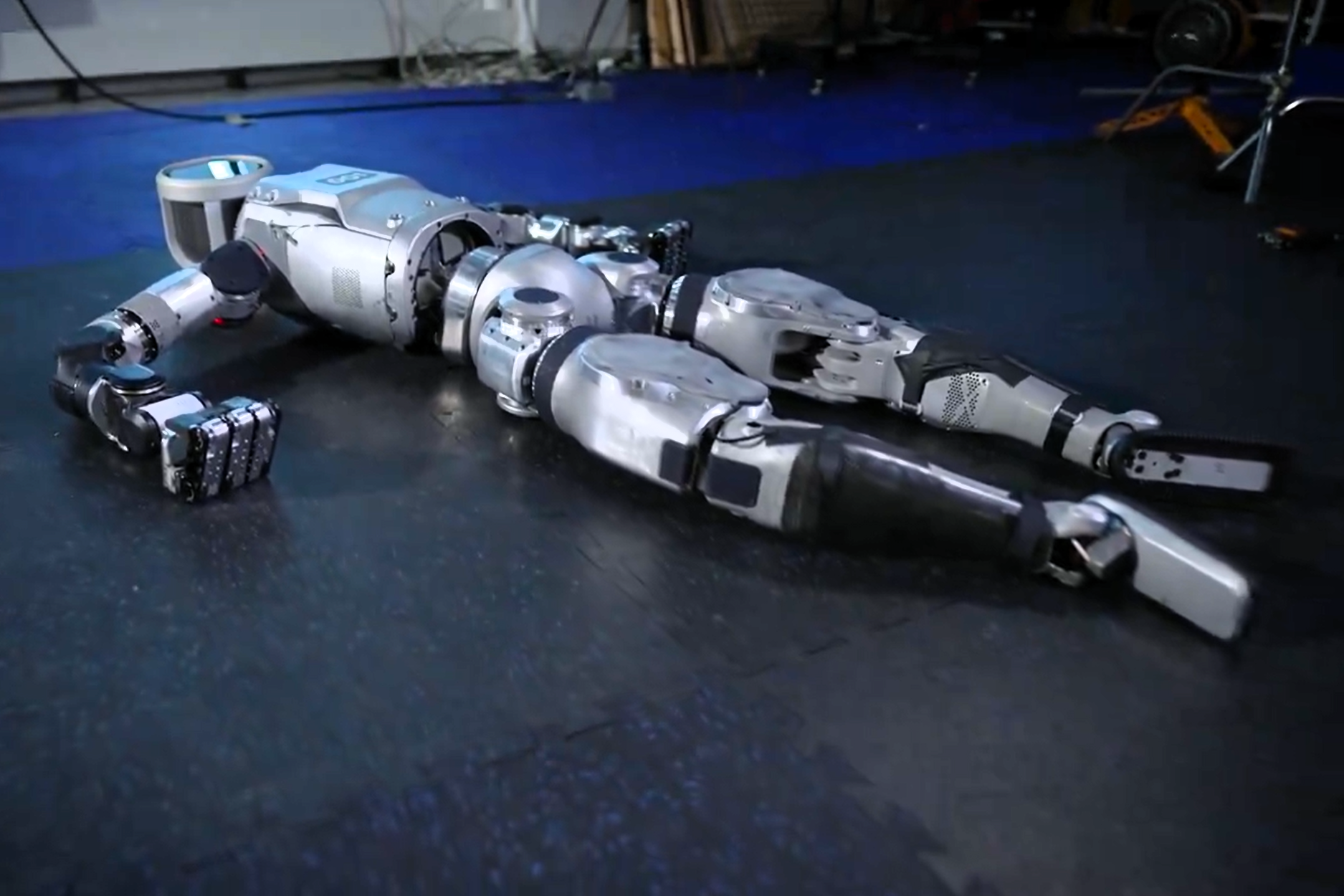
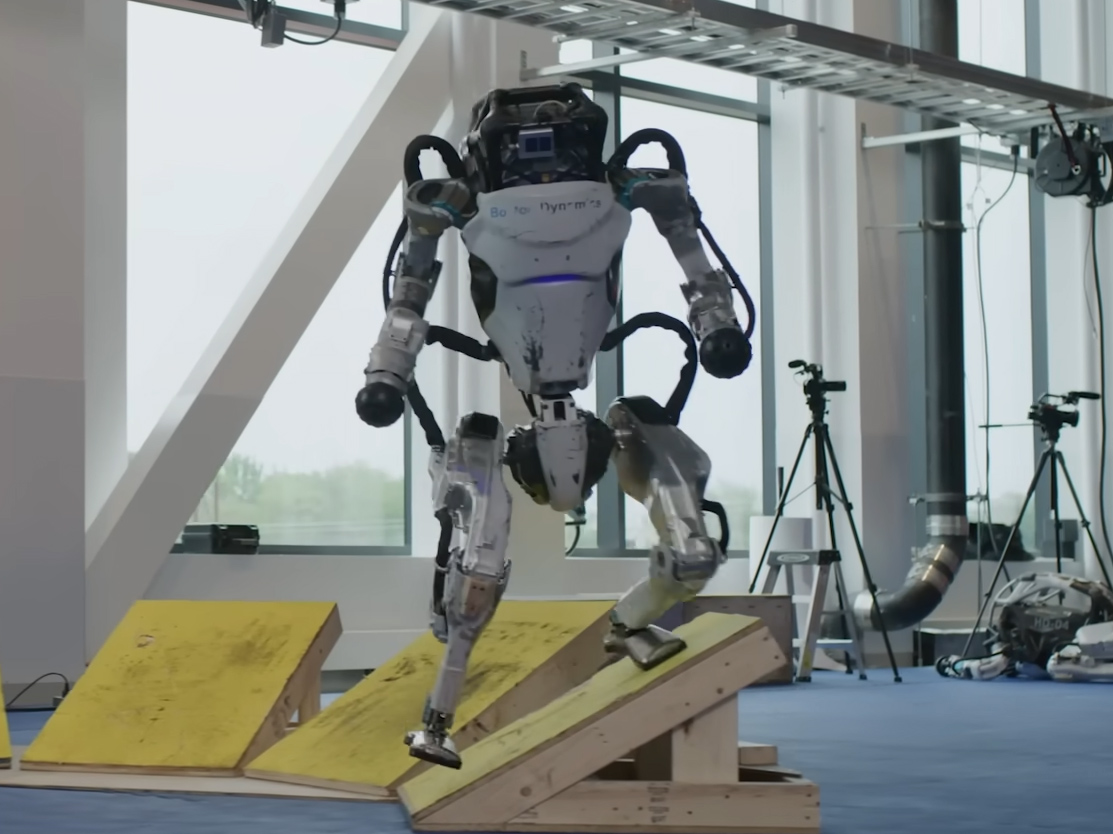
The Electric Atlas demonstrates advanced bipedal mobility: walking, running at up to 9 km/h, jumping, and self-righting from prone positions. It has 28 degrees of freedom, a 360-degree rotating head, and can perform parkour-like maneuvers. Manipulation is limited to a single hand with 1 DOF and 11 kg standing payload, suitable for light tool use.
No, the Electric Atlas is not available for purchase. It is a research prototype; all production units through 2026 are allocated to strategic partners like Hyundai and Google DeepMind. There is no timeline for general market availability.
Atlas Electric focuses on extreme locomotion agility, while Tesla Optimus Gen 2 emphasizes dexterous hands and AI-driven task learning. Atlas has proven parkour capabilities; Optimus is early in development but targets human-like manipulation. Neither robot has a confirmed price or public availability.
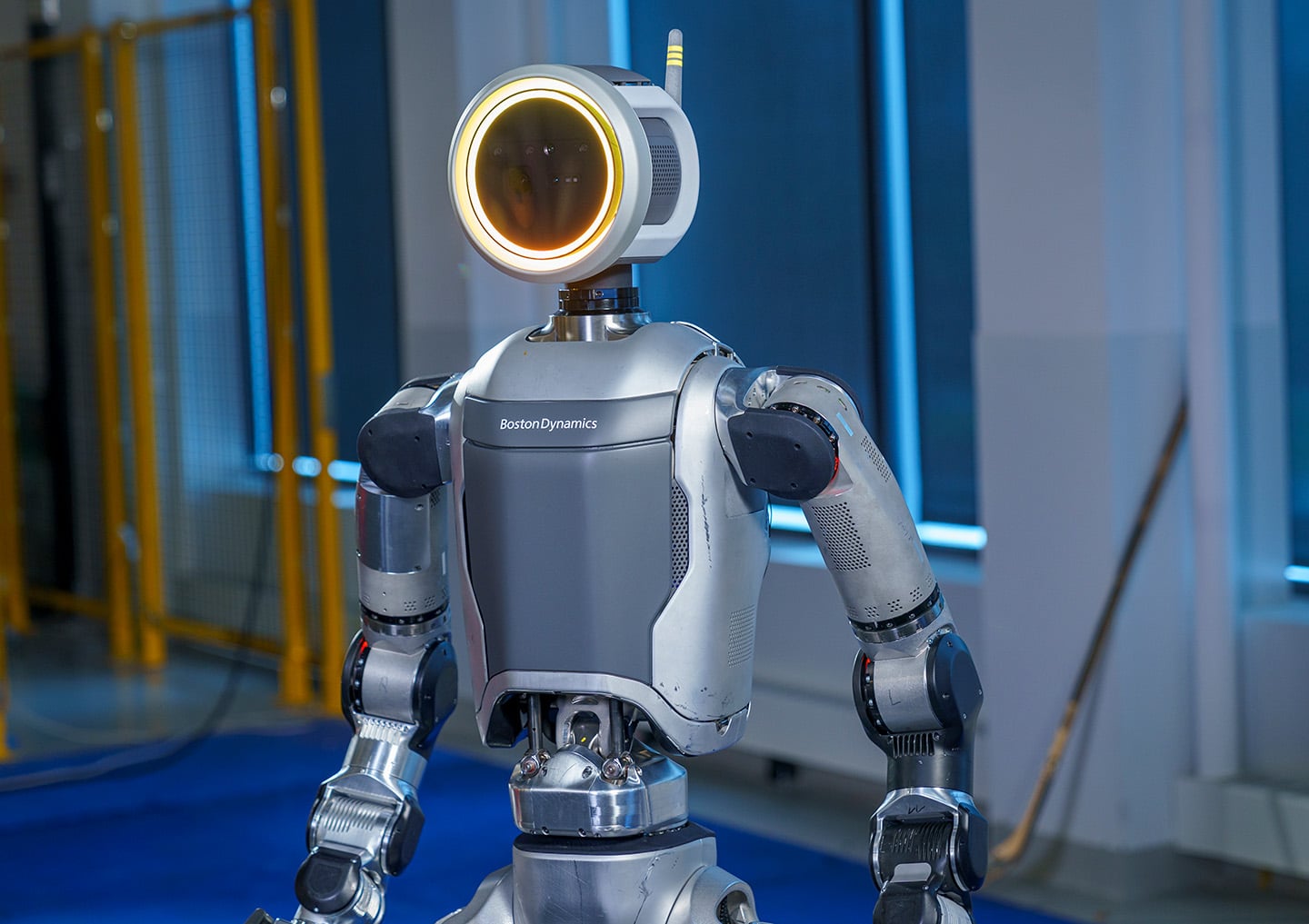
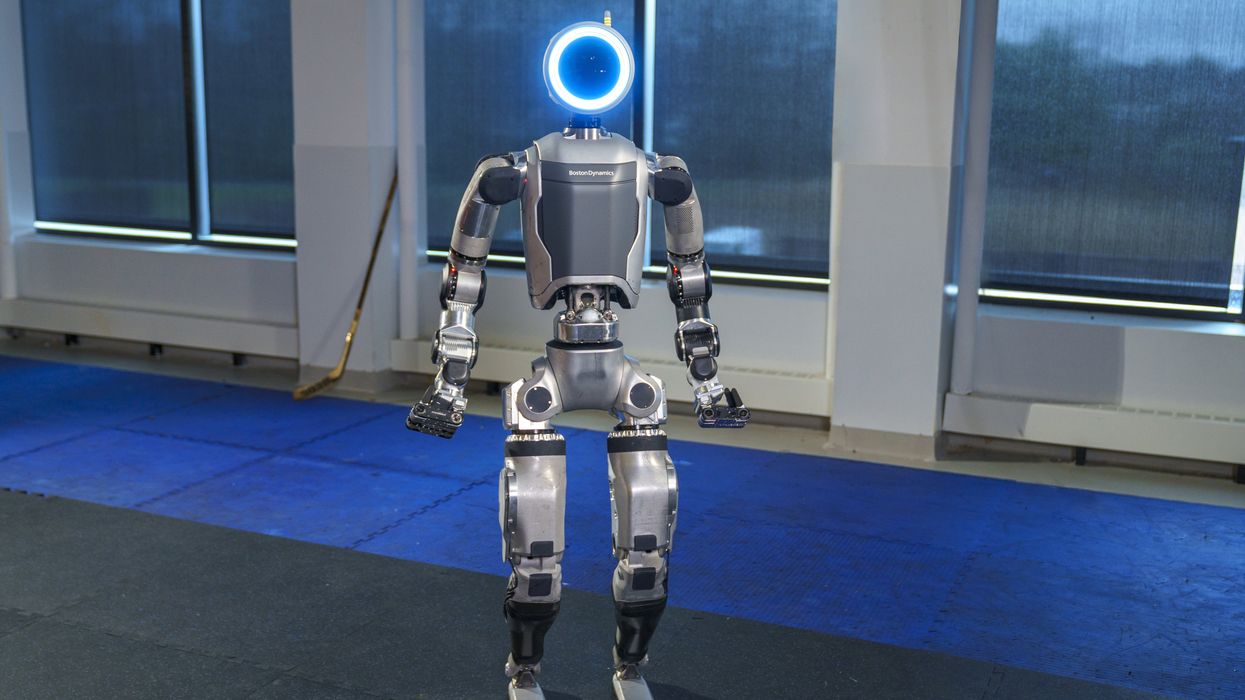
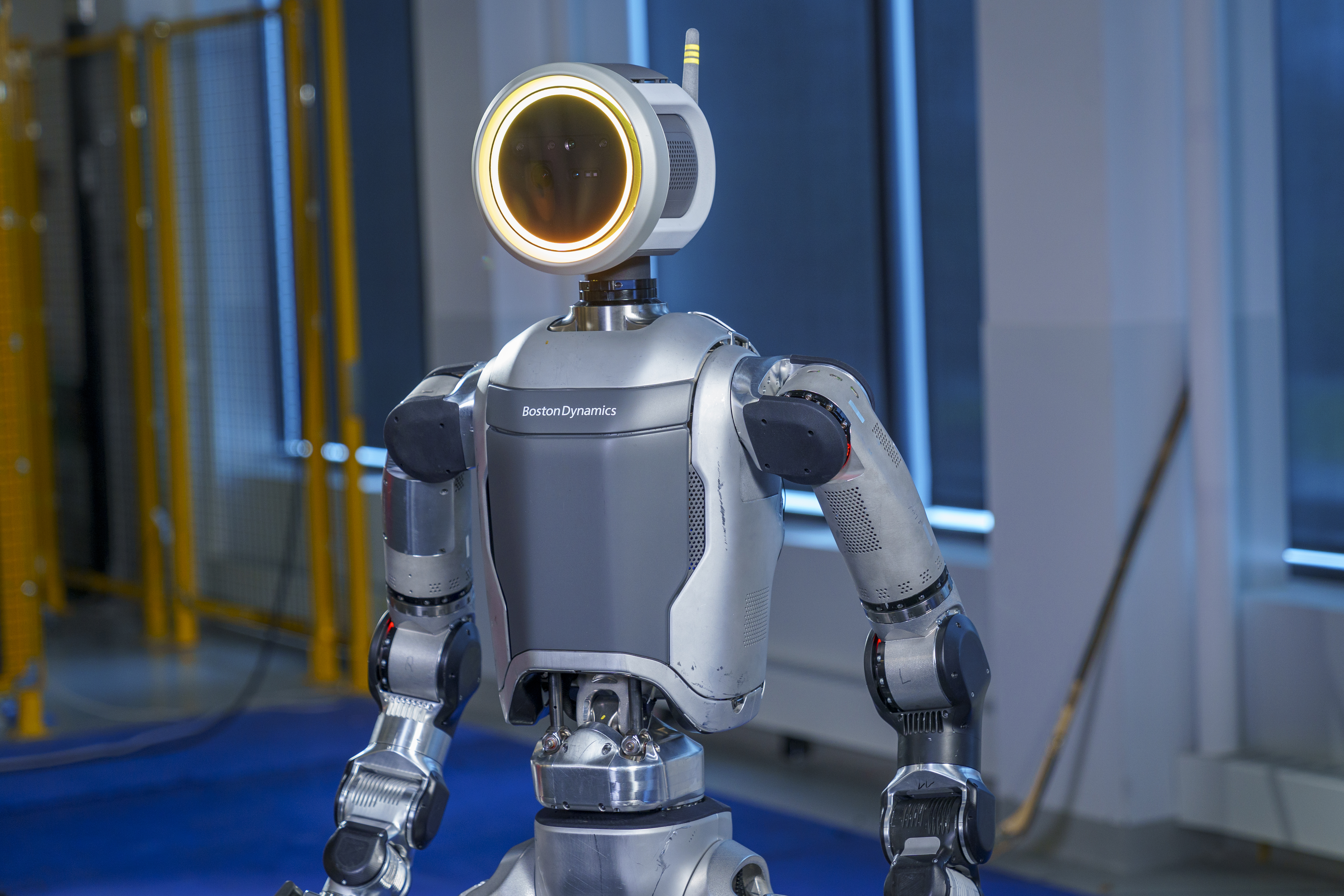
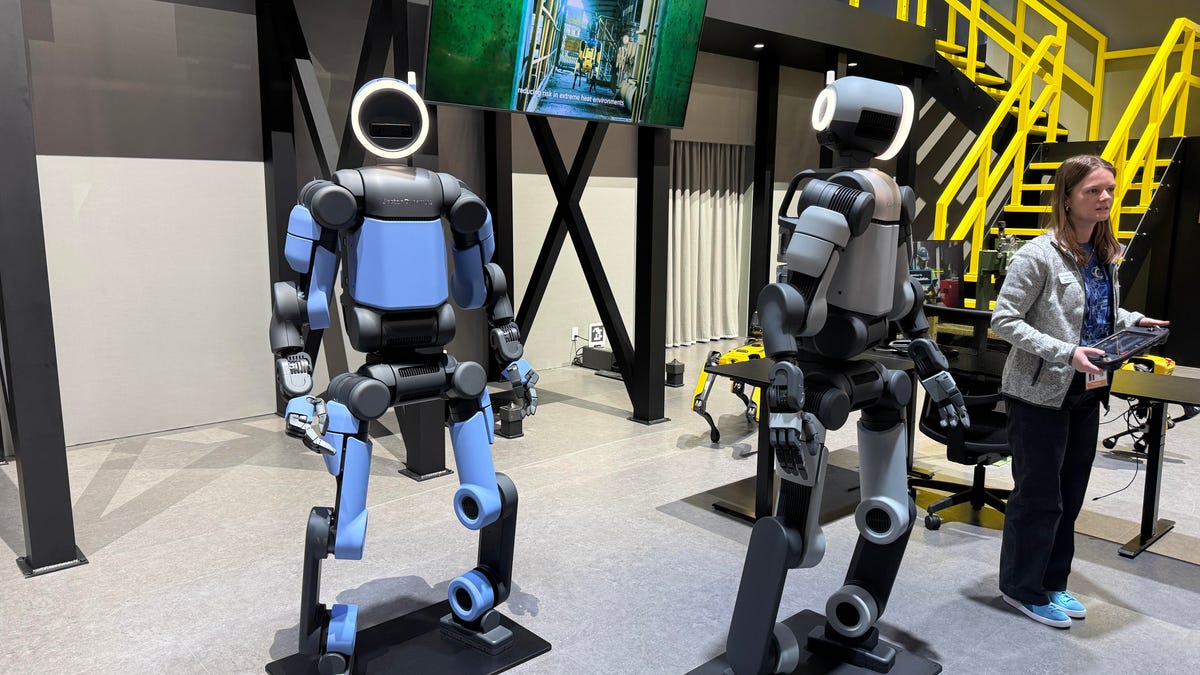
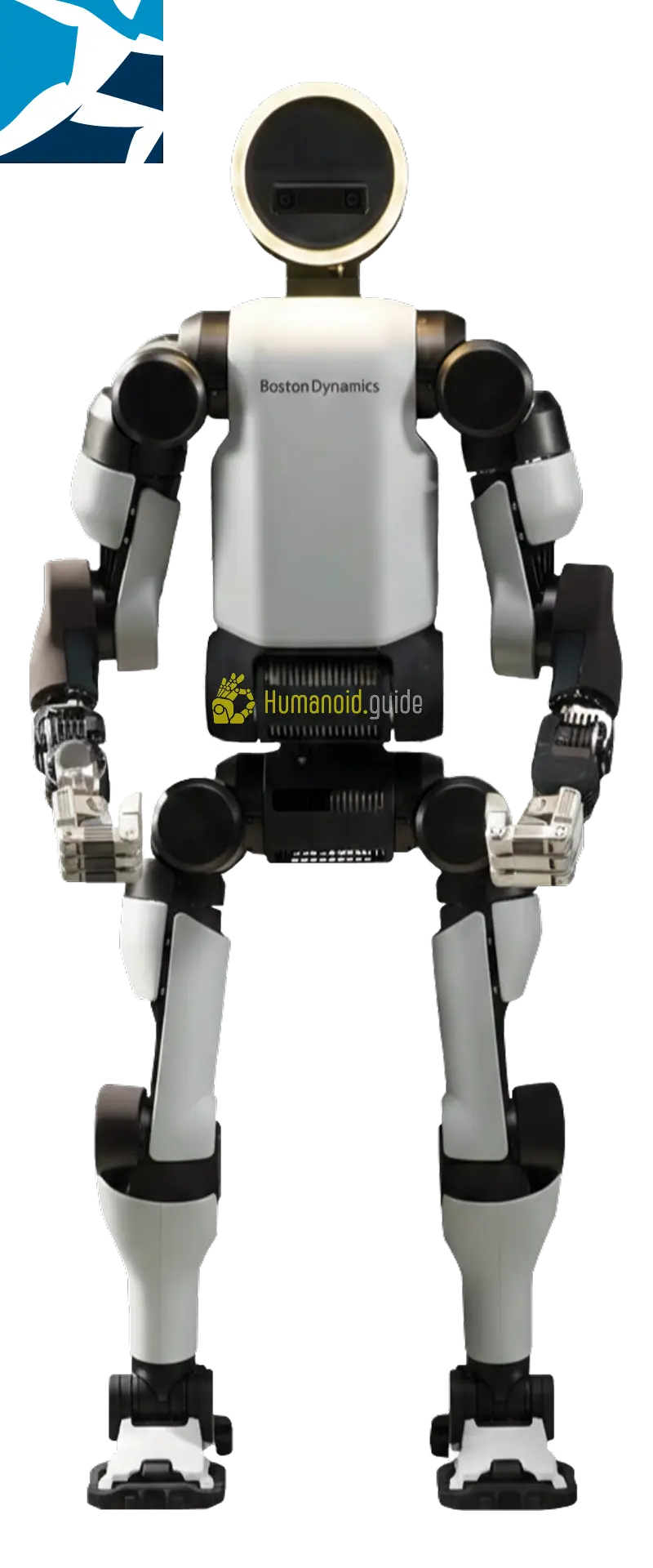
Height: 1.67 m, weight: 89 kg, degrees of freedom: 28, battery life: 1 hour, max speed: 9 km/h, payload: 11 kg (standing). It uses electric actuators, lidar, RGB and depth cameras, and an IMU. It features a 360-degree head and extreme joint flexibility.
Boston Dynamics, an American robotics company founded in 1992 by Marc Raibert, headquartered in Waltham, Massachusetts. It is now owned by Hyundai Motor Group.
The battery provides approximately 1 hour of operation, similar to the hydraulic version. Charging time and whether the battery is hot-swappable have not been disclosed. Heavy use may reduce runtime further.
Currently, none—it is a prototype used only by research partners. Future target industries include industrial automation, logistics, and advanced manufacturing, where humanoid mobility could add value.
No, Boston Dynamics does not offer leasing or rental programs for the Electric Atlas. All units are for internal and partner research only.
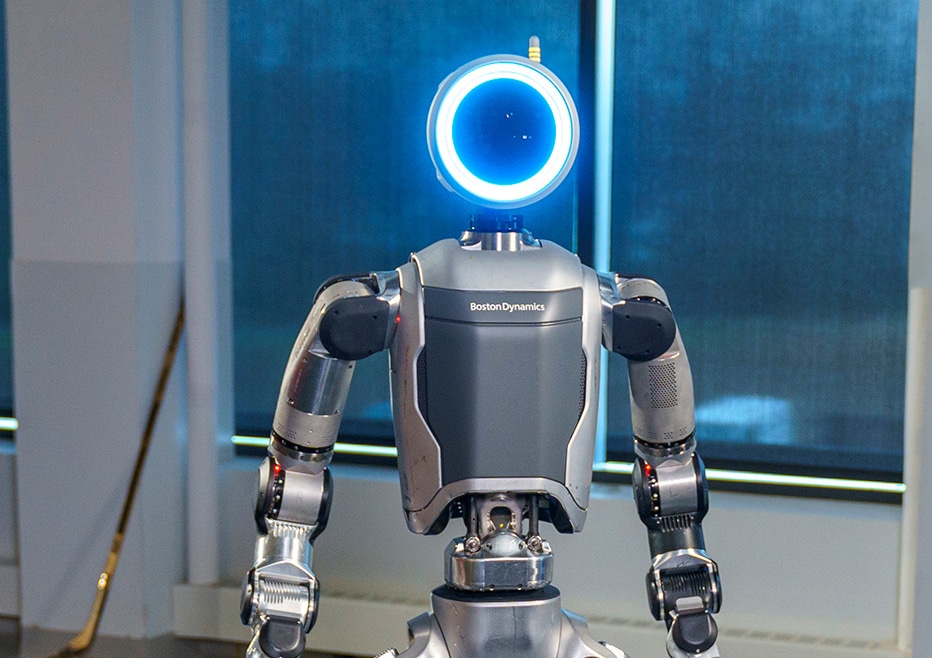
The electric Atlas is completely redesigned: it is quieter, stronger, and uses electric actuators instead of hydraulics, improving efficiency and reducing fluid leaks. It has a 360-degree rotating head, extreme joint flexibility (including 180-degree leg rotation), and a sleeker form factor. Battery life and payload are similar, but the electric version targets commercial use.