HD Atlas was never sold commercially. Research partnerships provided access at an estimated unit cost in the millions of dollars, but no public price list existed.
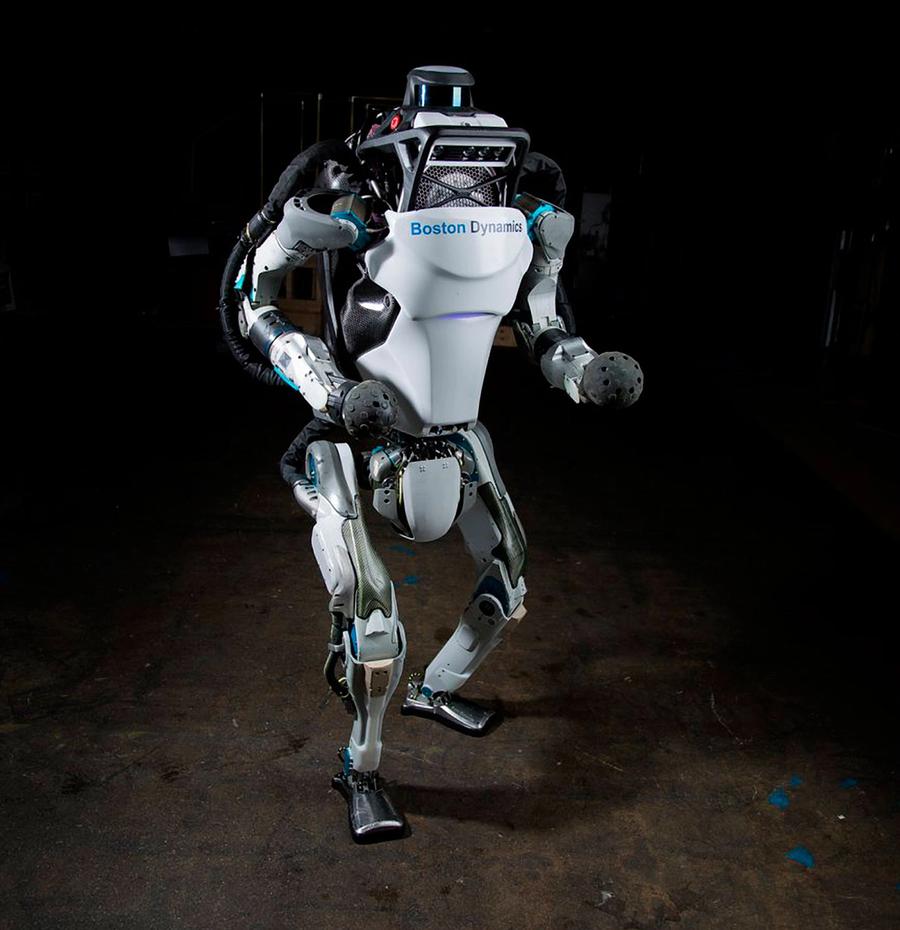
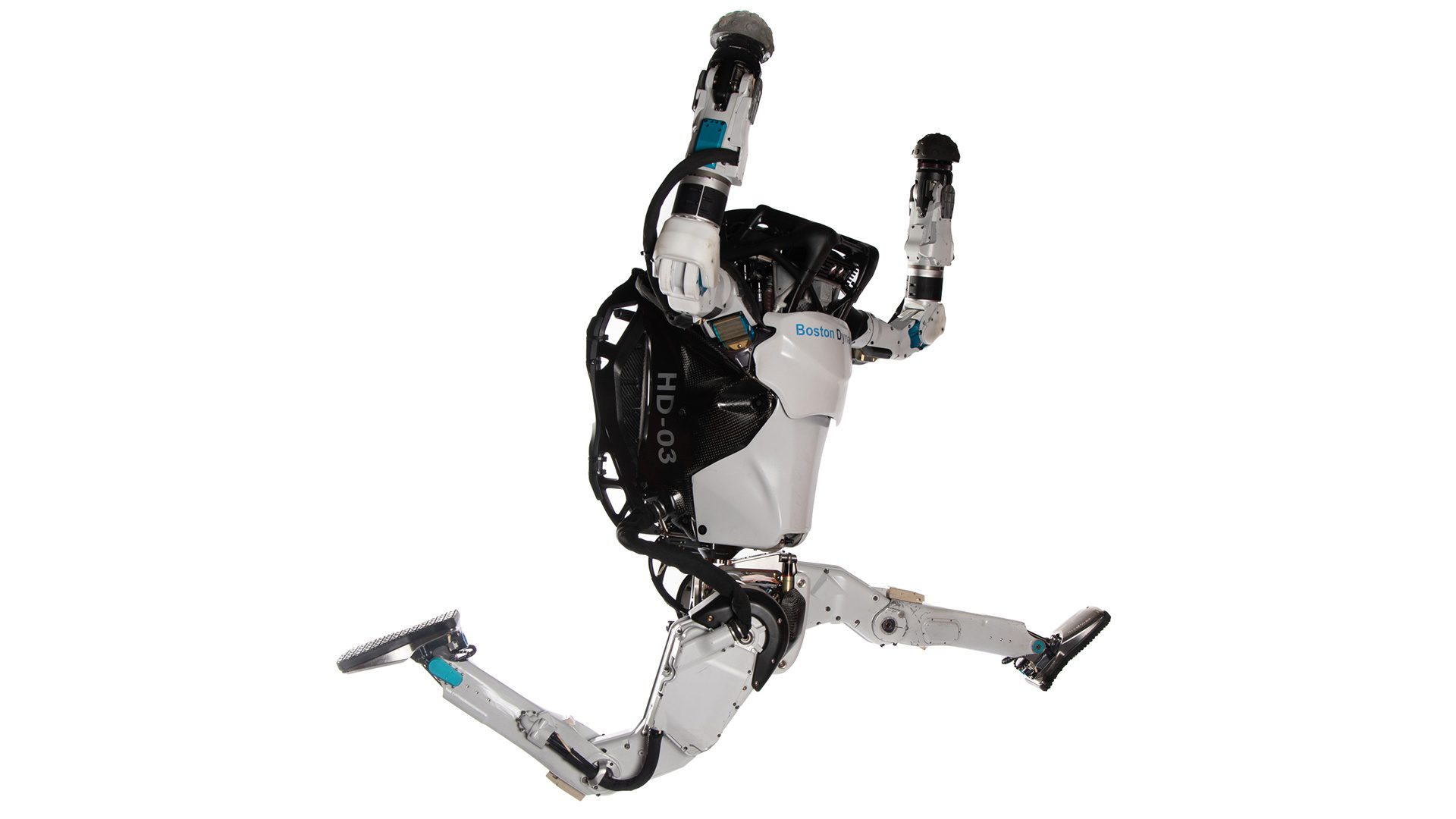
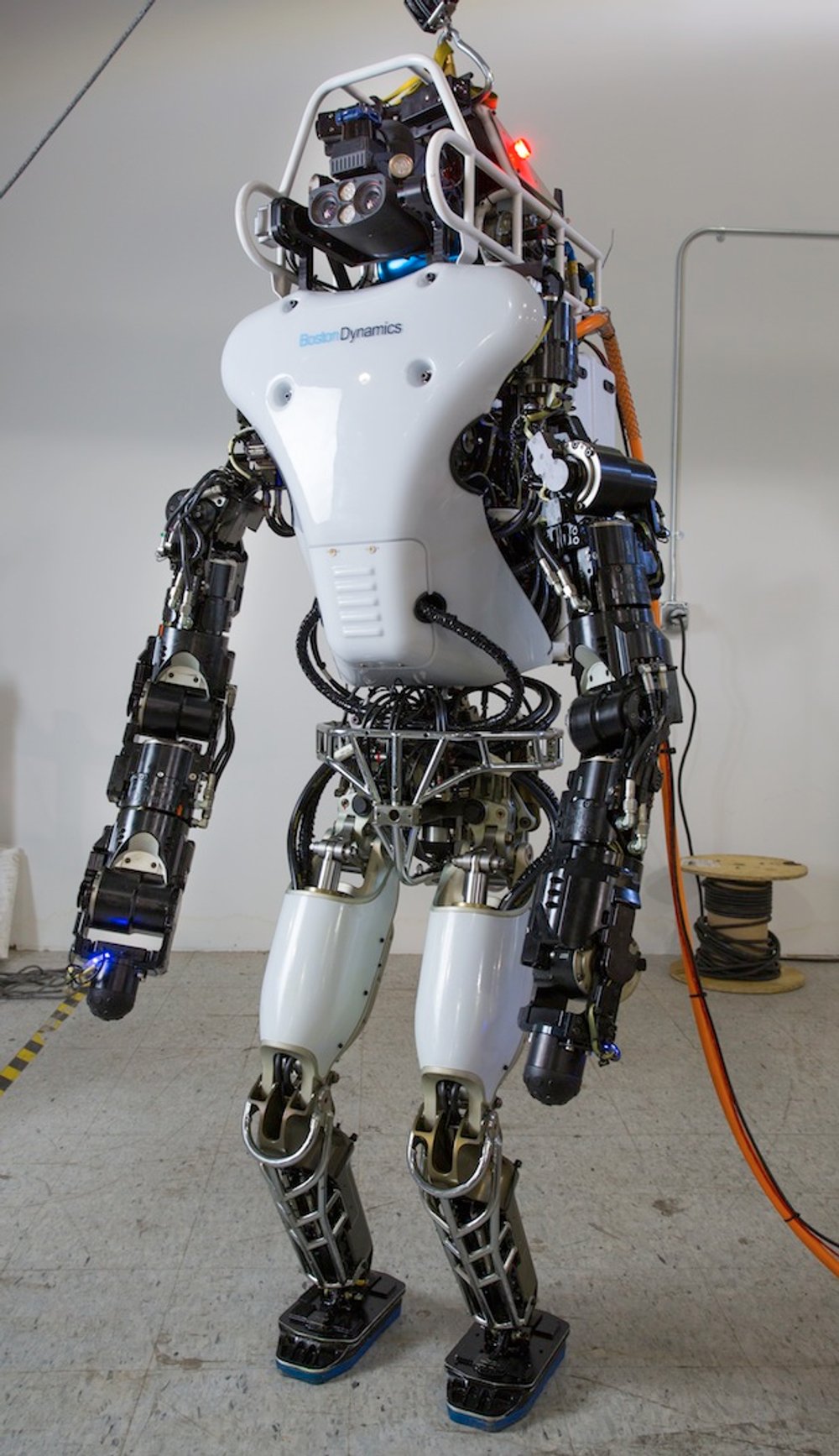
It could perform backflips, parkour jumps, walk over uneven terrain, climb stairs, and manipulate simple objects like valves and doors. Its dynamic mobility set a new standard for humanoid robots.
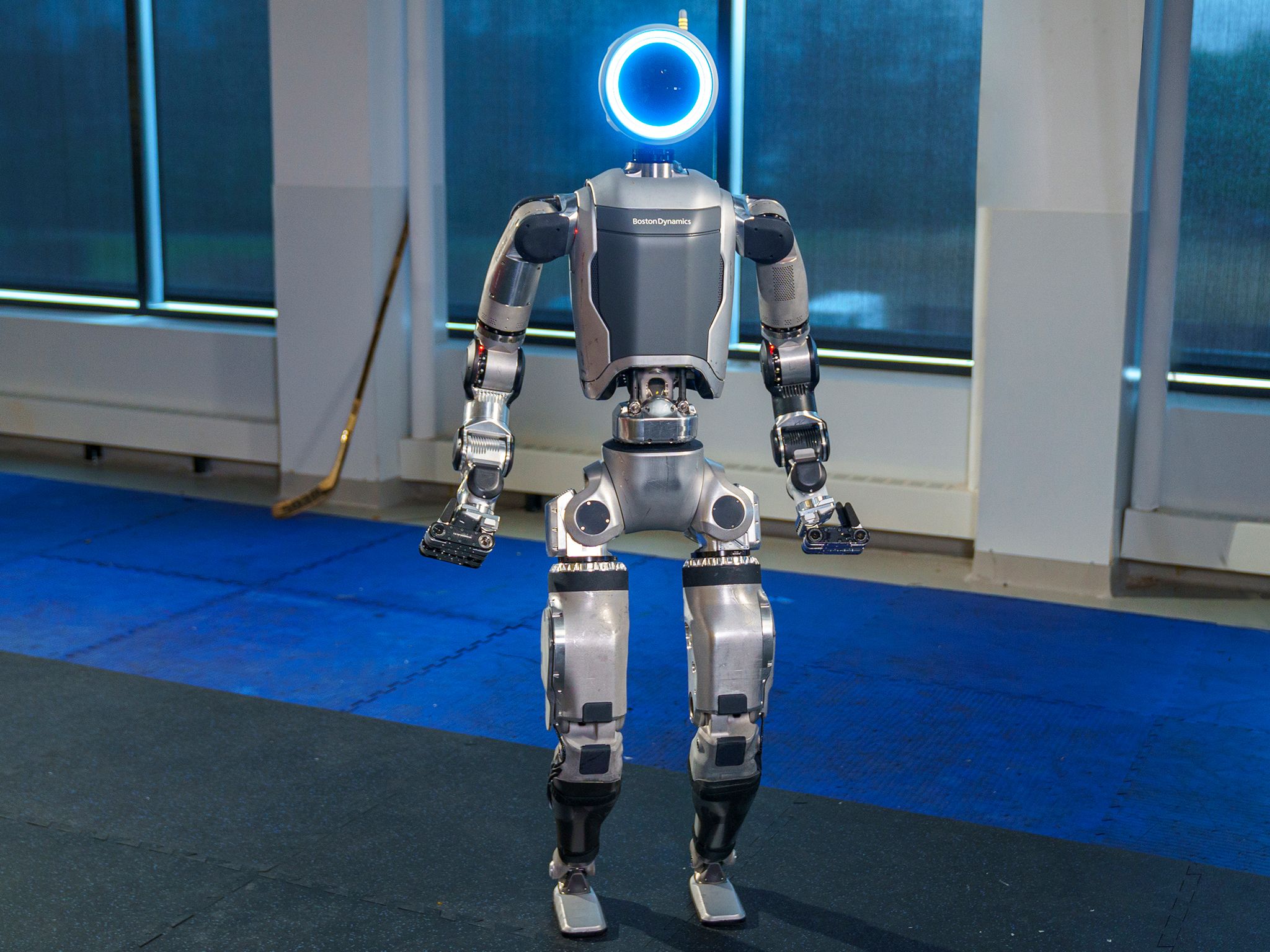
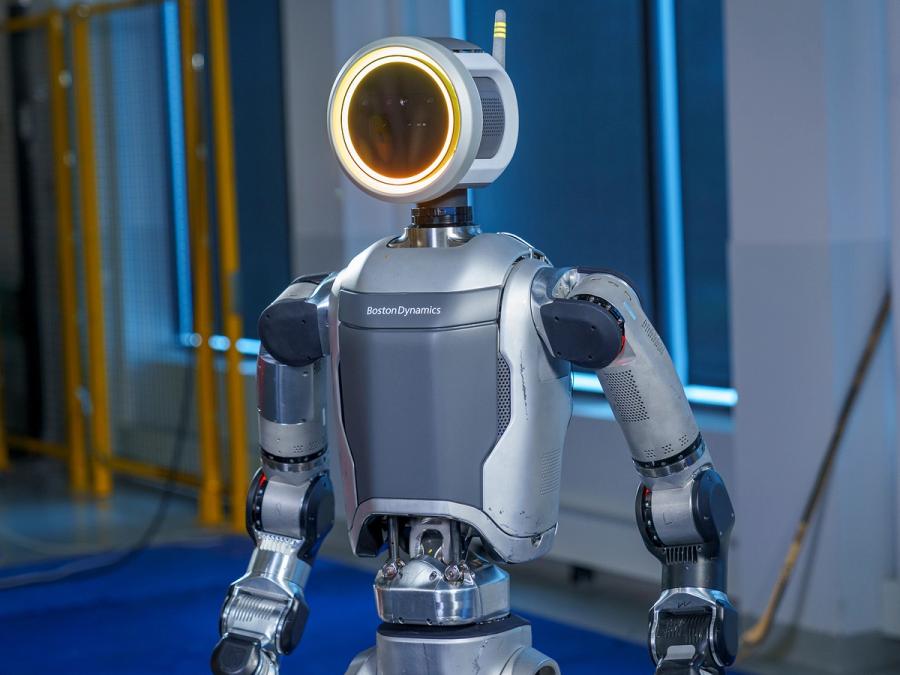
No. The hydraulic HD Atlas was retired in April 2024 and replaced by an all-electric Atlas. No new or used units are officially sold.
HD Atlas was a hydraulic research platform with extreme agility; Tesla Optimus is electric, designed for factory work and mass production. Optimus is lighter and cheaper to maintain but still in development.
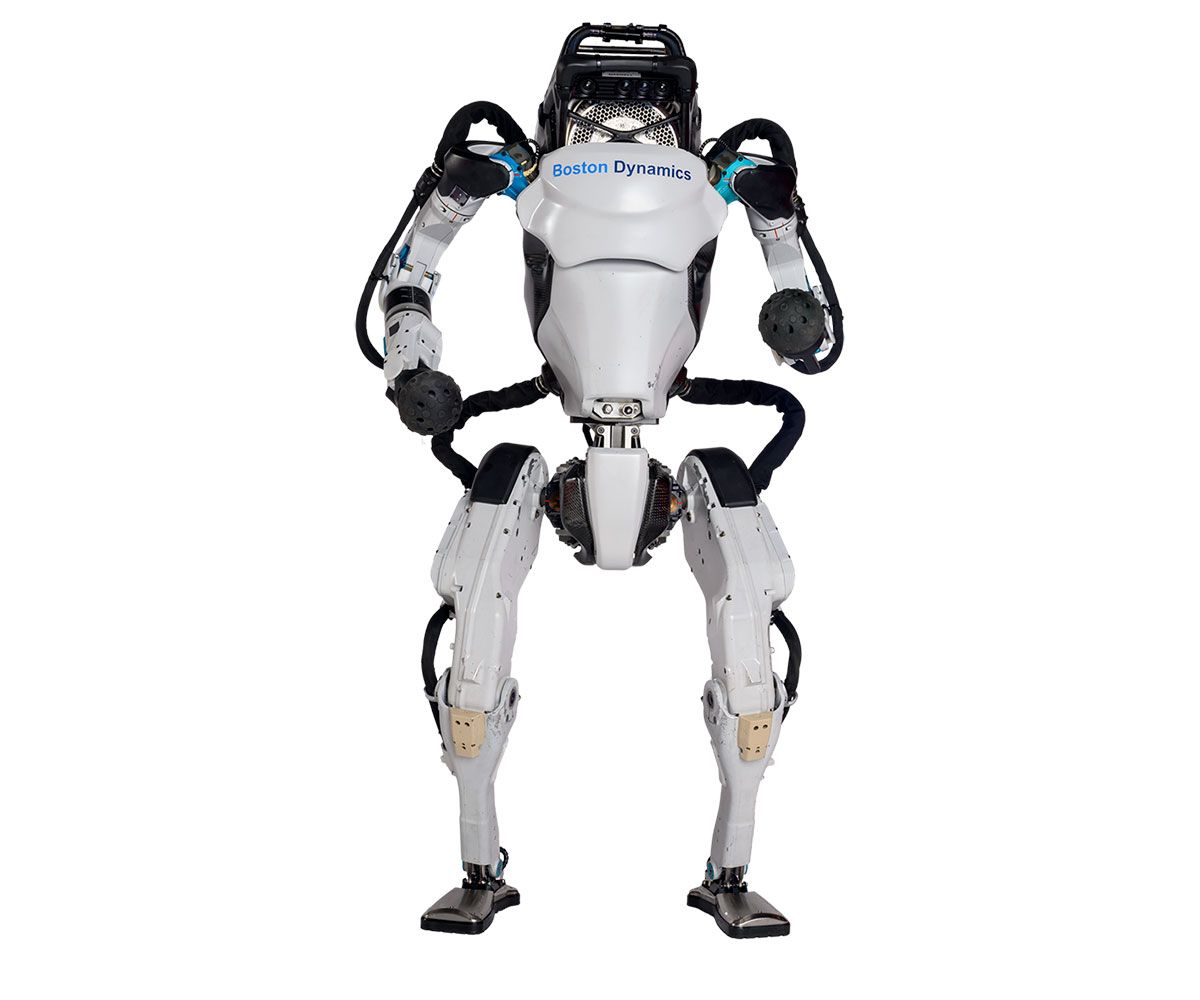
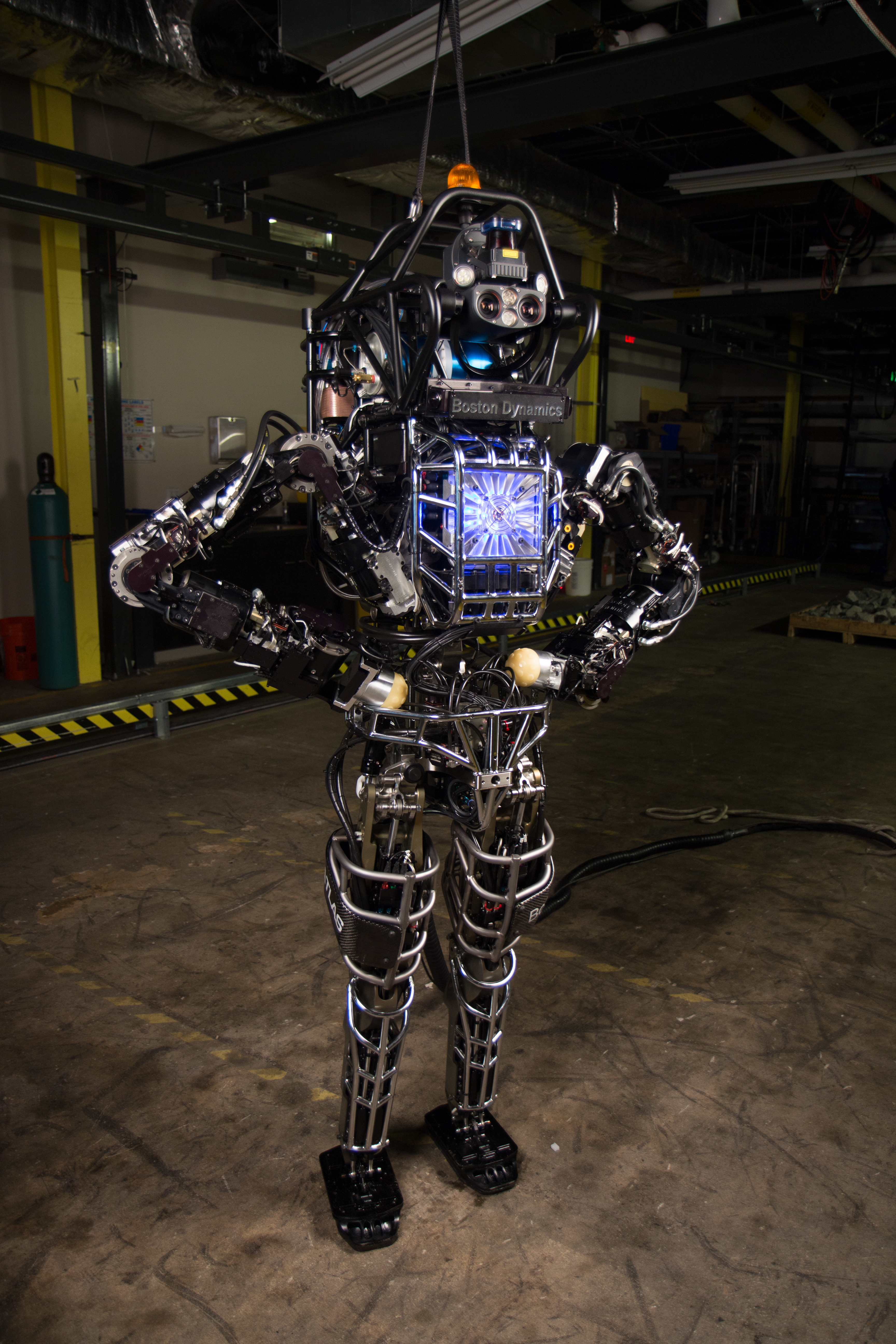
Height 150 cm, weight 89 kg, 28 DOF, 1-hour battery, maximum speed 7.92 km/h, arm payload 4.5 kg. It used hydraulic actuation and a 48V pump.
Boston Dynamics, founded in 1992 in Waltham, Massachusetts, USA. The company is now a subsidiary of Hyundai Motor Group.
Approximately 1 hour of dynamic operation. Early versions required a safety tether, but the HD model operated from an onboard 48V battery pack.
Primarily research and development, defense research, and disaster response prototyping. It was never deployed in commercial industries.
Hydraulic technology limited its practicality: it was noisy, leaked fluid, and required heavy maintenance. Boston Dynamics shifted to electric actuation for the next-generation Atlas to improve commercial viability.