EngineAI SA01 — 가격, 사양 및 리스팅 — Specs, Price & Where to Buy (2026)
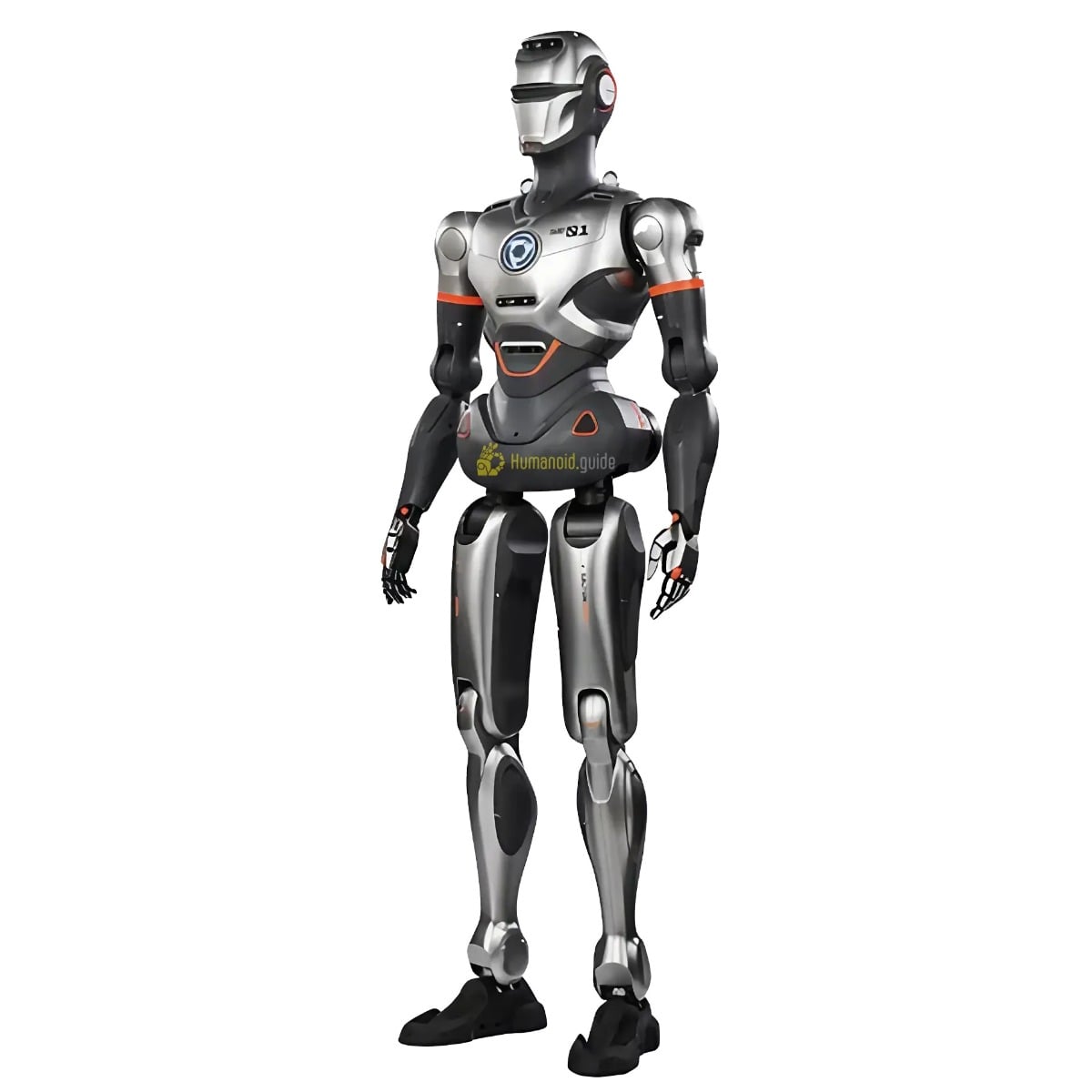
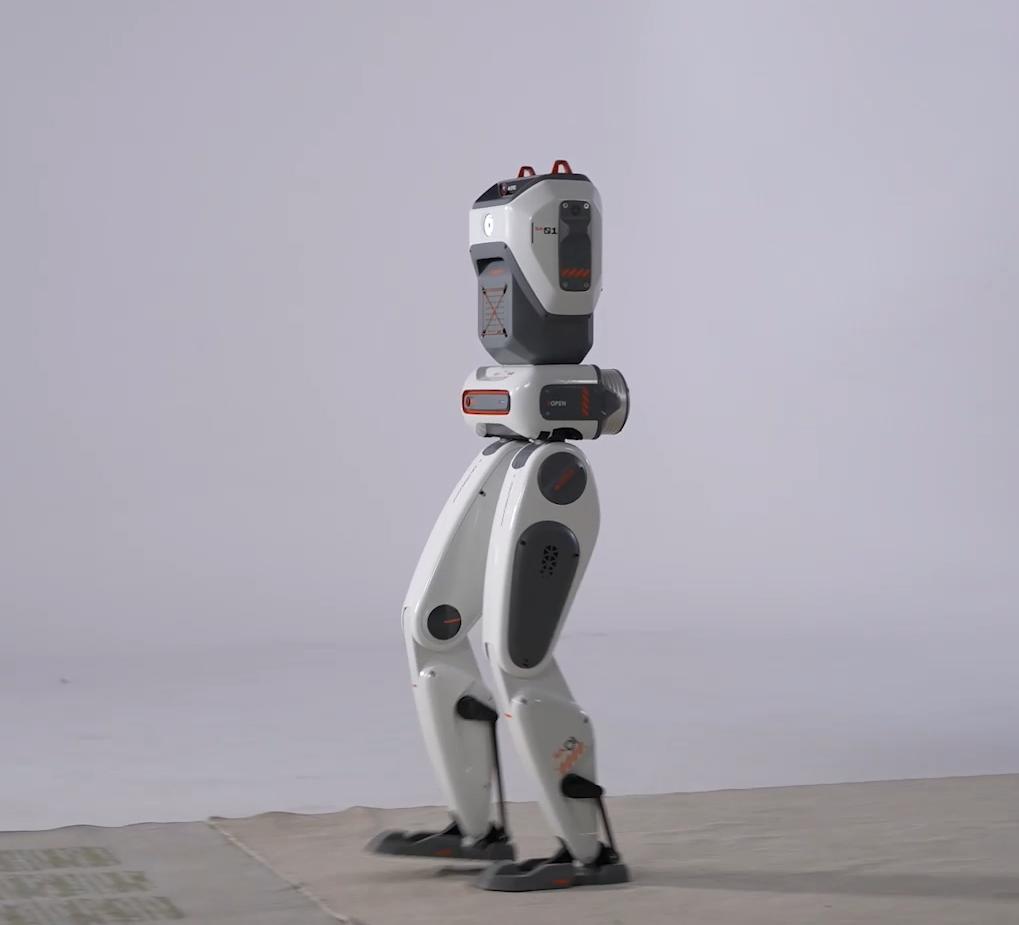
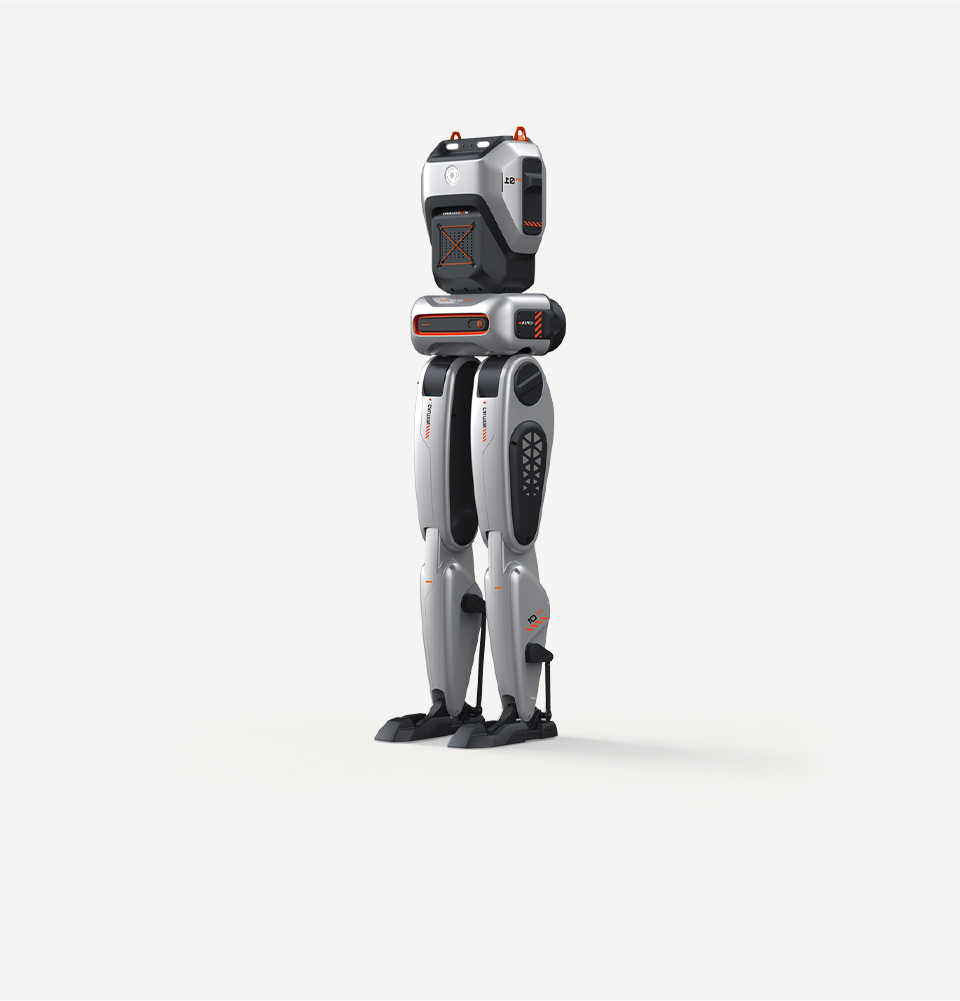
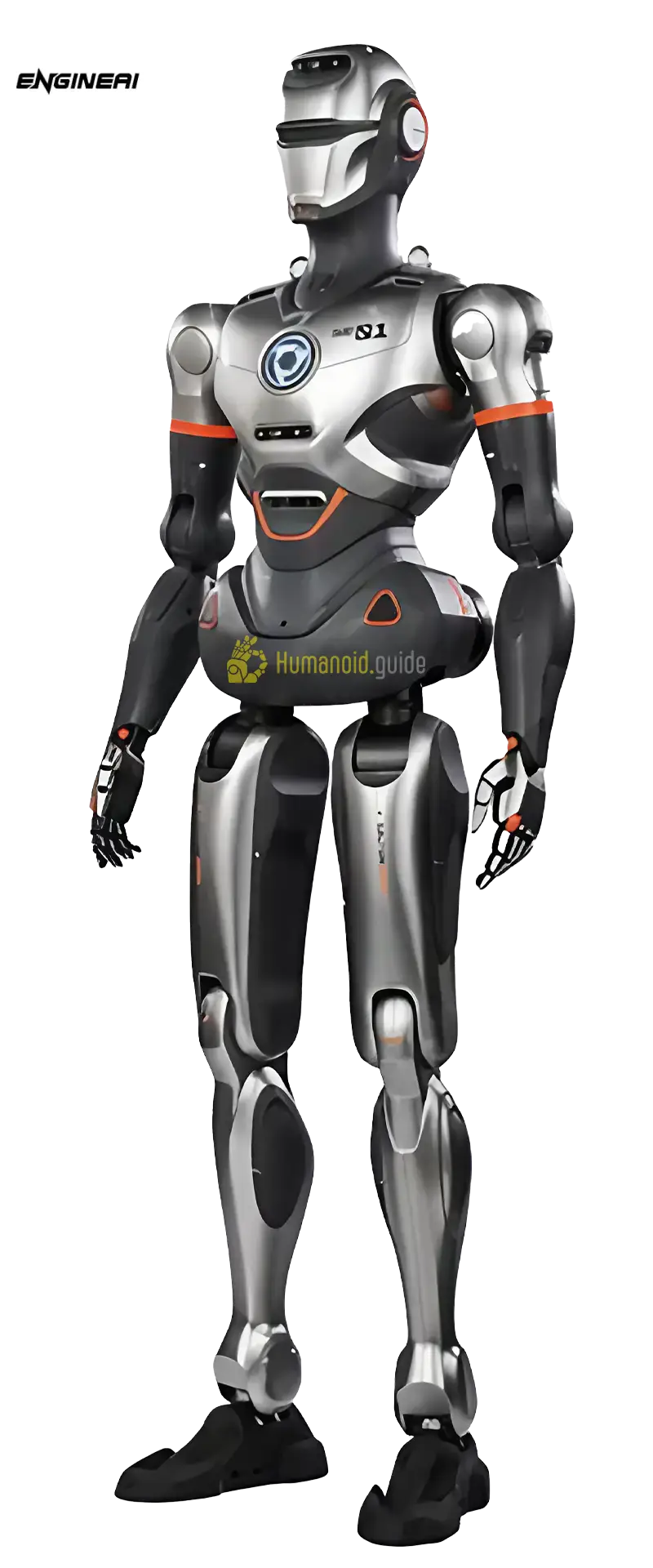
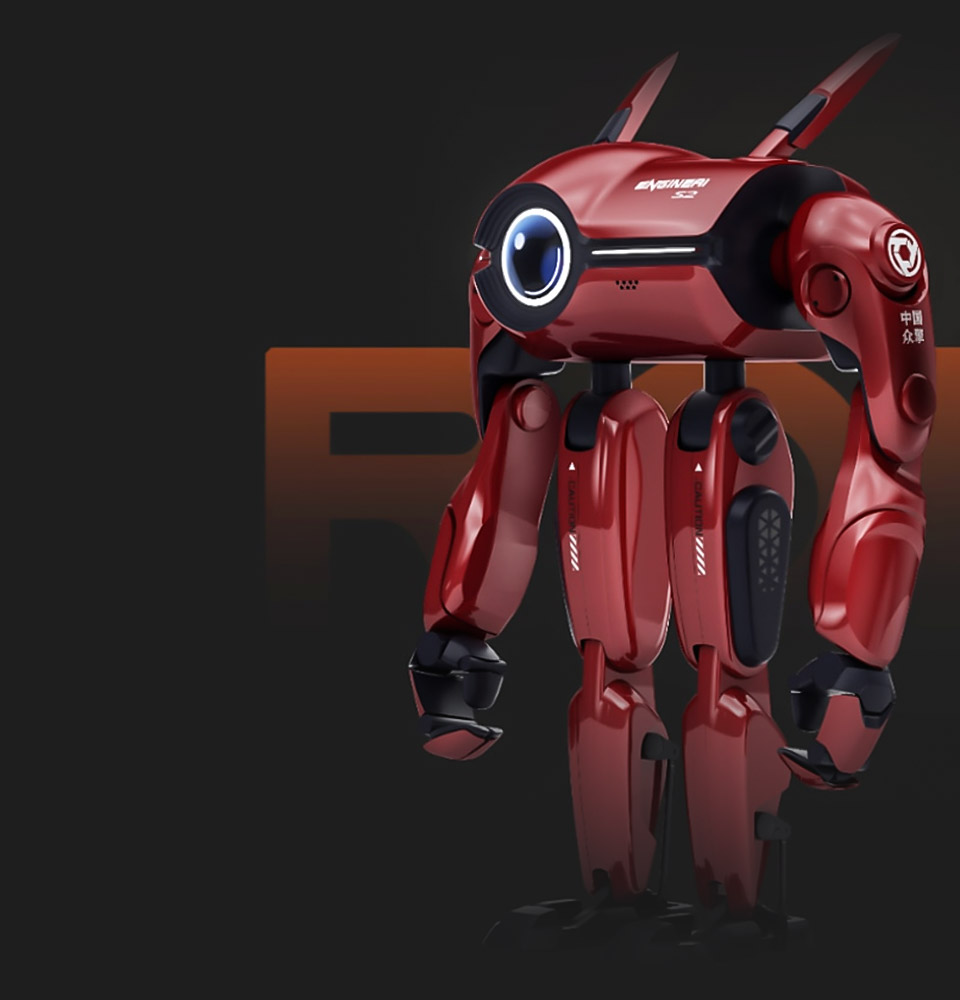
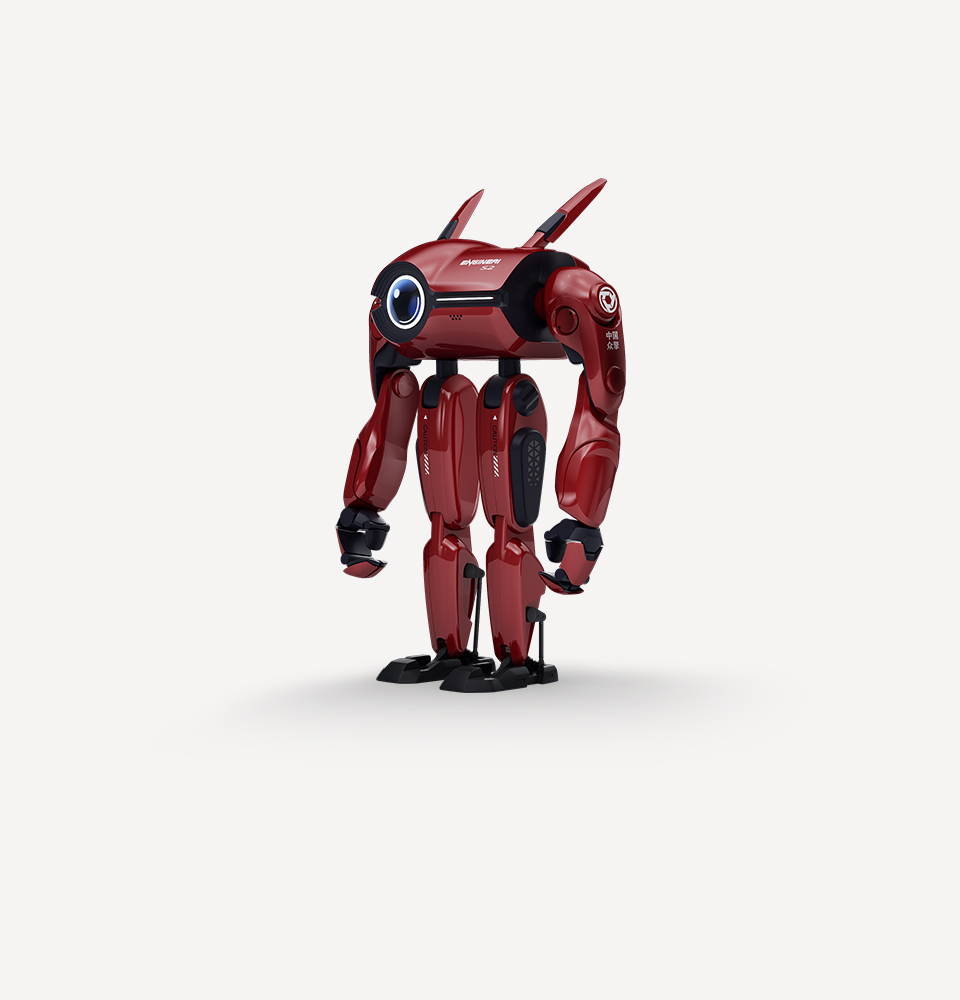
SA01은 EngineAI의 오픈소스 교육·연구용 이족보행 휴머노이드 로봇입니다. EngineAI 라인업에서 엔트리 레벨 플랫폼으로 — 회사와 옵서버들이 설명하는 '로봇 공개 플랫폼'입니다.
💰가격
$1,500 – $1,900
📅최초 제작
2025
🌍출신
CN
📏높이
39 cm
⚖️무게
3.5 kg
🦾자유도
19
🏃최고 속도
1.1 km/h
📦적재량
Not officially published
🔋배터리
1.5 hours
🛒가용성
구매 가능
SA01은 EngineAI의 오픈소스 교육·연구용 이족보행 휴머노이드 로봇입니다. EngineAI 라인업 내에서는 엔트리 레벨 플랫폼으로, 회사와 옵서버들에 의해 "로봇 공개 플랫폼"으로 설명되며, 보행, 강화 학습, 체화된 지능을 연구하는 대학, 연구소, 개인 개발자를 대상으로 합니다.
가격 및 구매 가능성
SA01은 EngineAI의 가장 저렴하고 접근성 높은 휴머노이드로 포지셔닝되었습니다. SA01 / PM01 / SE01 / T800 라인 중 교육용 티어입니다. EngineAI는 SA01의 "상대적으로 통제 가능한" 가격과 개방형 알고리즘/제어 코드를 강조합니다. 정확한 현재 가격은 EngineAI에 직접 확인해야 하며, SA01은 PM01 및 SE01과 함께 CES 2025에서 처음 공개되었습니다.
기준
수치
포지셔닝
엔트리 레벨, 교육 중심, 오픈소스 플랫폼
가격
EngineAI의 최하위 티어 휴머노이드; 직접 확인 필요
구매 가능성
구매 가능; CES 2025 데뷔
사양
EngineAI는 SA01을 상세한 소비자 사양 시트보다는 주로 개방형 연구/교육 플랫폼으로 제공합니다. 알려진 특징: EngineAI 자체 개발 조인트와 엔드투엔드 신경망 접근 방식을 기반으로 한 이족보행 휴머노이드로, 개방형 훈련 및 제어 코드(ROS 호환, 시뮬레이션 지원)와 타사 센서 및 핸드를 위한 확장 가능한 하드웨어 I/O를 갖추고 있습니다. 보행, 인지, 인간-로봇 상호작용, 전신 제어에 관한 교과 과정 및 연구를 대상으로 합니다. 구매자는 정확한 치수, 자유도, 배터리 수치를 EngineAI에 직접 요청해야 합니다.
모델 구성
SA01은 EngineAI 휴머노이드 제품군의 교육 및 연구용 엔트리 포인트입니다. 제품군은 SA01(교육/연구) → PM01(경량 고동적 개방형 플랫폼) → SE01(정사이즈 플래그십) → T800(중공업용) 순으로 진행됩니다.
구매 가이드: 알아야 할 사항
SA01은 학습 플랫폼이 우선입니다. 휴머노이드 로보틱스에 입문하는 대학, 연구소, 개인 개발자(배포가 아닌 알고리즘 및 제어 연구)를 위해 설계되었습니다.
오픈소스가 핵심 가치입니다. 개방형 알고리즘/제어 코드와 시뮬레이션 지원은 SA01을 교육 및 실험 도구로 만듭니다.
저렴한 엔트리 티어입니다. 플래그십 예산 없이 연구를 시작하는 것이 목표라면, SA01은 EngineAI가 의도한 온램프입니다. 하지만 정확한 사양과 가격은 직접 확인하세요. EngineAI 문서가 가볍기 때문입니다.
SA01 vs 유사 로봇
SA01 vs EngineAI PM01 / SE01: 동일 제품군 — SA01은 엔트리 레벨 교육 플랫폼이고, PM01과 SE01은 점진적으로 더 강력합니다.
SA01 vs AgiBot Lingxi X1: 둘 다 대학과 개발자를 대상으로 한 오픈소스 교육/연구용 휴머노이드입니다.
SA01 vs Unitree G1: 둘 다 연구 플랫폼으로 사용되며, G1은 더 확립되고 기능이 풍부한 제품입니다.
The new price is $1,999 directly from EngineAI or authorized distributors. This includes the servo motors, control board, battery, fasteners, cables, and 3D model files, but not the optional Raspberry Pi 4 or the 3D‑printed structural parts (you print those yourself).
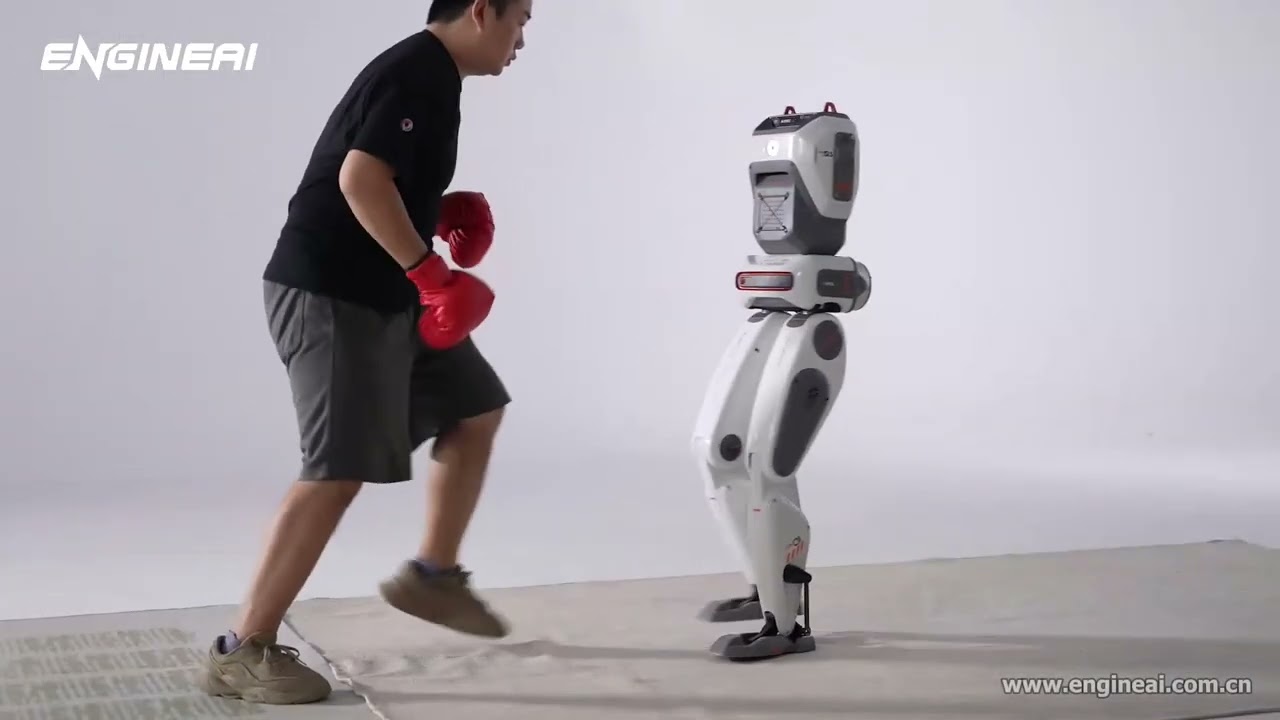
It can walk with gaits up to 1.1 km/h, perform simple manipulation (2‑finger grippers with 1 DOF per hand), pan its head, and execute ROS2‑based behaviors. Researchers use it for reinforcement learning of dynamic walking, obstacle avoidance with the optional ultrasonic sensor, and human‑robot interaction demos using a USB webcam. Its 19 DOF enable full‑body motion in a small footprint.
Yes, the SA01 is currently available for purchase. You can order it through EngineAI’s official website (engineai.com) or from robotics resellers like MERA Robotics. Lead times are typically a few weeks depending on your region, and the kit ships worldwide.
The SA01 ($1,999) has 19 DOF versus the Q1’s 16, and it runs an open‑source ROS2 stack on a Raspberry Pi, giving you full control over algorithms. The Q1 ($899) uses a closed‑source firmware and simpler microcontroller, limiting reprogrammability. The SA01’s 3D‑printed frame is customizable but less durable, while the Q1 uses injection‑molded plastic. Choose the SA01 for research flexibility, the Q1 for a lower‑cost, ready‑to‑run humanoid.
Height: 390 mm. Weight: 3.5 kg. Degrees of freedom: 19 (8 arms, 10 legs, 1 head, 2 hands). Battery: 7.4V LiPo 2000 mAh, providing about 1.5 hours of operation. Max speed: 1.1 km/h. Compute: optional Raspberry Pi 4 + ESP32 motor controller. Connectivity: Wi‑Fi 2.4 GHz, Bluetooth 4.2. Sensors: IMU (MPU6050), optional USB camera and ultrasonic sensor.
EngineAI (Shenzhen EngineAI Robotics Technology Co., Ltd.), founded in 2023 and headquartered in Shenzhen, China. The company rapidly expanded its humanoid lineup and debuted at CES 2025. They also produce the larger PM01 and the advanced SAO2.
The SA01 uses a swappable 7.4V 2000 mAh LiPo battery that provides roughly 1.5 hours of mixed walking and idle time. Actual runtime depends on gait speed and sensor load. Charging takes about 1.5–2 hours with a standard LiPo charger (not always included). Having a spare battery can extend lab sessions.
The robot is tailored for education and academic research. Universities deploy it in mechatronics and AI courses, while reinforcement learning labs use it for gait development. Some makerspaces and STEM outreach programs also adopt the SA01 for its low barrier to entry and community‑driven curriculum resources.