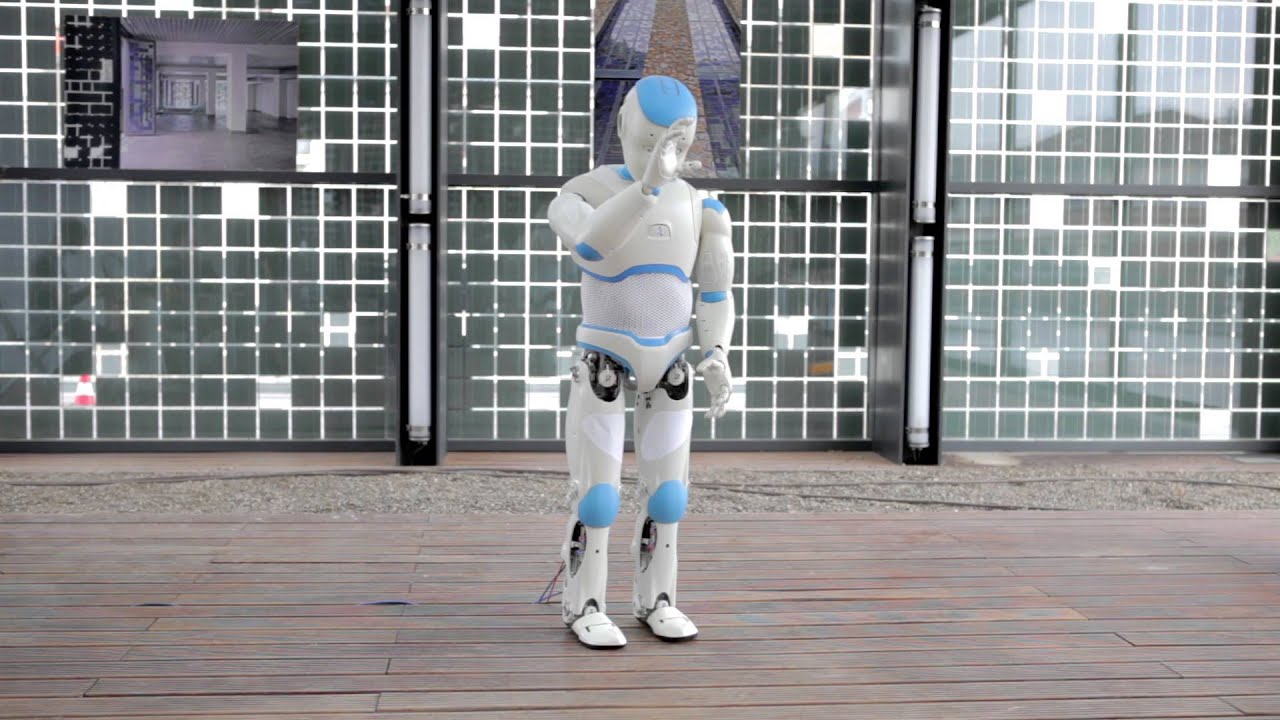
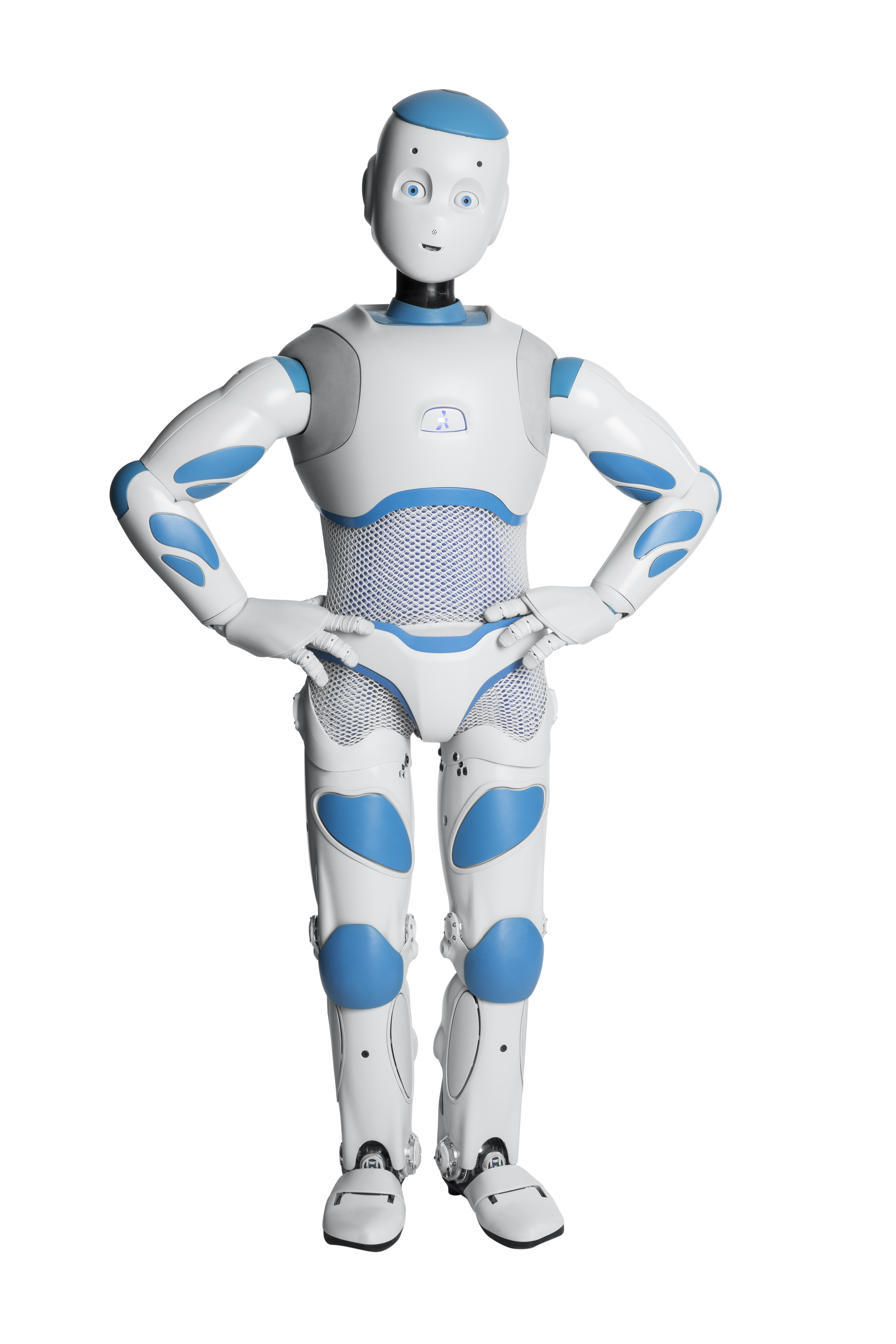
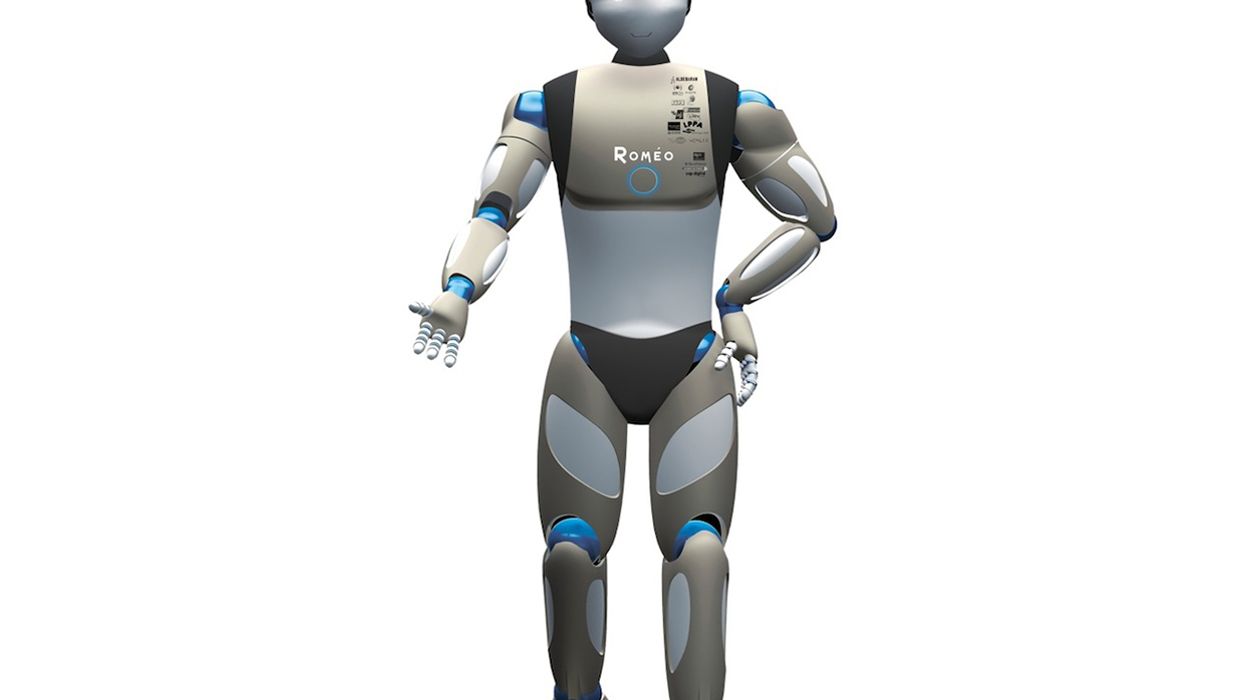
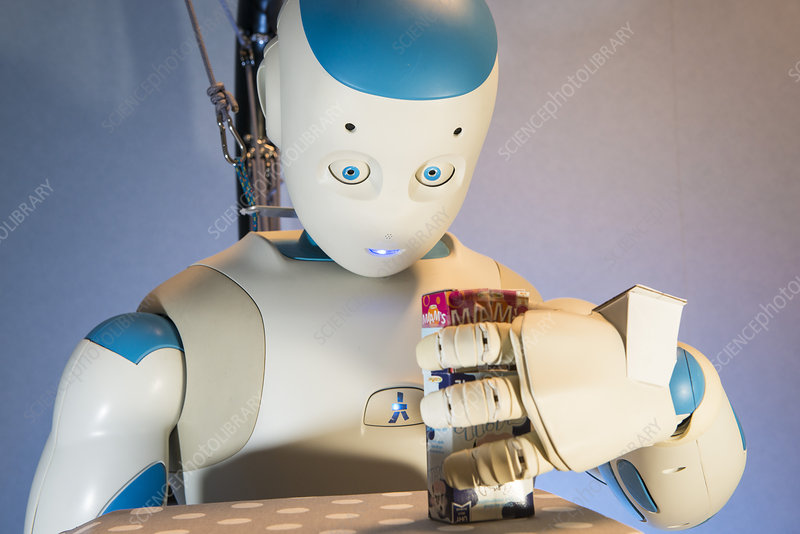
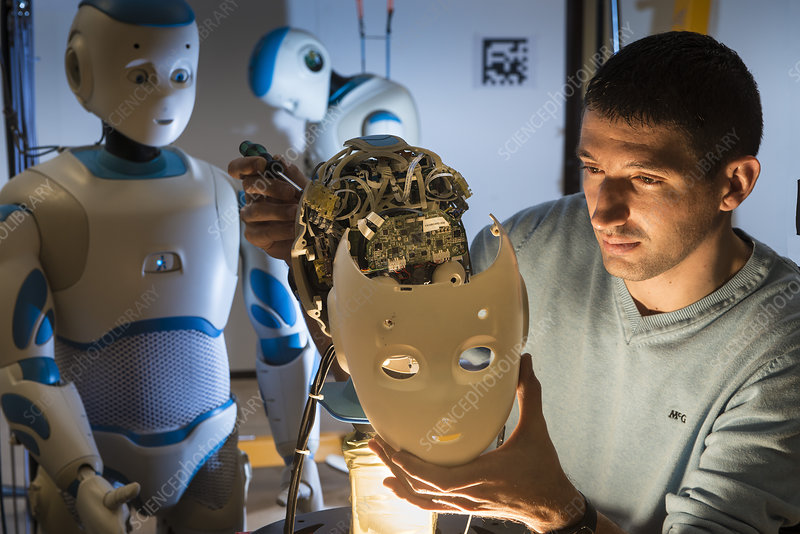
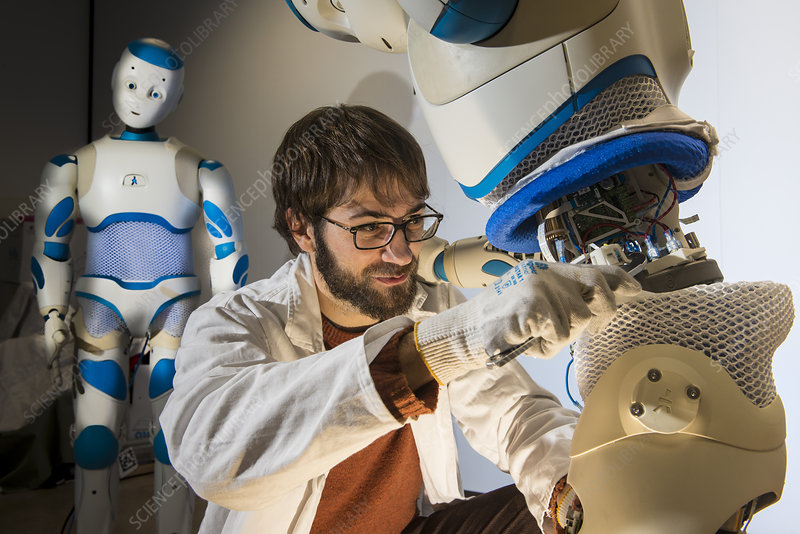
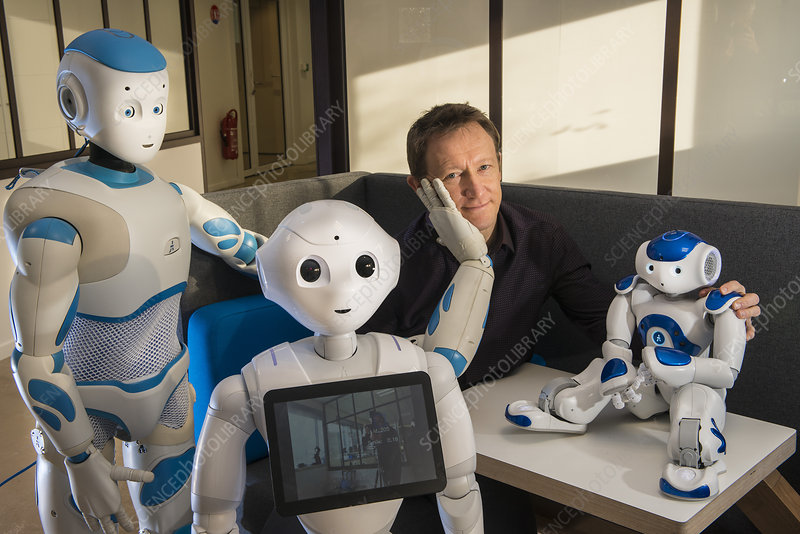
로미오는 알데바란(NAO 개발사)이 만든 전신 인간형 연구 로봇으로, 고령자 및 장애인 일상 지원을 목표로 했습니다.
💰가격
$80,000
📅최초 제작
2011
🌍출신
FR
📏높이
140 cm
⚖️무게
40 kg
🦾자유도
37
🏃최고 속도
Not published
🔋배터리
Not published
🛒가용성
단종
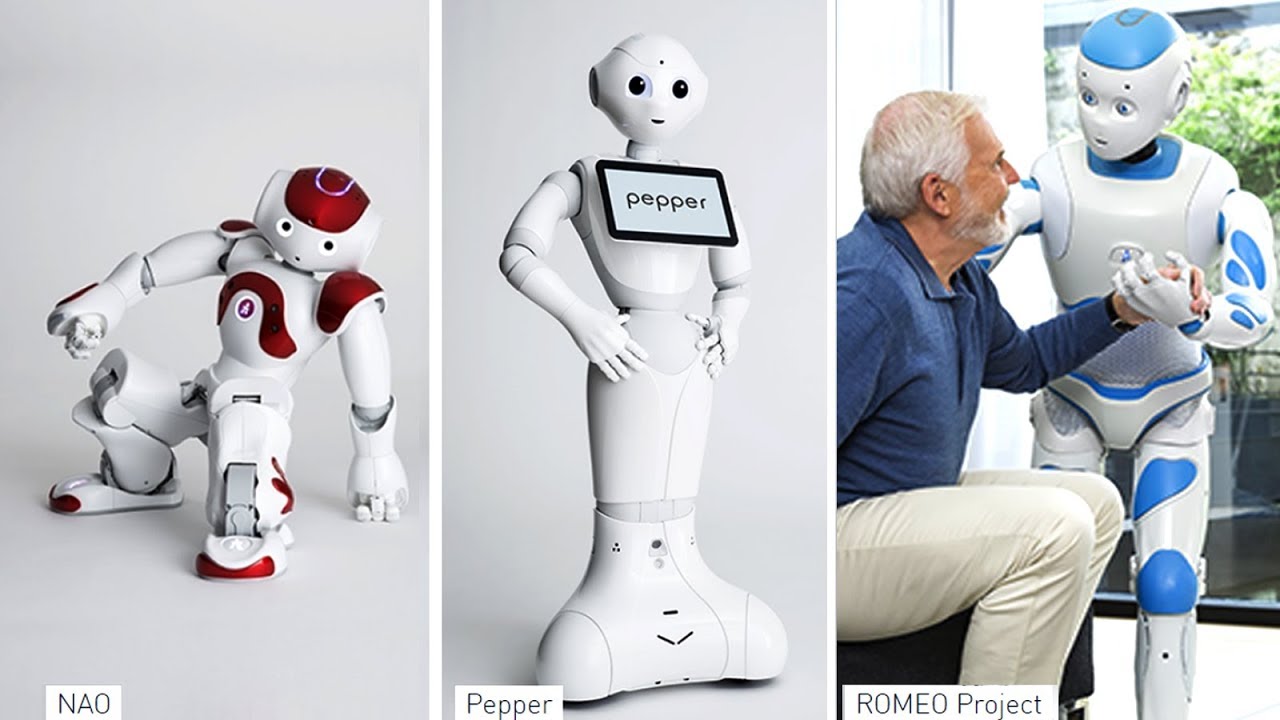
로미오는 NAO보다 훨씬 작고 널리 보급된 NAO를 개발한 프랑스 기업 Aldebaran이 개발한 전신 인간형 연구 로봇입니다. NAO가 약 58cm의 데스크톱 교육용 로봇인 반면, 로미오는 약 1.4m의 인간 크기에 가까운 로봇으로, 특히 노인과 장애인의 일상적인 작업을 돕는 진정한 개인 지원 플랫폼을 목표로 했습니다. 이는 Aldebaran의 '가정 내 로봇 도우미' 비전에 대한 탐구였습니다.
가용성
로미오는 연구 프로젝트였으며 상용 제품이 아니었습니다. 첫 번째 프로토타입은 2011년경 계획되었고, 로미오는 연구 플랫폼(학술 협력 프로젝트 포함)으로 사용되었지만 제품으로 판매되거나 출시된 적은 없습니다. 가격이나 구매 경로도 없습니다. NAO의 경우와 마찬가지로, Aldebaran의 기업 역사(Aldebaran → SoftBank Robotics → Aldebaran)와 최근 재정 문제에 유의하십시오.
전체 사양
사양
값(보고됨)
유형
전신 인간형 연구 로봇
높이
~1.40 m
무게
~40 kg
자유도
~37 (눈당 2개, 발당 1개, 척추 3개 포함)
주요 설계 특징
4개 척추 관절로 이루어진 관절형 척추; 관절형 발; 부드러운 몸통; 복합 다리 외골격; 사람 주변에서 안전한 작동을 위한 백드라이버블 액추에이터
사용 목적
개인 지원 — 노인과 장애인의 일상 업무 지원
상호작용
음성 및 제스처를 통한 자연스러운 의사소통을 위해 설계됨
의의
로미오는 Aldebaran이 소형 NAO에서 진정한 지원형 인간 크기 동반 로봇으로 확장하려는 시도였습니다. 다중 척추, 관절형 발, 부드러운 몸통, 백드라이버블(컴플라이언트) 액추에이터 같은 엔지니어링 선택은 취약한 사람들과의 밀접한 접촉에서 안전하고 유능한 작동을 염두에 두고 이루어졌습니다. 로미오는 제품이 되지 못했지만, 1X와 Figure 같은 기업이 현재 상업적으로 추구하는 가정용 동반 로봇 개념을 탐구하는 한 걸음이자 유럽의 주목할 만한 지원형 인간형 로봇 연구 노력이었습니다.
로미오 vs 관련 로봇
로미오 vs NAO: 동일 제조사 — NAO는 작고 상업적으로 성공한 교육용 로봇이고, 로미오는 프로토타입에 머무른 더 큰 지원형 연구용 휴머노이드입니다.
로미오 vs 1X NEO Gamma: 둘 다 일반인의 가정 지원을 목표로 하지만, 로미오는 2010년대 연구 프로젝트였고, NEO Gamma는 출시된 소비자 제품입니다.
로미오 vs PAL Robotics 휴머노이드: 둘 다 지원 응용 분야를 탐구하는 유럽 연구 휴머노이드입니다.
The SoftBank Romeo was never sold commercially. In 2010, an estimated price of around €250,000 was floated for research partners, but no units were ever delivered at that price. Today, it is a discontinued research platform and has no market value.
Romeo was designed for assistive tasks like fetching objects, providing reminders, and social interaction for elderly care. It could walk bipedally, manipulate objects with two arms, and recognize people and commands. However, its walking was unstable and its practical task execution was limited to lab demos.
No. Romeo development was halted in the late 2010s after SoftBank Robotics shifted focus to commercial platforms. The robot was never mass‑produced, and no new units are available. Only a few research prototypes may exist in academic institutions.
Romeo is a full‑size (1.40 m) bipedal humanoid, while Pepper is a smaller (1.20 m) wheeled social robot. Romeo was intended for physical assistance tasks, whereas Pepper focuses on conversation and information. Pepper is commercially available, while Romeo never left research labs.
Romeo stands 1.40 m tall, weighs 40 kg, and has 37 degrees of freedom. It uses electric actuators, runs Linux on an Intel Atom, and features cameras, sonar, laser, and force sensors. Battery life and top speed were not publicly disclosed.
Romeo was developed by Aldebaran Robotics, a French company founded in 2005. After SoftBank acquired Aldebaran in 2015, the company became SoftBank Robotics Europe. Romeo was a European‑funded project.
SoftBank never published an official battery life for Romeo. As a tethered research platform in many demos, no runtime specification was released. It likely operated for less than an hour on its integrated battery.
Romeo was intended for healthcare, elderly care, and assisted living research. It also served as a platform for human‑robot interaction and bipedal locomotion studies, but never saw real‑world deployment.
For bipedal humanoid research, alternatives include the AIST HRP‑4 or PAL Robotics REEM‑C. For practical assistive tasks with a wheeled base, the Toyota HSR is a better option. The Honda ASIMO is another legacy biped but also retired.
Likely not. Since Romeo was never sold commercially, second‑hand units are extremely rare. Any prototype would be in a research lab and not available for purchase. Verifying authenticity and functionality would be difficult.