

OpenAI, Anthropic, and SpaceX are racing to public markets with combined valuations exceeding $1.75 trillion, but a growing number of investors are betting against them. The contrarian case points to enterprise ROI struggles and cheaper open-source models as threats to their revenue projections.
- The AI IPO Stampede
- The Enterprise Reality Check
- Where the Real Money Is
- Lessons from Past Tech Cycles
- The Short Thesis, Stated Plainly
The AI IPO Stampede
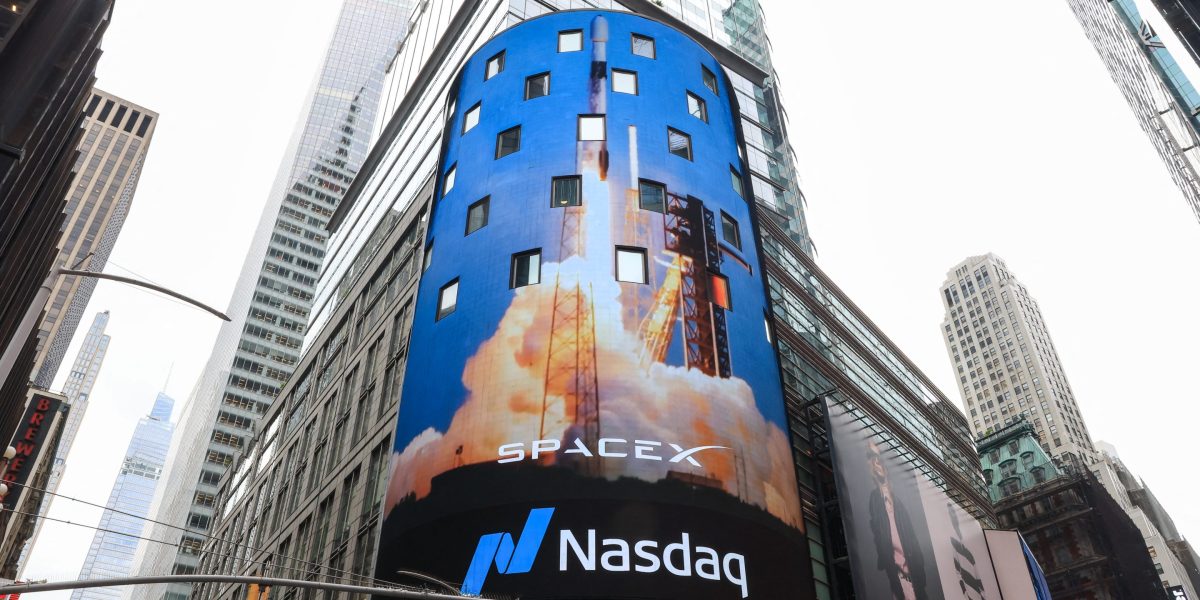
The race to be the first frontier AI lab to go public is on. Anthropic recently filed confidentially for an IPO, and OpenAI has reportedly been preparing its own. SpaceX is pursuing a $1.75 trillion listing. These three mega-debuts represent the most concentrated burst of capital formation since the dot-com peak. Each is reportedly looking to raise $60 billion.
But beneath the excitement lies a more skeptical view. According to a recent Fortune commentary by Tufts professor Bhaskar Chakravorti, the valuations assume a frictionless global adoption of frontier AI that doesn’t yet exist.
The Enterprise Reality Check
The AI labs are optimized for the top 15% of the global market—enterprises with fast networks, deep talent, and generous compute budgets. But that is not where most corporate spending happens. Even OpenAI CEO Sam Altman recently admitted that concerns about excessive AI costs are “fair criticism.”
Corporate buyers are struggling to find ROI from AI investments. Cheaper open-source alternatives perform nearly as well for many tasks. A Bain & Company report warns that AI will need $2 trillion in annual revenue by 2030 to justify its compute spending, leaving an $800 billion shortfall. Open-weight models are compressing inference prices by 30% to 50% annually, capping margins.
Where the Real Money Is
The short thesis argues that the most durable AI revenue will come from unglamorous, unmet needs. In developed economies, that means modernizing legacy systems—43% of core banking systems still run on COBOL, a programming language from the 1960s. Anthropic argued its Claude model could automate that migration, causing IBM’s stock to fall 13.2%.
In “Break Out” economies like India, Brazil, and Kenya, the killer app is AI credit scoring and fraud detection for mobile wallets. India’s UPI processed 22.6 billion transactions in March 2026 alone, and mobile money moved over $2 trillion in 2025. These are massive, monetizable markets that frontier labs are largely ignoring.
Even at the bottom of the pyramid, AI crop-disease detection across seven African countries could unlock $6.1 billion for 14 million farmers—and these populations trust AI more than Silicon Valley executives.
Lessons from Past Tech Cycles
History suggests that the most durable value in a new technology wave goes to the infrastructure layer everyone must pay for. At the dot-com peak, Pets.com and Webvan flamed out, but Cisco, Akamai, and eventually AWS captured lasting value. In mobile, the winners were tower companies like American Tower, not handset makers.
The strategic acquirers already see this. In a depressed 2025 M&A market, the hot area was data infrastructure: IBM bought DataStax, ServiceNow acquired Data.world, and Salesforce paid $8 billion for Informatica. They aren’t betting on which model wins; they’re buying the pipes AI will run on, forever.
The Short Thesis, Stated Plainly
The arithmetic is unforgiving. Oracle recently disclosed $248 billion in data-center leases running 15 to 19 years, against customer contracts that often run just five years. Inference prices for open models are falling 30% to 50% annually, making it hard for any model provider to defend margins.
None of this guarantees the IPOs will fail. OpenAI may hit revenue targets it has missed before; Anthropic may win enough enterprise deals; SpaceX’s launch economics could justify its price. But the race to IPO is also a race to sell a story about frictionless global AI adoption before the ROI numbers catch up.
What This Means for the Industry
For investors, the short case highlights a critical gap between frothy valuations and real-world adoption. The most profitable bets may not be on the AI labs themselves but on the companies providing the infrastructure and solving the boring, high-volume problems—COBOL modernization, fraud detection in emerging markets, and agricultural AI.
Competitors like open-source model providers and data infrastructure firms stand to benefit as enterprises seek cheaper, proven alternatives. The IPO roadshows may sell a vision of superintelligent agents, but the data suggests the near-term revenue lies elsewhere.
Frequently Asked Questions
Which AI companies are pursuing mega IPOs? OpenAI, Anthropic, and SpaceX are all preparing for public listings, with combined valuations exceeding $1.75 trillion. Anthropic has filed confidentially, OpenAI is reportedly drafting its paperwork, and SpaceX is targeting a $1.75 trillion valuation.
What is the short thesis against these IPOs? The short case argues that the valuations assume widespread enterprise adoption that isn’t materializing. Companies are struggling to find ROI from AI, and cheaper open-source models undercut pricing. The real revenue opportunities lie in less glamorous areas like legacy modernization and emerging-market financial inclusion.
What does history tell us about investing in new tech cycles? Past cycles show that the most durable value goes to infrastructure providers—routers, cell towers, data clouds—rather than the flashiest consumer or enterprise applications. Strategic acquirers are already buying data infrastructure companies.
How big is the revenue shortfall for AI? Bain & Company estimates AI will need $2 trillion in annual revenue by 2030 to justify its compute spending, leaving an $800 billion gap. Inference prices for open models are falling 30% to 50% annually, further pressuring margins.
Where is the real AI demand growing? The strongest demand may be in developing economies where mobile payments, credit scoring, and agricultural AI can unlock massive value at scale. Trust in AI is higher in these regions than in developed markets.
Are these IPOs doomed to fail? Not necessarily. The companies could hit revenue targets and justify their valuations. But the risk is that the narrative runs ahead of the numbers, and early investors may face a long wait for returns.
Conclusion
The mega AI IPOs represent a concentrated bet on a transformative technology, but the short thesis raises valid questions about valuations and realistic revenue timelines. Investors betting on the infrastructure layer and pragmatic enterprise applications may find more reliable returns, while the IPO roadshows bank on a future that hasn’t yet arrived.










Sertai perbincangan
Will OpenAI, Anthropic, or SpaceX justify their IPO valuations?