

SpaceX has filed for its initial public offering, setting the stage for one of the largest public market debuts in history. The IPO, which values the company at roughly $350 billion, signals a definitive shift of space infrastructure from a government-led endeavor to a core pillar of the commercial tech economy.
- The Scale of the SpaceX IPO
- The Infrastructure Squeeze: A Unique Problem
- Starlink: The Revenue Engine Fueling the Valuation
- What the IPO Means for the Space Economy
- What This Means for the Industry
- Frequently Asked Questions
- Conclusion
The Scale of the SpaceX IPO
SpaceX's decision to go public has been one of the most anticipated financial events in tech. The newly filed S-1 reveals a company that has matured rapidly over the past five years, transitioning from a niche launch provider into a vertically integrated telecommunications and aerospace conglomerate. The $350 billion valuation places it among the largest companies by market cap at listing, rivaling established industrial giants and major tech platforms.
According to SpaceNews, the offering is expected to be heavily oversubscribed, with anchor investors including major sovereign wealth funds and institutional asset managers. The sheer scale of the capital raise — potentially exceeding $20 billion — makes it one of the largest IPOs in U.S. stock market history, comparable to the listings of Alibaba and Saudi Aramco.
The company's revenue trajectory supports the ambitious valuation. Launch services alone generated billions in revenue across a mix of government (NASA, Space Force) and commercial (Starlink, third-party satellite operators) customers. But the real story lies in Starlink's ascent.
The Infrastructure Squeeze: A Unique Problem
As the SpaceNews profile suggests, SpaceX's primary bottleneck is no longer demand, engine design, or even Starship's R&D timeline. The company's "only problem is finding more space to work with." This refers to the physical limitations of its current facilities — from launch pad congestion at Cape Canaveral and Boca Chica to the sheer volume of Starlink satellite production and the logistics of deploying a second-generation constellation.
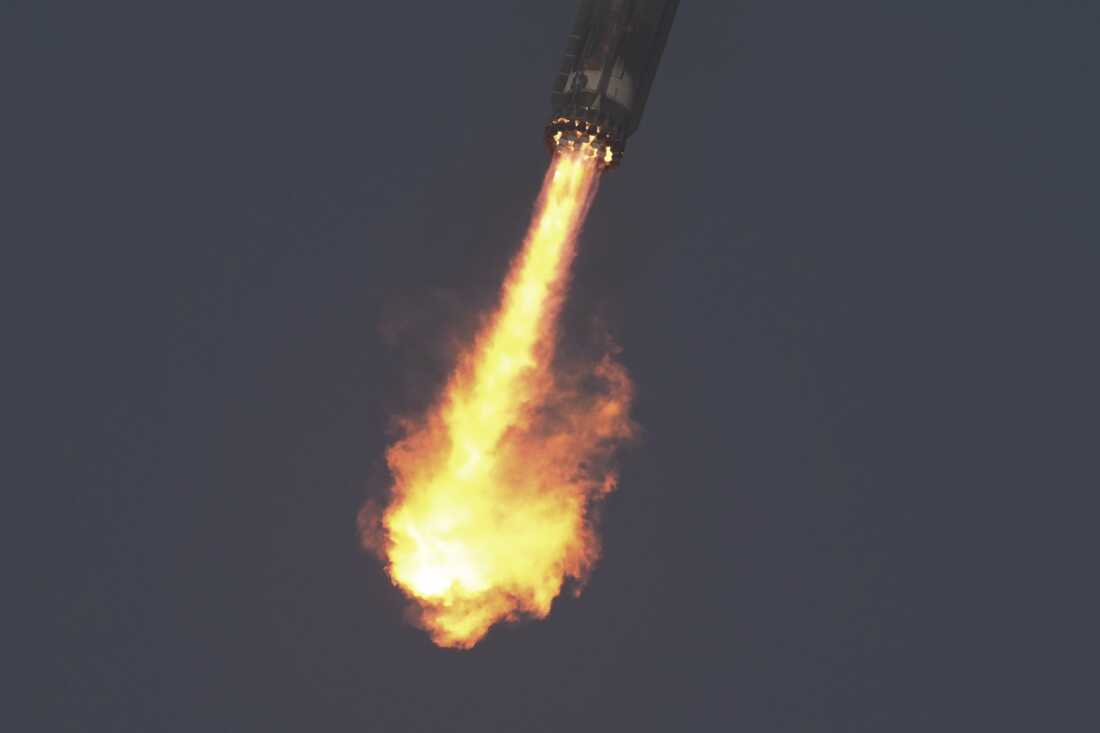
The concept of "running out of space" is multifaceted. First, there is the launch cadence. SpaceX aims for hundreds of launches per year across its Falcon 9 and Starship fleet. Each launch requires a pad, range access, and extensive ground support equipment. Second, the sheer size of the Starship vehicle — over 120 meters tall when fully stacked — requires massive integration towers and specialized launch mounts that cannot be built overnight.
Third, production floorspace is now a binding constraint. The company is producing thousands of Starlink satellites and dozens of Raptor engines per year. Expanding factory square footage at Starbase (Boca Chica), Cape Canaveral, and its Hawthorne, California headquarters requires new permitting, environmental reviews, and supply chains that take years to fully establish. The company is actively seeking new real estate for launch and manufacturing, signaling a scale of operations unprecedented in the history of the space industry.
Starlink: The Revenue Engine Fueling the Valuation
The core of the SpaceX investment thesis is Starlink. The satellite internet division has demonstrated staggering growth, recently surpassing 4 million subscribers and likely generating over $8 billion in annual revenue. Average revenue per user (ARPU) has remained relatively sticky despite price cuts, while the fully verticalized supply chain — from satellite manufacturing to orbital deployment and user terminal production — gives SpaceX a structural cost advantage over legacy providers like Viasat and HughesNet.

Unlike the lumpy, contract-based launch business, Starlink provides a predictable, subscription-based revenue stream that justifies a high multiple. The Gen 2 constellation, enabled by Starship's lift capacity, will allow for direct-to-cellphone service — a massive total addressable market that includes billions of mobile devices globally. This is the primary growth narrative that bankers will pitch to institutional investors.
The prospectus is expected to reveal Starlink's financials in unprecedented detail, including margins that likely exceed those of legacy telecom providers. Analysts project that Starlink could account for over 70% of SpaceX's revenue within the next three years, making the company as much a telecommunications platform as a launch provider.
What the IPO Means for the Space Economy
The listing is a massive liquidity event for early investors and employees, but it also introduces market discipline to a company that has long operated like a startup. Public shareholders will expect regular revenue growth, margin expansion, and a clear path to capital returns. This pressure could accelerate SpaceX's already aggressive timelines for Starship, Starlink Gen 2, and the Artemis human landing system.
It also sets a valuation benchmark for other space companies, potentially lifting the entire sector. Competitors like Blue Origin, ULA, and Rocket Lab will now be measured against a public yardstick, and their own valuations may rise by association. However, the increased scrutiny works both ways. Public disclosures on Starship's development costs and Starlink's profitability will offer a clearer picture of the space economy's financial backbone.
The listing will force greater financial transparency on SpaceX, which has historically been a black box. Public markets are not known for patience, and any significant delays in Starship's timeline or Starlink subscriber growth could result in sharp sell-offs. The company will need to manage expectations carefully during the roadshow.
What This Means for the Industry
For investors, SpaceX offers a rare chance to gain exposure to one of the most dominant companies in aerospace. However, the capital-intensive nature of the business and the regulatory risks surrounding Starlink's spectrum and Starship's launch licenses are significant. The $350B valuation leaves little room for execution error.
For competitors like Blue Origin, ULA, and Arianespace, the IPO gives SpaceX a cheaper cost of capital, allowing it to further undercut on price and accelerate its roadmap. Blue Origin, in particular, may find it harder to compete for talent and capital if SpaceX's public valuation reinforces the prestige of its equity.
For the tech industry broadly, the success of the IPO will signal whether public markets are ready to embrace deep-tech infrastructure companies with long development horizons. If SpaceX trades well, it could pave the way for other frontier tech startups — such as fusion energy companies or advanced battery manufacturers — to go public sooner.
For the space industry ecosystem, the ripple effects are substantial. The broader space ETF landscape (e.g., ARKX) will see a massive boost in relevancy and liquidity. Supplier networks, launch insurance markets, and satellite component manufacturers will all benefit from the increased financial transparency and investor interest that a public SpaceX brings.
Frequently Asked Questions
Why is SpaceX going public now? The company likely needs the capital to fund the massive scale-up of Starship and Starlink Gen 2. Investor demand is also at an all-time high, allowing the company to secure a favorable valuation before potential market downturns or competitive threats materialize.
How much is SpaceX worth? The latest filings value the company at roughly $350 billion, though the final valuation will depend on market conditions during the roadshow and the final share price set by underwriters.
Will Starlink be part of the IPO? While a full spin-off had been discussed in previous years, the current IPO is expected to encompass both the launch services and Starlink divisions, offering investors a unique combined asset with diversified revenue streams.
What are the risks to SpaceX's valuation? Key risks include regulatory hurdles for Starship launches (particularly FAA environmental reviews), spectrum allocation disputes for Starlink internationally, the high capital cost of deploying the Gen 2 constellation, and increasing competition from China's CASC as well as domestic players like Blue Origin.
How does this affect other space stocks? A successful SpaceX IPO is likely to lift the entire sector, including publicly traded peers like Rocket Lab and AST SpaceMobile, as investors reassess the addressable market and growth trajectories for space-based ventures.
When will trading begin? The exact date is subject to SEC review, but the offering is expected to close and begin trading on the Nasdaq within the next few months under the ticker symbol expected to be "SPCE" or a similar designation.
Conclusion
The SpaceX IPO represents a culmination of two decades of ambition and a bet on the commercial viability of space infrastructure as a mainstream asset class. By taking SpaceX public, Elon Musk and the board are inviting the market to validate a vision that extends far beyond satellite communications and launch services. The share price will ultimately reflect not just current earnings, but the world's confidence in a multi-planetary future.








Dołącz do dyskusji
Will public market pressure speed up or slow down SpaceX's Starship timeline?