
The hardest problem in industrial robotics isn't building a capable robot — it's deploying thousands of them consistently across dozens of facilities in thirty countries. Flex and Teradyne Robotics have expanded their partnership to attack exactly that problem, combining Flex's role as both component manufacturer and live deployment site into a single feedback loop designed to compress the gap between prototype automation and global operational scale.
What Is the Flex–Teradyne Partnership Actually Doing?
The expanded agreement establishes a dual-track strategy: Flex manufactures core hardware components for Teradyne Robotics' product lines while simultaneously deploying Universal Robots (UR) cobots and Mobile Industrial Robots (MiR) AMRs (autonomous mobile robots) across its own production facilities worldwide. The result is a closed-loop system where real operational data flows directly back to the manufacturer.
According to The Robot Report, the two companies plan to address power, heat, and infrastructure challenges through advanced cooling technology and scalable IT systems — the unsexy but critical bottlenecks that routinely stall automation rollouts at enterprise scale.
This isn't a brand-new relationship. Flex and Teradyne have collaborated on semiconductor test equipment for over 20 years. The extension into robotics and physical AI represents a deliberate evolution: the same supply chain and manufacturing muscle that supports Teradyne's chip-testing platforms is now being applied to cobot arms and mobile robots.
"Expanding our relationship into robotics and intelligent automation builds on a strong foundation," said Dennis Kirkpatrick, president of lifestyle, consumer devices, and core industrial at Flex, "combining Teradyne Robotics' industry-leading technologies with Flex's advanced manufacturing capabilities, global footprint, and execution expertise."
Why Vertical Integration Is the Key to Solving the Scale Problem
Most automation deployments fail not at the pilot stage but at replication. A robot cell that works in one factory, staffed by one integration team, rarely transfers cleanly to the next facility without significant re-engineering. This is the scale problem — and it's why so many promising automation programs stall at ten sites when the goal was a hundred.
Flex's structural position makes it an unusually powerful test bed. The company operates more than 100 facilities across 30 countries, manages an estimated 80% of critical power and compute requirements for global data centres, and runs a supply chain involving 16,000 suppliers and 140,000 employees. Few companies on earth have a comparable surface area for stress-testing automation workflows.
The logic of vertical integration here is straightforward but underappreciated. When the manufacturer of robot components is also the operator running those robots in production environments, feedback cycles collapse from months to weeks. Engineering changes that would normally require formal supplier negotiations can be handled internally. Successful automation workflows can be documented and replicated across the global facility network with built-in supply chain support already in place.
Jean-Pierre Hathout, president of the Teradyne Robotics Group, framed it this way: "Flex's experience in manufacturing complex products across industries, combined with its global scale and resilient supply chain, makes it an ideal partner for advancing intelligent automation."
The broader implication is structural. If this model works — robot maker partners deeply with a global contract manufacturer who becomes both customer and live R&D lab — it could become the deployment playbook that finally bridges the gap between experimental automation and genuine global consistency.
Which Robots Are Being Deployed, and What Do They Cost?
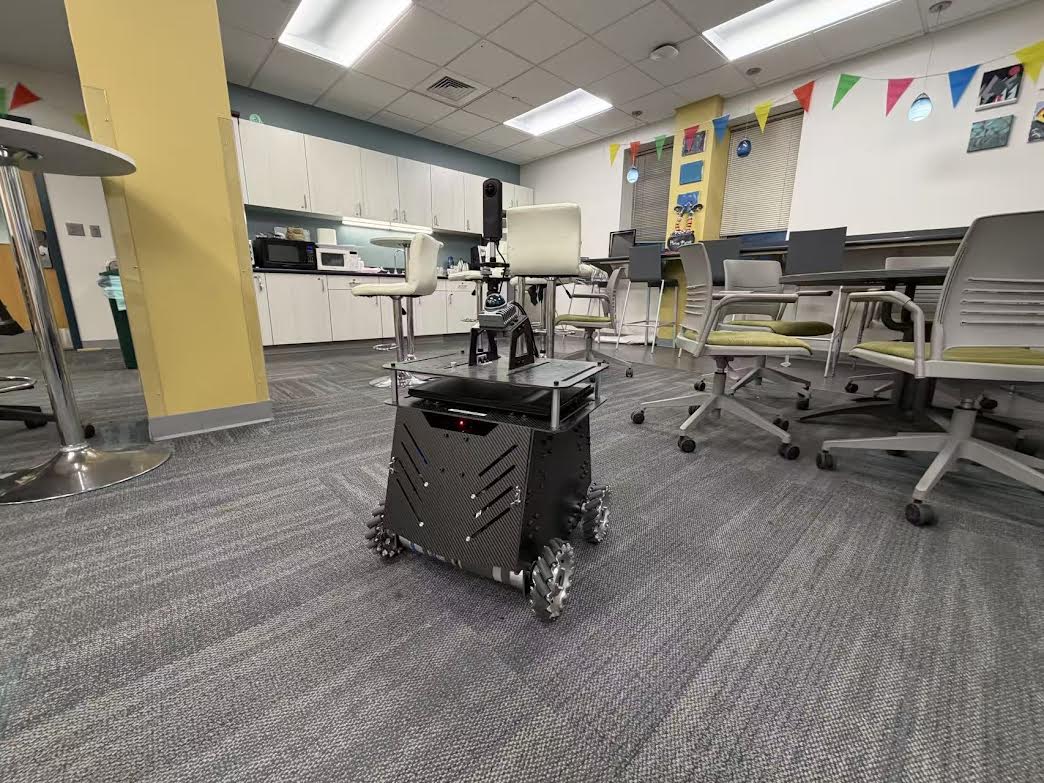
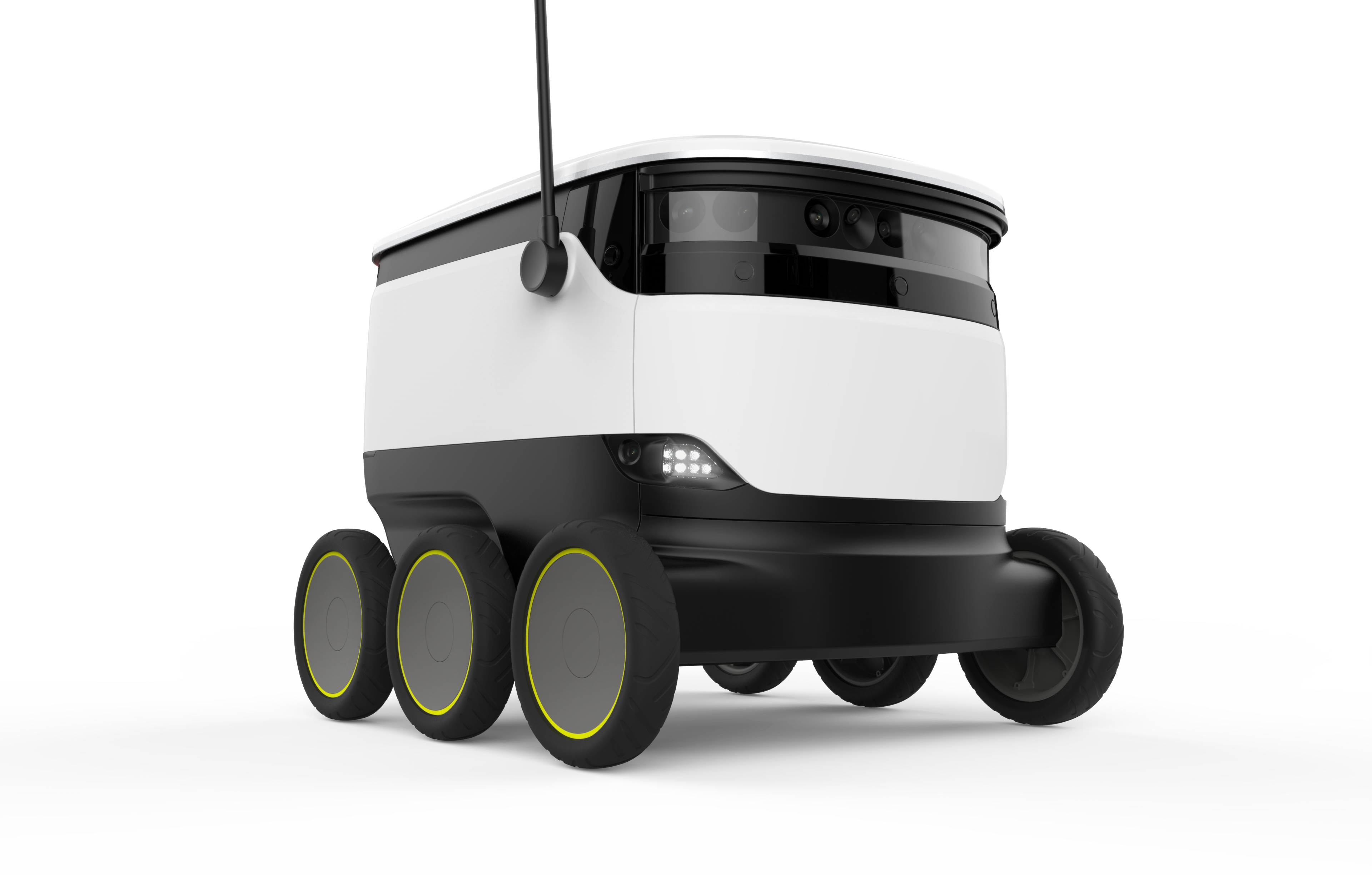
Flex's deployment focuses on two Teradyne Robotics product lines: Universal Robots cobots for force- and power-limited manipulation tasks, and MiR AMRs for autonomous material transport. Together they represent two of the most commercially mature categories in industrial robotics — collaborative arms and autonomous mobile platforms.
For buyers evaluating similar deployments, current market pricing for both product lines is meaningful context.
| Robot Category | Model Examples | Typical Used/Certified Price Range | Primary Use Case |
|---|---|---|---|
| UR Cobots (light payload) | UR3e, UR5e | $18,000 – $32,000 | Assembly, inspection, pick-and-place |
| UR Cobots (medium payload) | UR10e, UR16e | $28,000 – $45,000 | Palletising, machine tending |
| UR Cobots (heavy payload) | UR20, UR30 | $48,000 – $70,000+ | Heavy assembly, welding |
| MiR AMRs (light transport) | MiR100, MiR250 | $25,000 – $40,000 | Internal logistics, parts delivery |
| MiR AMRs (heavy transport) | MiR500, MiR1350 | $55,000 – $90,000+ | Pallet transport, heavy goods movement |
Prices reflect current used and certified pre-owned market ranges. New unit pricing runs approximately 20-35% higher.
Total cost of ownership extends well beyond hardware. Integration, fleet management software, safety certification, and ongoing maintenance typically add 30–60% to the initial hardware cost over a three-year period — a calculation that becomes significantly more favourable when a partner like Flex can standardise deployment processes across dozens of sites simultaneously.
You can browse available used cobots for sale and used industrial robots on Botmarket to compare current market pricing against new-unit quotes from system integrators.
What This Means for Robotics and Automation Buyers
The Flex–Teradyne deal is not just a headline about two large companies extending a contract. It signals an emerging deployment model with direct implications for any organisation planning automation at scale.
For enterprise buyers planning multi-site rollouts, the critical takeaway is that the integration partner selection matters as much as robot selection. Flex's ability to standardise UR and MiR deployments across 100+ facilities suggests that buyers with complex, multi-geography footprints should be evaluating partners with proven replication infrastructure — not just pilot capability.
For mid-market manufacturers, the deal validates UR cobots and MiR AMRs as the platforms of choice for serious, scalable deployments. When a company of Flex's scale selects specific platforms for global standardisation, it provides procurement confidence and signals long-term platform support.
For system integrators, the model Flex is demonstrating — deep operational experience combined with manufacturing supply chain knowledge — raises the bar for what "integration partner" means. Pure deployment expertise may no longer be sufficient; partners who can also support supply chain continuity will command premium positioning.
The physical AI angle is the signal to watch. Both companies explicitly framed this partnership around physical AI, not just automation. The continuous operational feedback loop Flex provides — real data from real production environments at global scale — is precisely the training and validation infrastructure that makes AI-driven robotics systems improve over time. This is the infrastructure layer that separates adaptive, learning automation from static robot cells.
Frequently Asked Questions
Flex and Teradyne Robotics have expanded a 20-year manufacturing relationship to cover robotics deployment and physical AI. Flex now manufactures hardware components for Teradyne's robot lines while deploying Universal Robots cobots and MiR AMRs across its own 100+ global facilities — creating a closed feedback loop between robot production and real-world operational data.
What robots is Flex deploying under this partnership?
Flex is deploying collaborative robot arms from Universal Robots (UR) — Teradyne's cobot subsidiary — and autonomous mobile robots (AMRs) from Mobile Industrial Robots (MiR), also a Teradyne unit. These cover manipulation tasks like assembly and machine tending, as well as internal material transport and logistics.
How does this partnership address the 'scale problem' in robotics?
The scale problem refers to the difficulty of replicating successful automation pilots across many facilities consistently. Flex's dual role — as both component manufacturer and large-scale operator — compresses the feedback cycle between deployment challenges and engineering responses, enabling faster standardisation of automation workflows across its global footprint of more than 100 facilities in 30 countries.
How much do Universal Robots cobots cost in the current market?
Used and certified pre-owned UR cobots currently range from approximately $18,000 for lighter-payload models like the UR3e to $70,000 or more for heavier-payload platforms like the UR20 and UR30. New units run roughly 20–35% higher. Total cost of ownership over three years, including integration and software, typically adds 30–60% on top of hardware costs.
What does 'physical AI' mean in the context of this partnership?
Physical AI refers to AI systems that operate in and act upon the physical world — robot arms, AMRs, and other embodied systems that perceive their environment and adapt their behaviour based on real-time data. In this partnership, Flex's large-scale deployment generates continuous operational feedback that can train and validate AI-driven automation systems, accelerating their improvement beyond what controlled lab testing allows.
The Flex–Teradyne expansion is a case study in what physical AI deployment at scale actually requires: not just capable robots, but the manufacturing, supply chain, and operational infrastructure to replicate them reliably across a global footprint. Whether this vertical integration model becomes the industry playbook depends on the results Flex reports from its own floors.
Is vertical integration between robot maker and contract manufacturer the deployment model that finally cracks global automation scale — or does it only work for giants like Flex?


Gå med i diskussionen
Is vertical integration between robot maker and contract manufacturer the model that finally cracks global automation scale?