MediaTek has emerged as the leading candidate to partner with Tesla on its massive TERAFAB chip factory project, with first custom chip shipments expected as early as 2028. The partnership would leverage Intel's 14A advanced process technology, marking a key step in Tesla's push for chip independence and a major win for Intel's foundry business. The chips, designed by Tesla's IC team, would be produced at the Texas-based TERAFAB facility jointly backed by Tesla, SpaceX, and xAI.
- The TERAFAB Project and MediaTek's Role
- Why Intel's 14A Process Matters
- Market and Competitive Implications
- What This Means for the Industry
- Frequently Asked Questions
- Conclusion
The TERAFAB Project and MediaTek's Role
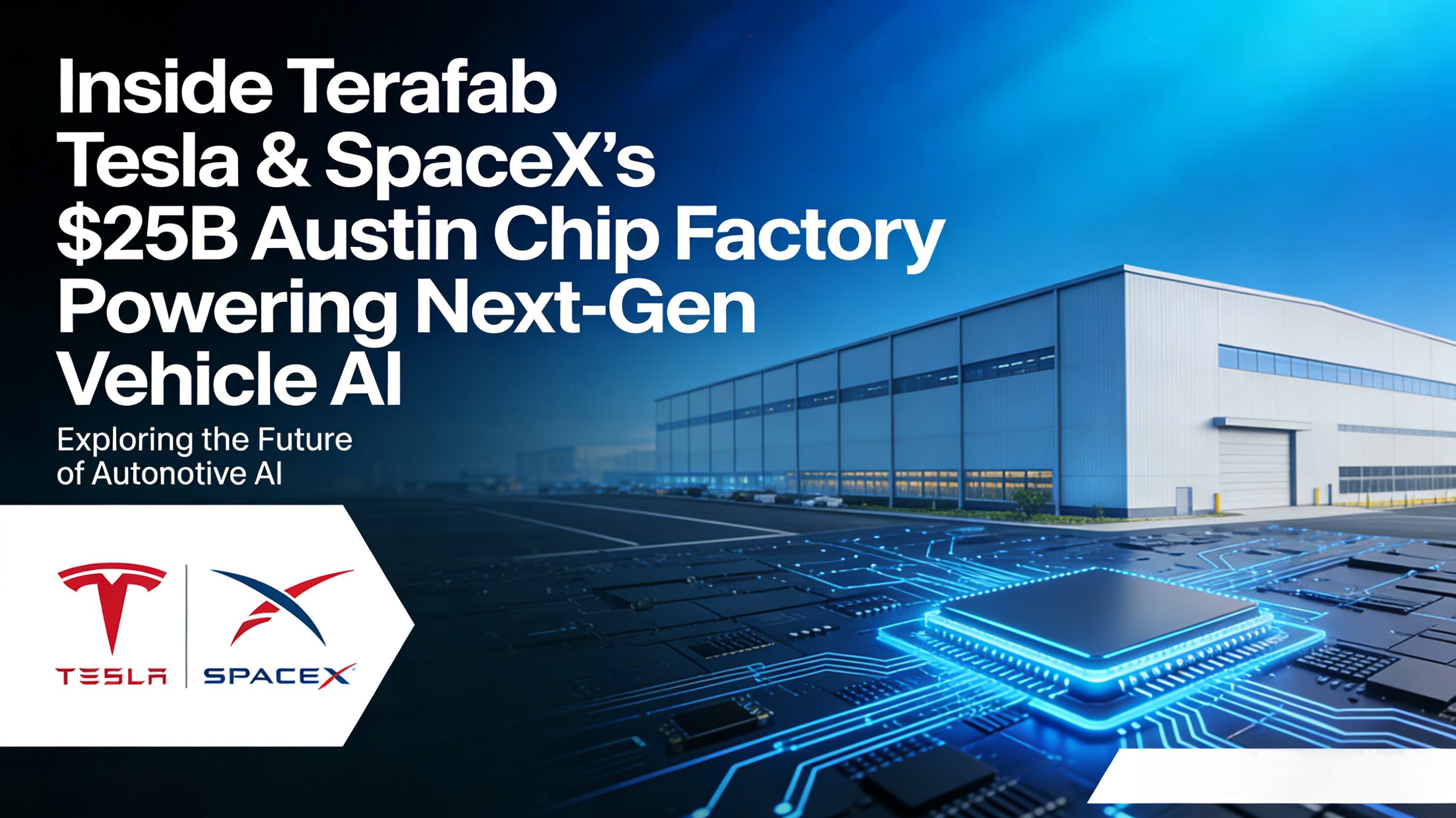
Tesla's ambitions for chip independence took shape in March when Elon Musk announced TERAFAB, a chip manufacturing facility in Austin, Texas. The project, developed jointly with SpaceX and xAI, is positioned as the largest chip factory ever built. According to Technode, citing an industry survey by TF International Securities analyst Ming-Chi Kuo, MediaTek is the most likely strategic partner among custom ASIC vendors to supply the chips.
MediaTek will support the adoption of Intel's 14A process technology and advanced packaging solutions. Small-volume shipments could start as early as 2028, providing the custom chips needed by Tesla's in-house IC design team.
Why Intel's 14A Process Matters
Intel's 14A is the company's next-generation foundry process, designed to compete with TSMC's advanced nodes. Winning a customer like Tesla validates Intel's foundry strategy, which aims to reclaim leadership in chip manufacturing. The 14A process promises improved power efficiency and performance for AI and automotive applications — both critical for Tesla's vehicle and energy products.
For Intel, the MediaTek-Tesla partnership represents a marquee deal that could attract other high-volume customers. It also positions Intel as a viable alternative to TSMC for high-stakes custom silicon, especially as geopolitical tensions push companies to diversify supply chains.
Market and Competitive Implications
The partnership reshapes the competitive landscape for custom chip manufacturing. TSMC has long been the default choice for advanced chips, but Tesla's move toward Intel signals a shift. Other automakers and tech companies may follow suit, especially if Intel's 14A process delivers on its promises.
For MediaTek, the deal opens a new avenue beyond its traditional smartphone and IoT markets. Supplying custom ASICs to Tesla could become a significant revenue stream, though initial volumes are likely small. The company's expertise in chip design and integration makes it a natural fit for Tesla's requirements.
Samsung's foundry business, meanwhile, faces increased pressure to secure similar partnerships. The race to supply Tesla's chip needs underscores the growing importance of custom silicon in the automotive and AI sectors.
What This Means for the Industry
Tesla's TERAFAB project is a bet on vertical integration that other automakers are watching closely. By investing in its own chip manufacturing capacity, Tesla reduces reliance on outside suppliers and gains control over its supply chain. This could accelerate a broader trend of automakers designing and making their own silicon, challenging traditional semiconductor companies.
Investors should note that Intel's foundry business now has a high-profile customer beyond its existing commitments. If the MediaTek-Tesla partnership scales successfully, Intel could capture meaningful market share from TSMC in the AI and automotive segments.
Competitors like Qualcomm and NVIDIA may need to reassess their foundry strategies. The Tesla-Intel alliance could also influence government policies on chip manufacturing incentives, particularly in the U.S., where TERAFAB is located.
Frequently Asked Questions
When will the first chips be produced? Small-volume shipments could begin as early as 2028, according to analyst Ming-Chi Kuo.
What is TERAFAB? TERAFAB is a massive chip factory in Austin, Texas, announced by Elon Musk in March. It is jointly developed by Tesla, SpaceX, and xAI and is intended to produce custom chips for Tesla's vehicles and AI systems.
Why did Tesla choose MediaTek? MediaTek is considered the most capable ASIC vendor for this project, with strong expertise in custom chip design and integration. Its partnership with Intel on the 14A process was a key factor.
What chips will be made at TERAFAB? The factory will produce custom chips designed by Tesla's IC team, likely for AI processing and automotive applications.
How does Intel benefit from this deal? Intel gains a marquee customer for its 14A foundry process, validating its manufacturing strategy and potentially attracting other high-volume clients.
Will this affect Tesla's relationship with TSMC? While Tesla continues to work with TSMC on existing products, TERAFAB gives it an alternative source and reduces dependence on a single supplier.
Conclusion
The MediaTek-Tesla partnership represents a major milestone in the push for chip independence in the automotive industry. With Intel's 14A process as the manufacturing base, Tesla is positioning itself to have greater control over its silicon supply chain, starting as early as 2028. This deal also signals Intel's resurgence as a credible foundry player and could reshape the dynamics of custom chip manufacturing for years to come.


เข้าร่วมการอภิปราย
Can Intel's 14A process deliver on Tesla's ambitious timeline?