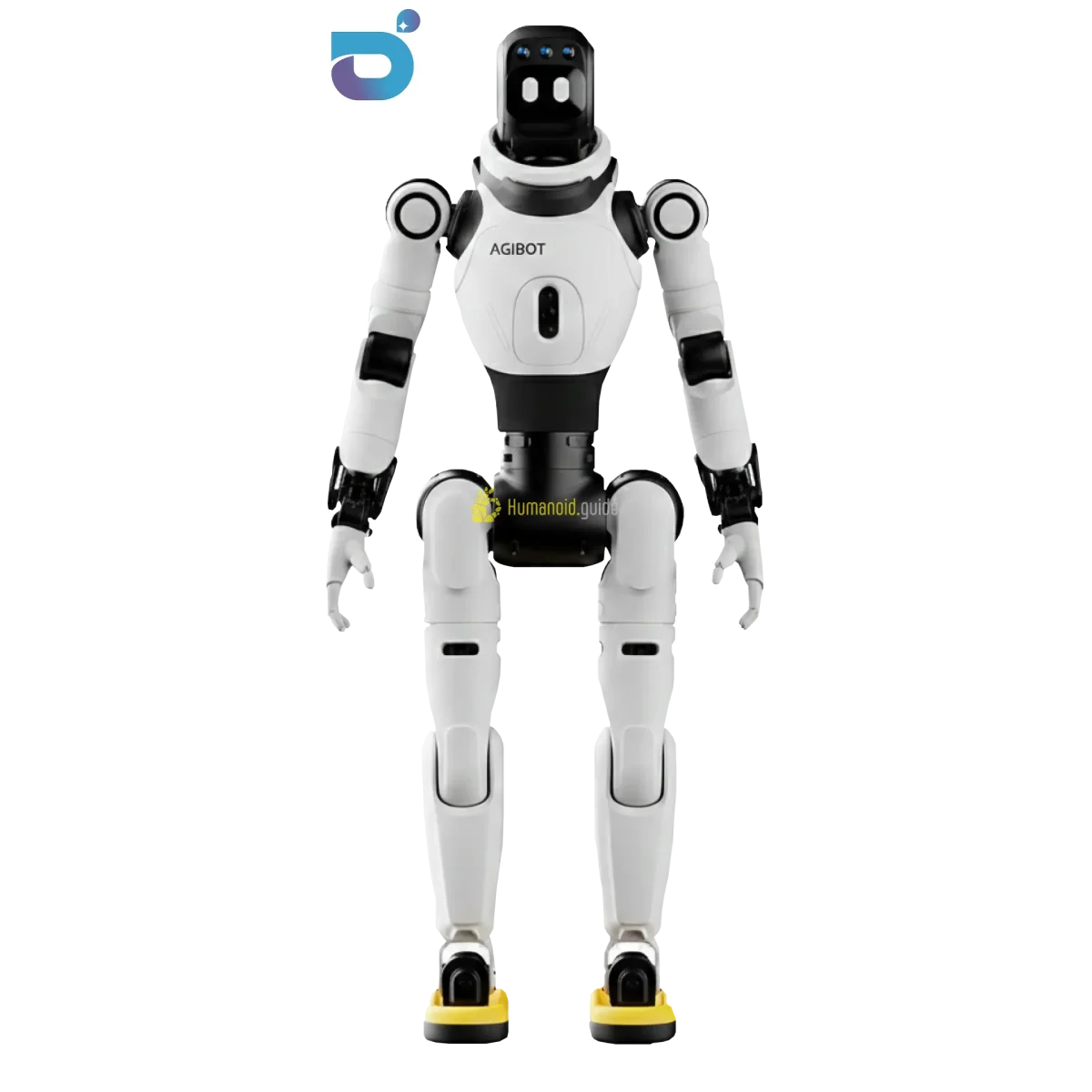
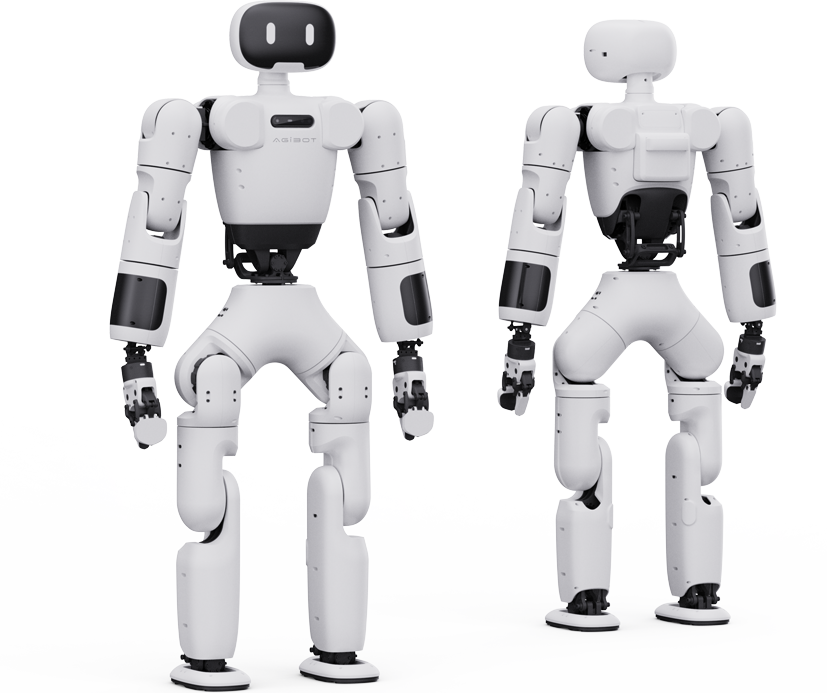
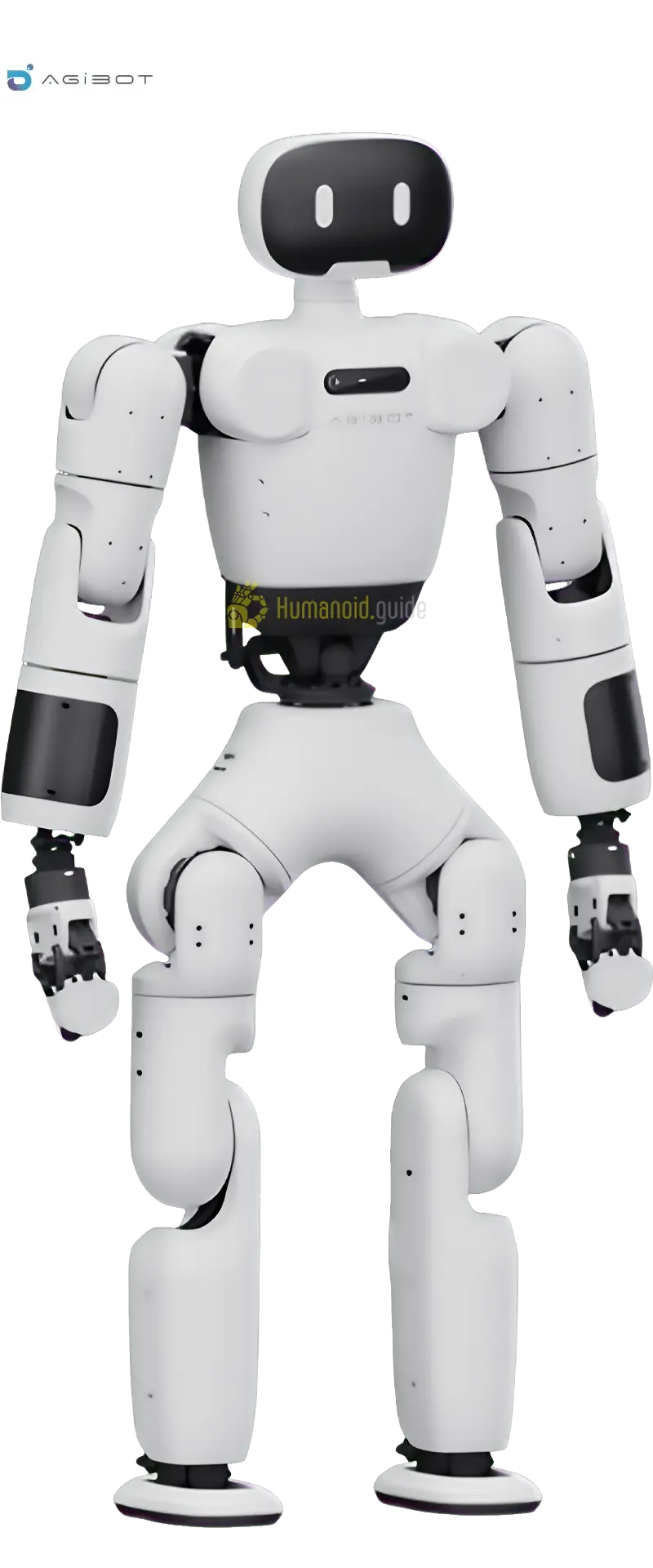
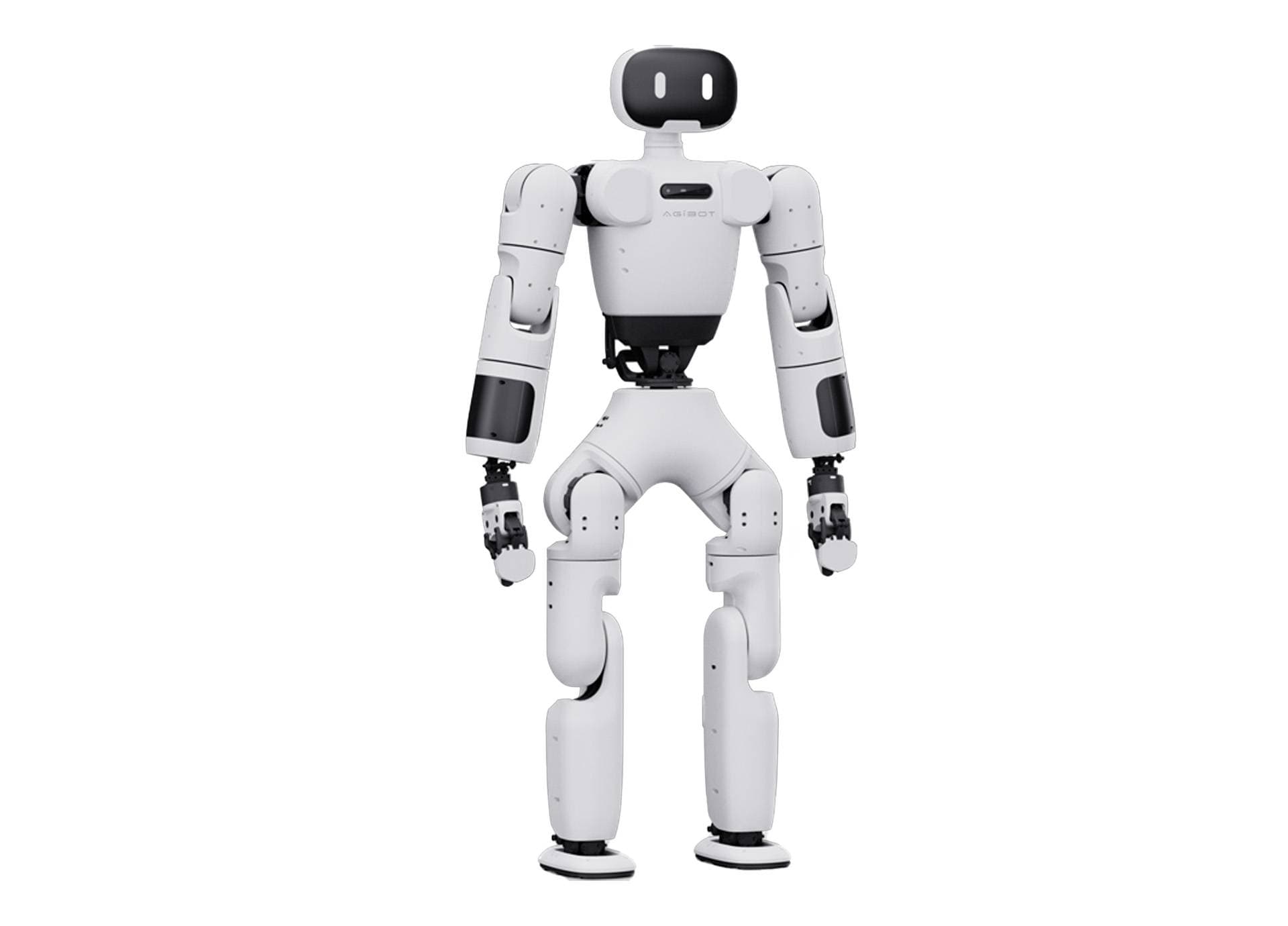
The developer kit is priced at $19,499 directly from AgiBot. Additional costs for a compute module (e.g., Nvidia Jetson Orin) typically add $1,000–$3,000, plus any LLM licensing if needed.
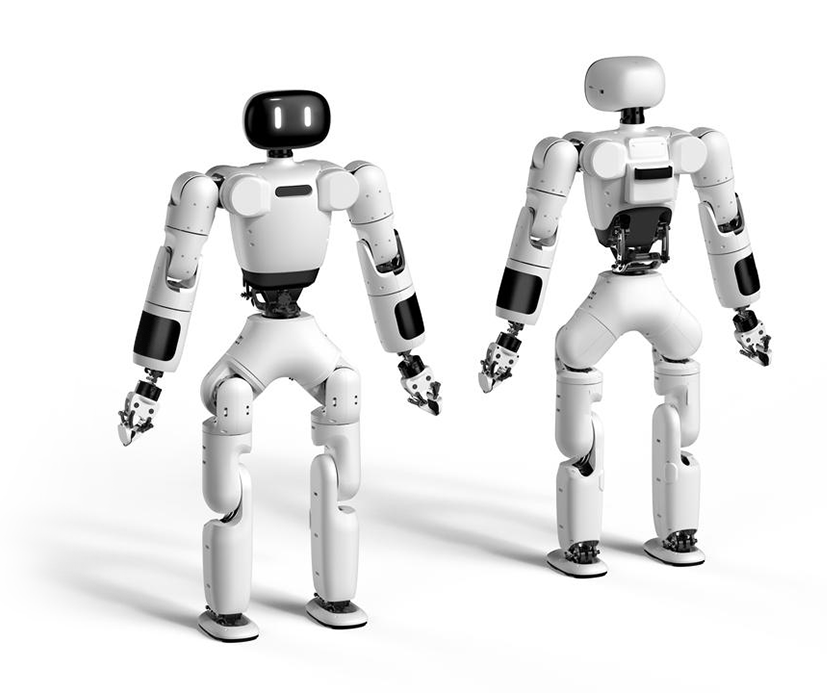
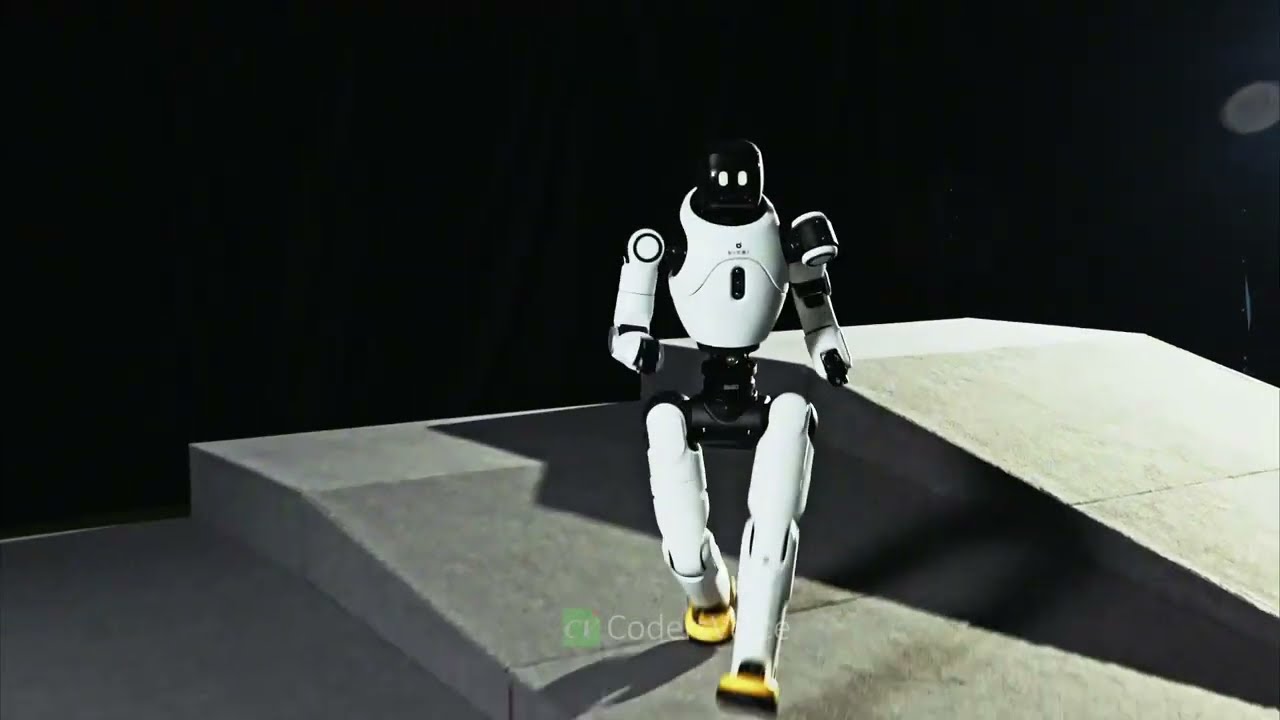
It is a general-purpose bipedal research platform capable of walking up to 3.6 km/h, manipulating objects with its 14-DOF arms, and running external AI models via its open architecture. It can be teleoperated or programmed for autonomous tasks like pick-and-place in lab environments, but it does not come with pre-programmed applications — users write all logic.
Yes, it is available for pre-order as a developer kit. Order directly through AgiBot or authorized resellers. Lead times vary; early 2026 estimates suggest 8–12 weeks from order to delivery due to limited production runs.
The Lingxi X1 offers 28 DOF versus the G1’s 23, and is fully open-source with the AimRT framework, whereas the G1 uses a proprietary SDK. The X1 costs about $3,500 more, but users gain deeper hardware access and a more flexible compute architecture. The G1 is easier to set up out of the box, making it better for rapid prototyping; the X1 suits labs that need full software control.
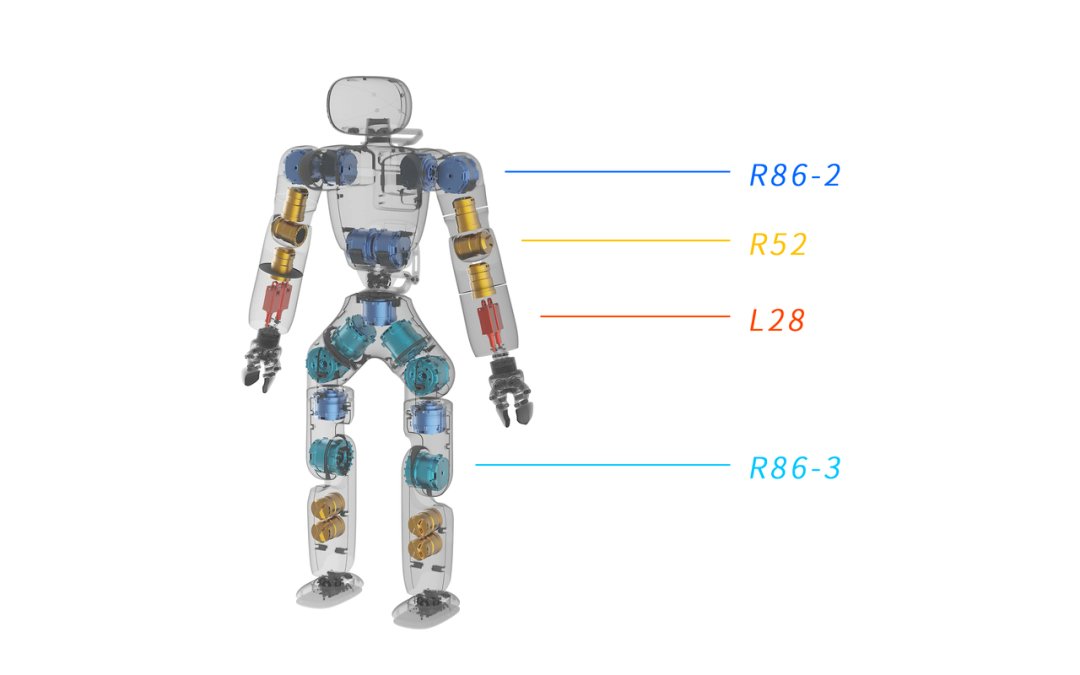
Height: 1.30 m, weight: 33 kg, 28 degrees of freedom (14 arms, 12 legs, 2 head), 2-hour battery, max speed 3.6 km/h, uses modular linear actuators and Intel RealSense depth camera. Payload rating is not specified for manipulation tasks.
AgiBot, a Shanghai-based robotics company founded in 2016. The firm also produces the G1 full-size humanoid, the X2 consumer robot, and the GO-1 vision-language foundation model.
The robot runs for approximately 2 hours of normal operation. The battery is not swappable, but external power can be used for stationary development.
Currently it is deployed exclusively in research labs, universities, and makerspaces for bipedal locomotion and AI research. It is not used in commercial warehouse or service settings due to its lack of safety certifications and limited payload.
Yes, the open architecture allows users to run LLMs on an external compute module and connect them via ROS2 or AIMRT bridges. AgiBot provides hooks but no bundled model; developers must source and tune the language model themselves.