FEDOR was never sold commercially. Its development was entirely government-funded and pricing was never disclosed. There is no retail or second-hand market, so no cost data exists.
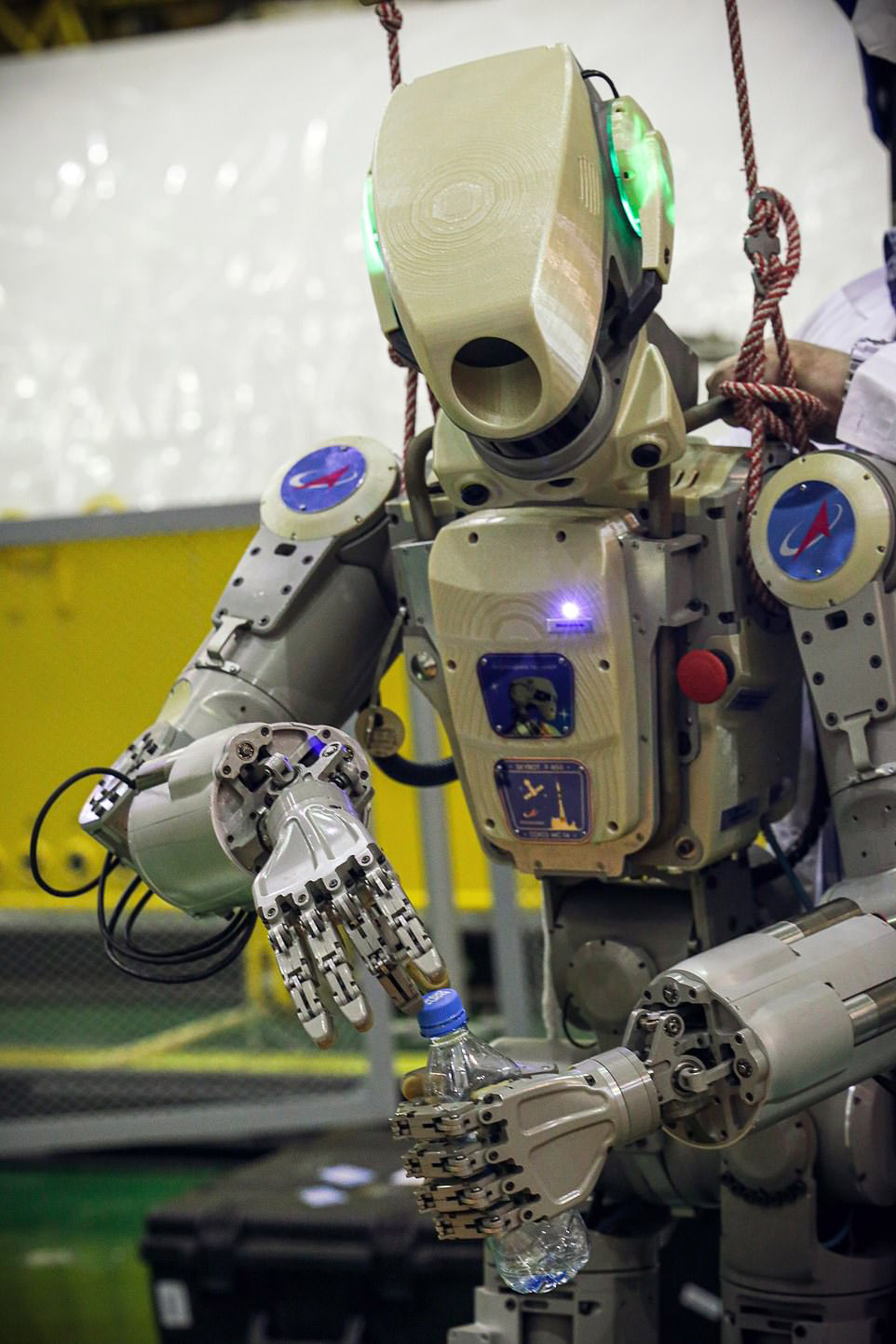
It can perform teleoperated tasks such as connecting electrical cables, using a screwdriver, handling keys, using a drill, and answering voice commands. It demonstrated limited preprogrammed movement sequences but remains heavily dependent on a human operator.
No. FEDOR is a discontinued research platform developed under a Russian government contract. It was never offered for sale and only a single flight unit is believed to exist. No authorized distributor sells this robot.
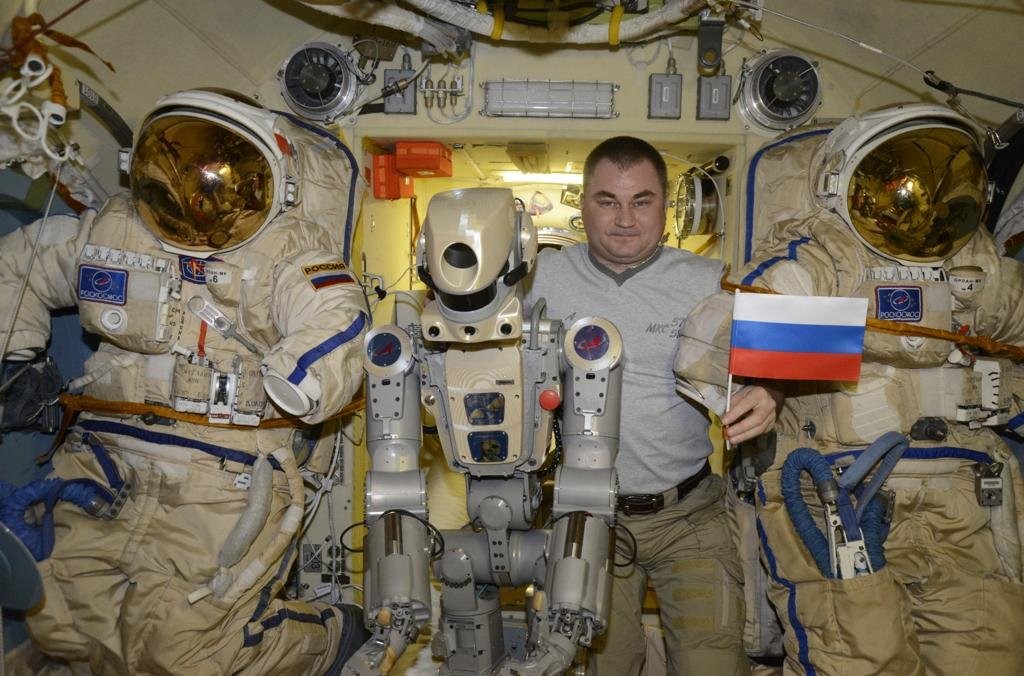
Robonaut 2 is an upper-body humanoid permanently installed on the ISS with highly dexterous hands and autonomous task capability. FEDOR is a full-body robot with legs, making it mobile inside the station, but its hands are less dexterous. Both are teleoperation-driven, but Robonaut 2 has a longer operational history and more advanced sensing.
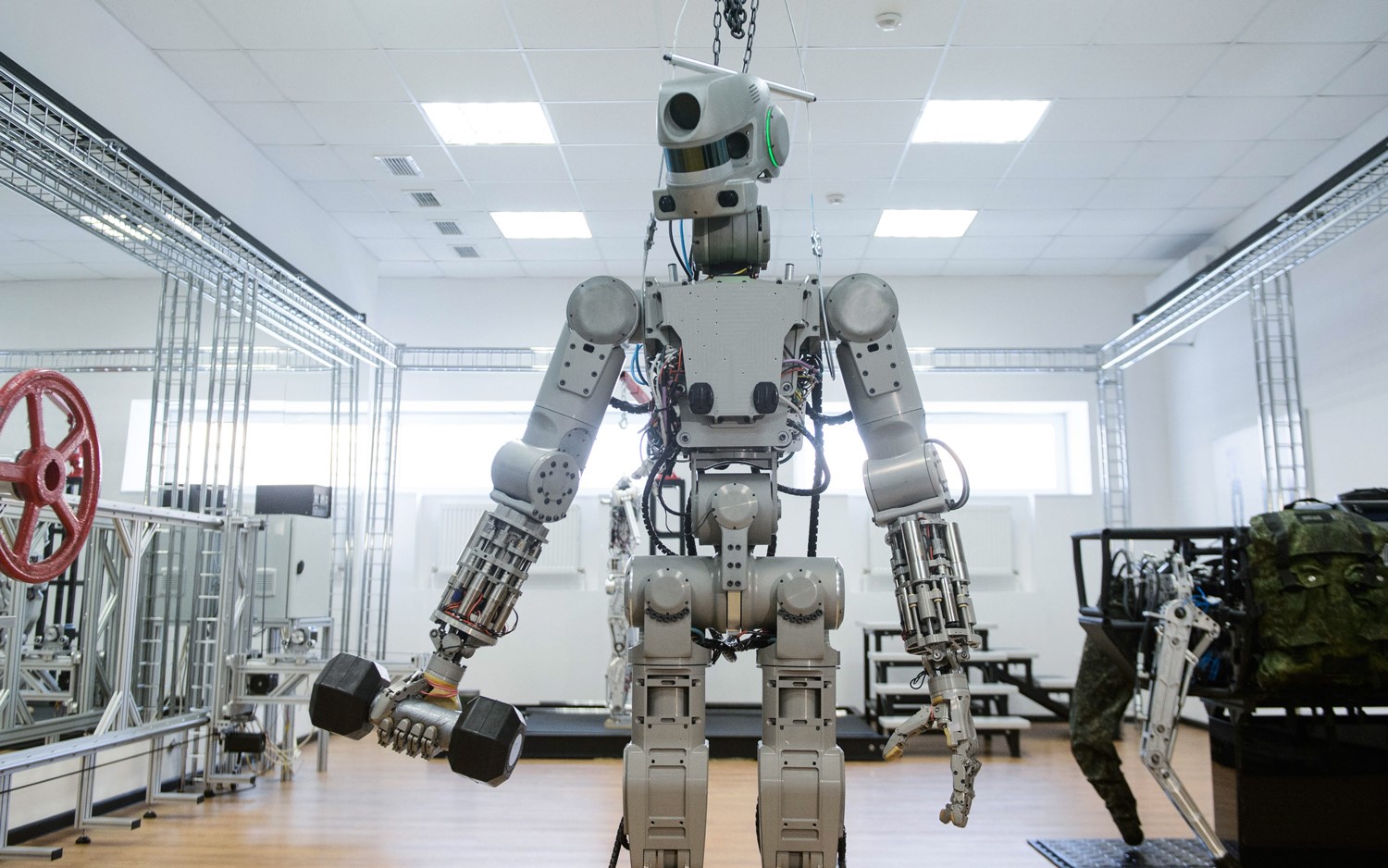
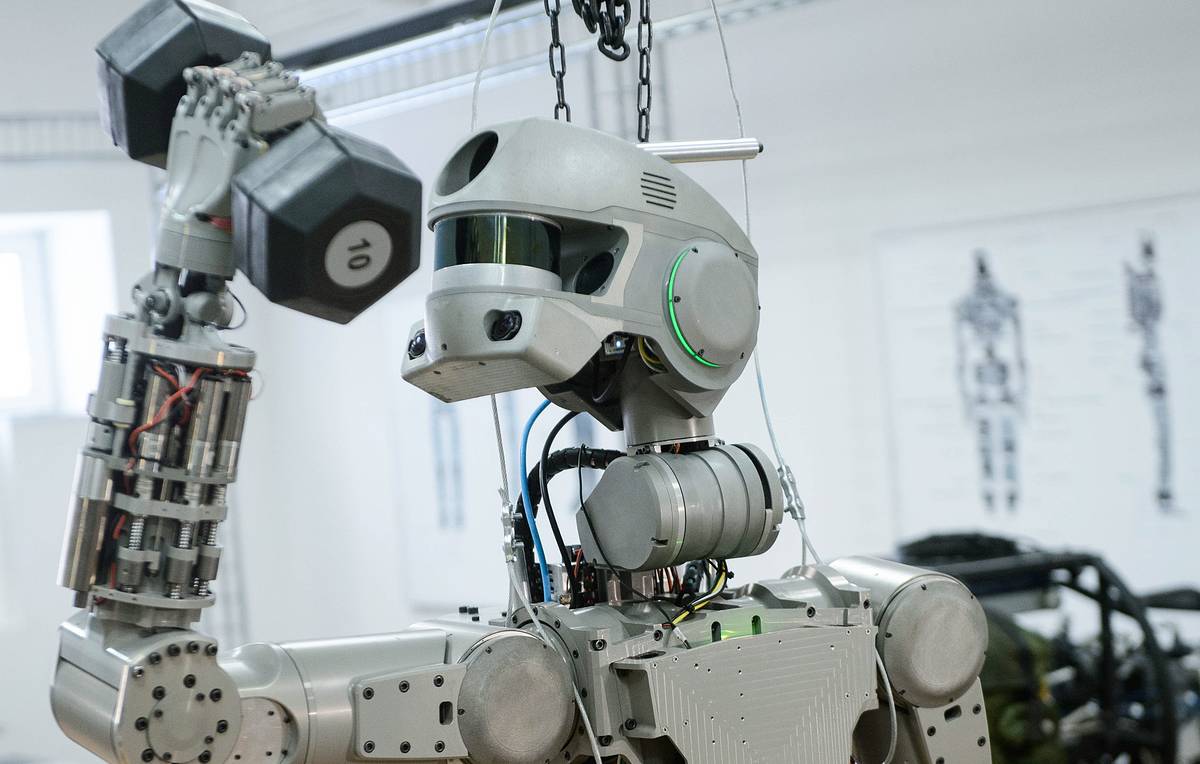
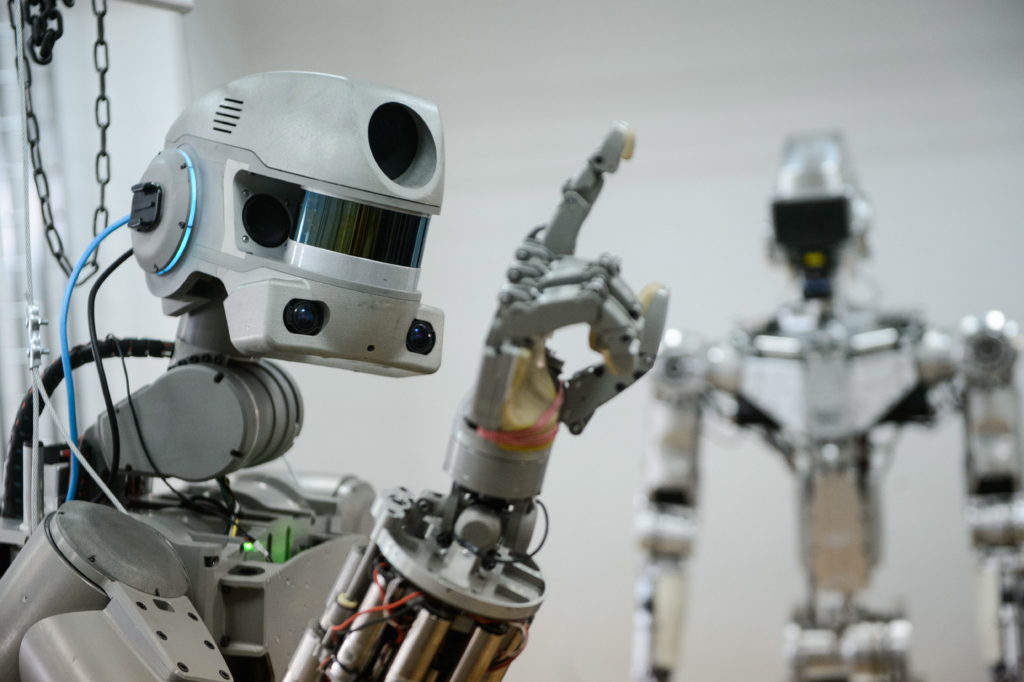
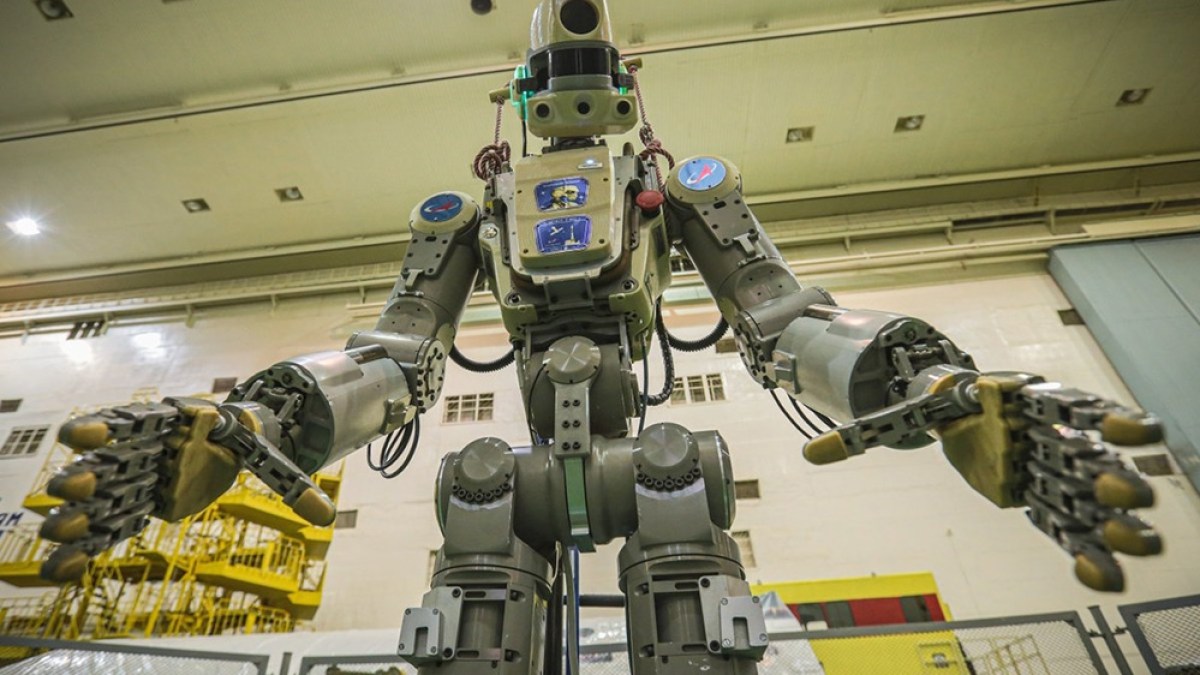
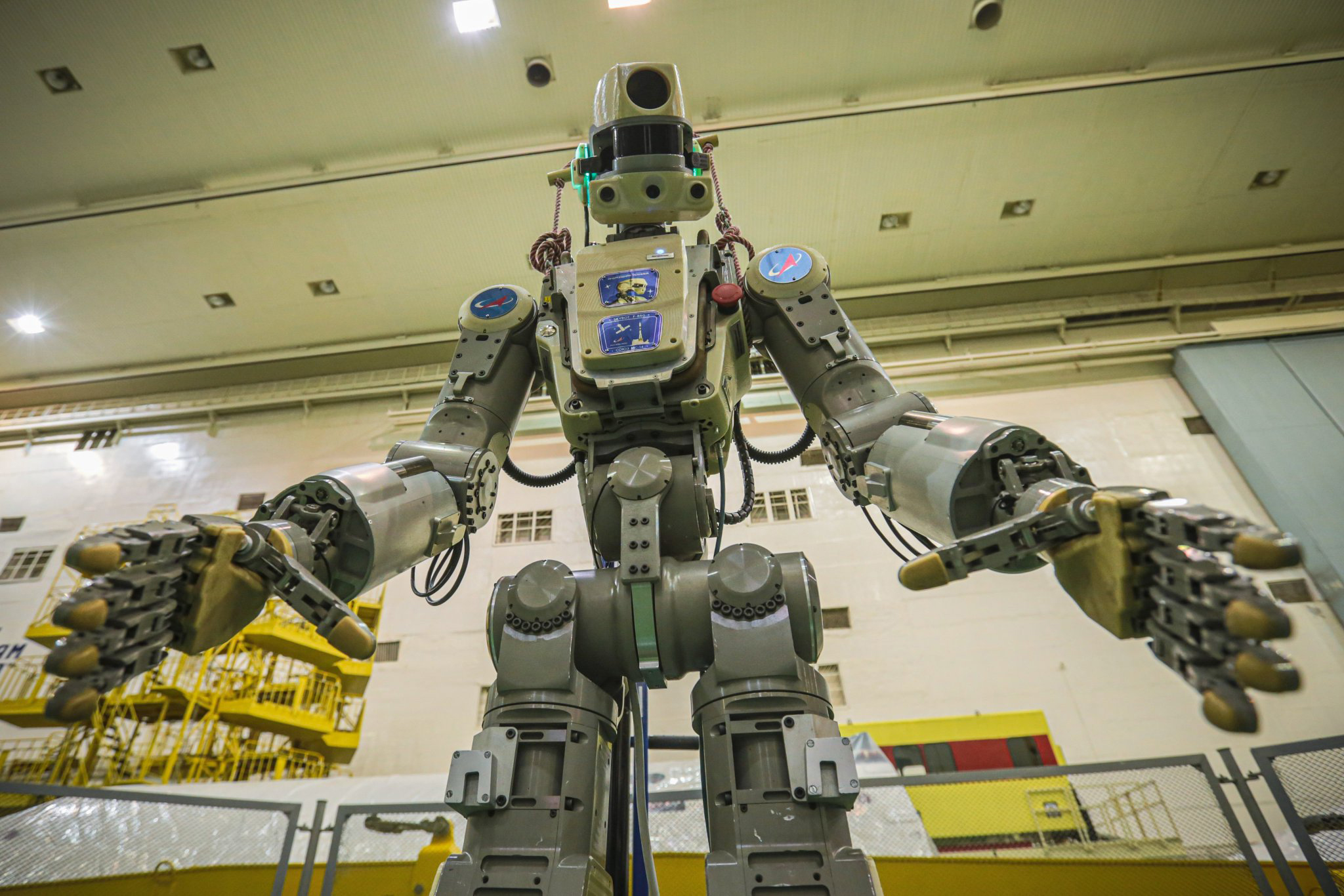
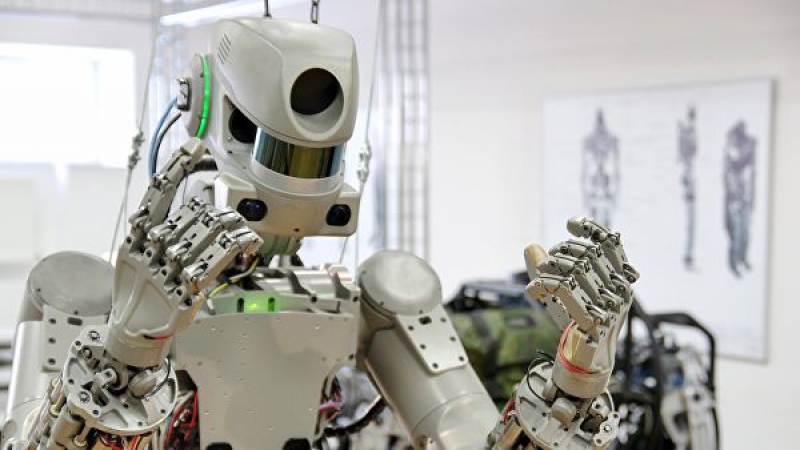
Height: 1840 mm, weight: 106 kg, 48 degrees of freedom, max walking speed: 1.8 km/h, battery life: ~1 hour. It uses series elastic actuators and is equipped with stereo cameras, IMU, laser rangefinders, and force/torque sensors.
FEDOR was built by Android Technics, a robotics company founded in 2009 and based in Magnitogorsk, Russia. The project was co-sponsored by the Russian Foundation for Advanced Research Projects and Roscosmos.
Battery endurance is approximately 1 hour of continuous operation. The system uses batteries derived from the Russian Orlan spacesuit, and charging details have not been publicly released. External power is required for longer tests.
FEDOR was targeted at space (ISS maintenance), search and rescue, hazardous environment inspection, and defense. Its actual deployment was limited to a single ISS mission in 2019; no industrial or commercial usage has occurred.