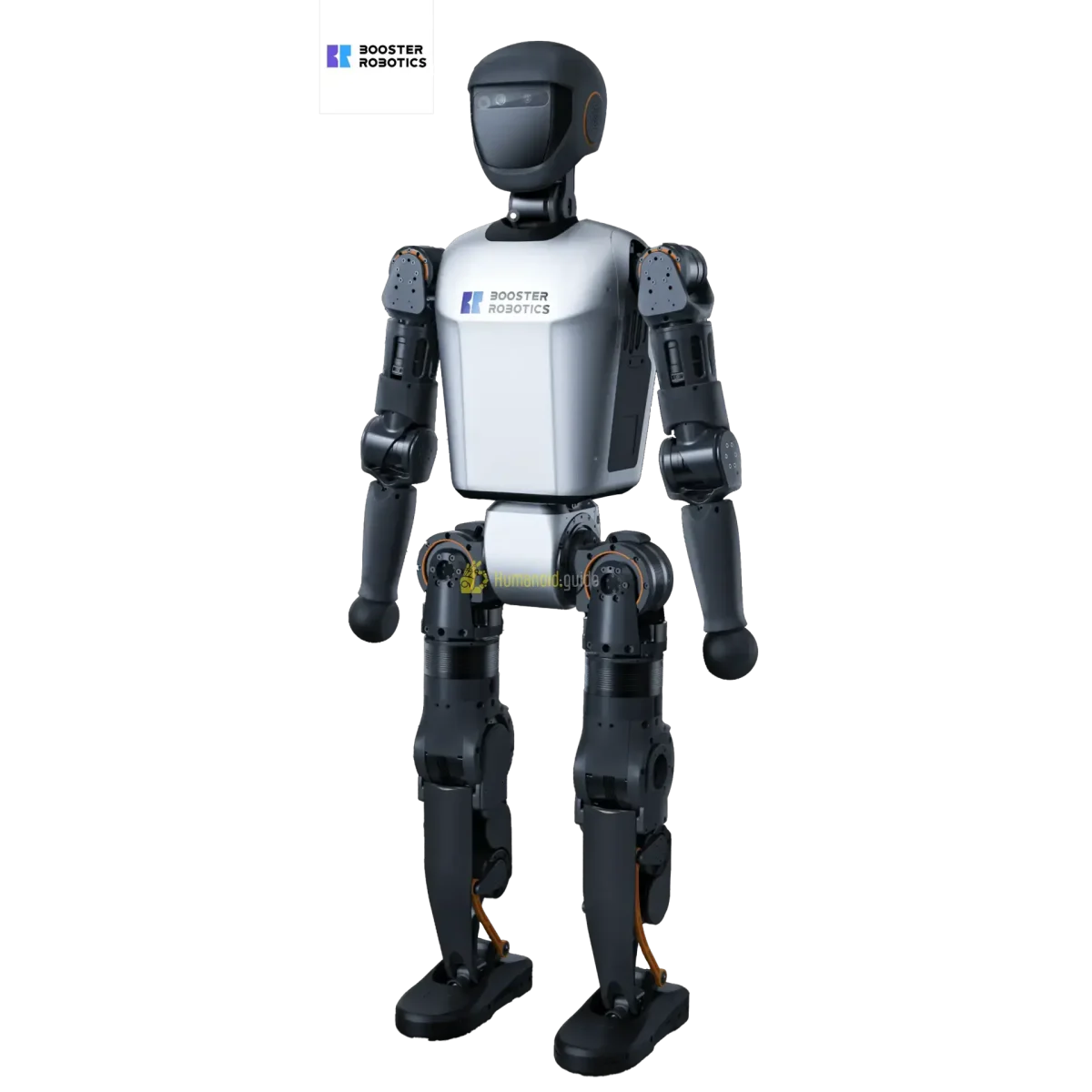
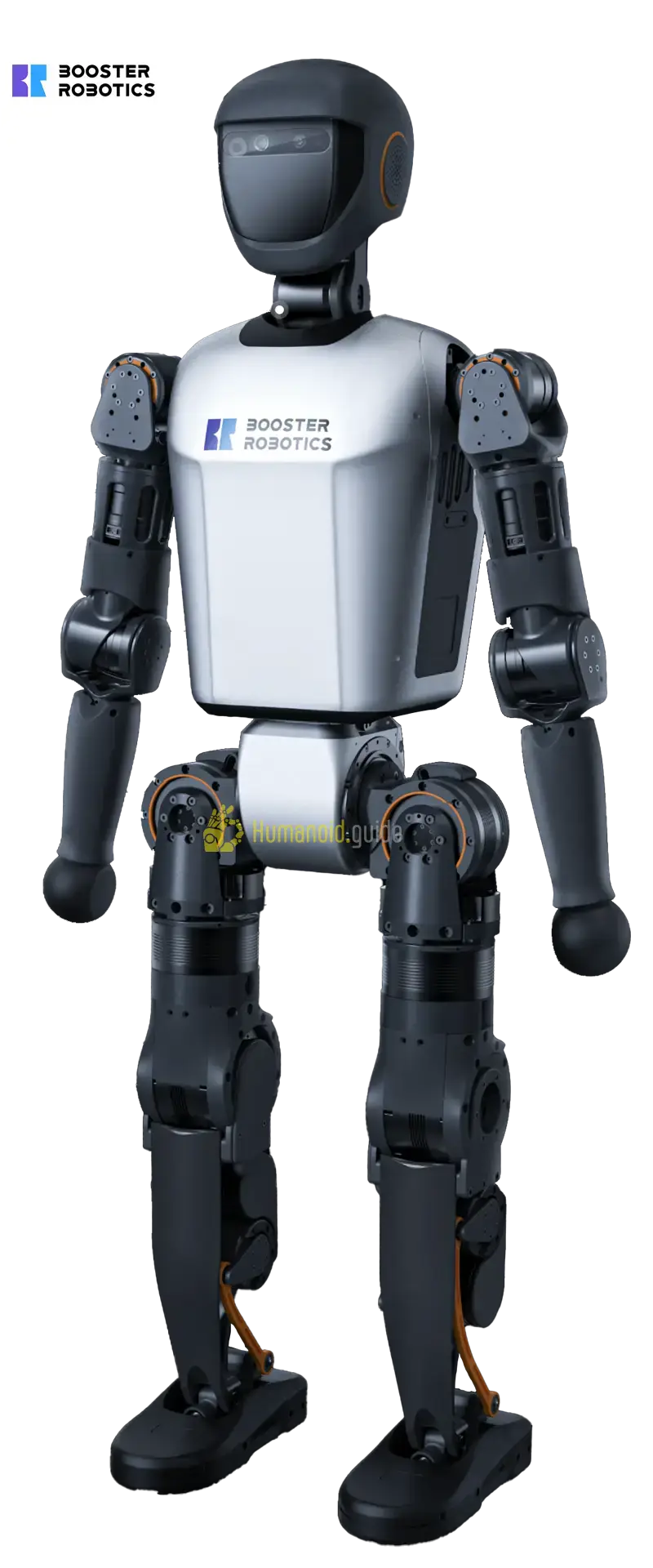
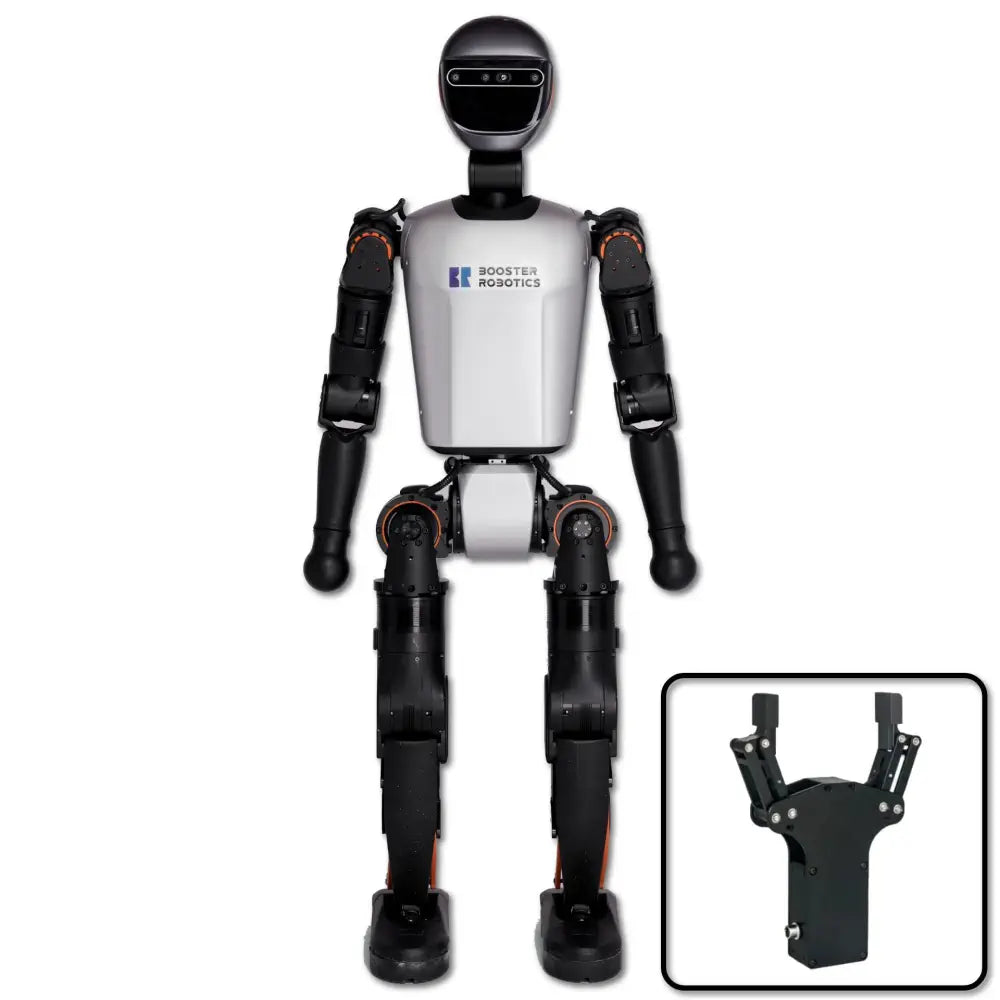
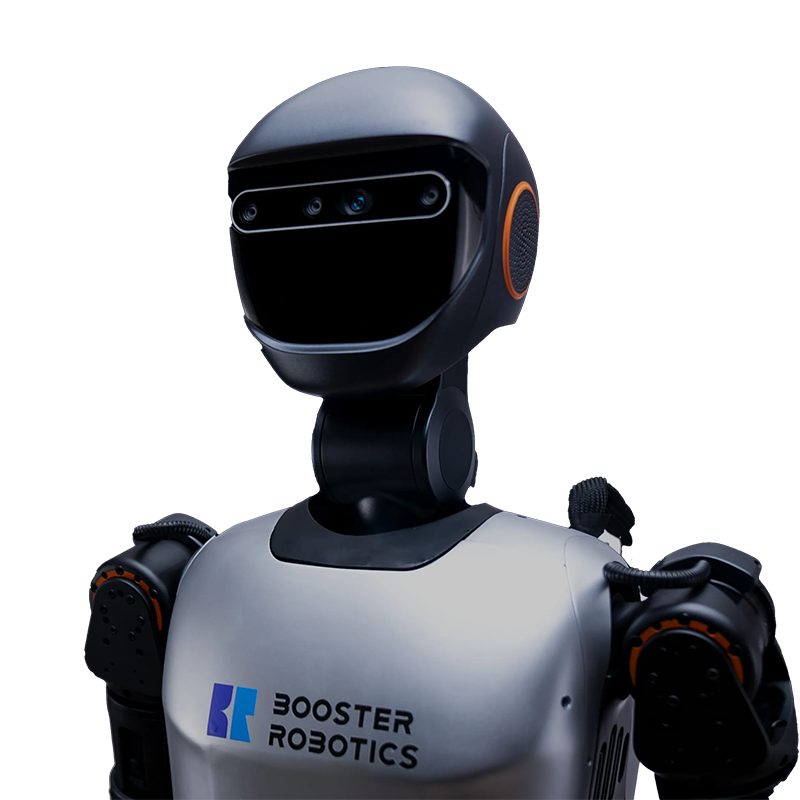
$22,000, according to reseller listings. Pricing may vary based on region and order size. Pre-order availability is through distributors like MERA Robotics.
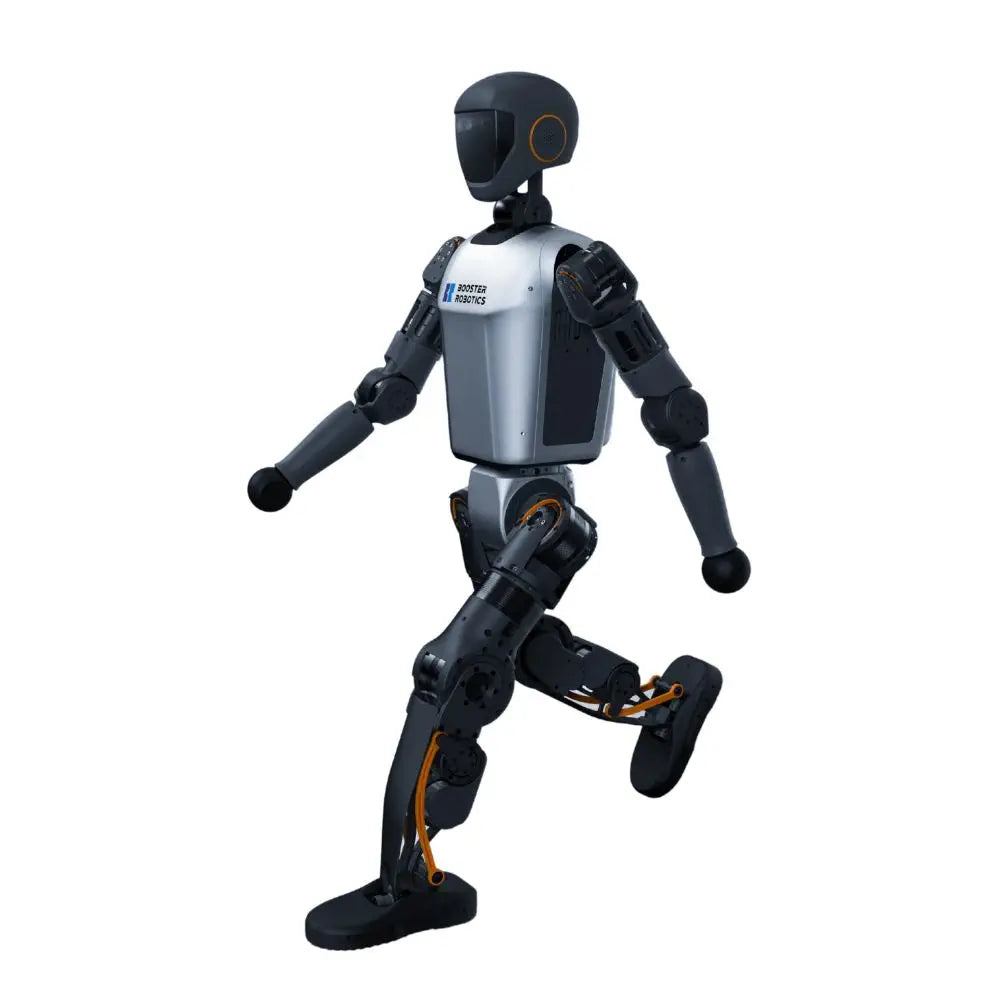
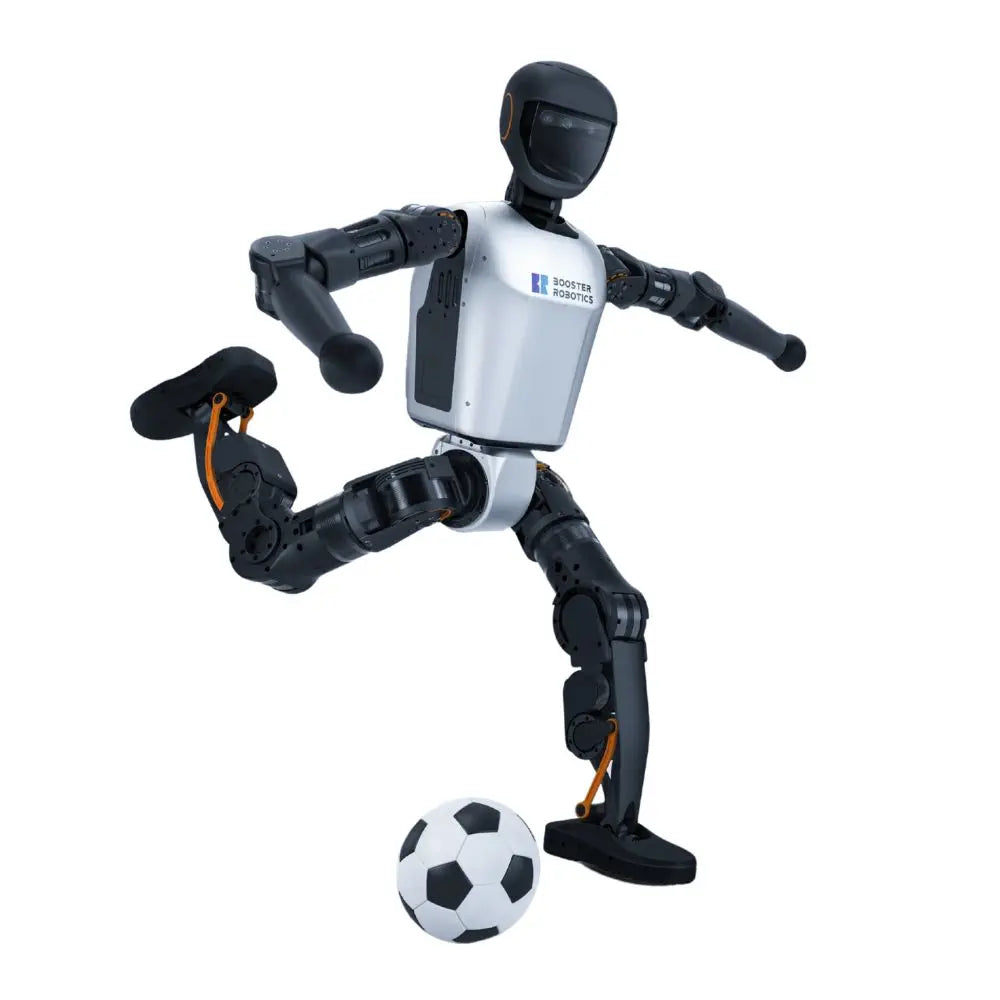
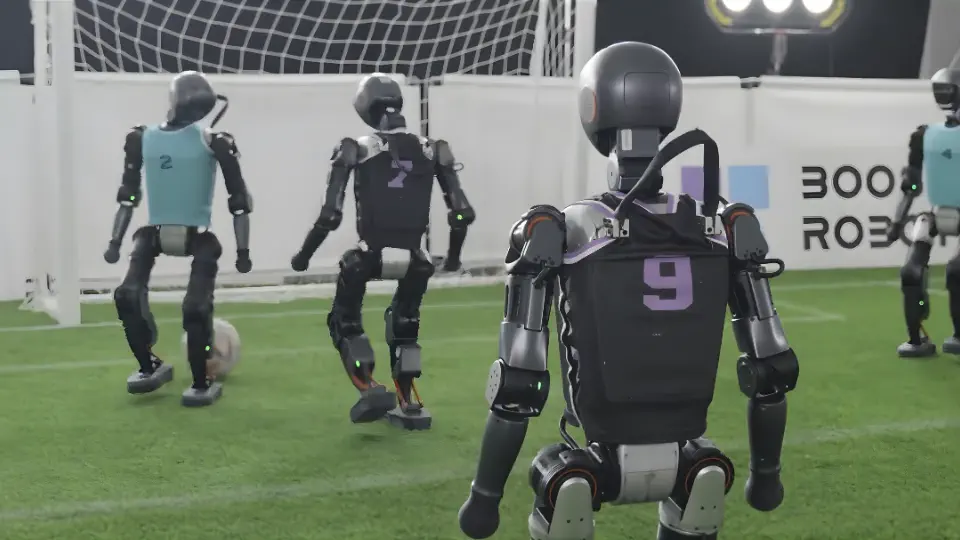
It is designed for dynamic walking, running, and agile motions for research and humanoid soccer. With a top speed of 18 km/h, it can compete in RoboCup leagues. Its open SDK allows developers to program custom gaits.
Yes, it is available for pre-order through select distributors. Lead times are not publicly specified, but early units have shipped to research partners.
The Booster T1 is more athletic and faster (18 km/h vs Unitree G1's walking speed of ~5 km/h) but is less general-purpose. The Unitree G1 is cheaper at $16,000 and supports more manipulation tasks.
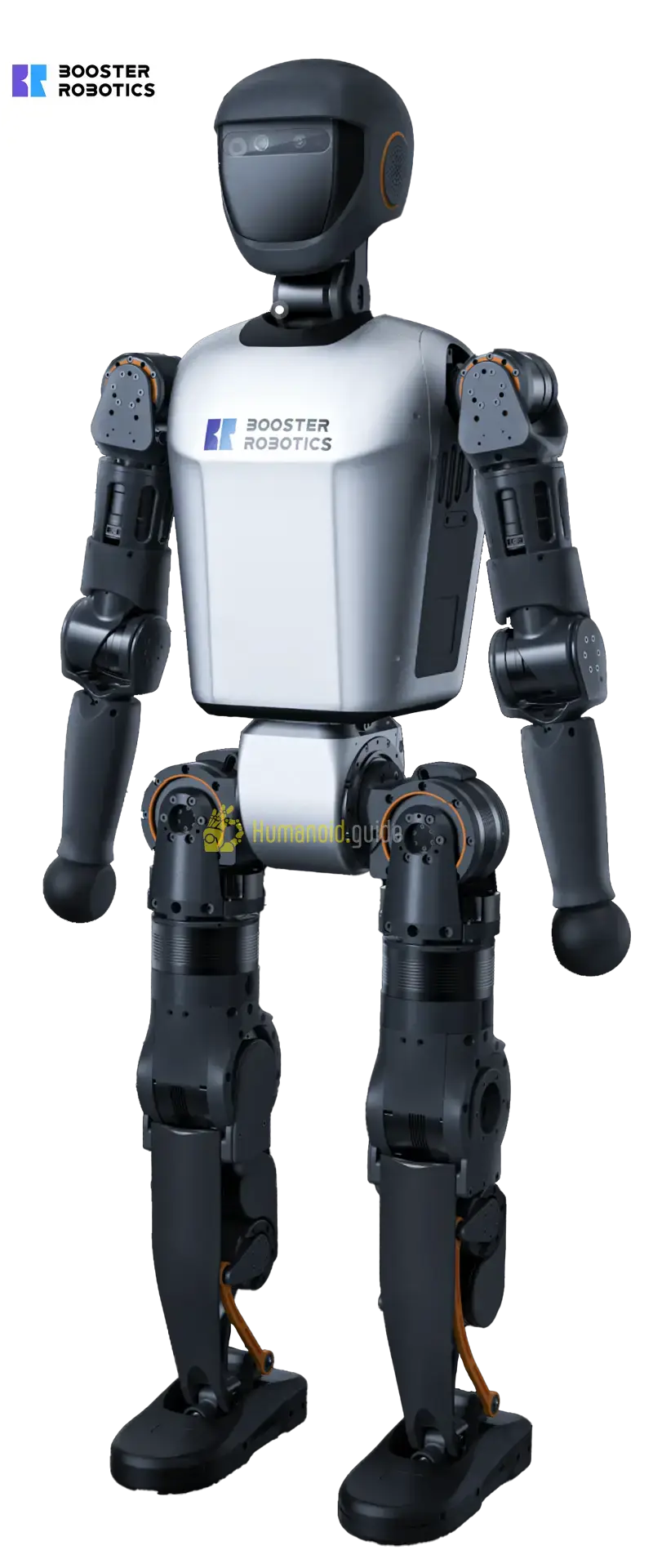
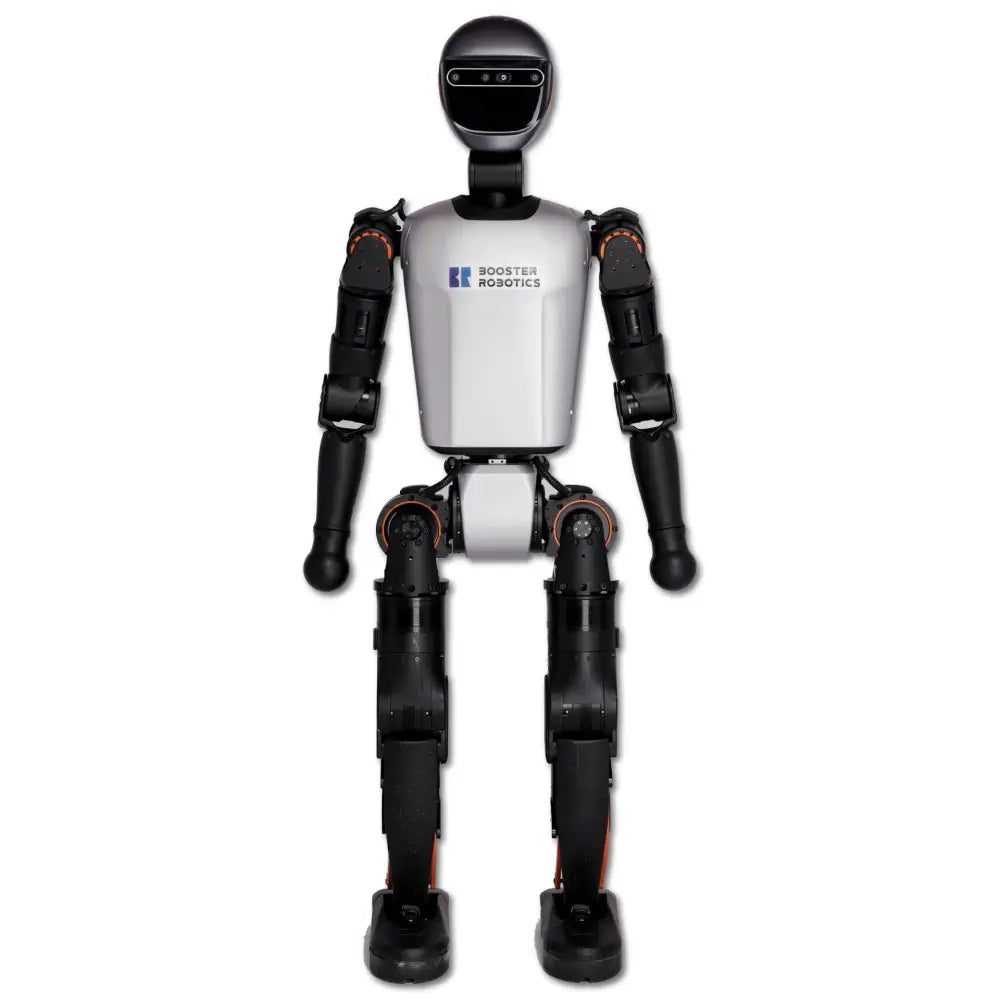
Height 118 cm, weight 30 kg, 23 DOF, max speed 18 km/h, battery life 2 hours, payload 3 kg.
Booster Robotics, a Chinese company. Little is publicly known about the company; its website is boosterobotics.com. The T1 was first revealed in 2024.
The battery lasts about 2 hours under normal use. Actual runtime depends on activity intensity. The battery is not user-swappable.
Primarily education and research, especially university labs studying dynamic locomotion and RoboCup teams. Some sports research institutions have also shown interest.
The manufacturer has not provided a safety rating, but its low weight and fall-resistant design reduce risk. It is recommended for controlled laboratory or field environments.