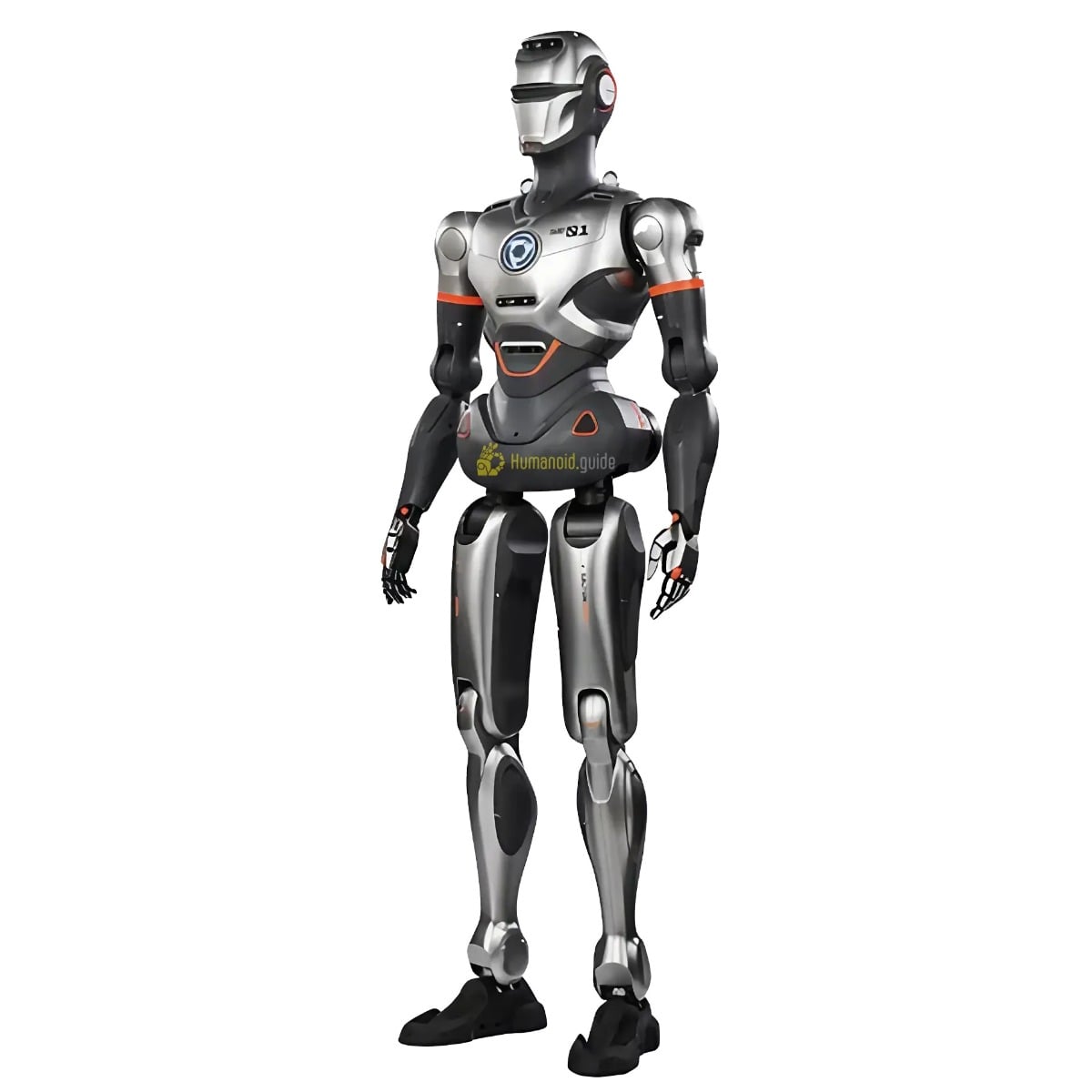
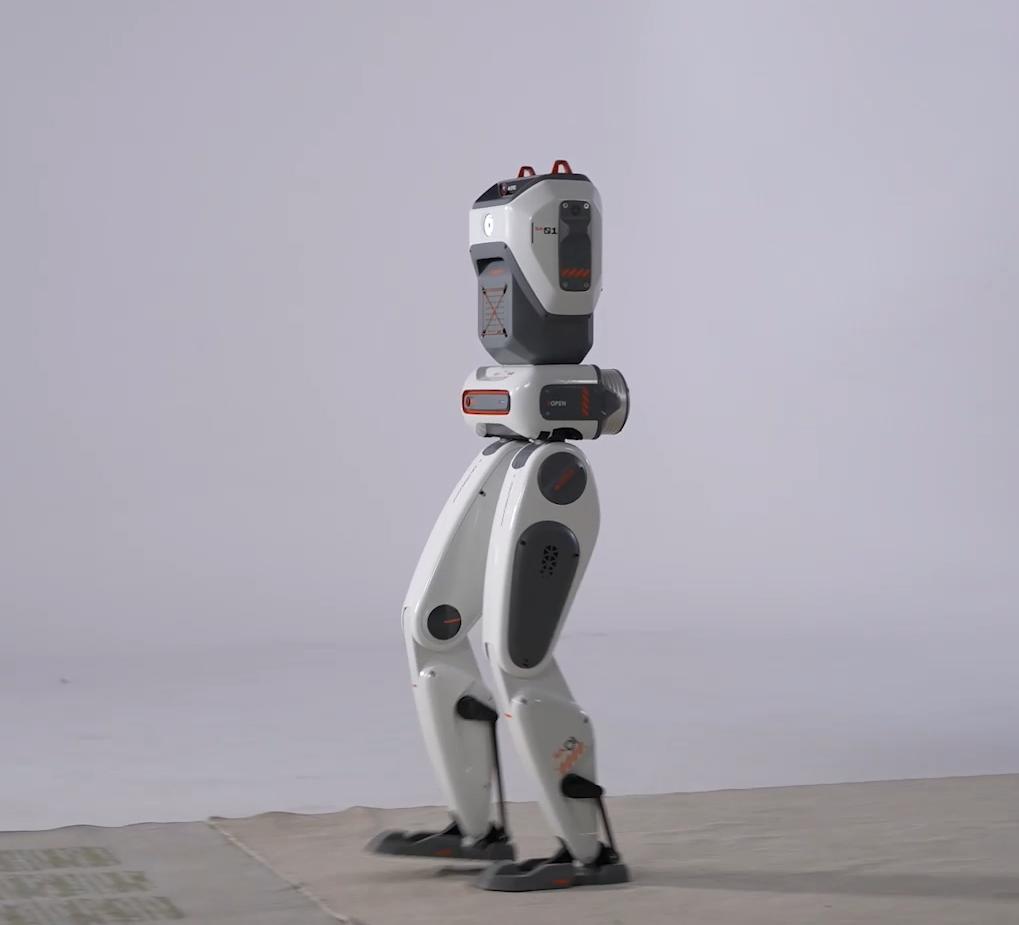
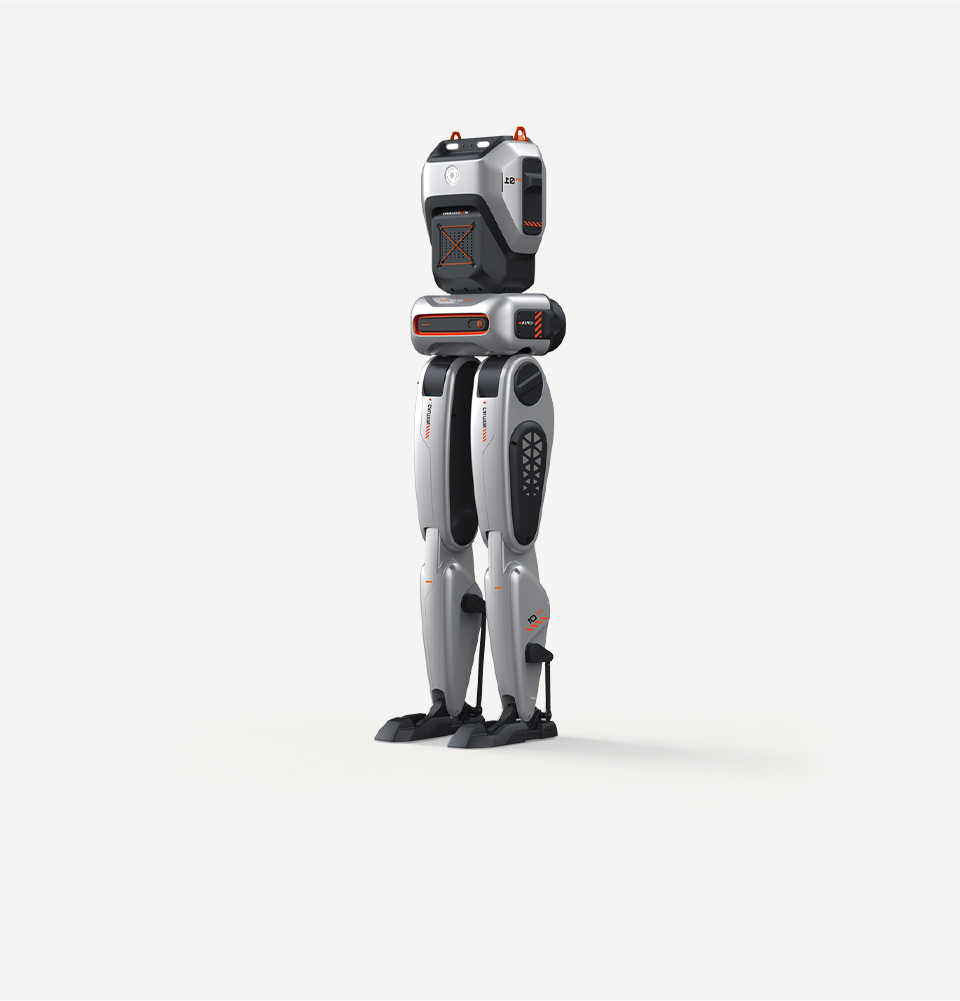
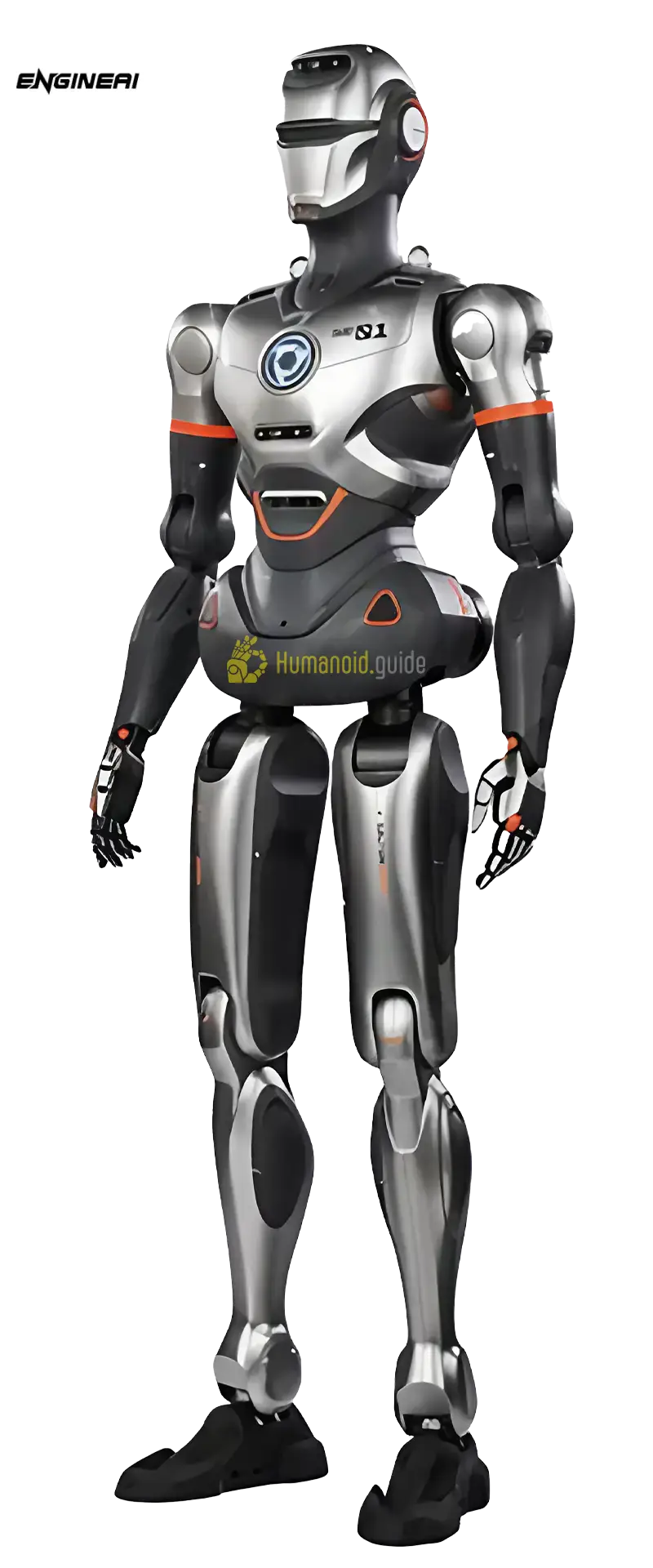
The new price is $1,999 directly from EngineAI or authorized distributors. This includes the servo motors, control board, battery, fasteners, cables, and 3D model files, but not the optional Raspberry Pi 4 or the 3D‑printed structural parts (you print those yourself).
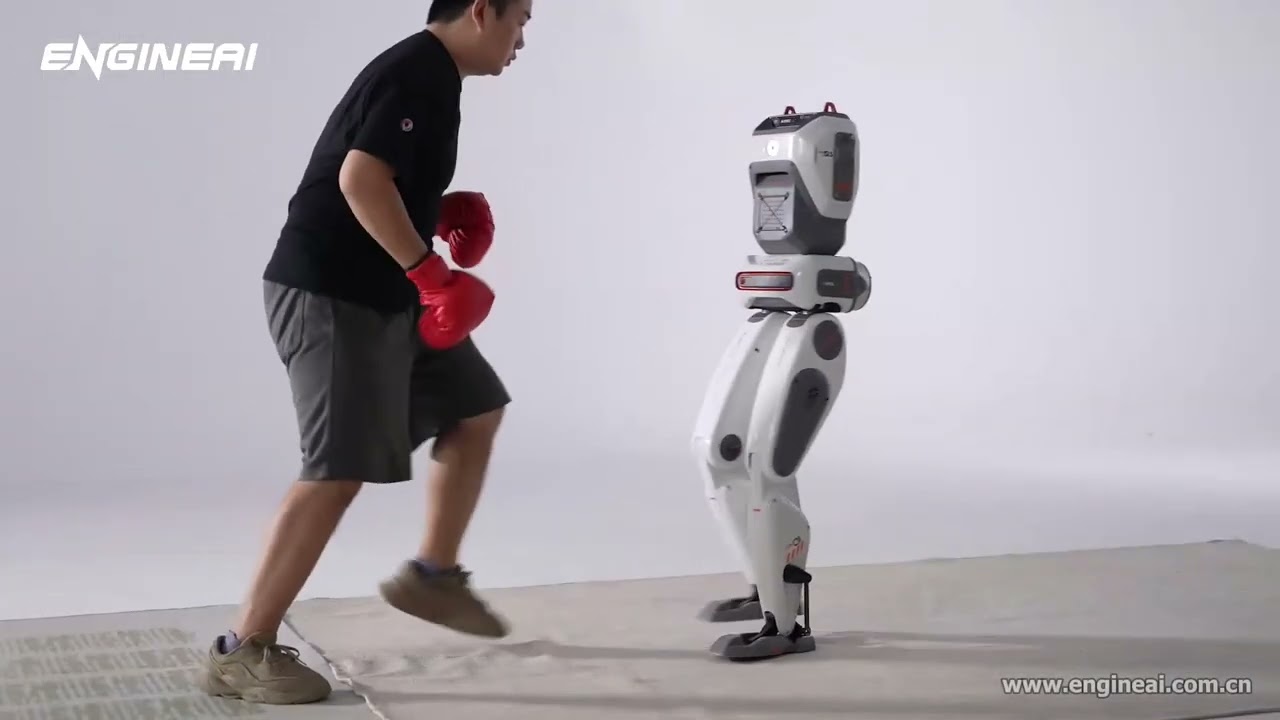
It can walk with gaits up to 1.1 km/h, perform simple manipulation (2‑finger grippers with 1 DOF per hand), pan its head, and execute ROS2‑based behaviors. Researchers use it for reinforcement learning of dynamic walking, obstacle avoidance with the optional ultrasonic sensor, and human‑robot interaction demos using a USB webcam. Its 19 DOF enable full‑body motion in a small footprint.
Yes, the SA01 is currently available for purchase. You can order it through EngineAI’s official website (engineai.com) or from robotics resellers like MERA Robotics. Lead times are typically a few weeks depending on your region, and the kit ships worldwide.
The SA01 ($1,999) has 19 DOF versus the Q1’s 16, and it runs an open‑source ROS2 stack on a Raspberry Pi, giving you full control over algorithms. The Q1 ($899) uses a closed‑source firmware and simpler microcontroller, limiting reprogrammability. The SA01’s 3D‑printed frame is customizable but less durable, while the Q1 uses injection‑molded plastic. Choose the SA01 for research flexibility, the Q1 for a lower‑cost, ready‑to‑run humanoid.
Height: 390 mm. Weight: 3.5 kg. Degrees of freedom: 19 (8 arms, 10 legs, 1 head, 2 hands). Battery: 7.4V LiPo 2000 mAh, providing about 1.5 hours of operation. Max speed: 1.1 km/h. Compute: optional Raspberry Pi 4 + ESP32 motor controller. Connectivity: Wi‑Fi 2.4 GHz, Bluetooth 4.2. Sensors: IMU (MPU6050), optional USB camera and ultrasonic sensor.
EngineAI (Shenzhen EngineAI Robotics Technology Co., Ltd.), founded in 2023 and headquartered in Shenzhen, China. The company rapidly expanded its humanoid lineup and debuted at CES 2025. They also produce the larger PM01 and the advanced SAO2.
The SA01 uses a swappable 7.4V 2000 mAh LiPo battery that provides roughly 1.5 hours of mixed walking and idle time. Actual runtime depends on gait speed and sensor load. Charging takes about 1.5–2 hours with a standard LiPo charger (not always included). Having a spare battery can extend lab sessions.
The robot is tailored for education and academic research. Universities deploy it in mechatronics and AI courses, while reinforcement learning labs use it for gait development. Some makerspaces and STEM outreach programs also adopt the SA01 for its low barrier to entry and community‑driven curriculum resources.