HUBO robots are not sold to the public. A few HUBO2+ units were transferred to partner labs, but no list price was disclosed. Material cost estimates for a DRC‑class robot are around $22,000, excluding labour and overhead.
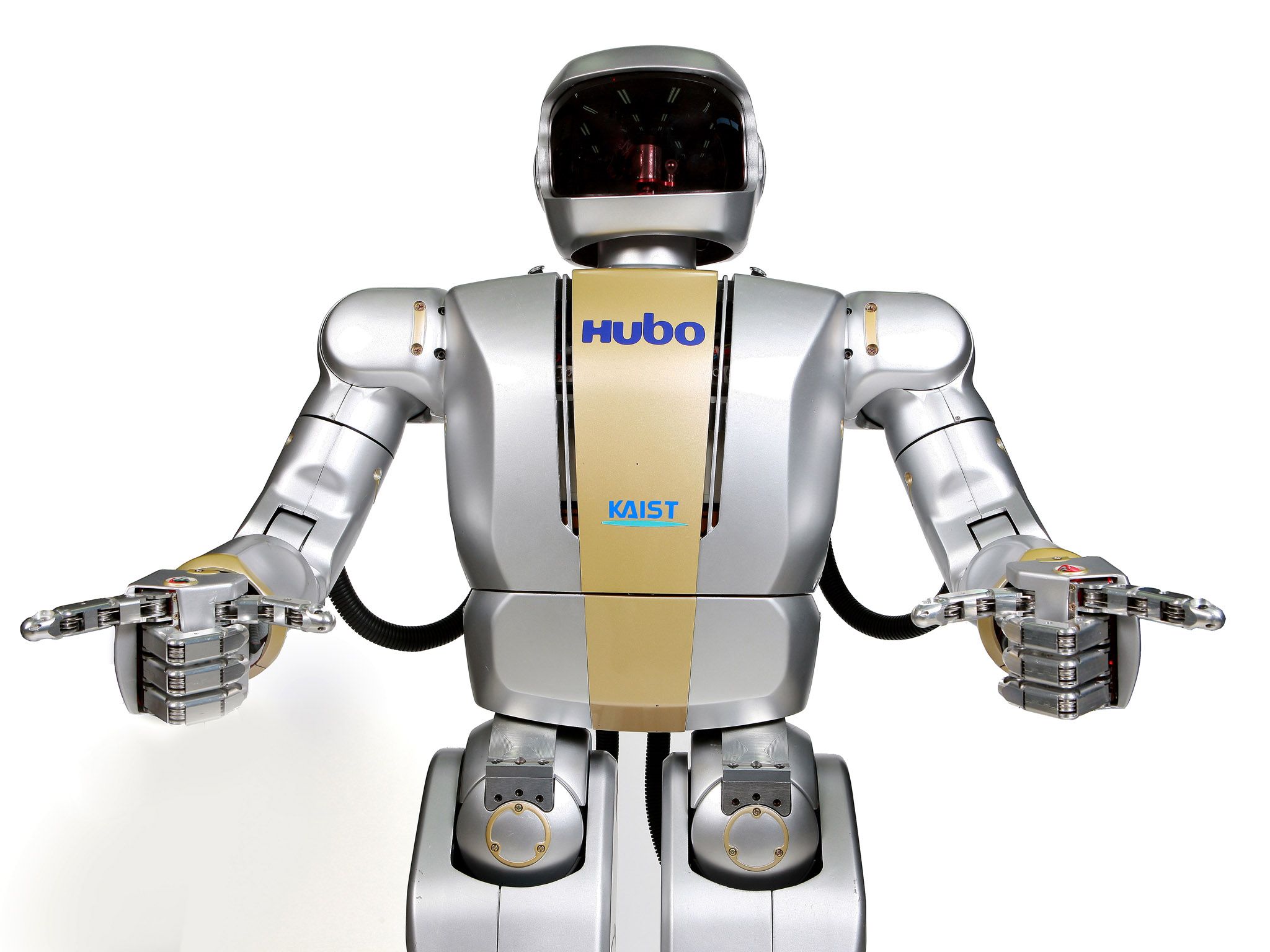
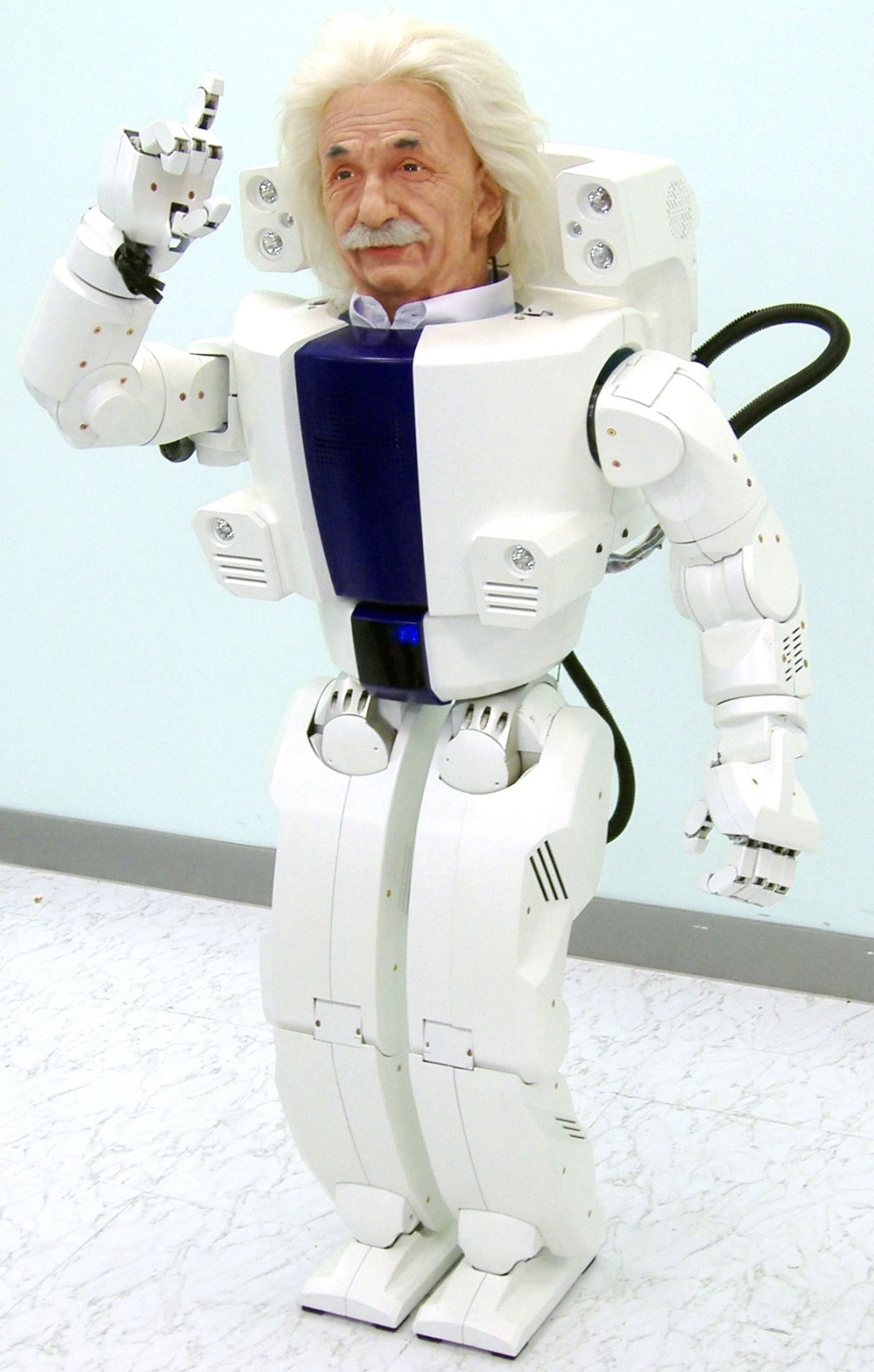
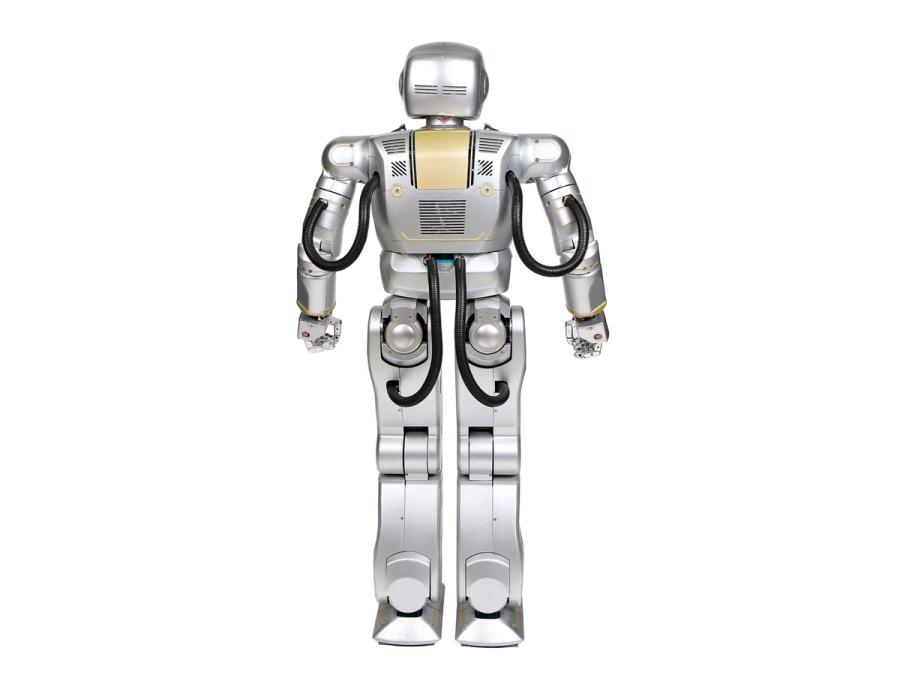
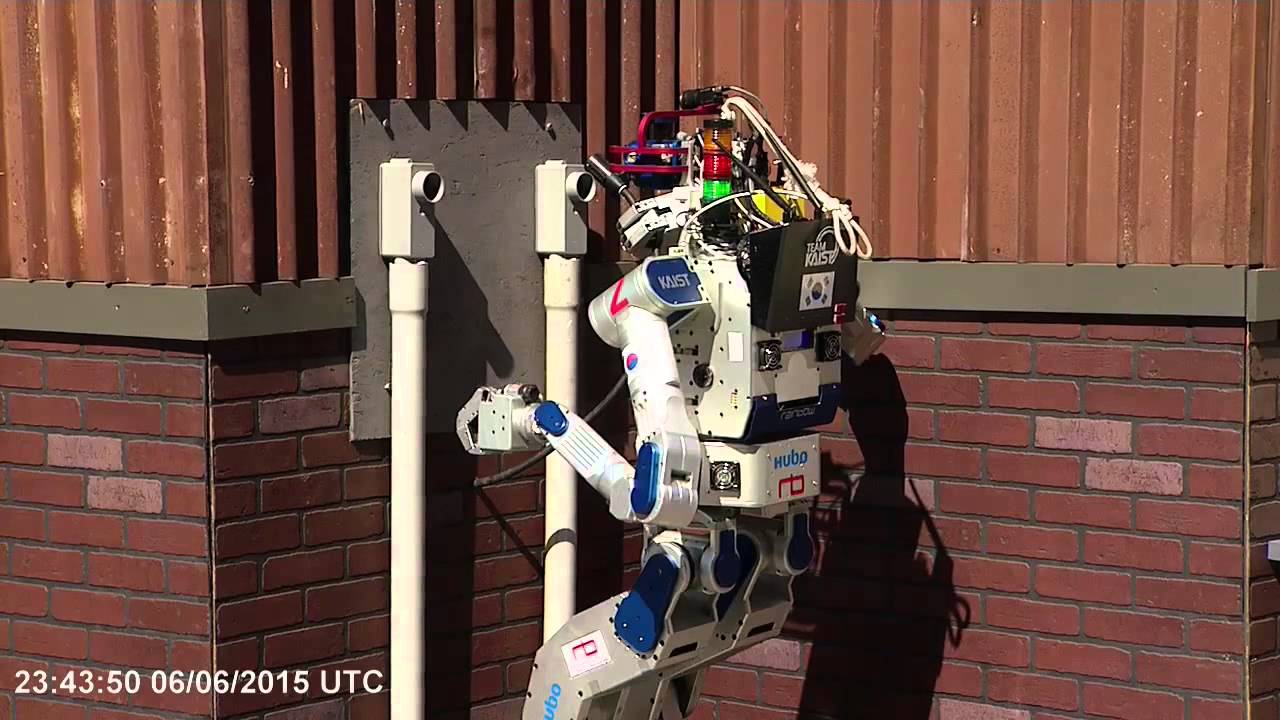
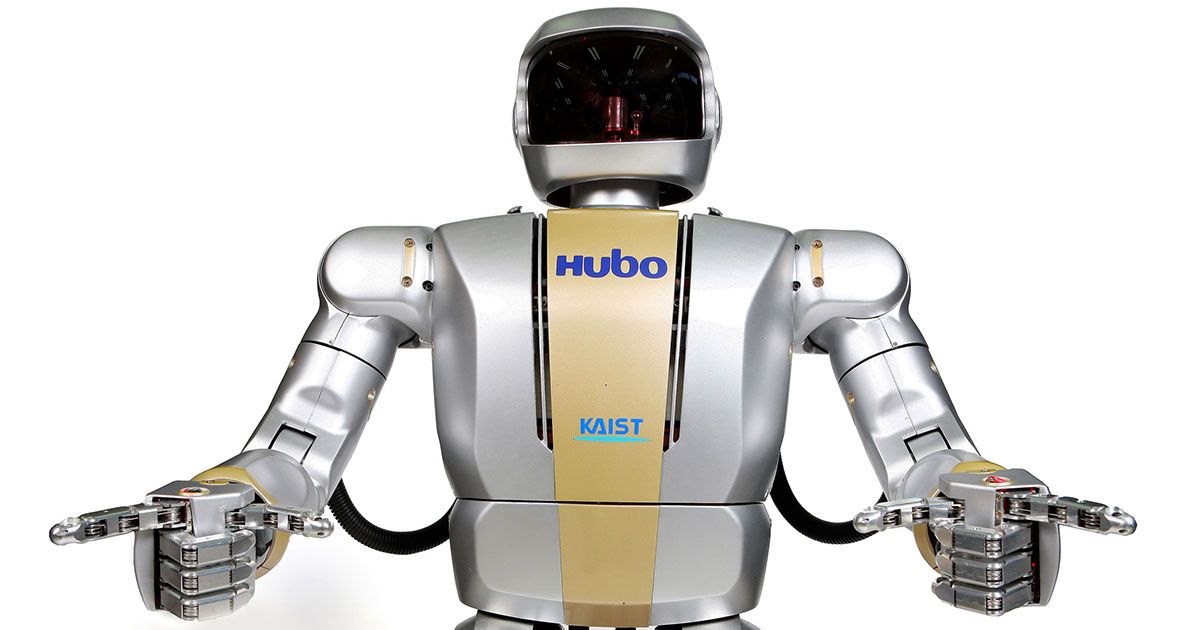
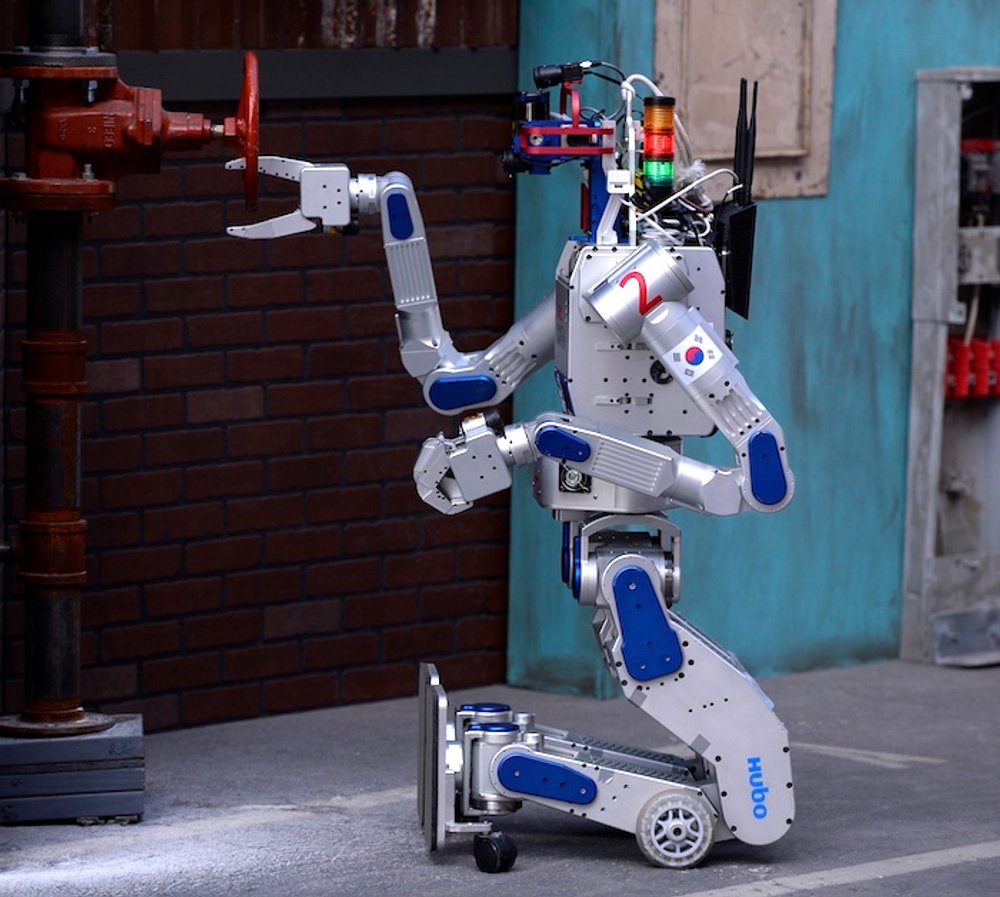
They are full‑size humanoid research platforms capable of bipedal walking, stair climbing, object manipulation, and semi‑autonomous navigation. DRC‑HUBO transforms to wheeled locomotion for rough terrain and can operate tools, turn valves, and lift 15 kg per arm.
No. The entire HUBO family is a research project. Units are built in‑house and occasionally supplied to partner universities under collaboration agreements. There is no retail channel, and no used market exists.
Atlas uses hydraulic actuation for extreme agility (backflips, parkour) but is not available for purchase. HUBO uses electric actuators and won the DARPA Robotics Challenge using a wheel‑leg hybrid strategy, showing superior disaster‑response performance in that specific context.
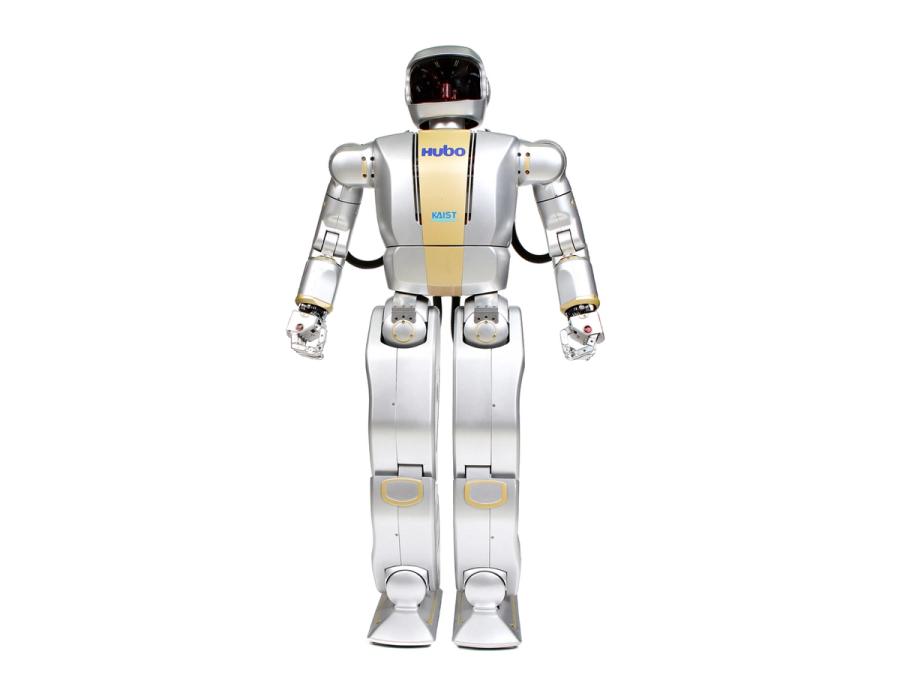
Representative specs based on DRC‑HUBO: height 160 cm, weight 80 kg, 34 degrees of freedom, 1‑hour battery life, max speed 12 km/h in wheeled mode, and 15 kg payload per arm.
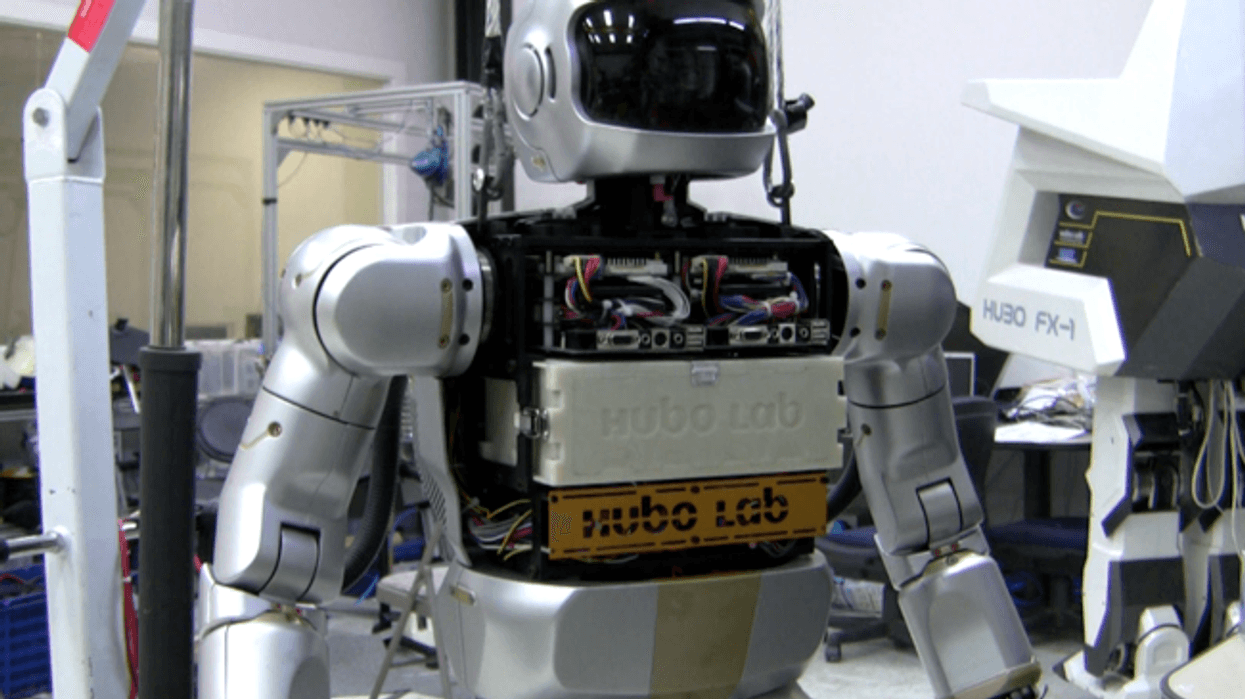
The Hubo Lab (KAIST, Korea Advanced Institute of Science and Technology) in Daejeon, South Korea, under Professor Jun‑Ho Oh. The first robot was completed in 2002.
DRC‑HUBO operates for about 1 hour on a lithium‑ion pack. No swappable battery system was reported; charging details are not publicly documented.
It is used exclusively in academic research and disaster‑response prototyping. There are no commercial or industrial deployments.