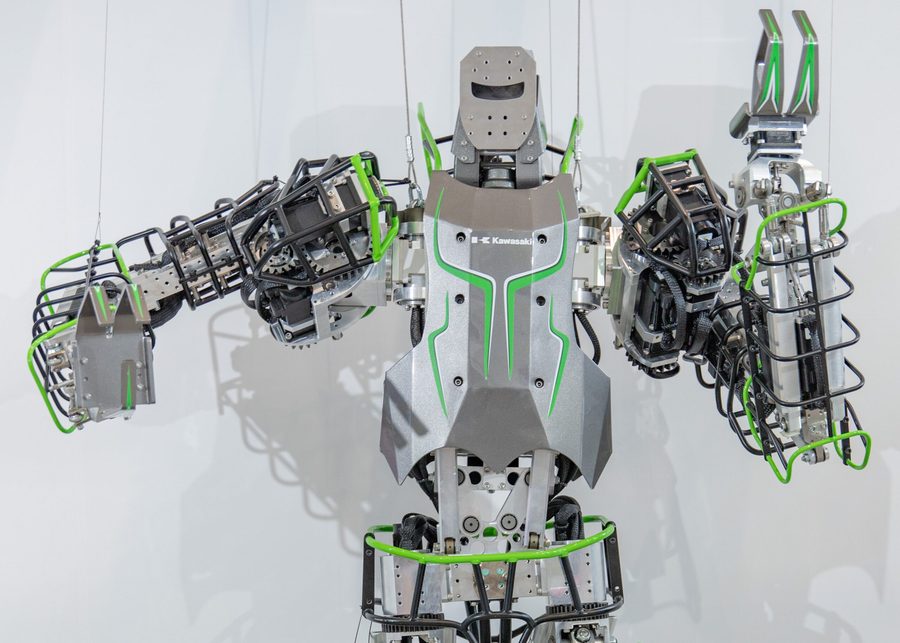
The Kaleido SLC has no listed price because it is a development platform, not commercially available. Any cost would be purely speculative.
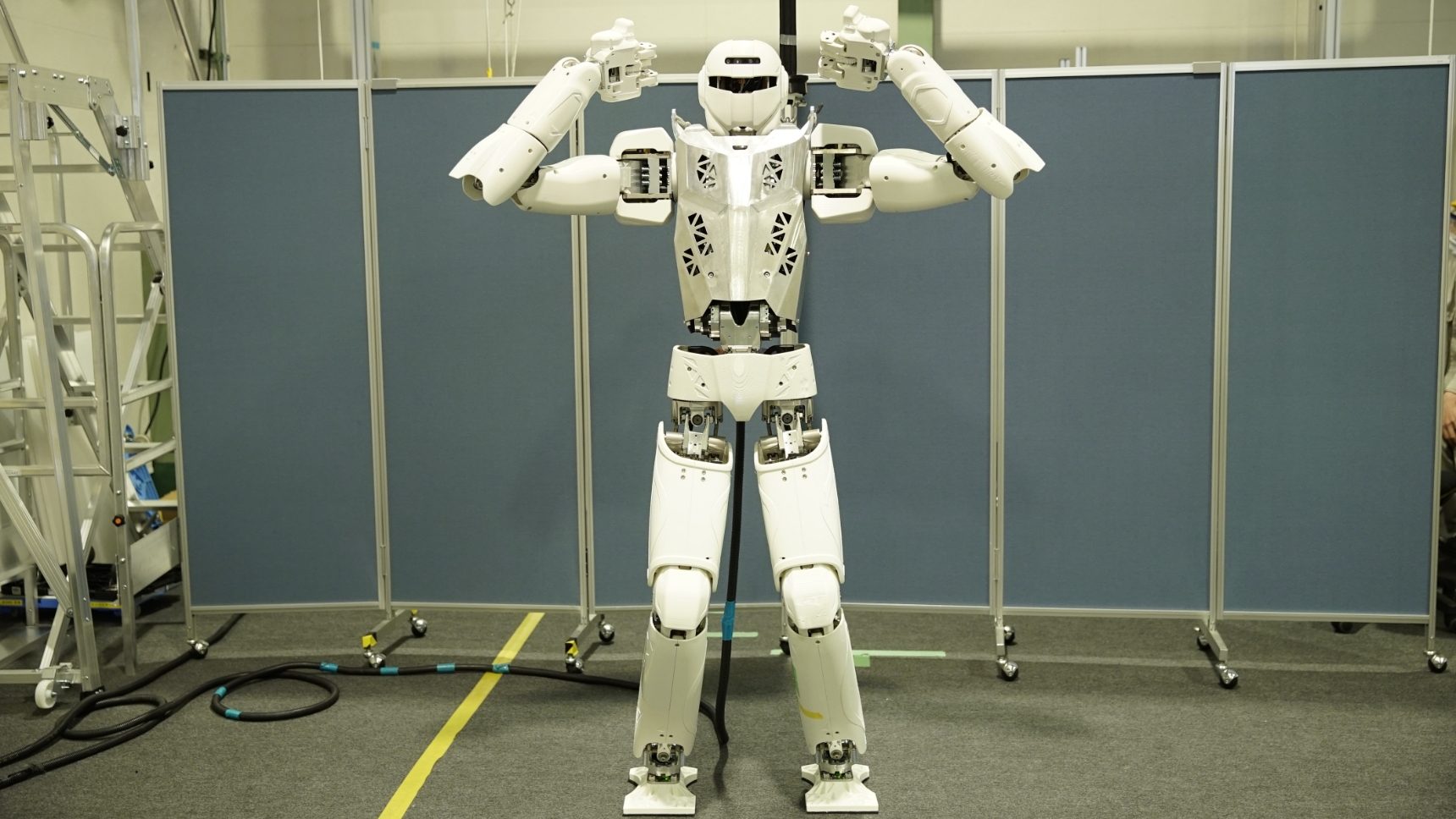
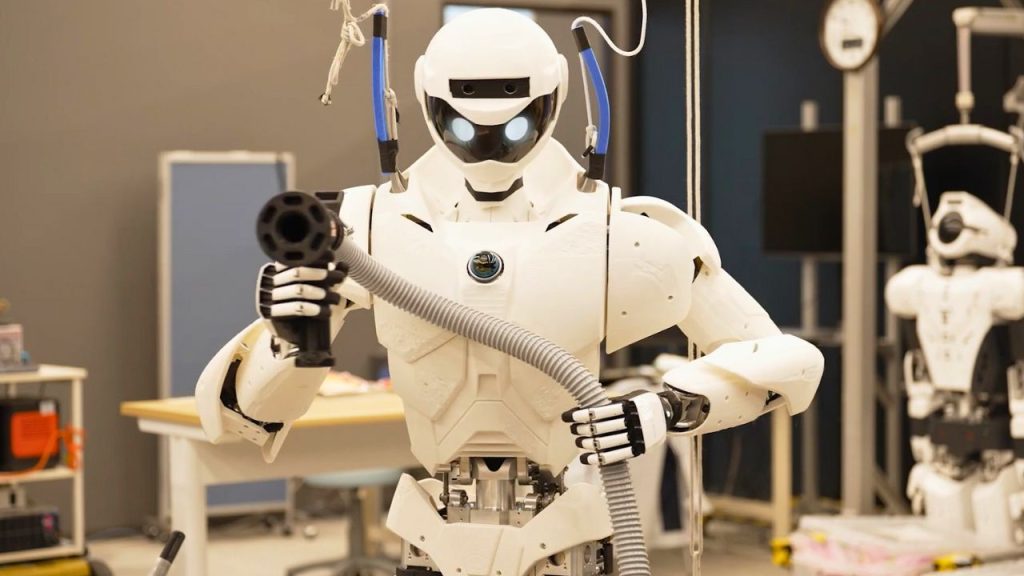
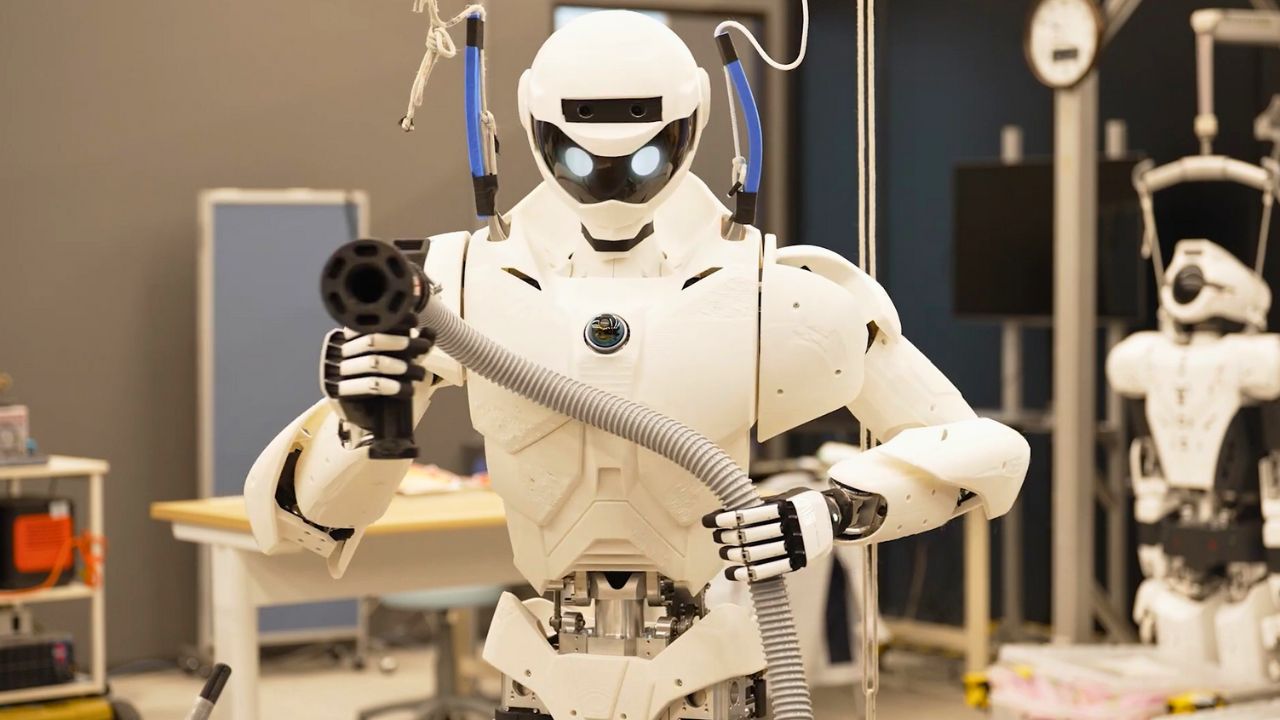
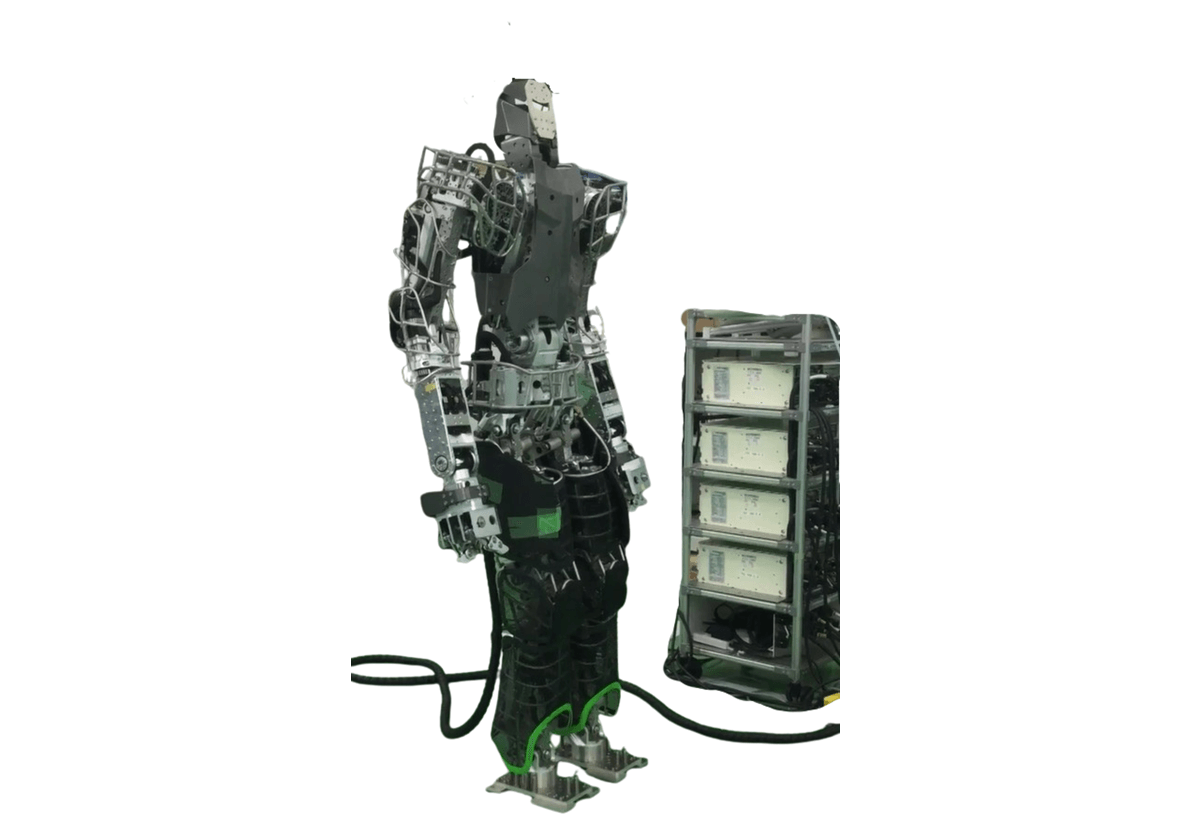
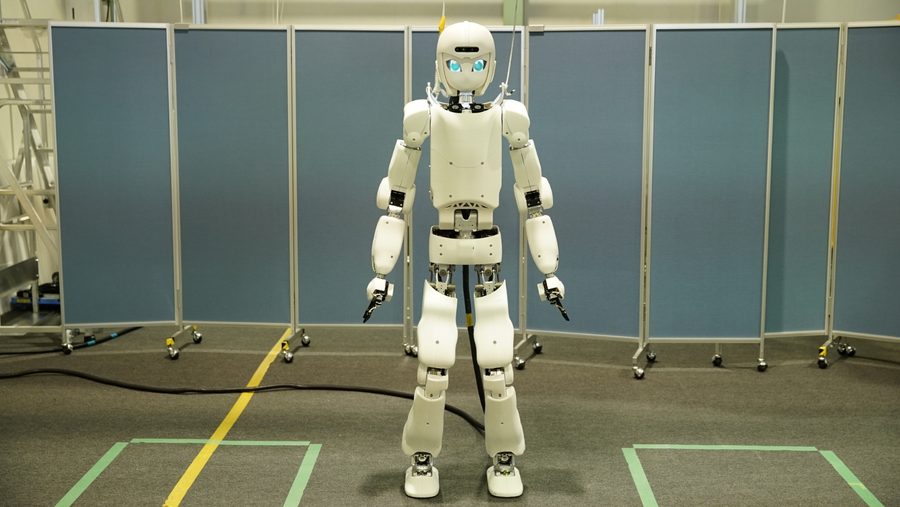
As a research humanoid, it is designed for heavy-duty tasks like disaster response, construction, and maintenance. Demonstrated capabilities include ladder climbing, tool manipulation, and rough-terrain traversal, though specific performance metrics are not public.
No. The robot is strictly a development prototype within Kawasaki’s internal R&D program. There is no commercial availability or ordering process.
Both are heavy-duty humanoid research platforms not sold to the public. Atlas emphasizes dynamic agility and athletic movements, while Kaleido focuses on robust, industrial-grade durability for tasks like heavy lifting and disaster response. Neither has published commercial specs or pricing.
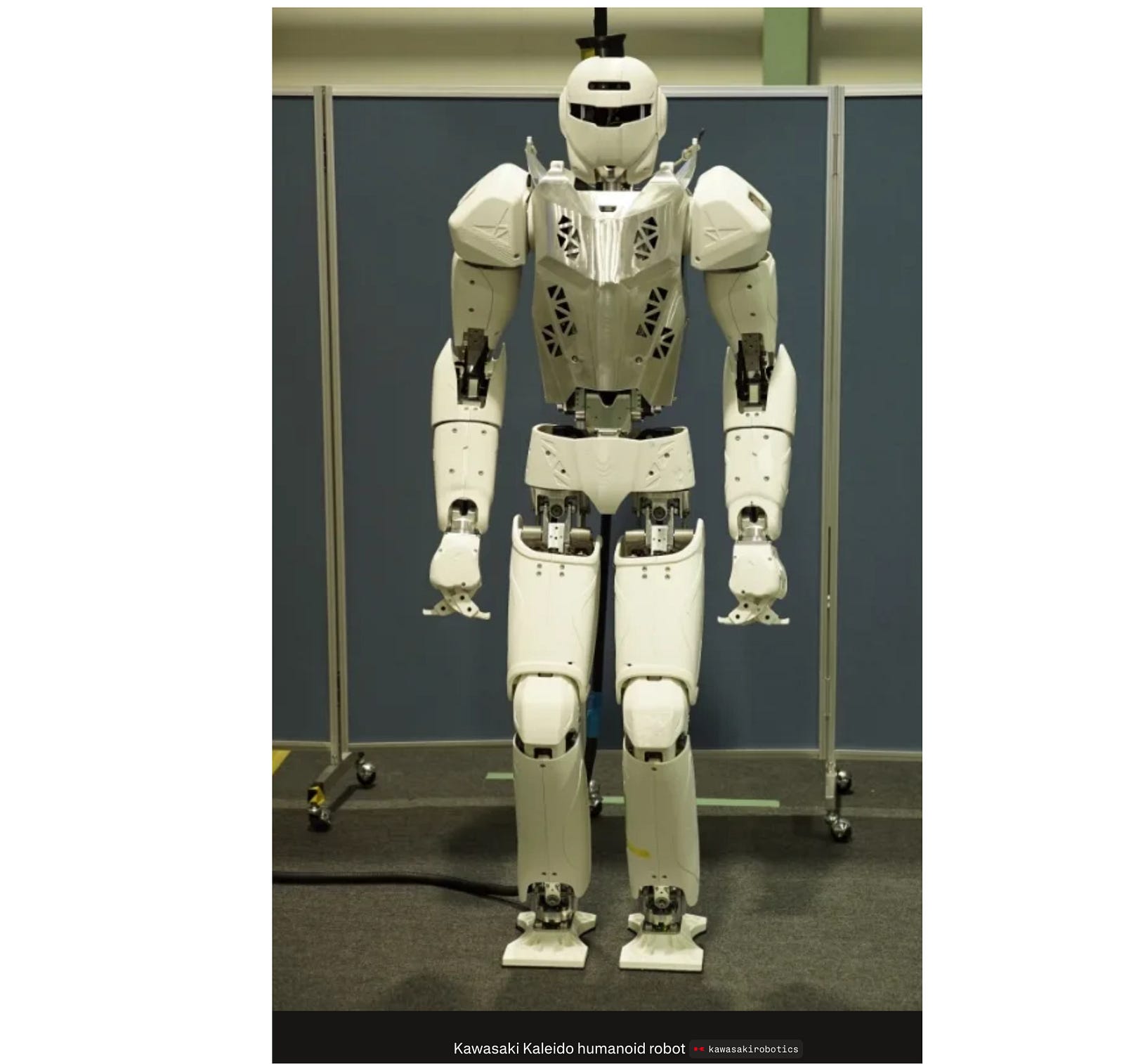
The only confirmed specification is its weight of 85 kg. Height, degrees of freedom, battery life, speed, and payload have not been publicly disclosed.
It is developed by Kawasaki Heavy Industries, a multinational manufacturer founded in 1896 and headquartered in Kobe, Japan. The company has a long history in industrial robotics and heavy machinery.
Battery runtime has not been revealed. As a research platform, it may use tethered power or custom batteries, but no official figures are available.
No industries currently use it; it is a research platform. Target applications under exploration include disaster response, construction, and industrial maintenance, but no real-world deployments exist.
No used units exist because the robot was never sold commercially. Any listing claiming otherwise is likely fraudulent.
Other pre-commercial heavy-duty humanoids include Boston Dynamics Atlas (agility focus), Tesla Optimus (low-cost target but unproven), and Agility Robotics Digit (logistics focus). None are available for purchase.