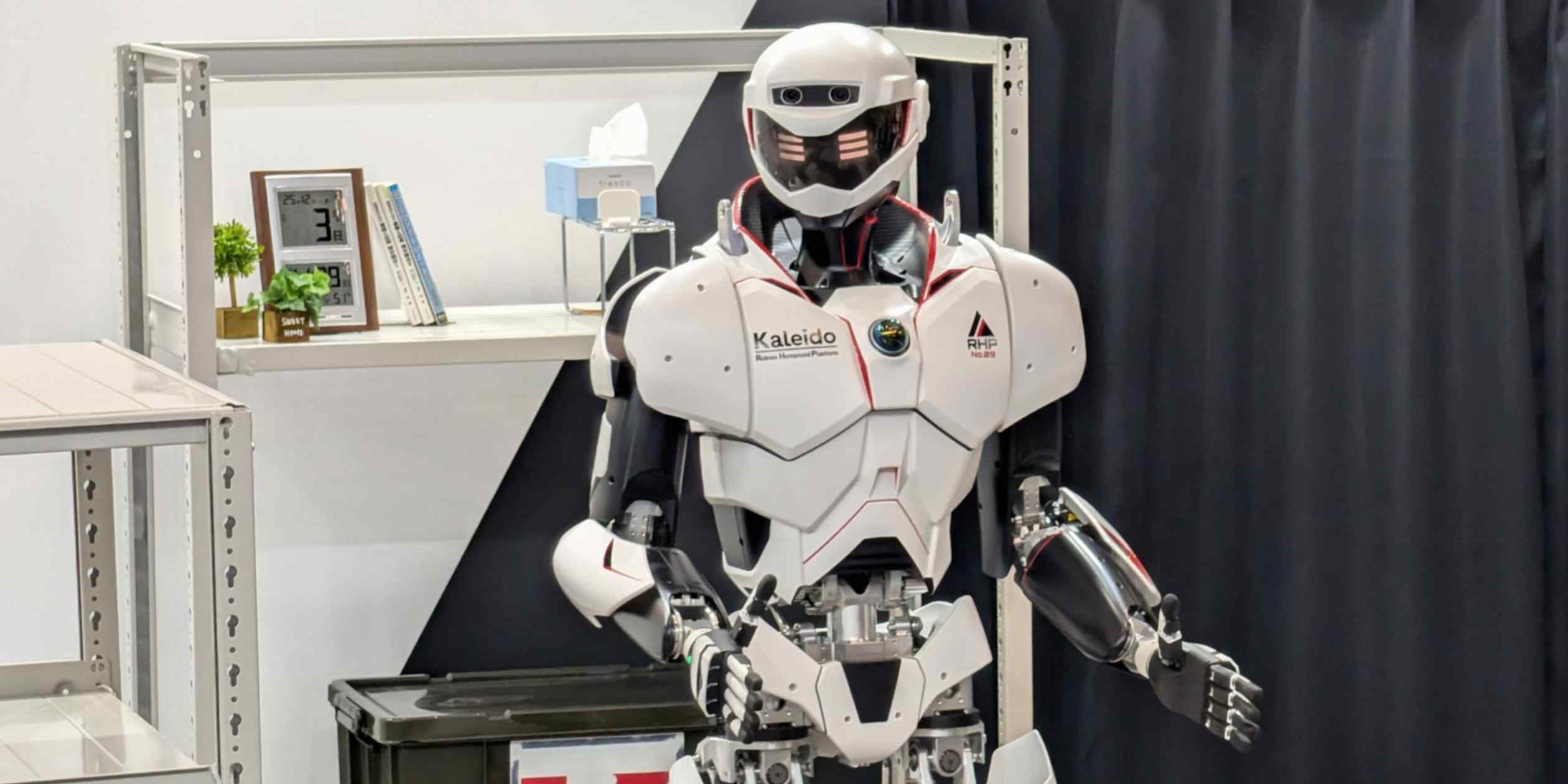
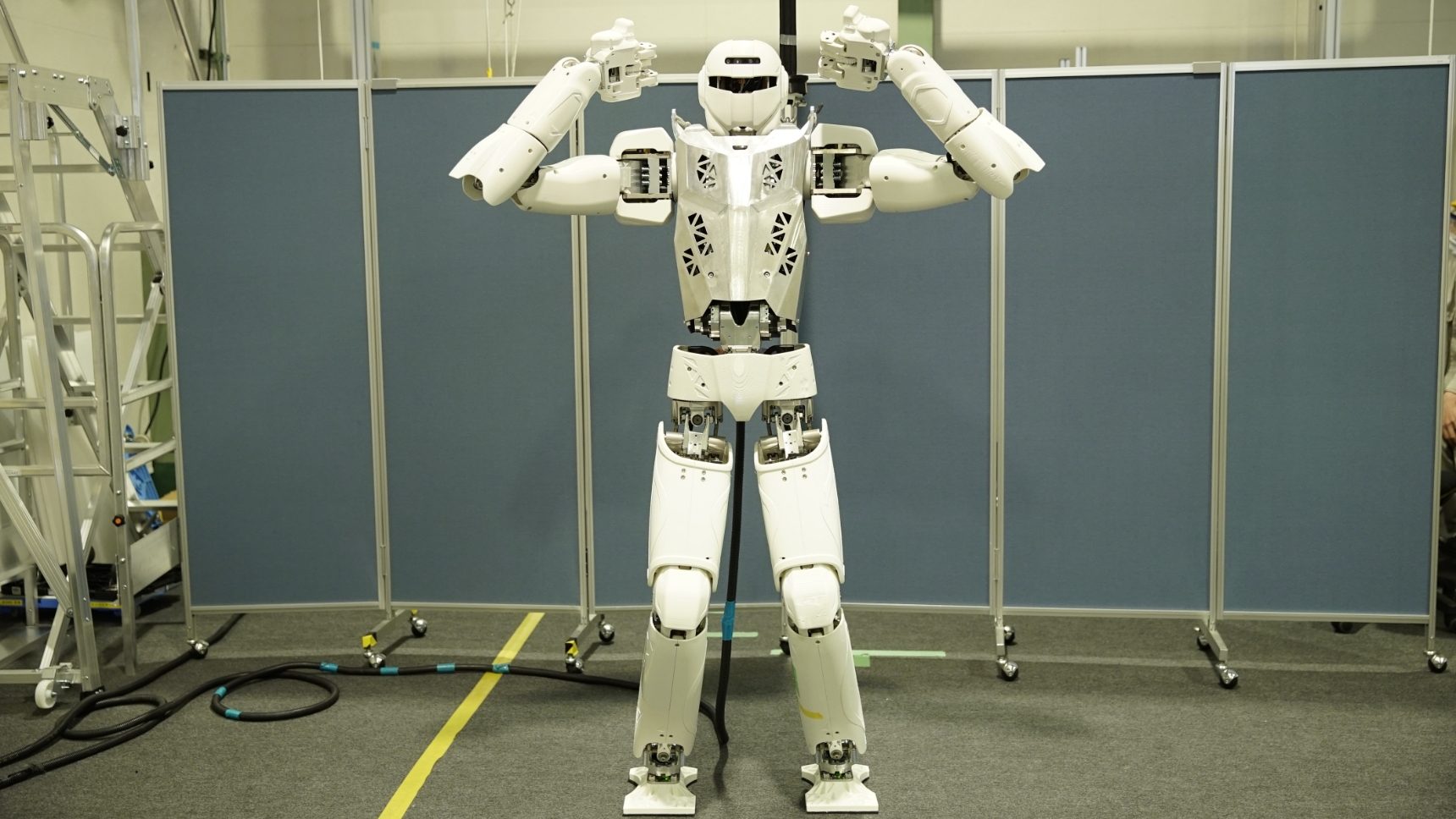
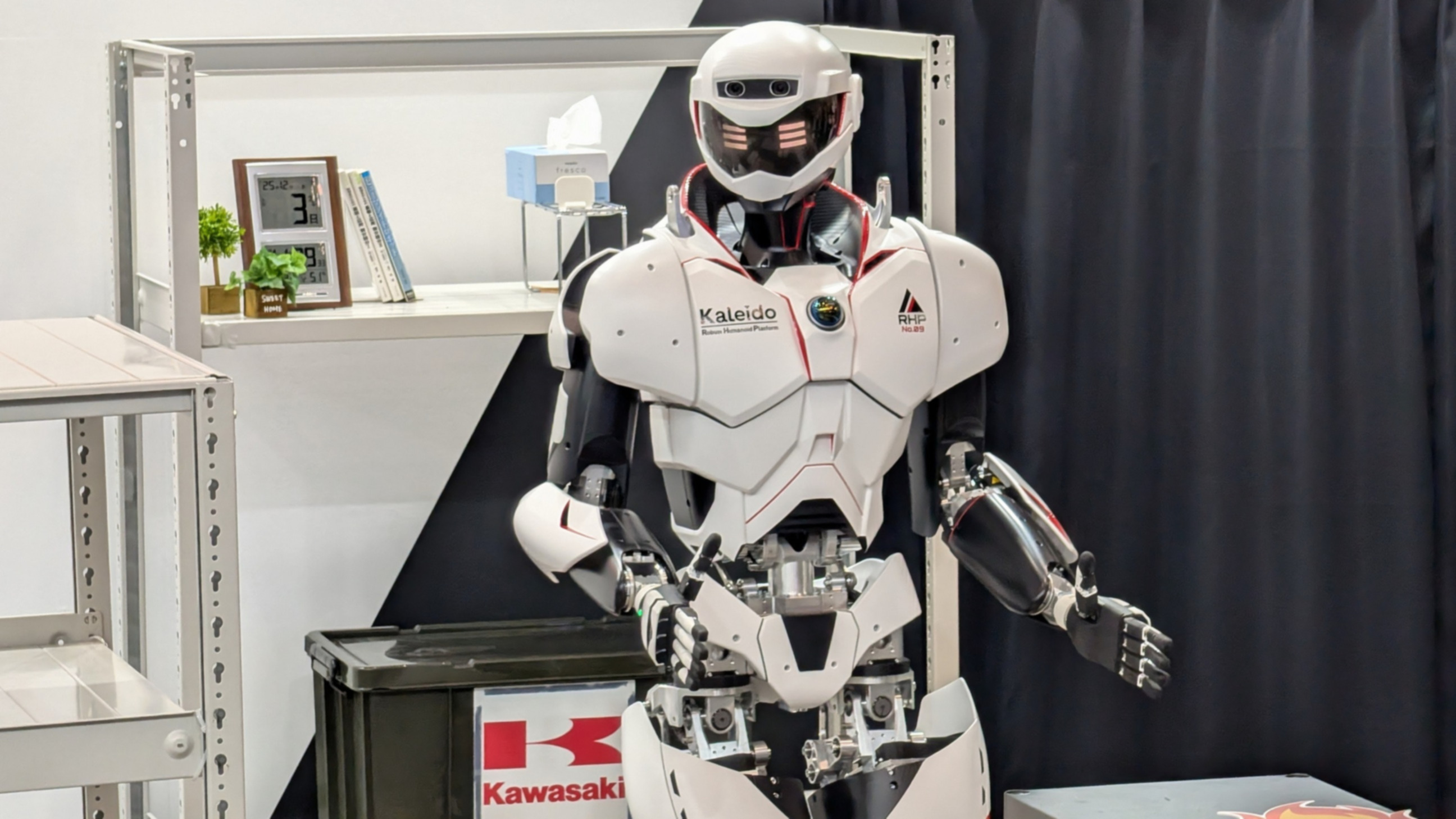
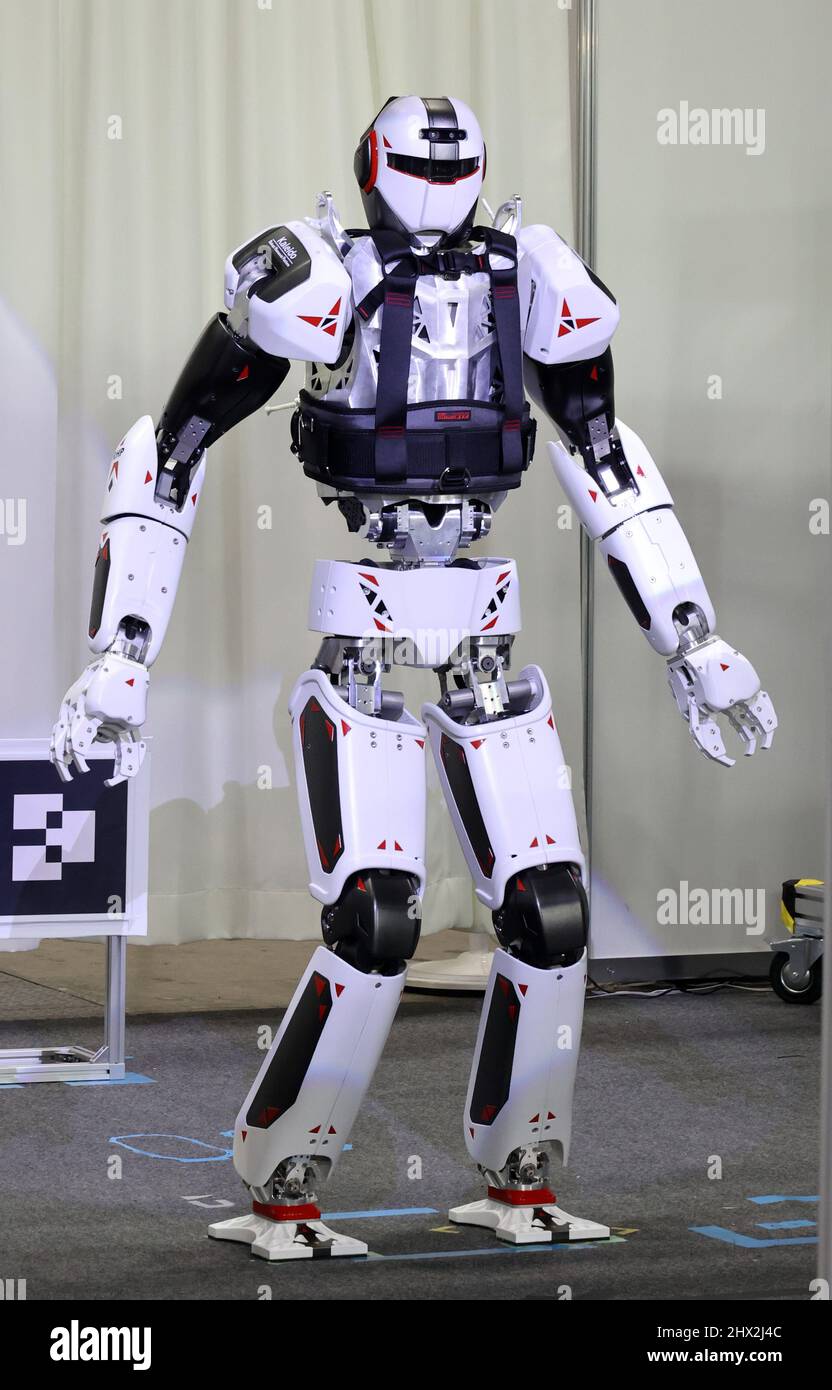
The Kaleido has never been sold commercially and has no public price. Kawasaki makes it available free of charge to partner universities and research institutions through the YouComeLab programme. There is no retail or leasing option.
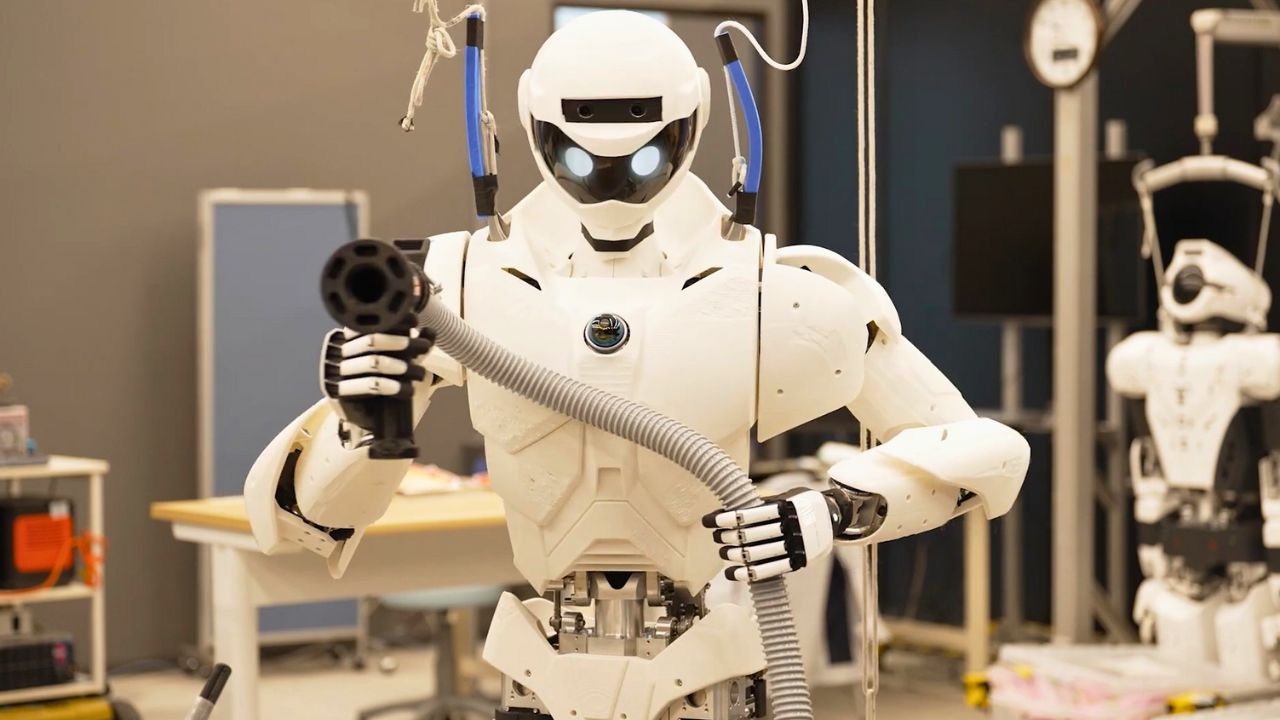
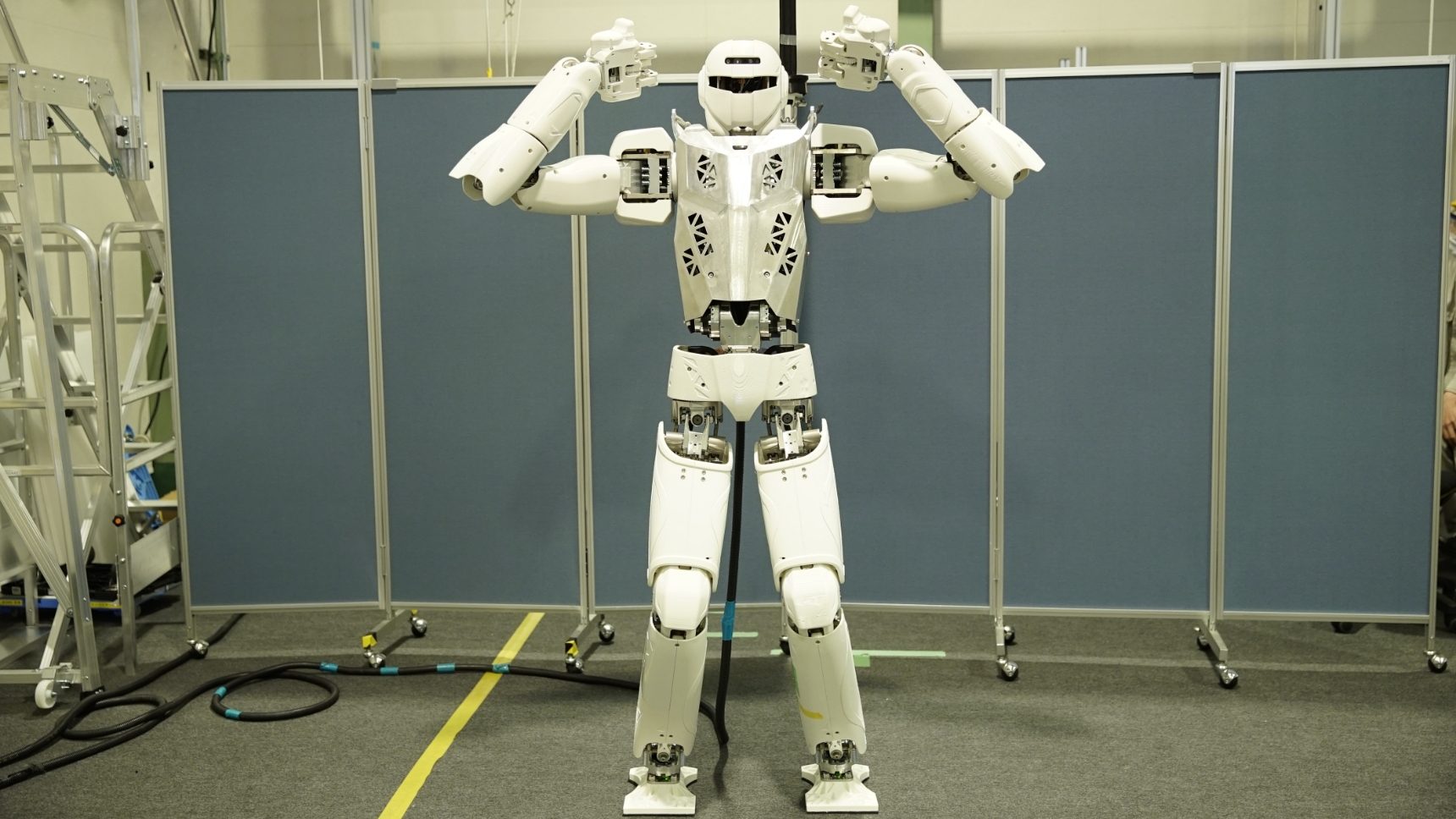
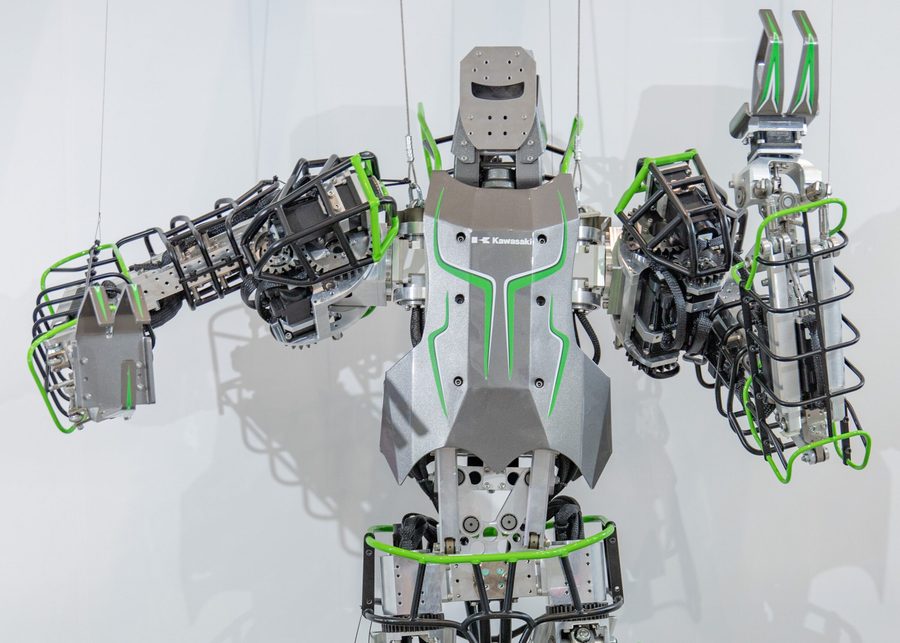
Kaleido is designed for disaster response and hazardous environment tasks. It can walk on two legs, climb ladders, open doors, and manipulate heavy objects with its arms—one source reports a 60‑kg arm payload. It serves as a research platform for whole‑body manipulation and autonomous operation in dangerous settings.
No. The Kaleido is not a commercial product and cannot be purchased. It is an internal R&D platform distributed to approved research partners via Kawasaki’s YouComeLab programme. There is no public ordering process.
Atlas excels in extreme agility and acrobatic mobility, while Kaleido focuses on industrial‑grade strength with an estimated 60‑kg arm payload—far heavier than any payload Atlas has demonstrated. Both are pre‑commercial research prototypes and are not sold to the public.
Kaleido is approximately 1.80 m tall, weighs ~85 kg, and has 32 degrees of freedom. Its estimated arm payload is 60 kg (older generation) or 18 kg (latest Kaleido 9). Battery life, maximum speed, and other performance figures have not been published by Kawasaki.
The robot is developed by Kawasaki Heavy Industries, Ltd., a Japanese multinational founded in 1896 and headquartered in Kobe. The company’s robotics division, also known for industrial arms and factory robots, created the Kaleido platform.
Kawasaki has not released any official battery specification for the Kaleido. As a research prototype, runtime likely depends on the specific configuration and payload, but no concrete figure is available.
Currently, Kaleido is used only by academic and research institutions involved in disaster robotics, hazardous environment operations, and heavy‑payload manipulation studies. There are no known industrial or commercial deployments.
Access is limited to institutions that join Kawasaki’s YouComeLab partnership programme. You must be a university or research organisation accepted by Kawasaki; there is no open sale. Contact Kawasaki Robotics directly for partnership inquiries.
Yes, the original Kaleido debuted in 2017. A later version, Kaleido 9, was shown around 2025 with a refined payload rating of 18 kg (up from ~13 kg) and improved safety features. All remain research‑oriented prototypes.