The original target price was $20,000 new. Since the model is discontinued, used units typically range from $15,000 to $20,000 on BotMarket depending on condition and hours.
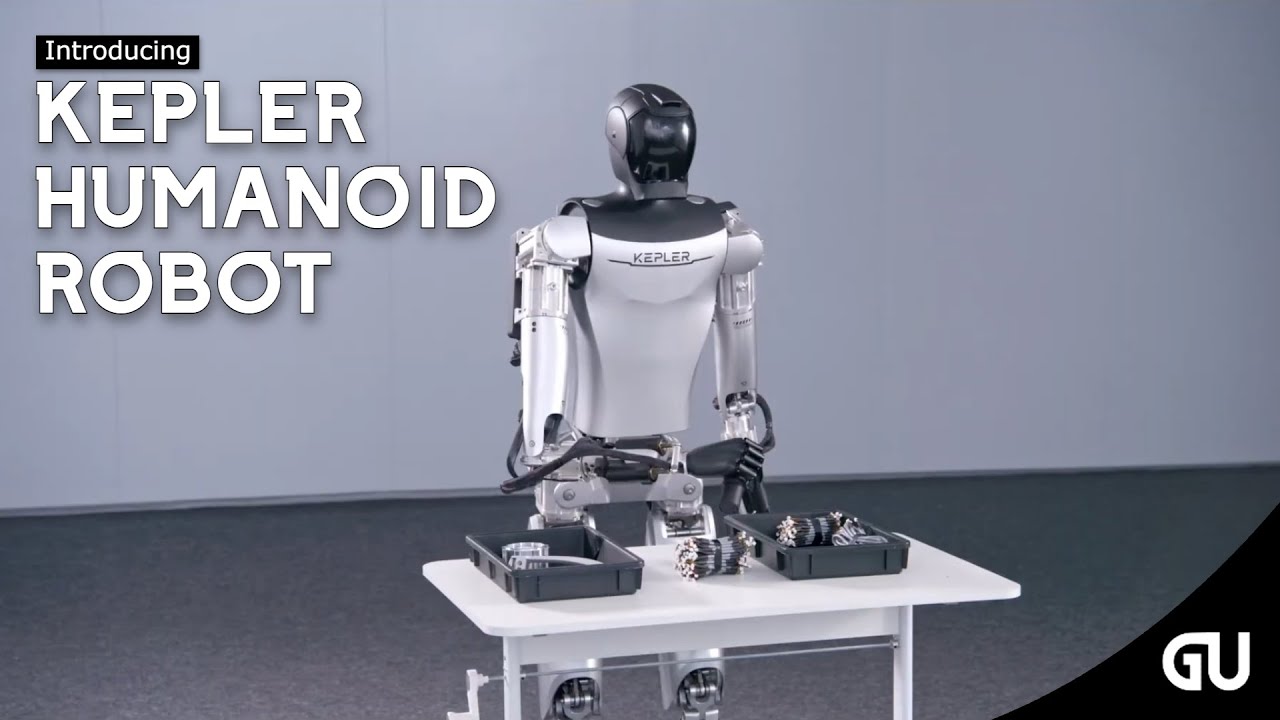
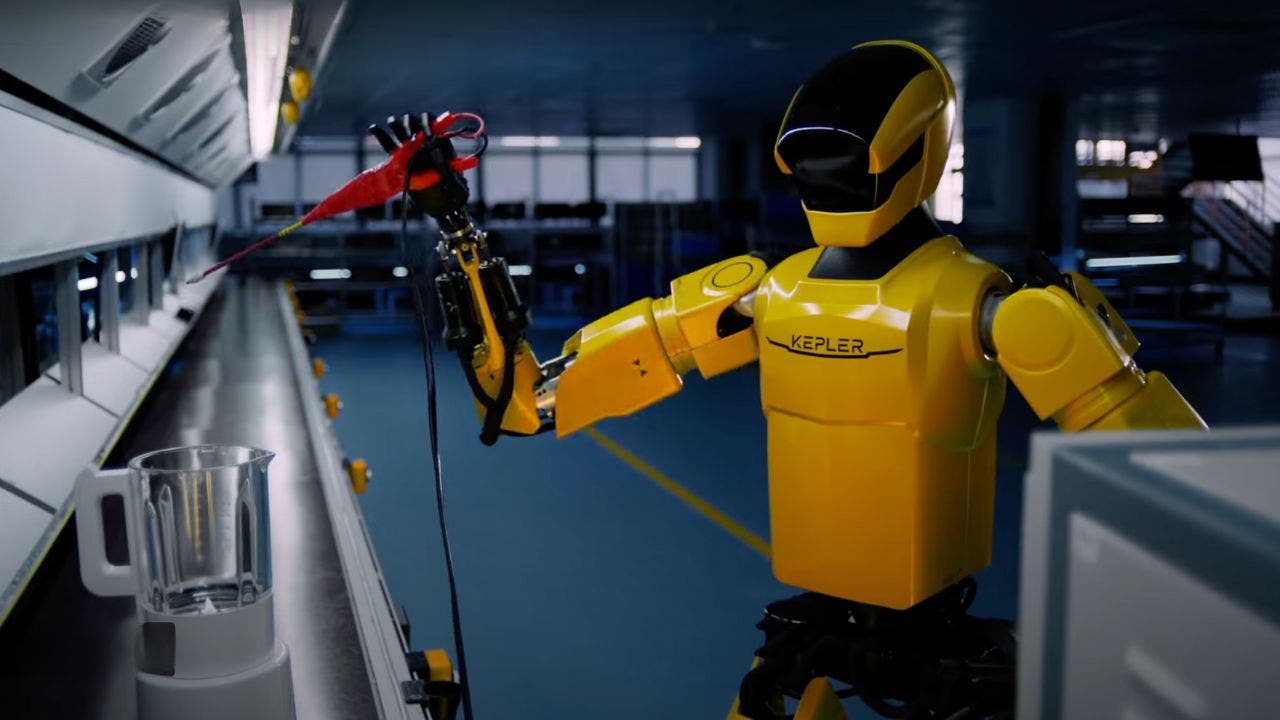
It handles material transport, light assembly, quality inspection, and research applications. Its 20 kg payload, 40 DOF body, and dexterous hands suit short-cycle industrial tasks.
No, it has been discontinued. New units are no longer produced, but used units occasionally appear on platforms like BotMarket.
Both target $20K, but Optimus uses electric linear actuators and is still in pre-order, while K1 used planetary roller-screw actuators and was actually produced (until discontinued). K1 has 40 DOF vs Optimus’s 40 (reported), but battery life is lower (3h vs 8h projection). For immediate used purchase, K1 wins; for future support, Optimus may have Tesla’s ecosystem.
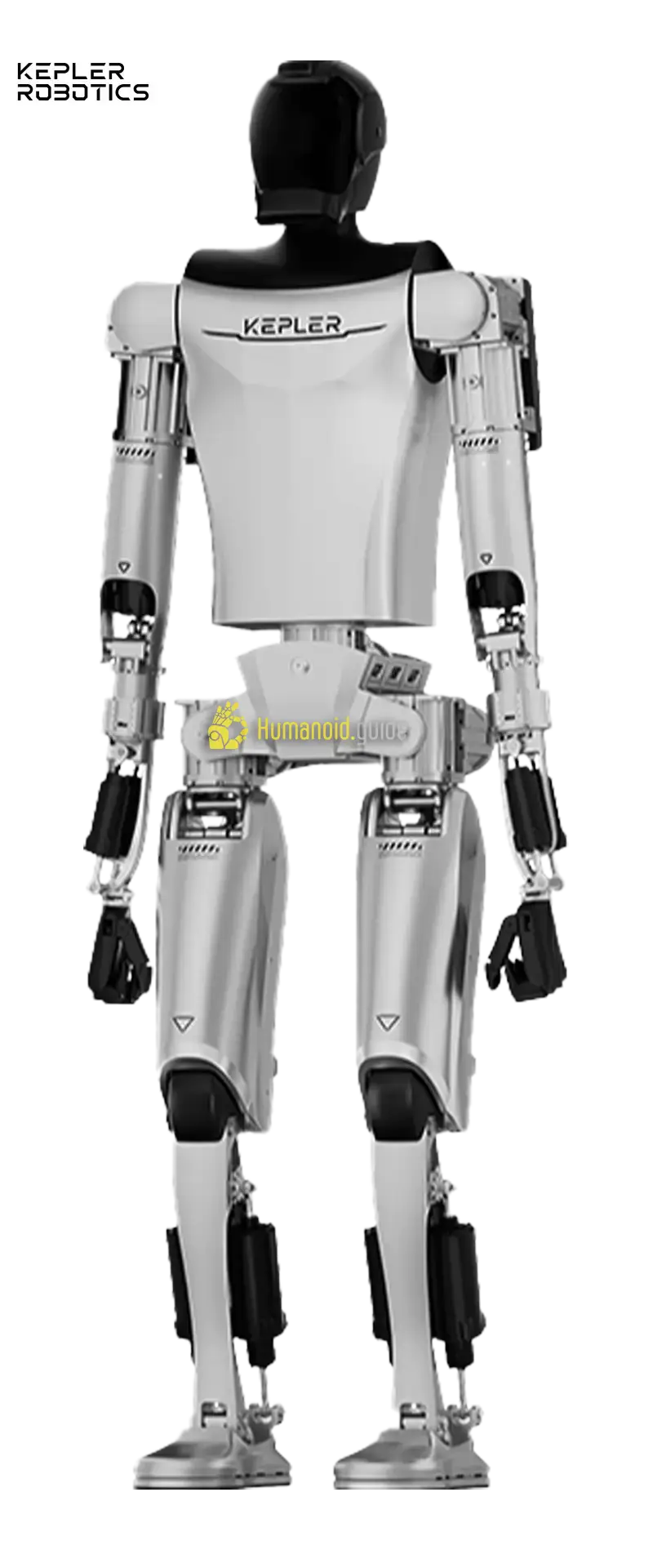
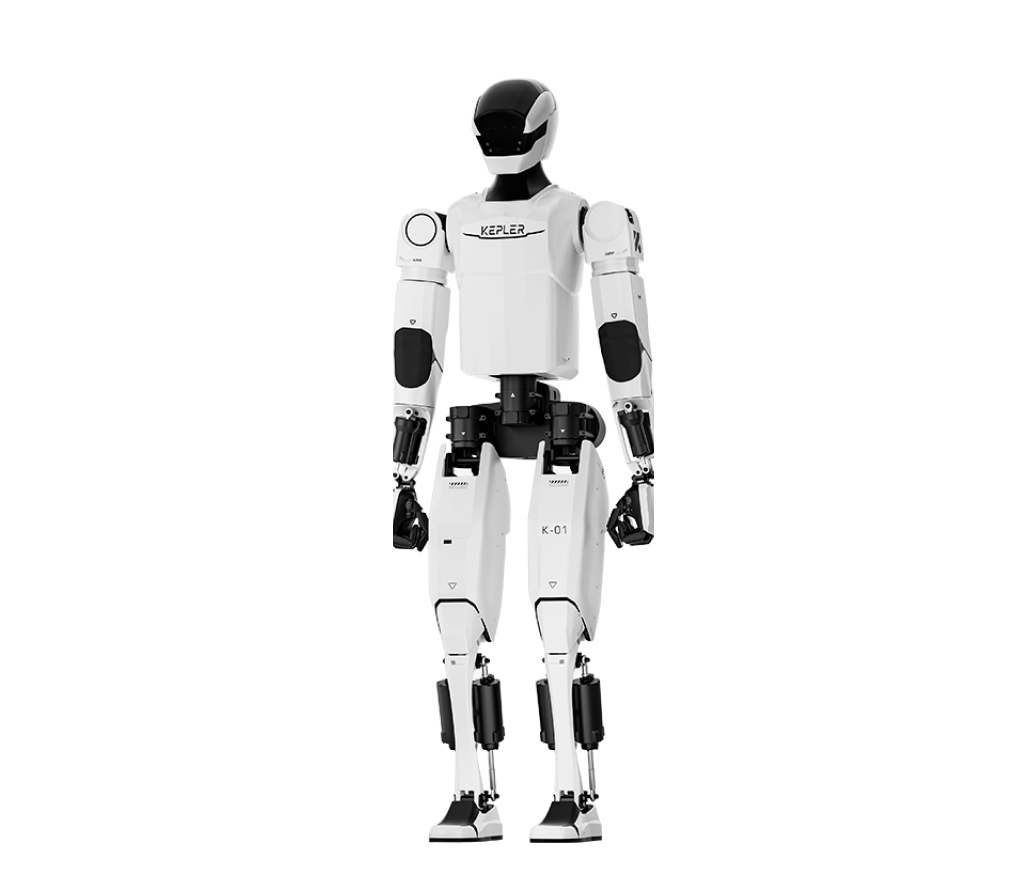
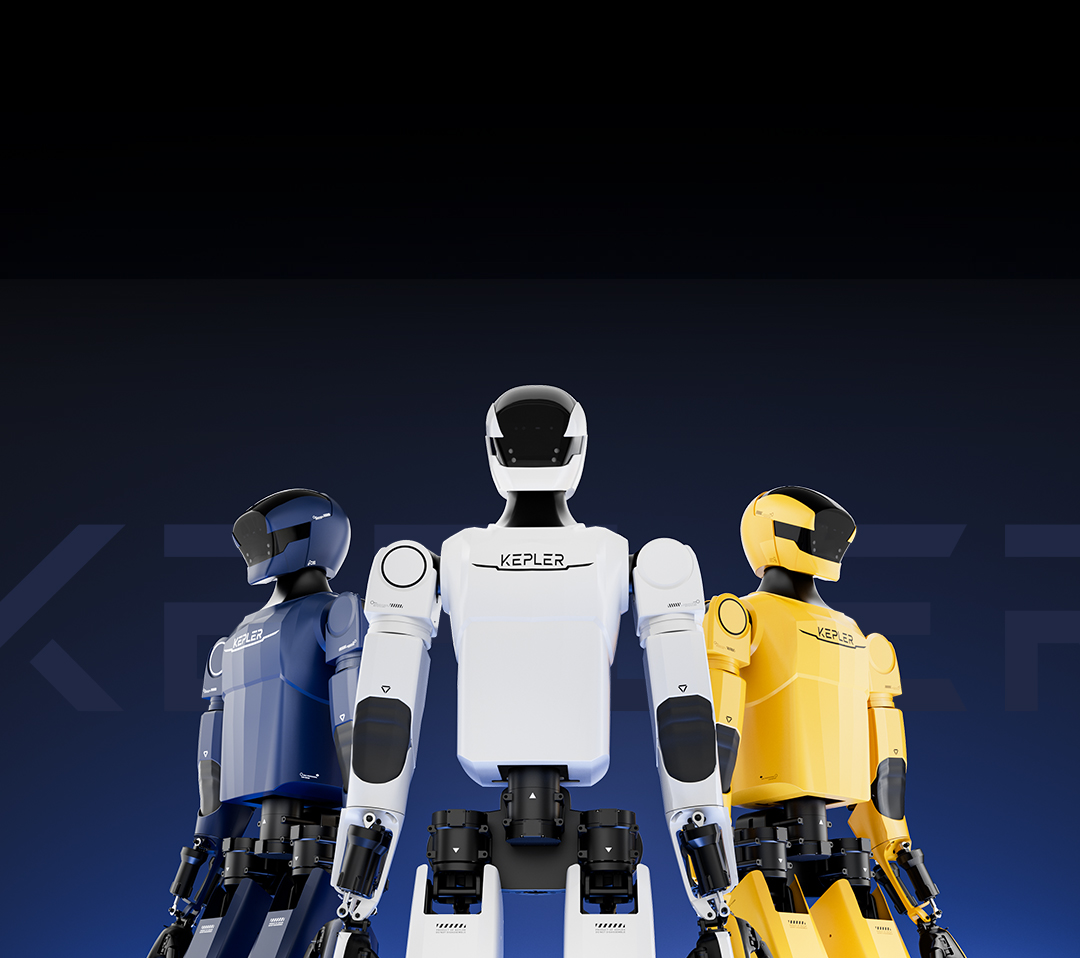
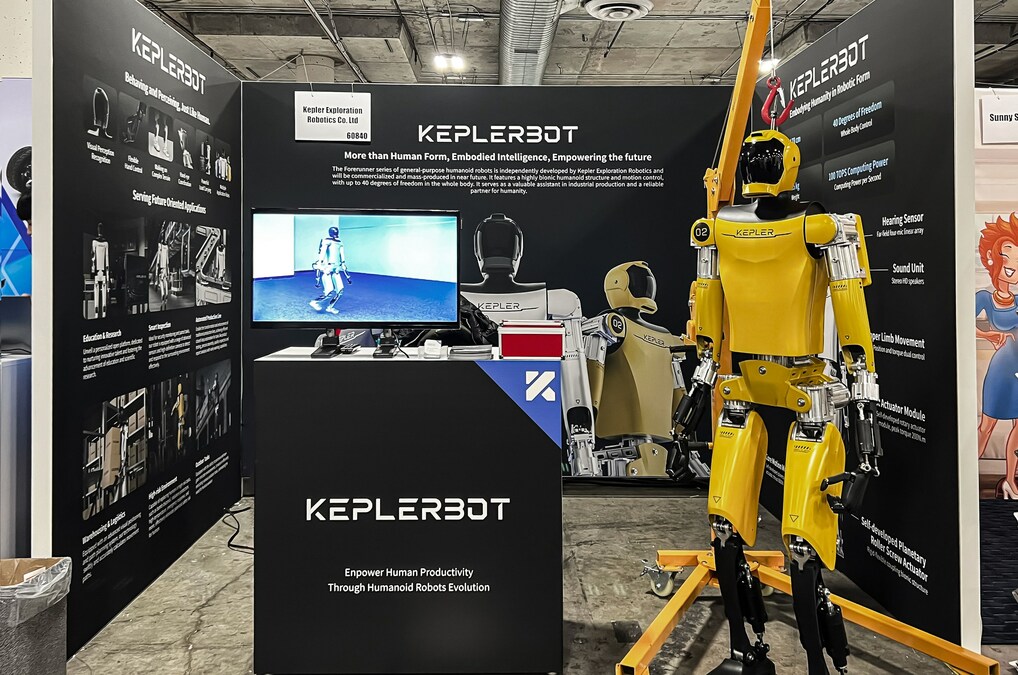
Height 1.78 m, weight 85 kg, 40 DOF, 3-hour battery, 4 km/h max speed, 20 kg payload, proprietary roller-screw actuators, NEBULA OS.
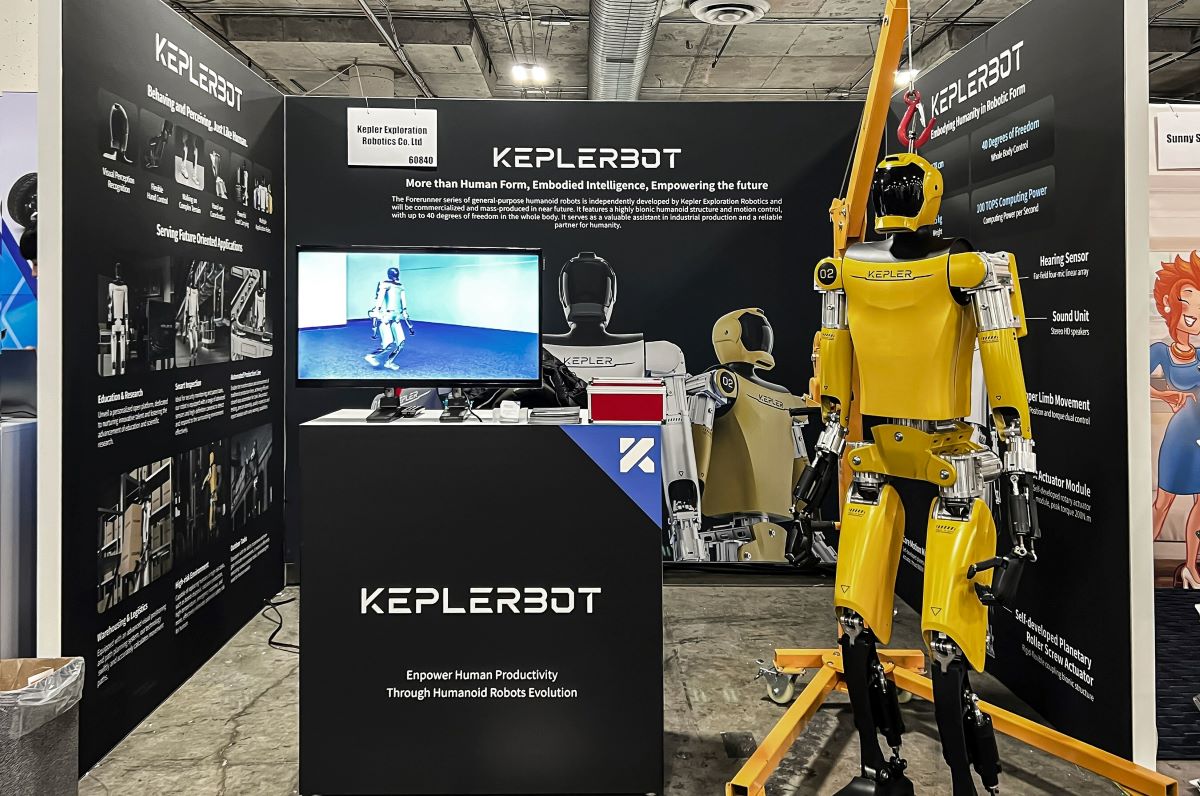
Kepler Exploration Robot Co. (Kepler Robotics), based in Shanghai, China. Founded in the early 2020s, they now produce the K2 humanoid.
3 hours per charge. There is no hot-swappable battery capability, so recharging or corded operation is required for longer shifts.
It was piloted in electronics manufacturing, logistics warehouses, and university research labs. Its low cost made it attractive for short-run or experimental deployments.
It can walk bipedally at up to 4 km/h and has basic SLAM navigation via its vision system. Full autonomy depends on the NEBULA OS integration and may require custom development for complex environments.
Proprietary planetary roller-screw actuators, which provide high stiffness, backdrivability, and compact form factor, differentiating it from traditional rotary electric actuators in competitors.