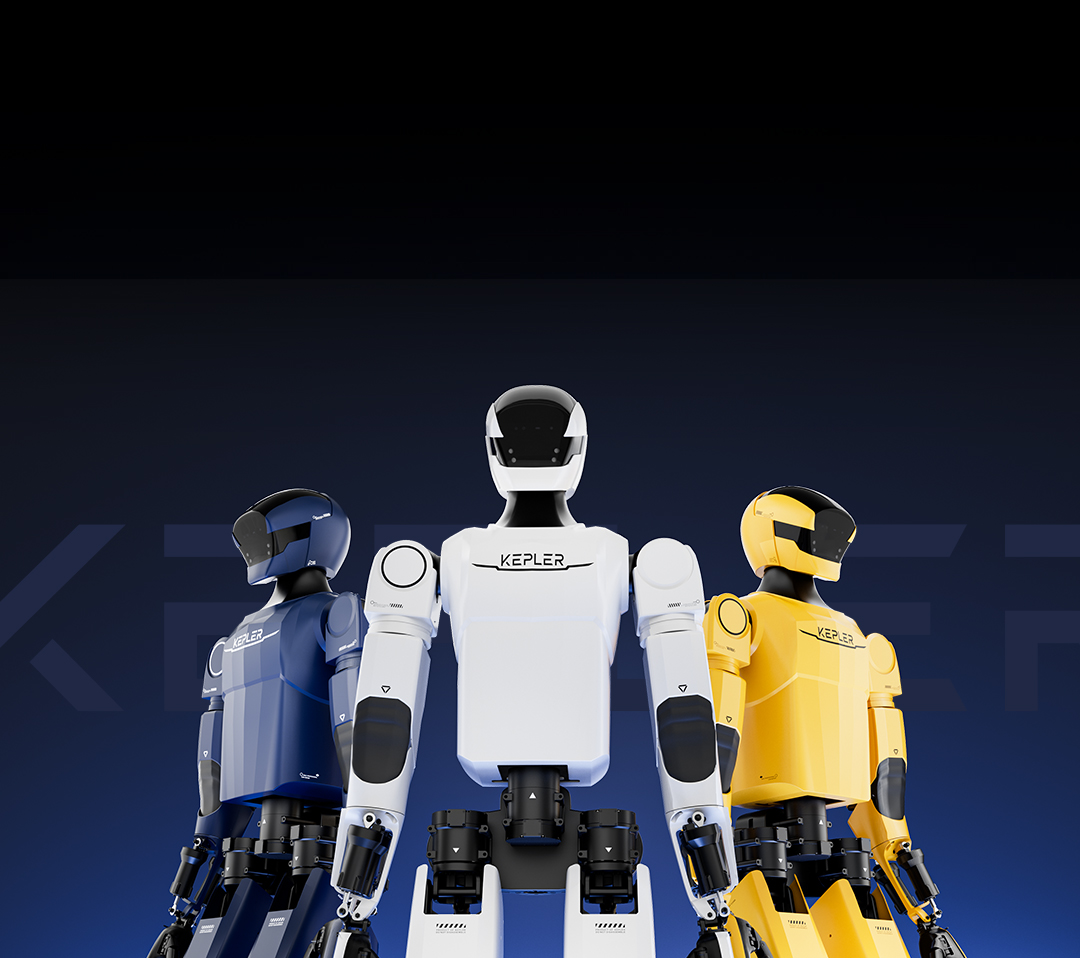
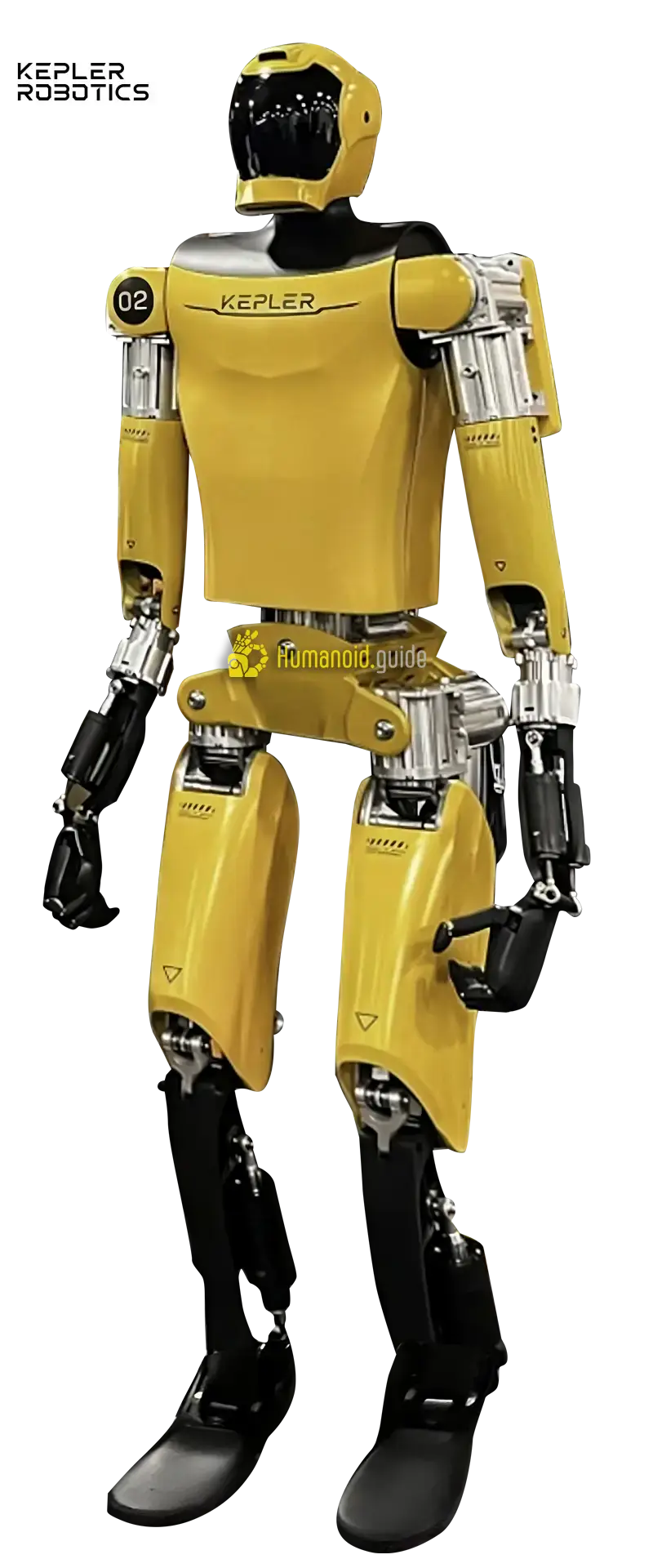
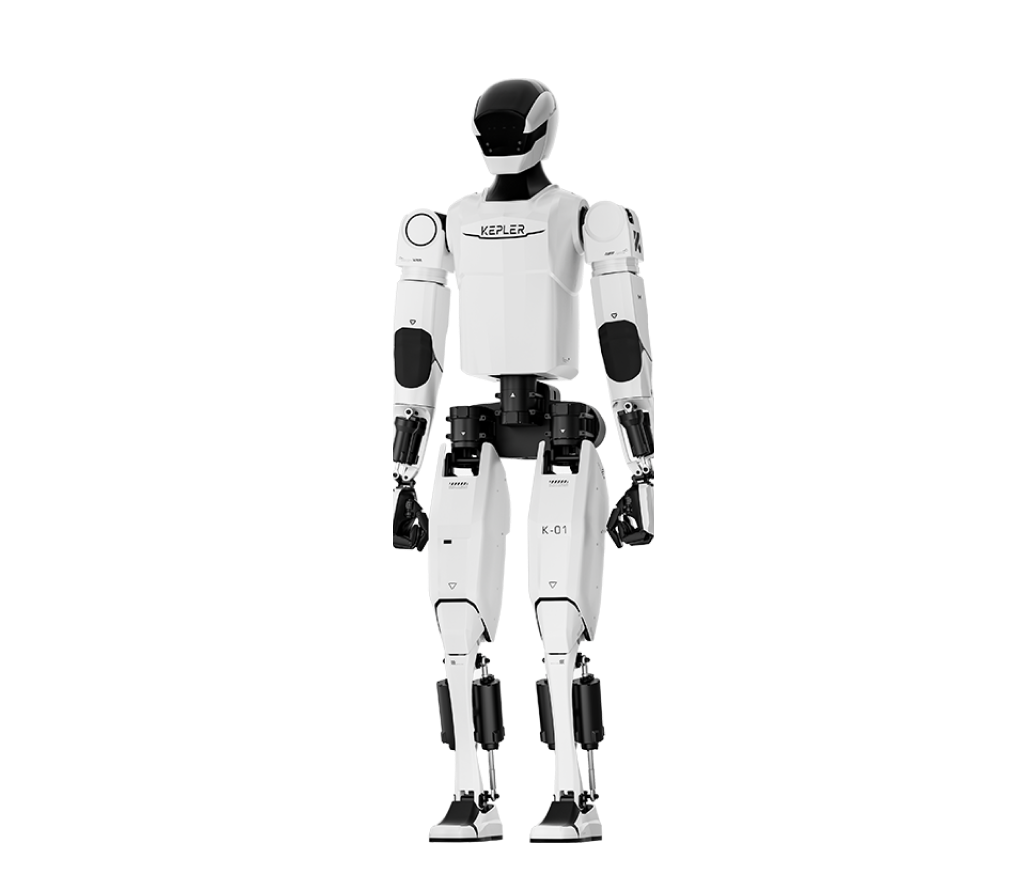
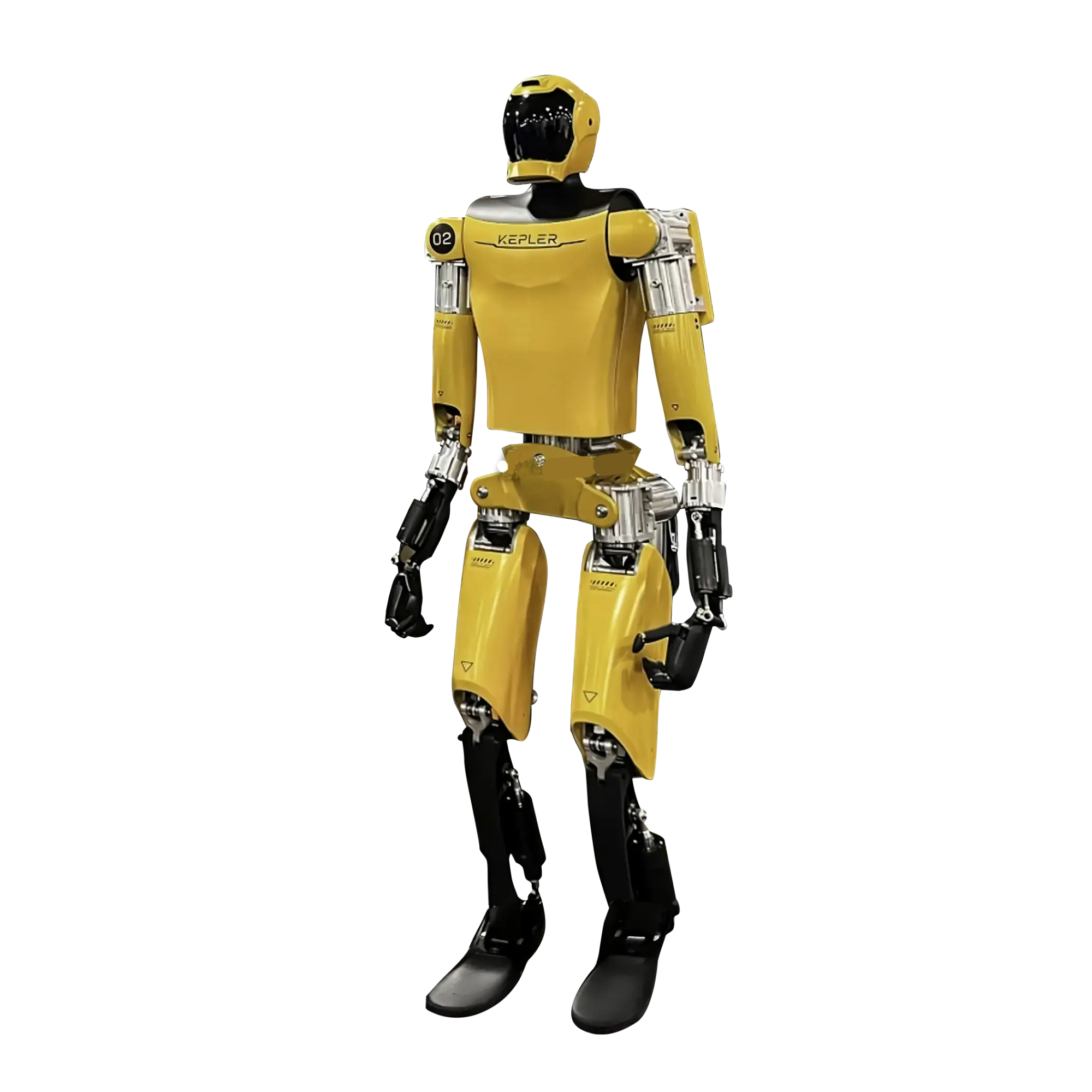
Kepler Robotics lists the base price at $30,000, with some distributors quoting up to $50,000 for configured units. This is pre‑order pricing; shipping and support costs are extra.
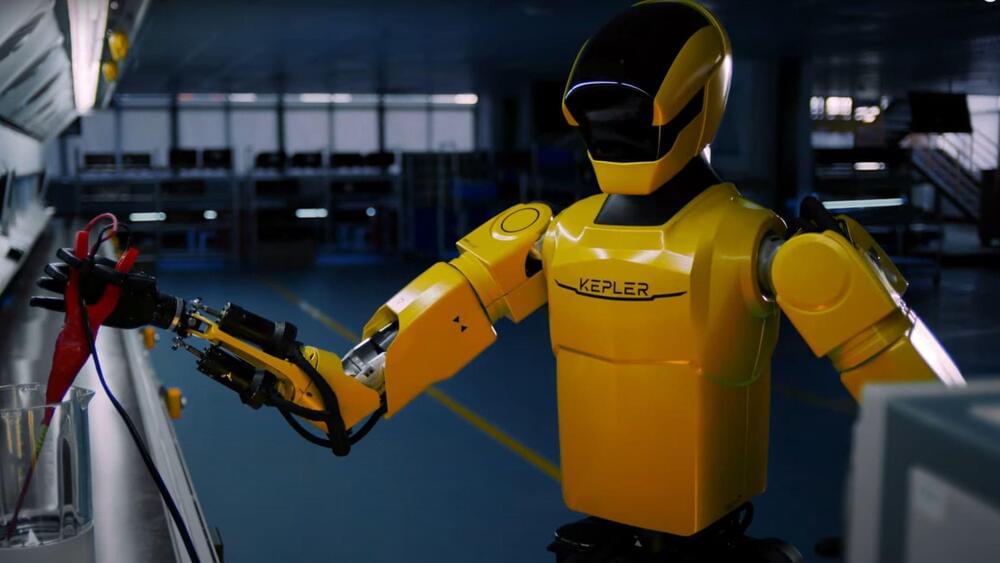
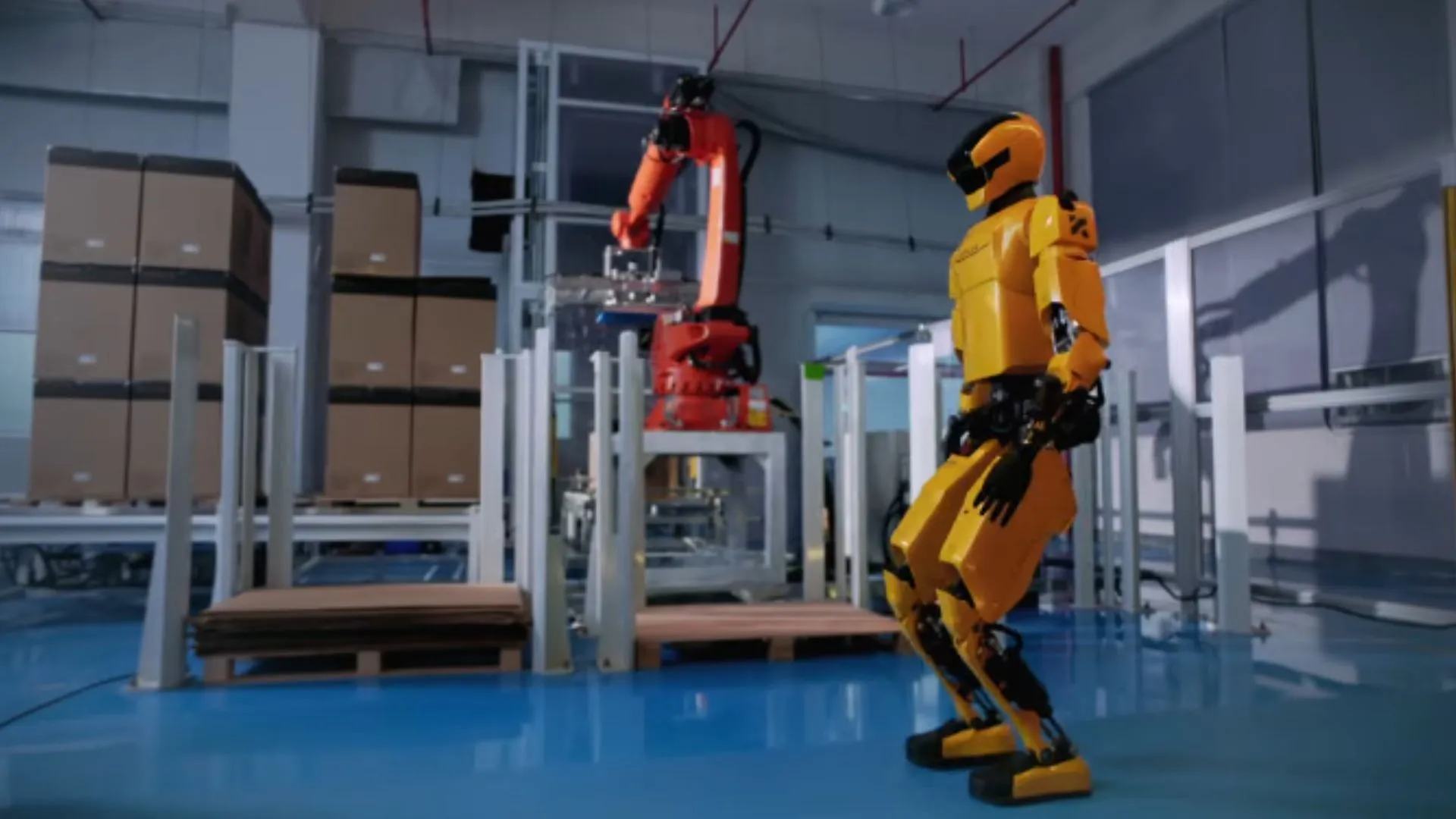
The K2 is designed for industrial manipulation tasks such as assembly, sorting, palletizing, and machine tending. Its 52 degrees of freedom, including dexterous hands, allow it to handle a variety of parts up to 30 kg. It can walk at 4 km/h and operate for 3 hours per charge, navigating factory floors with binocular cameras and microphone arrays.
As of 2026, the K2 is available for pre‑order through Kepler Robotics and select distributors like MERA Robotics. No confirmed shipping date has been announced, and production volumes have not been disclosed.
The K2’s announced $30,000 price is close to Tesla’s target for Optimus, but the K2 has higher payload (30 kg vs unconfirmed) and more degrees of freedom (52 vs unknown). However, Optimus benefits from Tesla’s AI ecosystem and manufacturing scale, while the K2 is from a startup with no production track record.
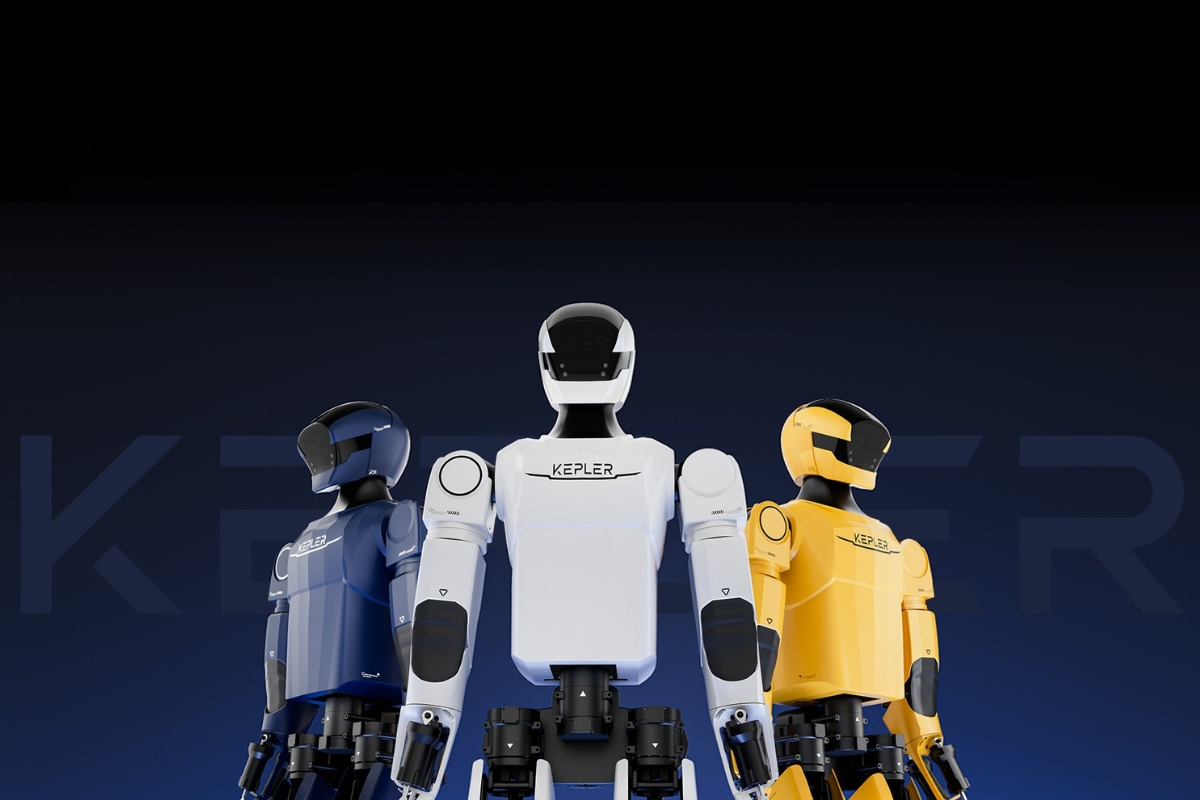
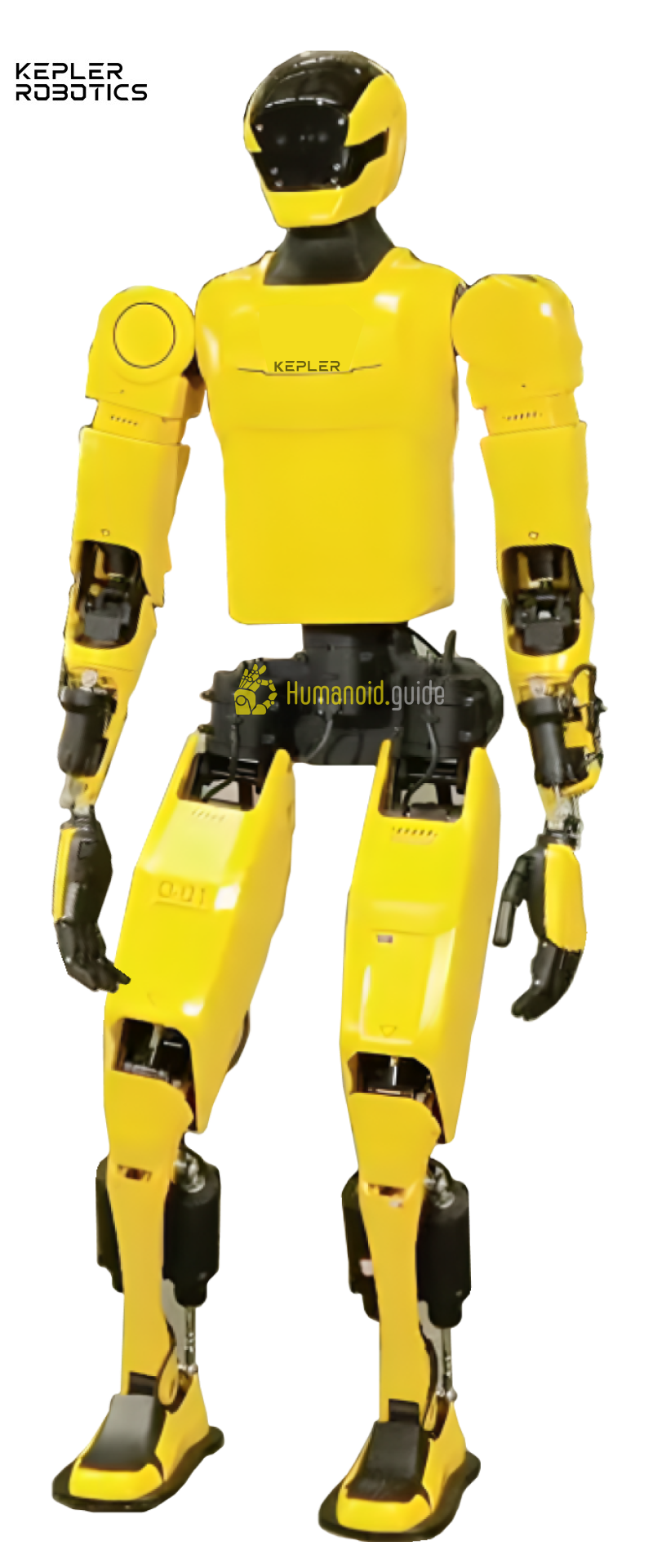
Height: 1.78 m, weight: 85 kg, degrees of freedom: 52, payload: 30 kg, max speed: 4 km/h, battery life: 3 hours, nationality: China.
The robot is manufactured by Kepler Exploration Robot Co., a Shanghai‑based startup founded in 2023. The company focuses on affordable humanoid robots for industrial automation.
The K2 has a 3‑hour battery life under normal operation, according to Kepler. It is not swappable, so tasks must be scheduled with recharge breaks. Charging time is undisclosed.
Target industries include manufacturing, logistics, and warehousing. Early demonstrations show assembly line work and sorting tasks; potential applications extend to quality inspection and kitting once the robot is commercially deployed.
Yes, the K2 features dexterous hands with an unspecified number of fingers, contributing to its 52 degrees of freedom. The hands enable precise grasping and manipulation required for industrial parts handling.