No price has ever been announced. It is a research prototype, and its manufacturer was acquired before any commercial release. Interested parties should contact 1X Technologies for any potential future availability.
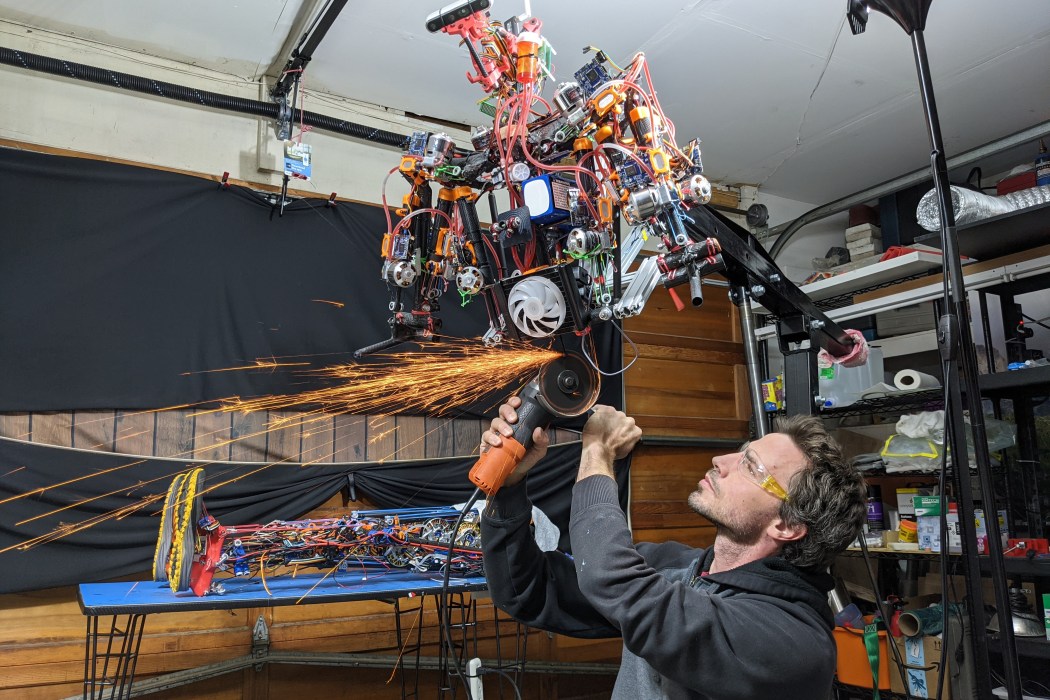
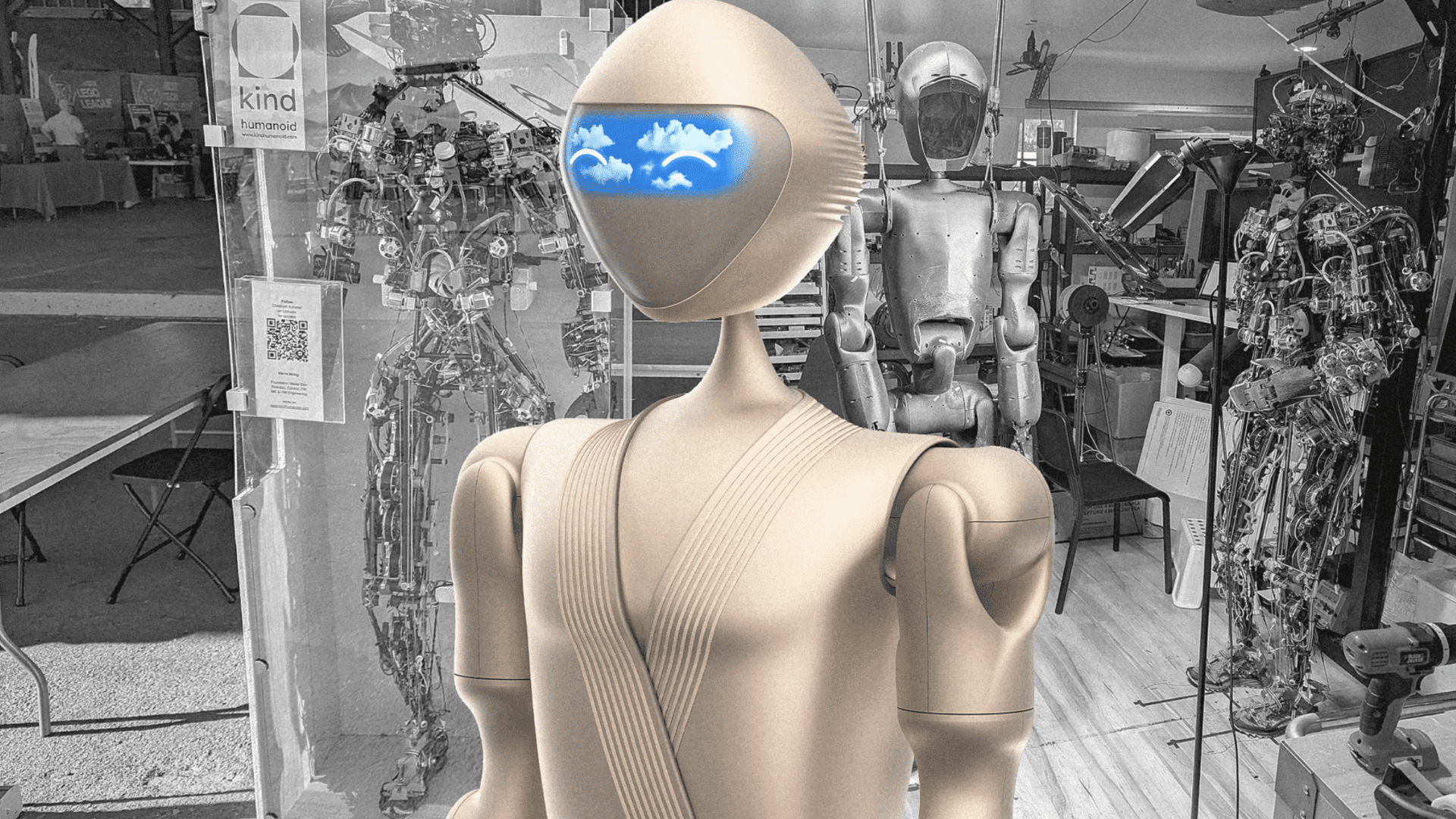
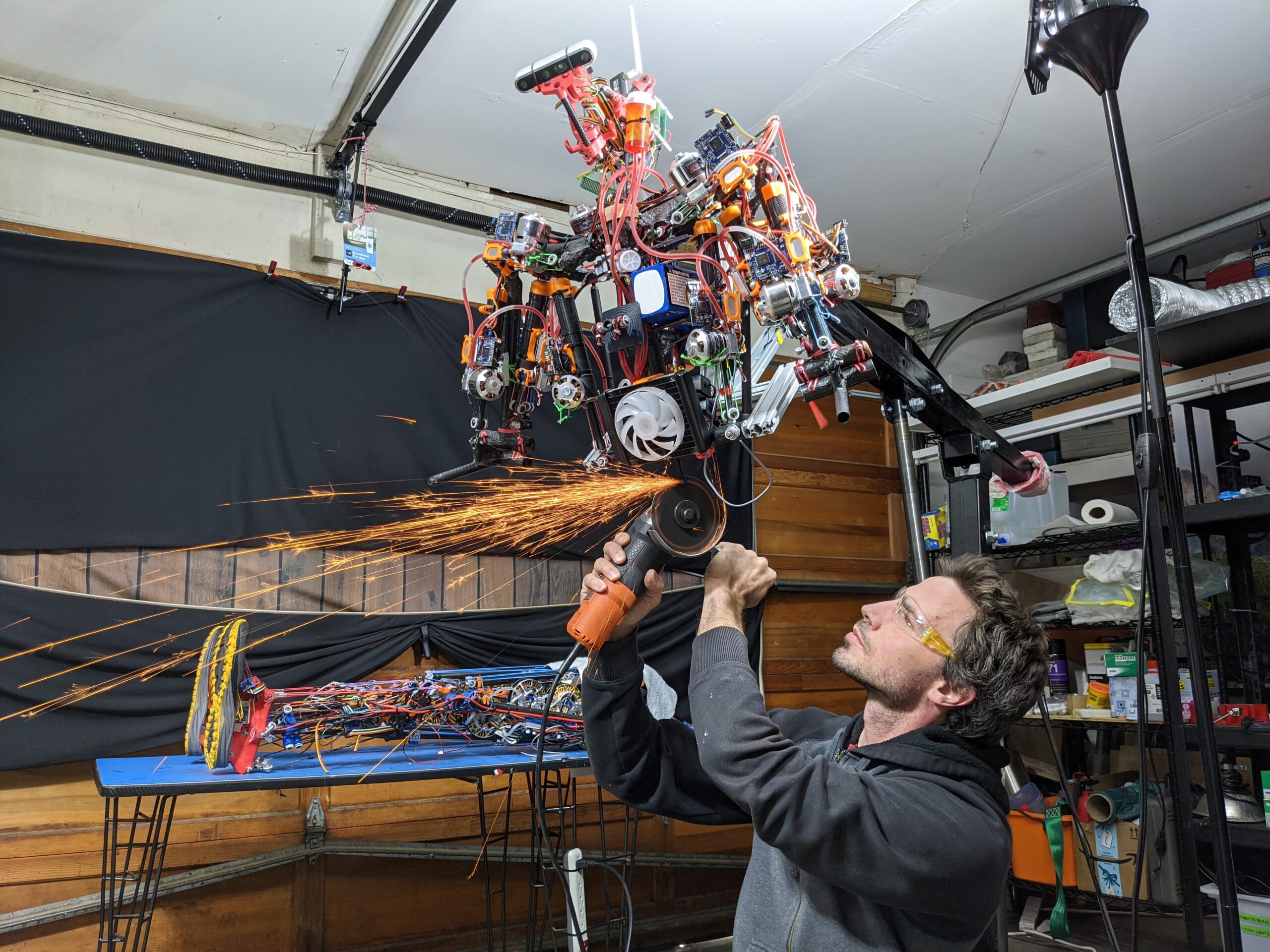
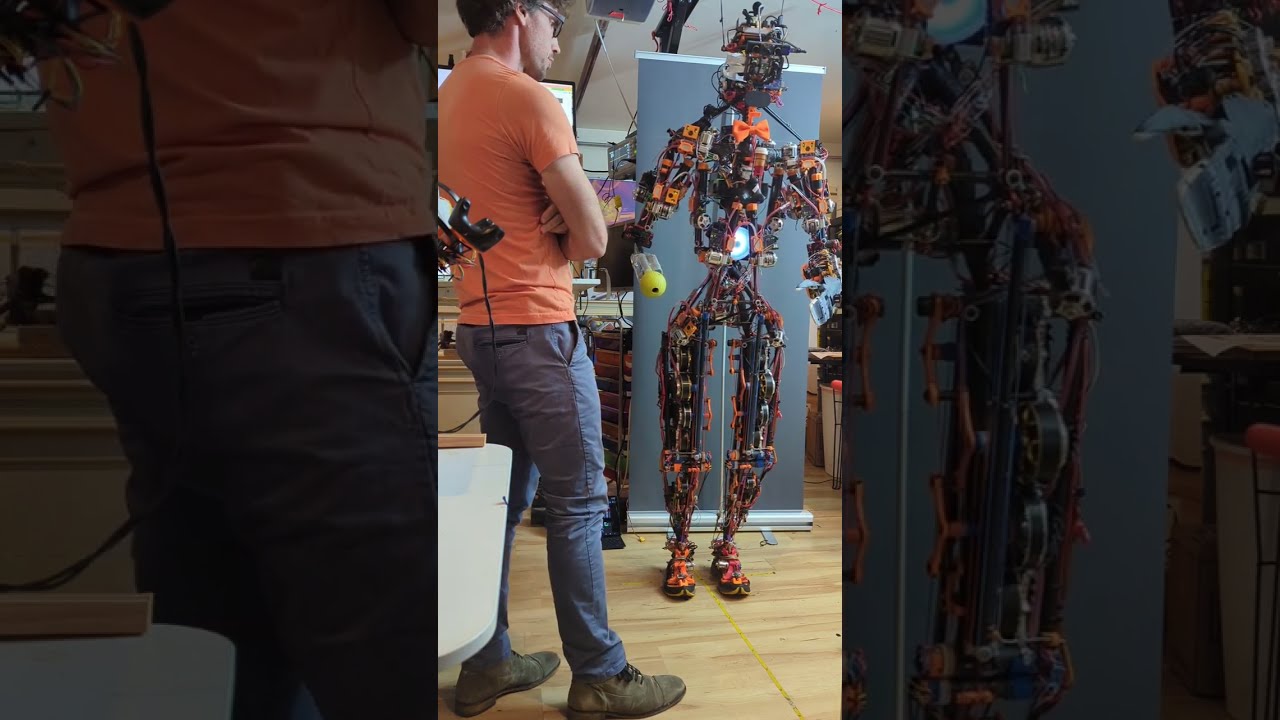
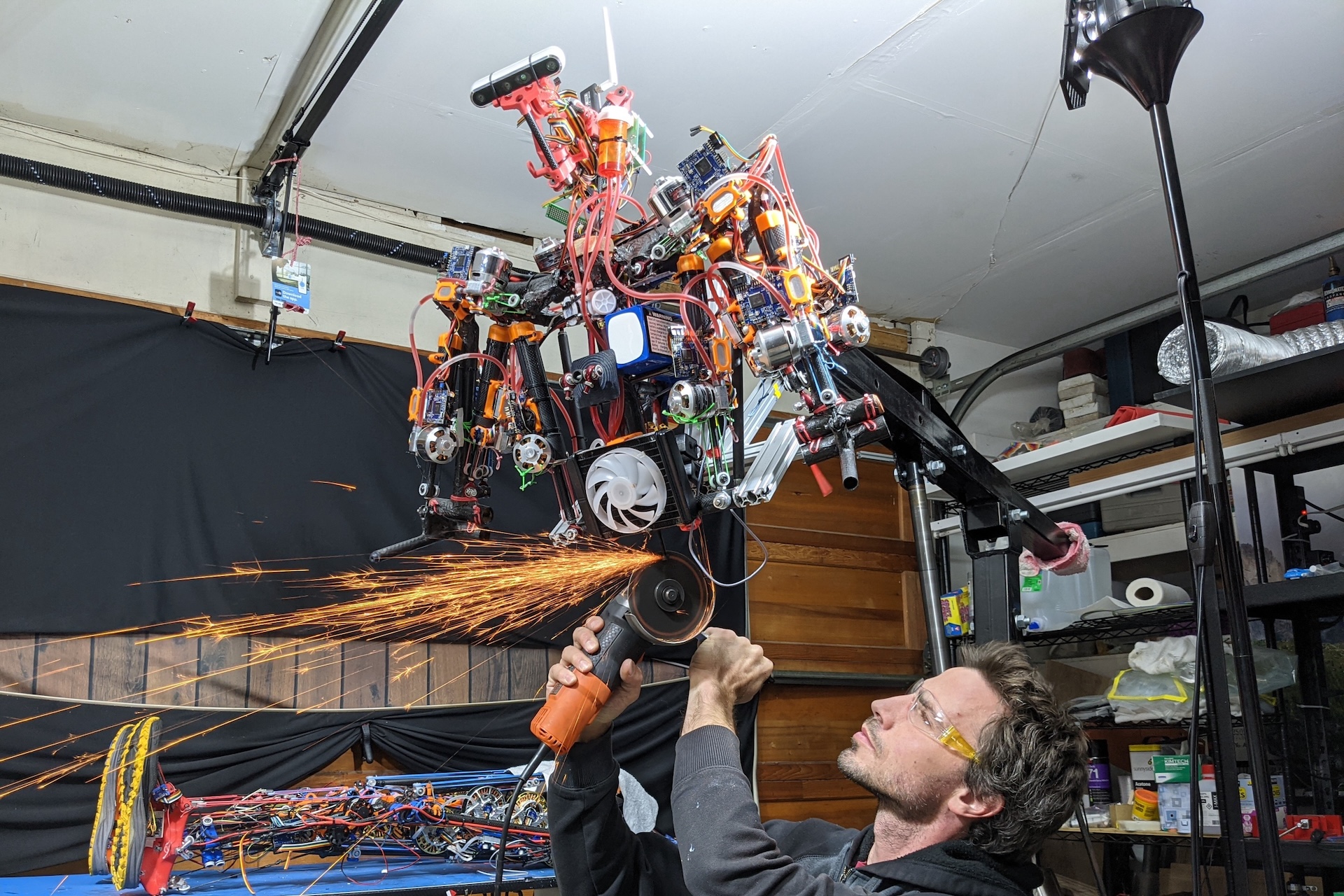
Mona has demonstrated basic bipedal walking and features a bio-inspired design intended for home assistance, elderly care, and healthcare support. No advanced manipulation, autonomy, or sensor capabilities have been publicly shown.
No. It is a research-only prototype and was never offered for sale. Its parent company was acquired by 1X Technologies in January 2025, and Mona is not being commercialized independently.
Both are home-focused humanoids, but NEO is the acquirer’s own model with a lighter, soft-touch exterior and more mature development. Mona essentially served as a design concept whose DNA may influence future 1X products. Neither has a public price or availability.
Height, weight, degrees of freedom, payload, speed, and battery life are all not specified. The only confirmed design detail is that it is a bipedal humanoid shaped by Yves Béhar / fuseproject.
It was developed by Kind Humanoid, a startup founded in 2023 in Palo Alto, California, by Christoph Kohstall, PhD. The company was acquired by 1X Technologies in 2025.
No runtime or charging specifications have been published. As a prototype, its power system details remain entirely undisclosed.
No industries are actively using it. The intended target industries were home, caregiving, and healthcare, but its prototype status means no deployments exist.
Unlikely as a standalone product. Following the acquisition by 1X Technologies, any home humanoid from that lineage would probably be branded as a 1X device (e.g., a variant of NEO).
No safety or performance certifications are known. As a purely experimental prototype, it has not undergone any testing for commercial deployment.