Leju Robotics has not publicly disclosed pricing. Unverified rumors suggest a target as low as $10,000, but this remains speculative. Contact the manufacturer for official quotation.
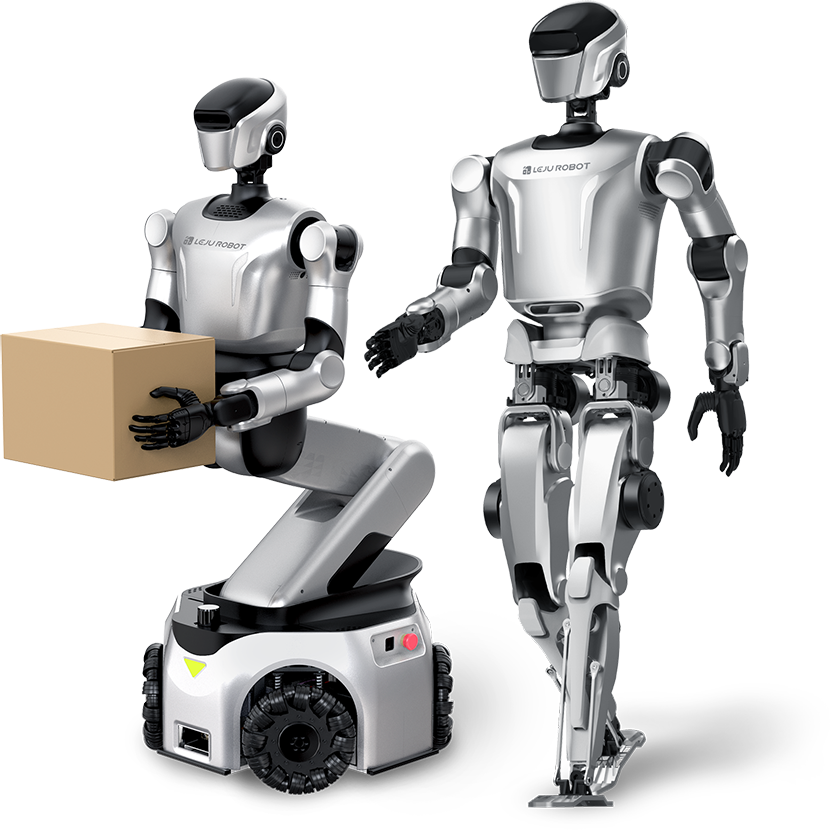
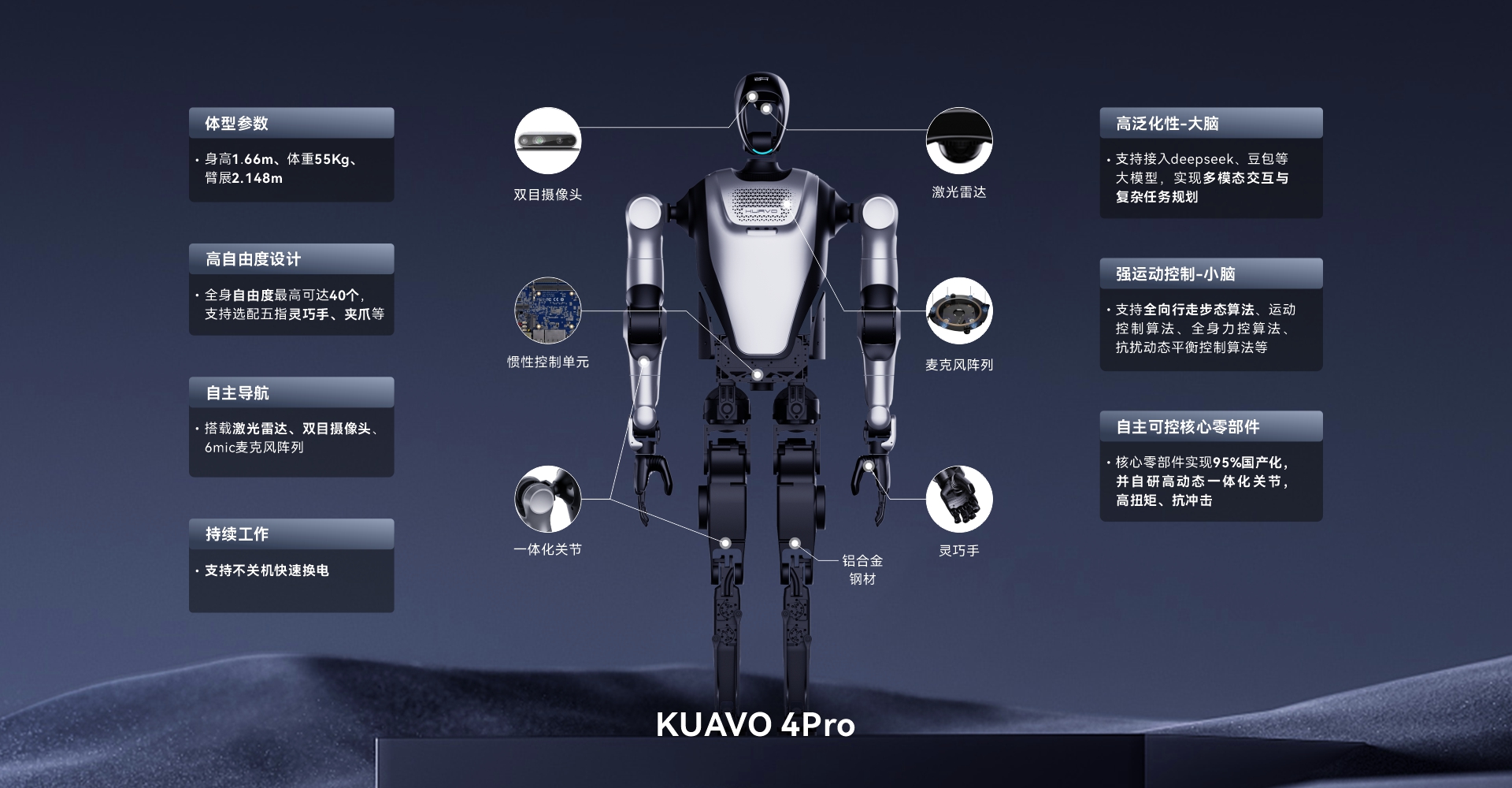
The Kuavo can walk at 3.6 km/h, sense its environment with an Intel RealSense depth camera and ultrasonic sensors, and interact via a Huawei Pangu AI model. It is designed for research tasks like locomotion studies, human interaction experiments, and service robot prototyping. Its manipulation capabilities are undefined due to missing payload and hand data.
No. As of 2026, the Kuavo is a prototype and not commercially available. Selected research partners may access early units. There is no public ordering channel or lead time.
The Unitree H1 is faster (4.3 m/s vs 3.6 km/h), has a higher payload rating, and is already shipping at $90,000. The Kuavo is expected to be far cheaper and integrates the Huawei software ecosystem. The H1 is a production-ready robot; the Kuavo is still in development.
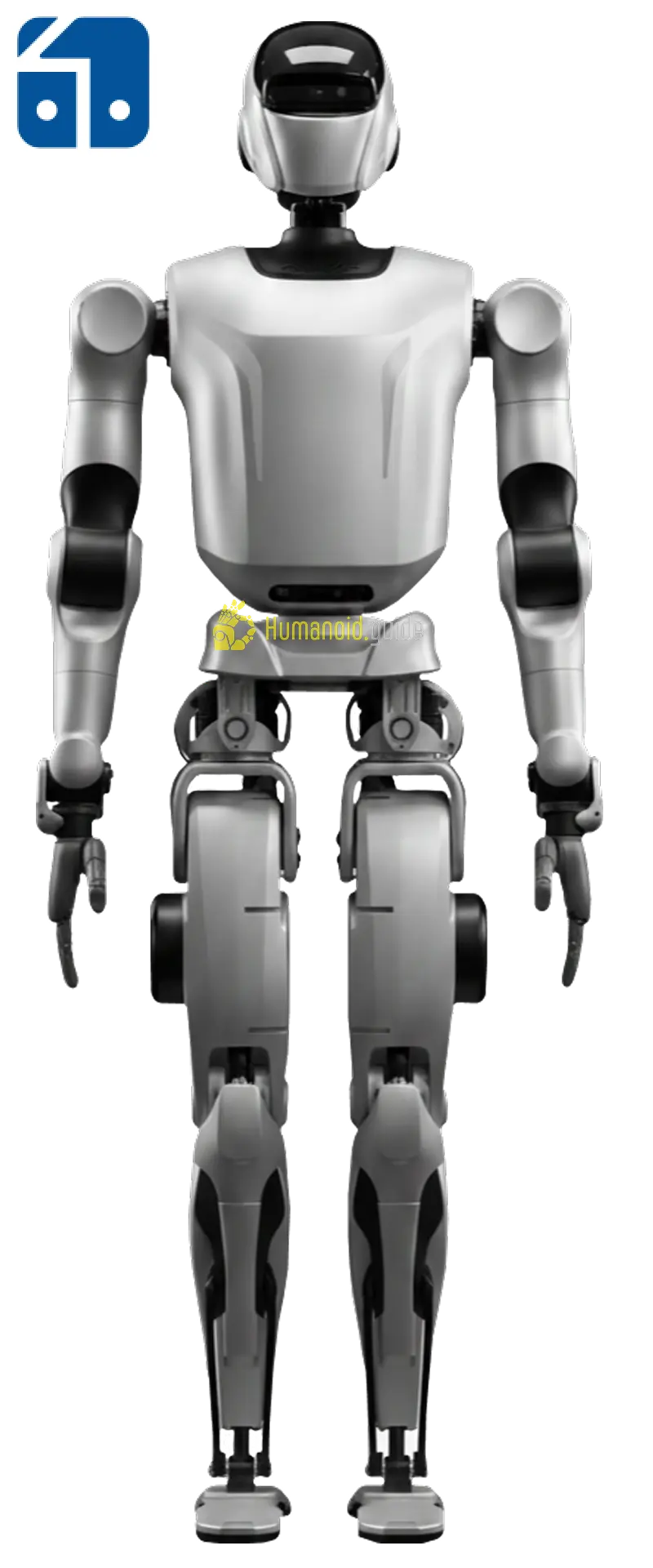
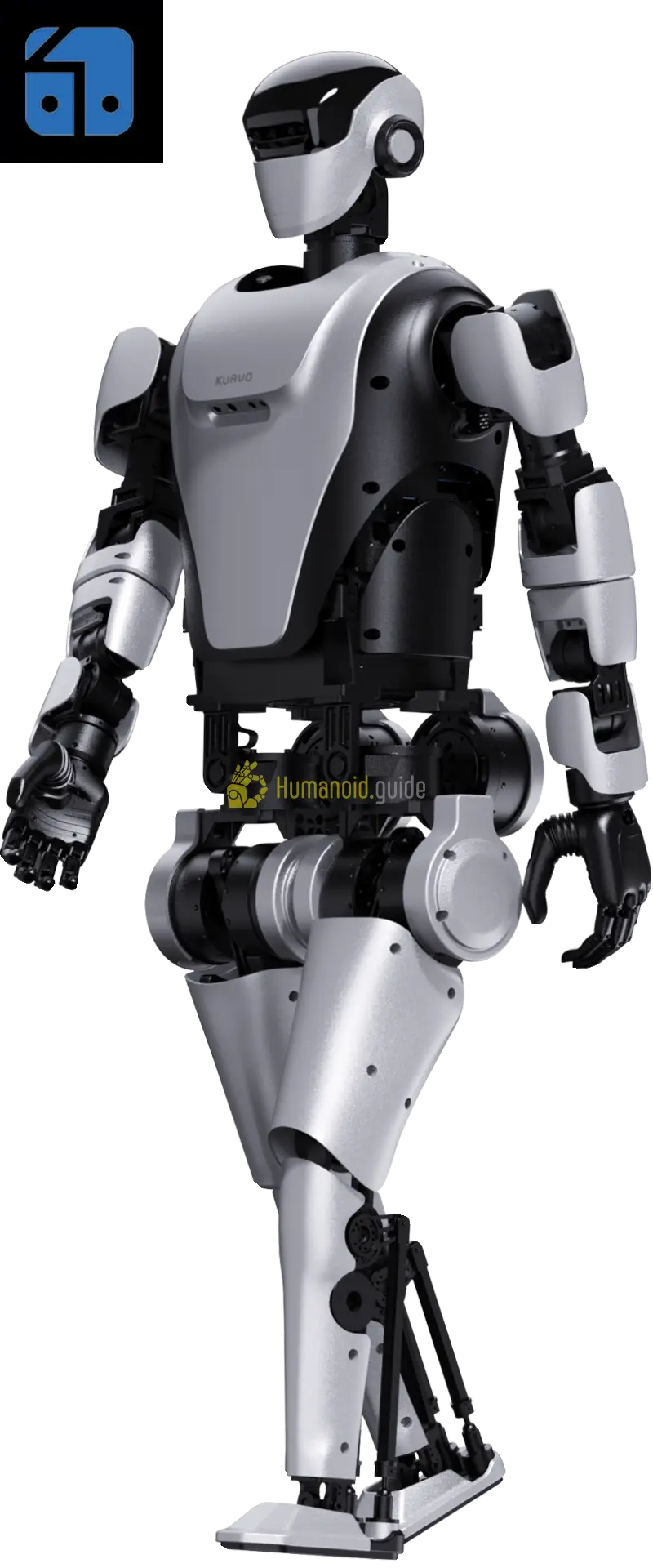
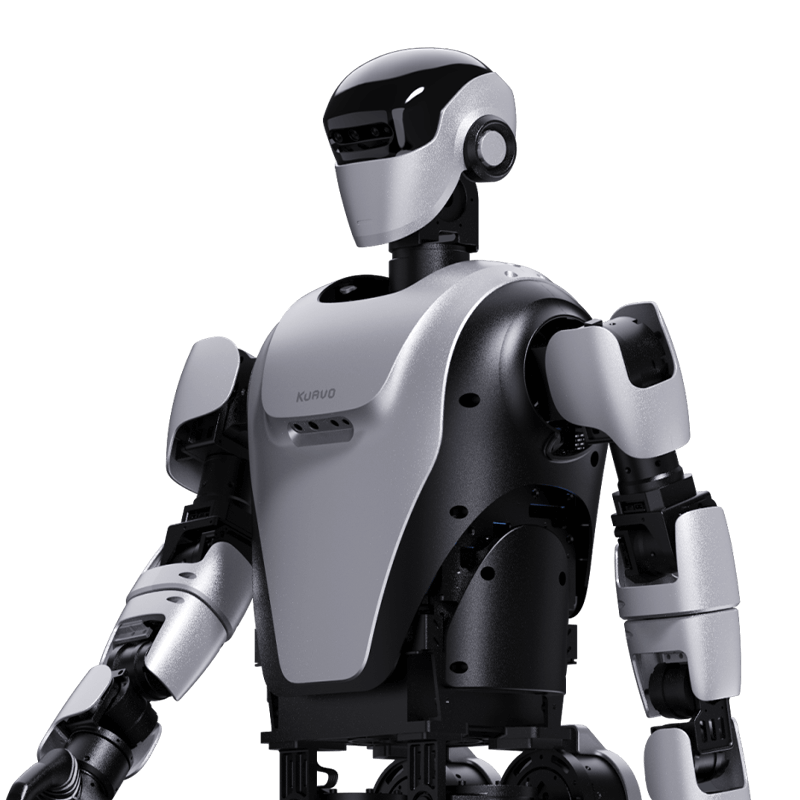
Height: 170 cm, weight: 55 kg, degrees of freedom: 26, max speed: 3.6 km/h, battery life: 2 hours. Payload is not specified. Sensors include Intel RealSense D435i, ultrasonic, and IMU.
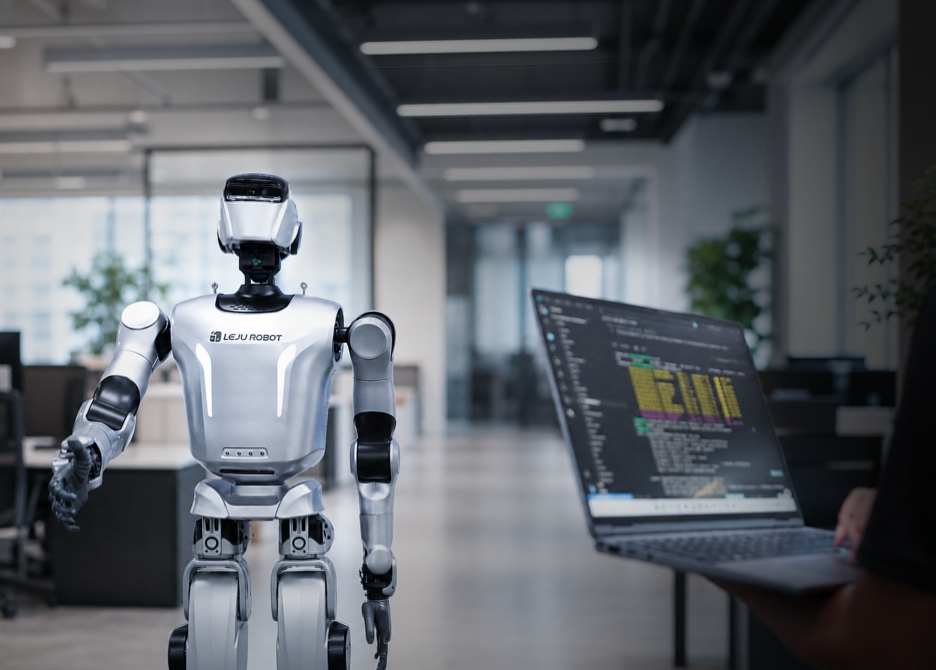
Leju Robotics (Suzhou Leju Robotics Co., Ltd.), founded in 2016 in Shenzhen, China. The company collaborates with Huawei for AI and OS integration.
The Kuavo runs for approximately 2 hours on a full charge. Charging time is unknown. The battery is not swappable based on current information.
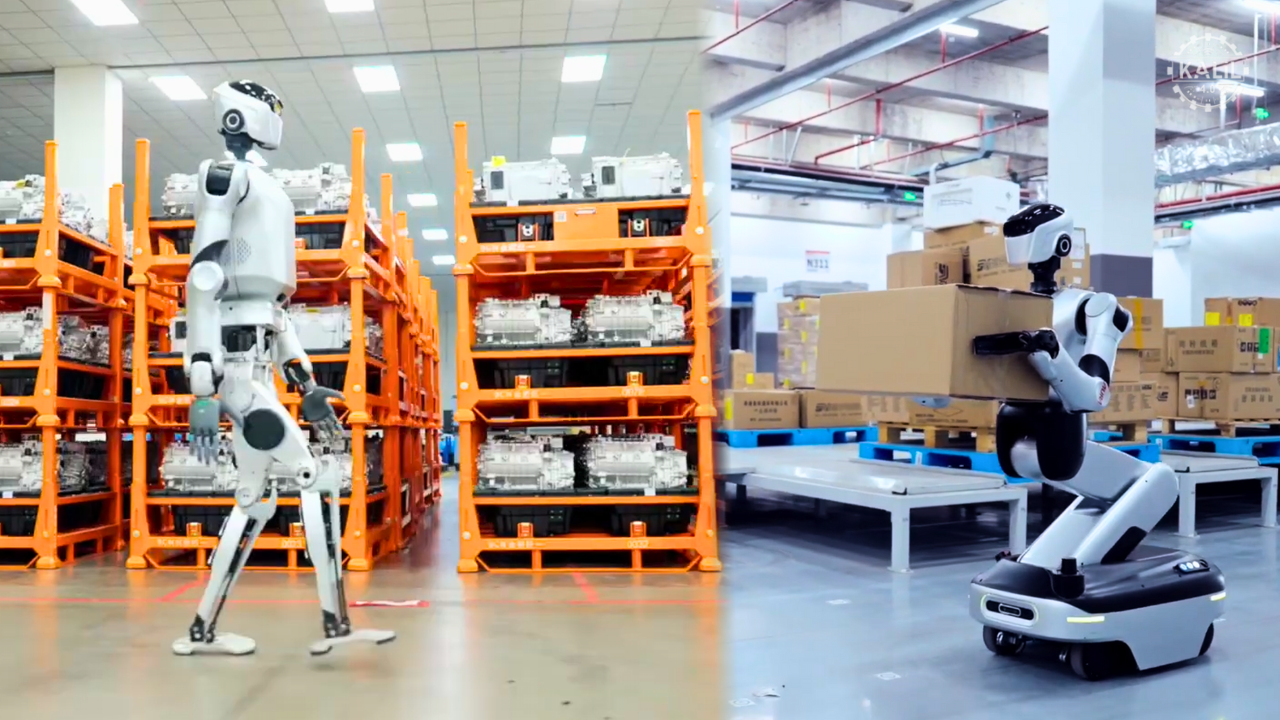
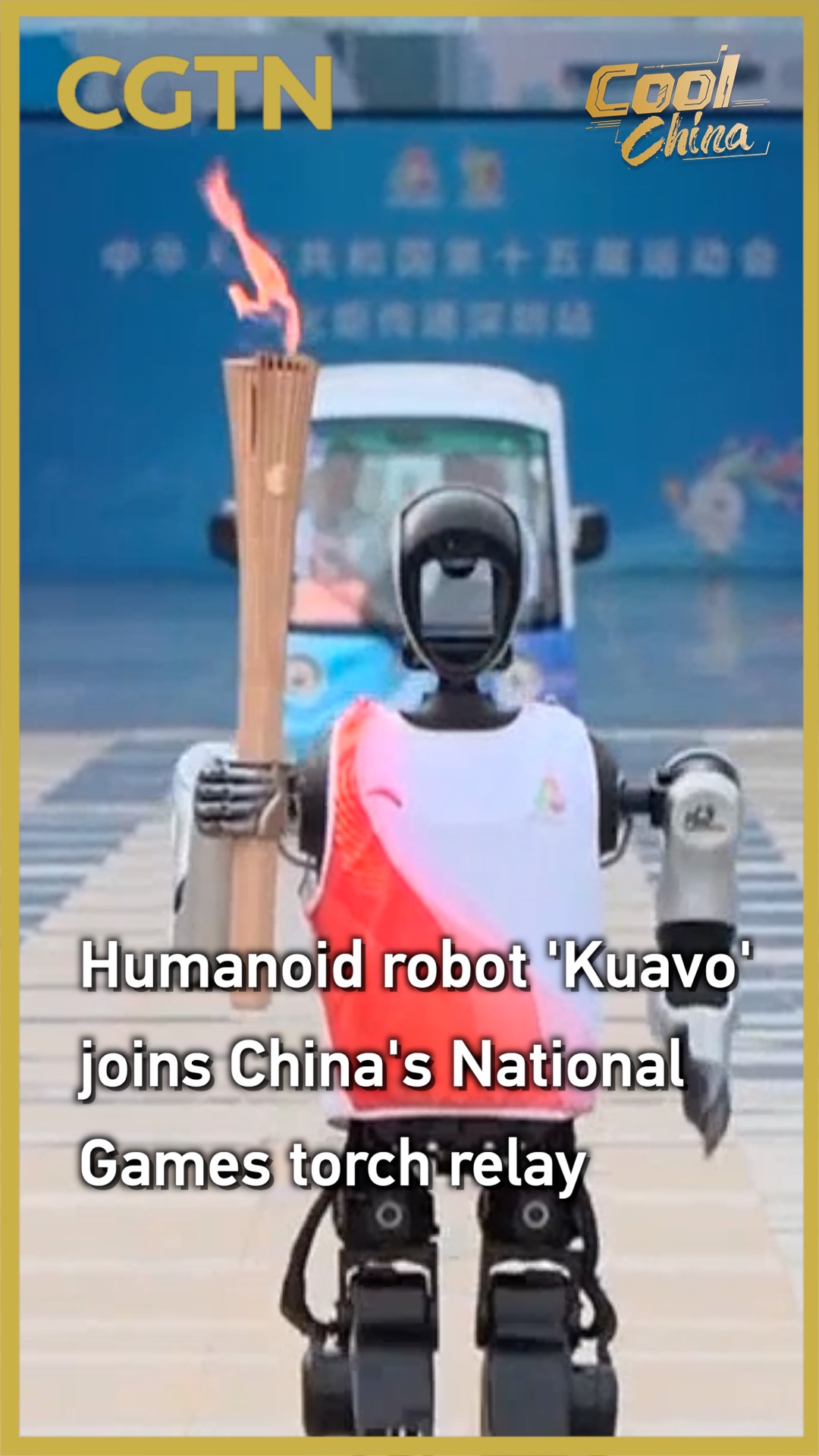
Primary target industries are academic research, education, and service robotics. It has been demonstrated in lab settings but not in commercial deployments.