The REEM-A was never sold commercially and has no public price. It was a privately funded research prototype, so pricing is not applicable.
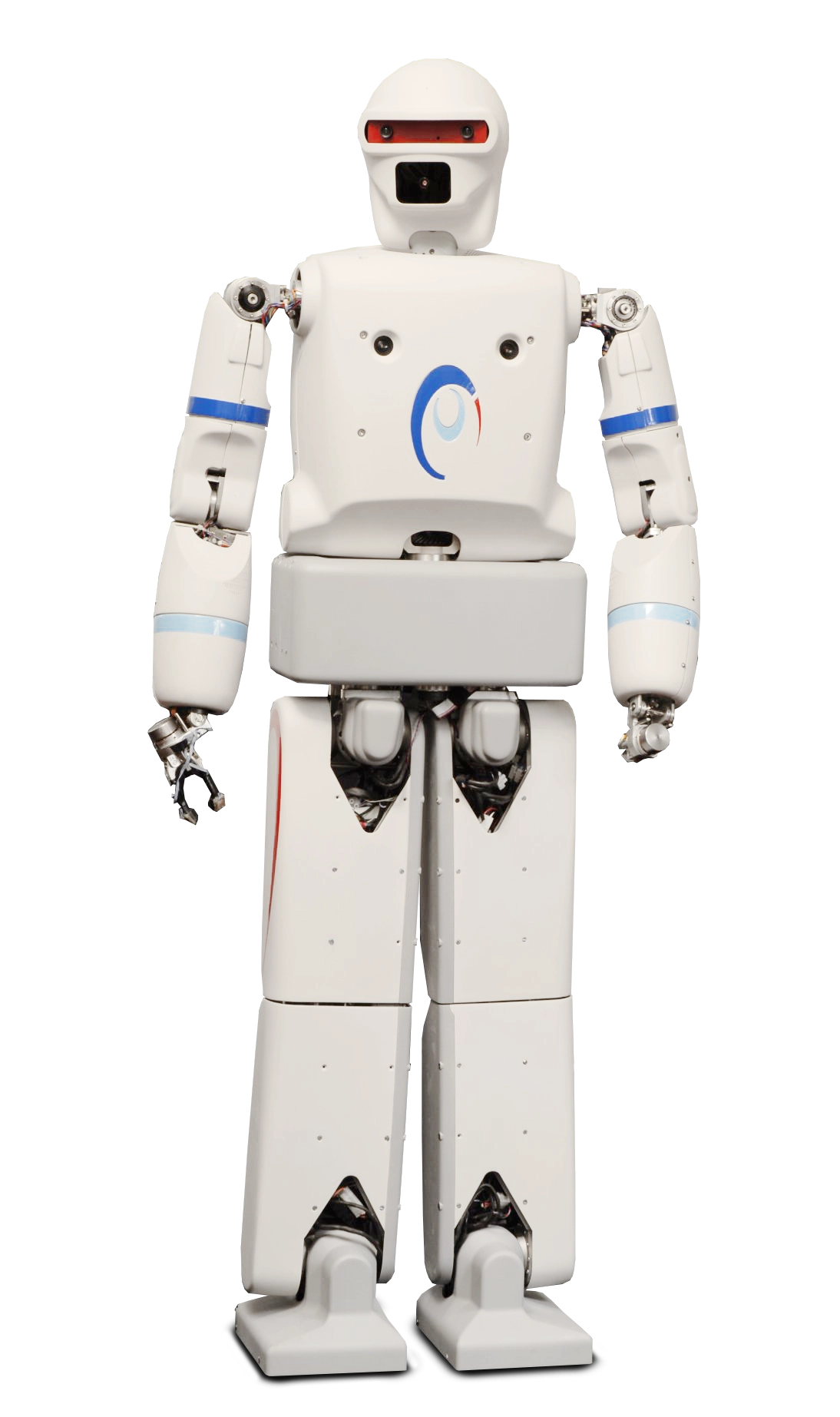
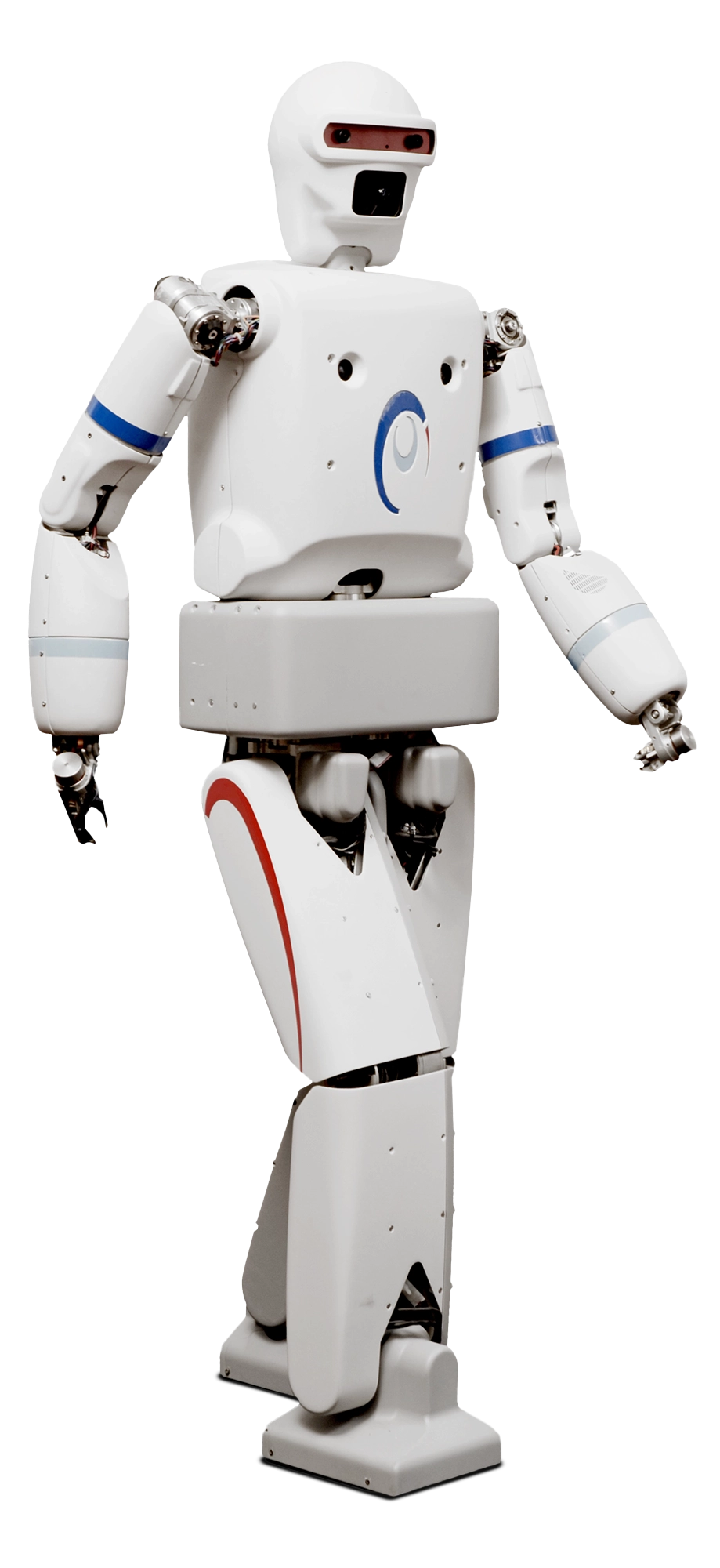
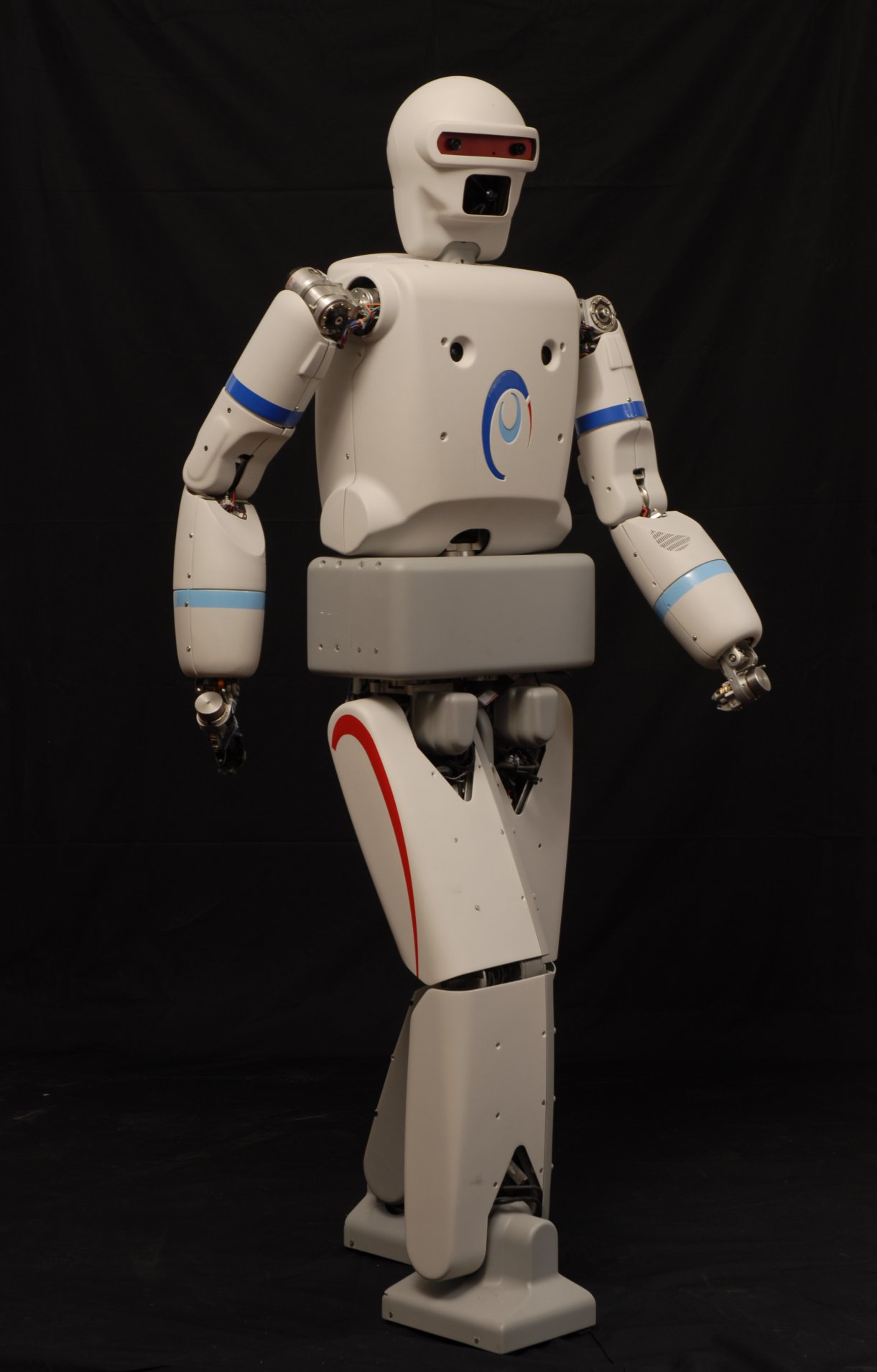
The REEM-A could walk, dance, and play chess. It had 22 degrees of freedom, enabling basic bipedal locomotion and limited upper body motion, but lacked arms for manipulation.
No. The REEM-A was a research prototype built in 2006 and never offered for sale. It is now discontinued and not available new or used.
While both were humanoid research robots from the mid-2000s, ASIMO was far more advanced, with dynamic walking, stair climbing, and decades of Honda’s investment. The REEM-A was a simpler demo platform with less refined locomotion.
Height: 165 cm, Weight: 80 kg, 22 degrees of freedom, max walking speed 4 km/h. Battery life and payload were not published.
PAL Robotics, headquartered in Barcelona, Spain, founded in 2004. The REEM-A was their first humanoid robot, developed around 2006.
Battery runtime was not publicly disclosed. As an early prototype, it likely used lead-acid or NiMH batteries offering 30–60 minutes of operation, but no official specs exist.
The REEM-A was used only for research and education, primarily within PAL Robotics’ own labs and at a few exhibition events. It was never deployed in any industry.
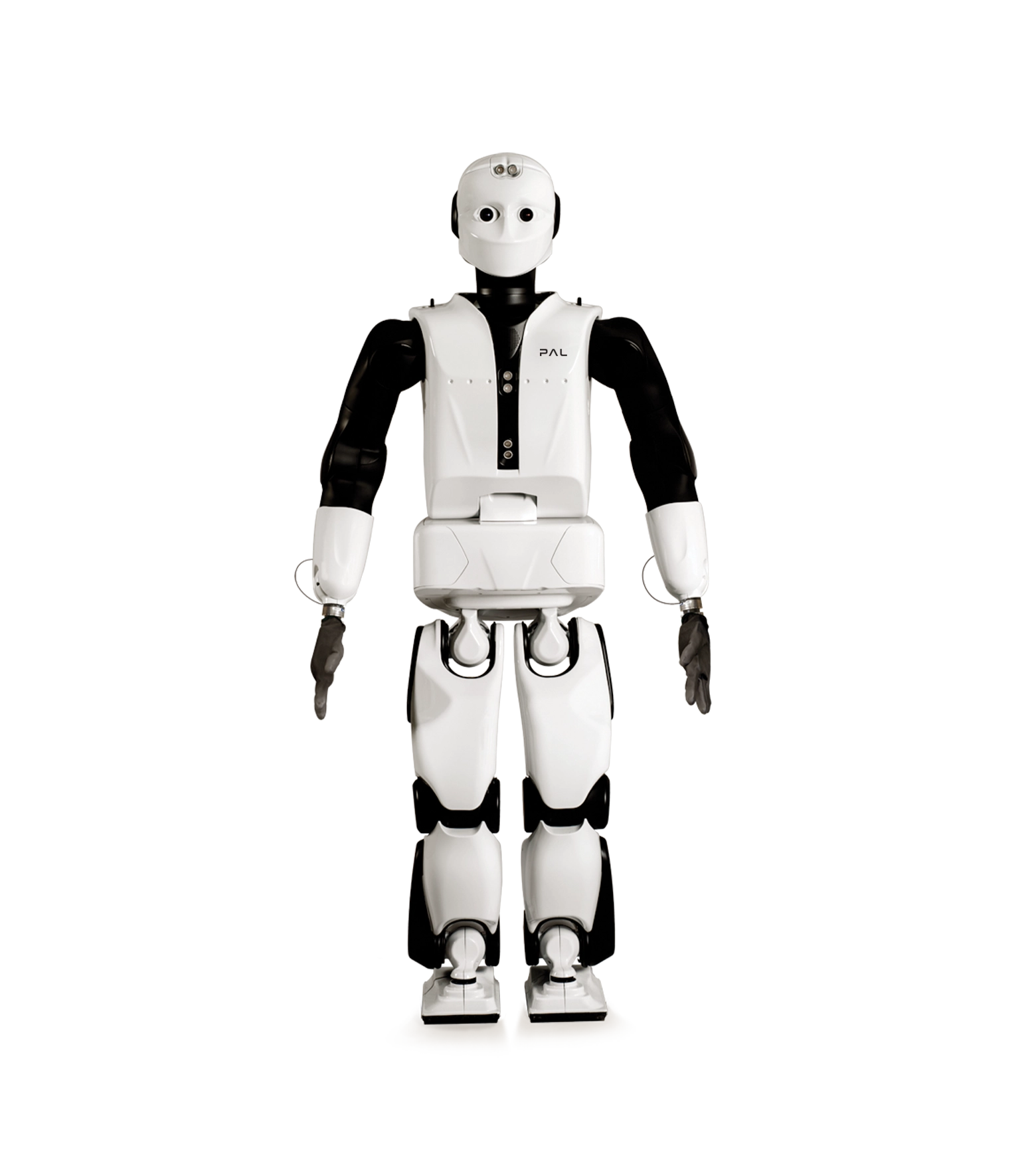
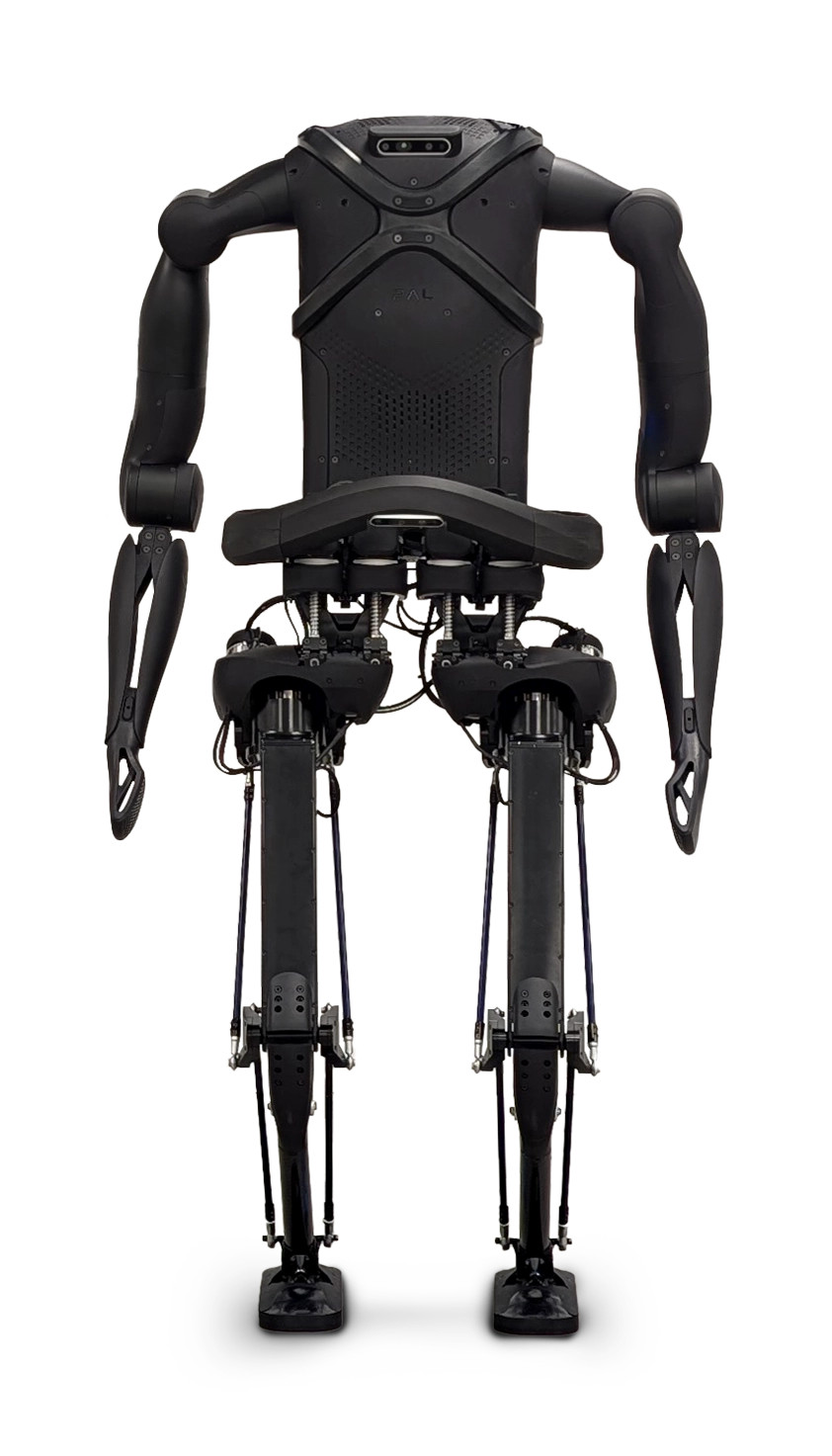
PAL Robotics built the REEM-B in 2007, which had improved walking and arms. Today, the company’s flagship research robot is TIAGo, a mobile manipulator, not a full humanoid.
It is extremely unlikely—only one or two prototypes were ever built, and they are presumed decommissioned. No used market exists.