REEM‑B was never sold commercially; no retail price was ever published. It was strictly a research prototype for internal use and collaborative projects.
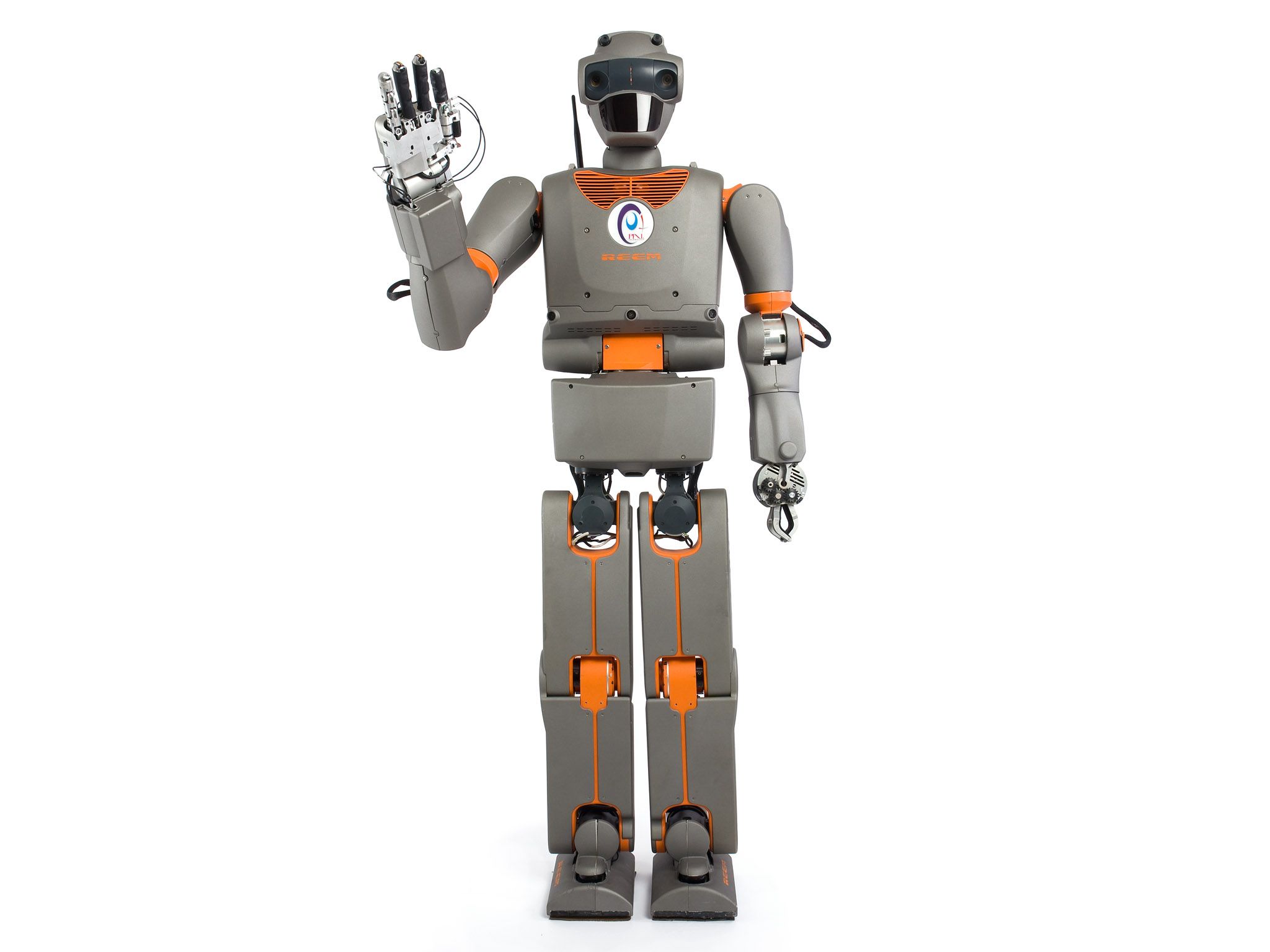
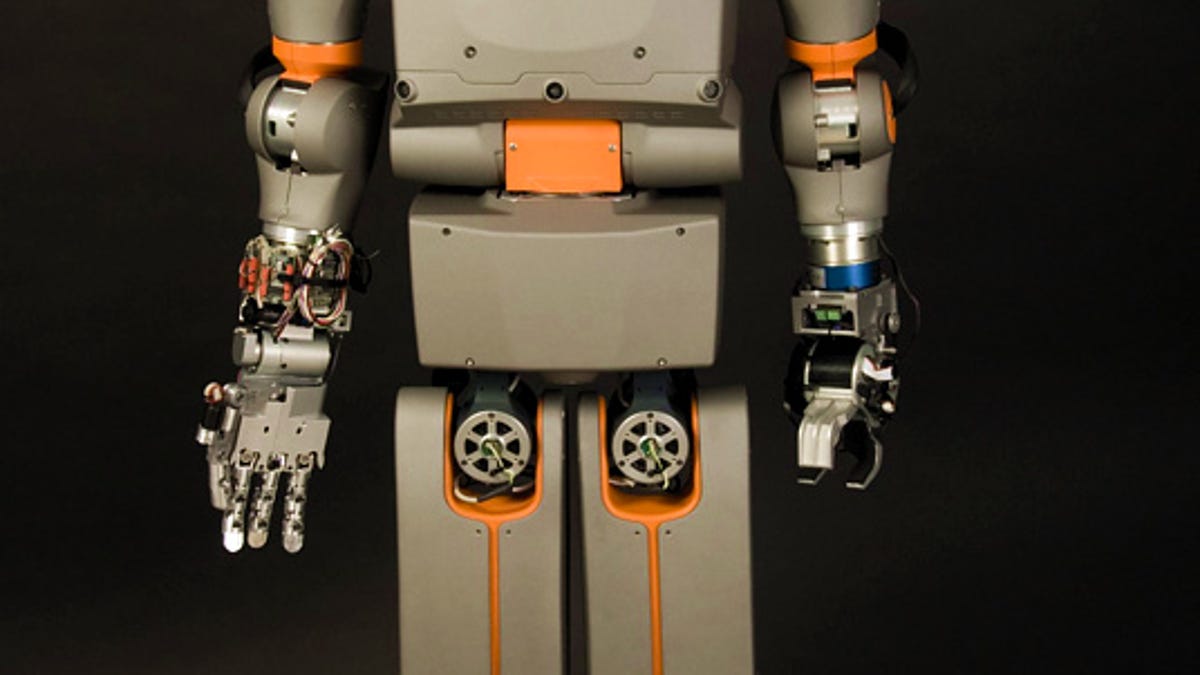
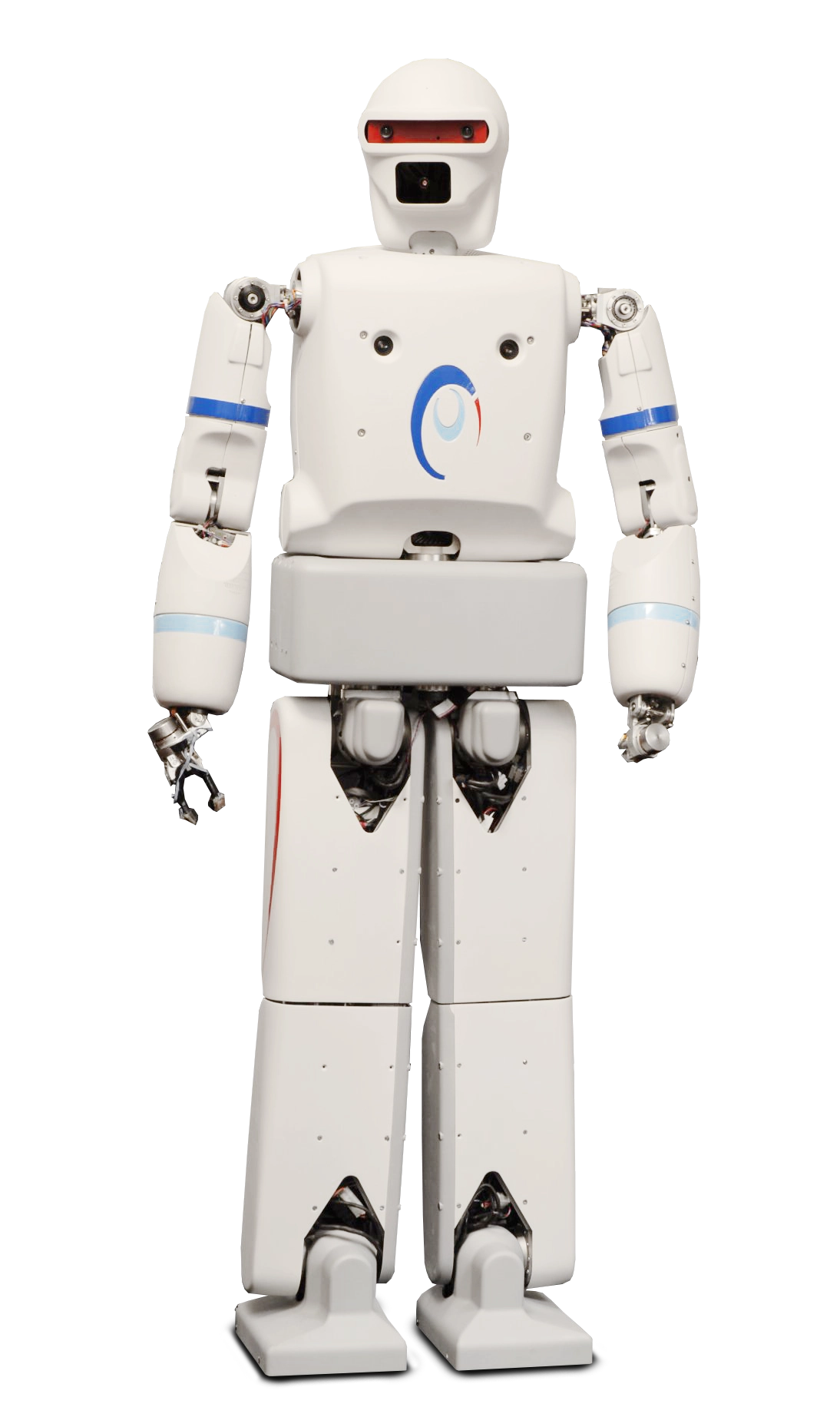
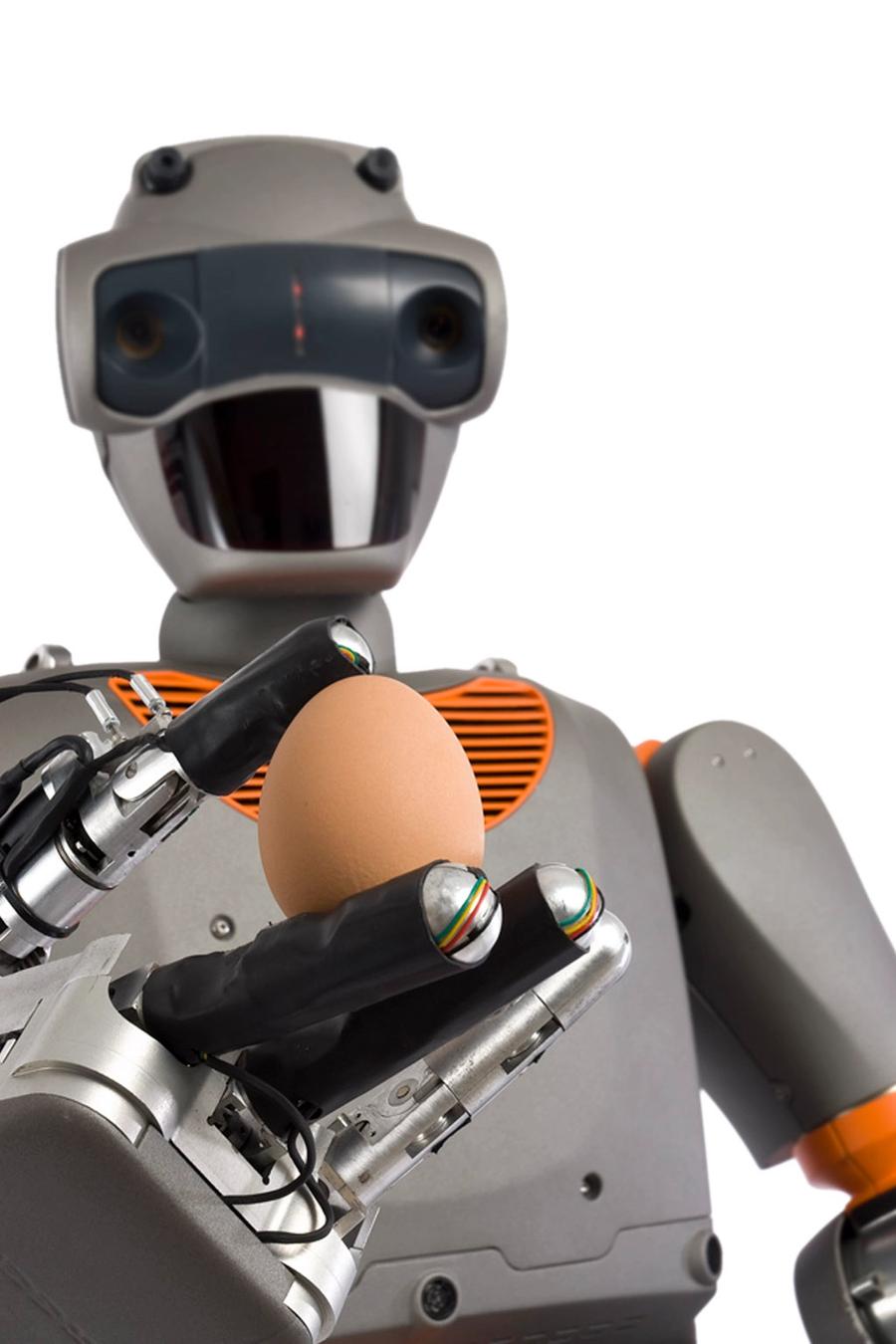
It could walk bipedally, carry 12 kg payloads in its arms, localize itself using laser rangefinders, interact with people via speech and gestures, and perform simple whole‑body manipulation tasks in controlled indoor environments.
No. It was a research‑only platform, discontinued in the early 2010s. No new or used units are sold through official channels, and only a few prototype units may exist with original research partners.
ASIMO had smoother walking, higher speed, and better public demonstrations, but was completely closed to external researchers. REEM‑B offered a 12 kg payload (double ASIMO’s) and an open Linux architecture, making it more suitable for university labs despite slower walking.
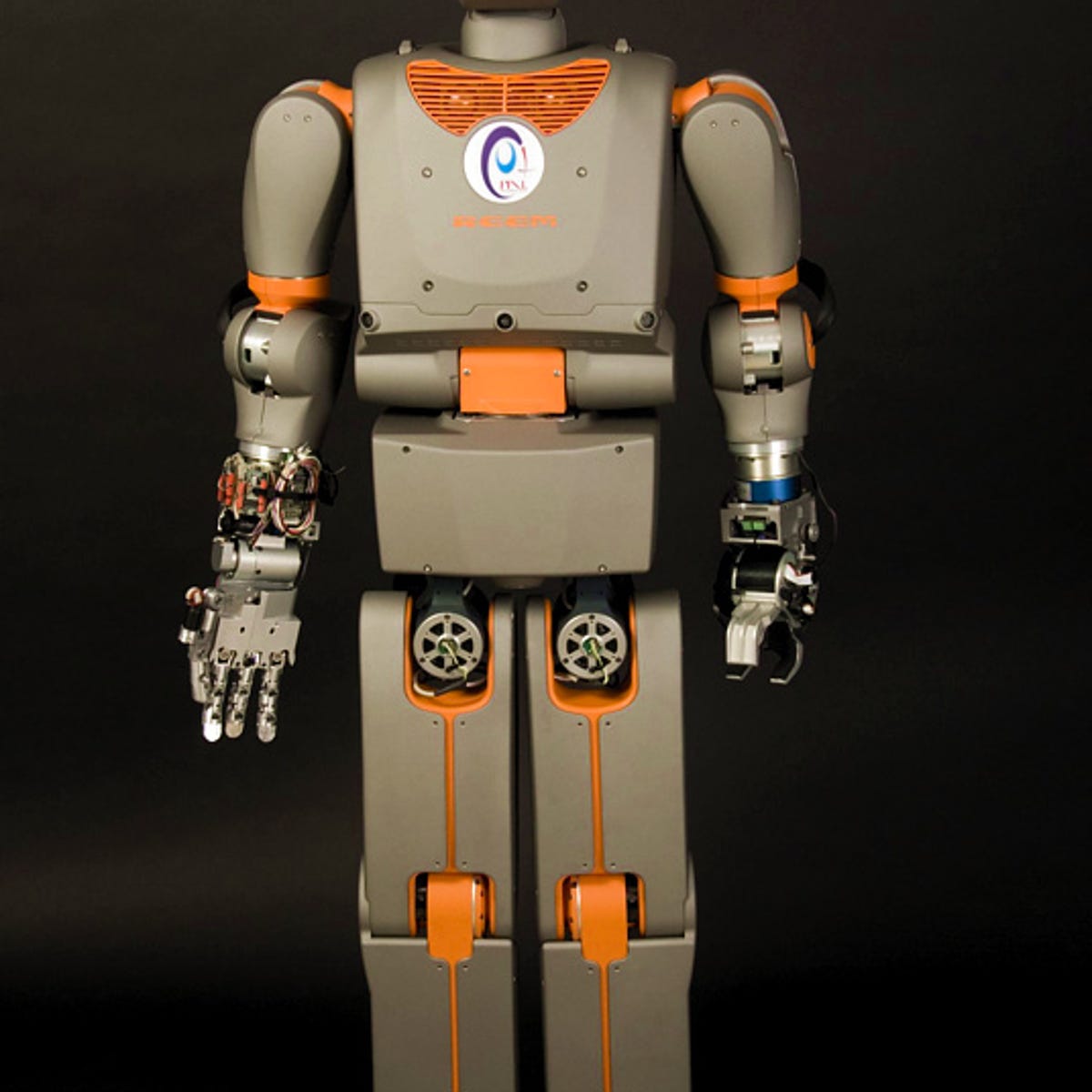
41 degrees of freedom, up to 2 hours of battery life, 12 kg arm payload, DC motors with harmonic drives, laser range finders in feet, stereo cameras, IMU, and an on‑board dual‑core PC running Ubuntu Linux. Height and weight were never officially published.
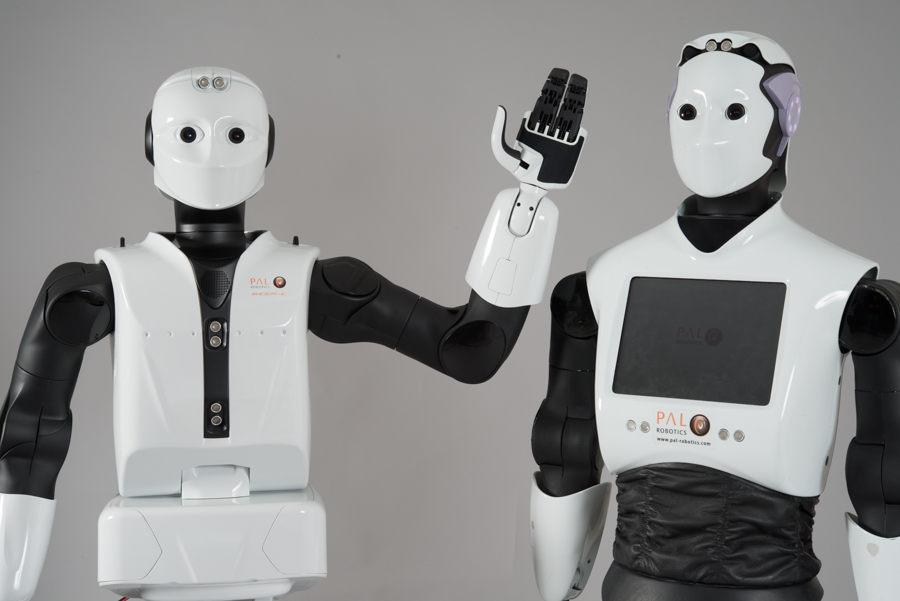
PAL Robotics, founded in 2004 in Barcelona, Spain, designed and built REEM‑B. The company also developed the later REEM‑C, TIAGo, and TALOS humanoids.
It could operate for up to 2 hours on a single charge, which was roughly double the runtime of contemporary Honda ASIMO. Charging time and battery swap capabilities were not publicly documented.
Primarily academic research labs and robotics institutes working on bipedal locomotion, human‑robot interaction, and autonomous navigation. It was not deployed in industry outside of research demonstrations.