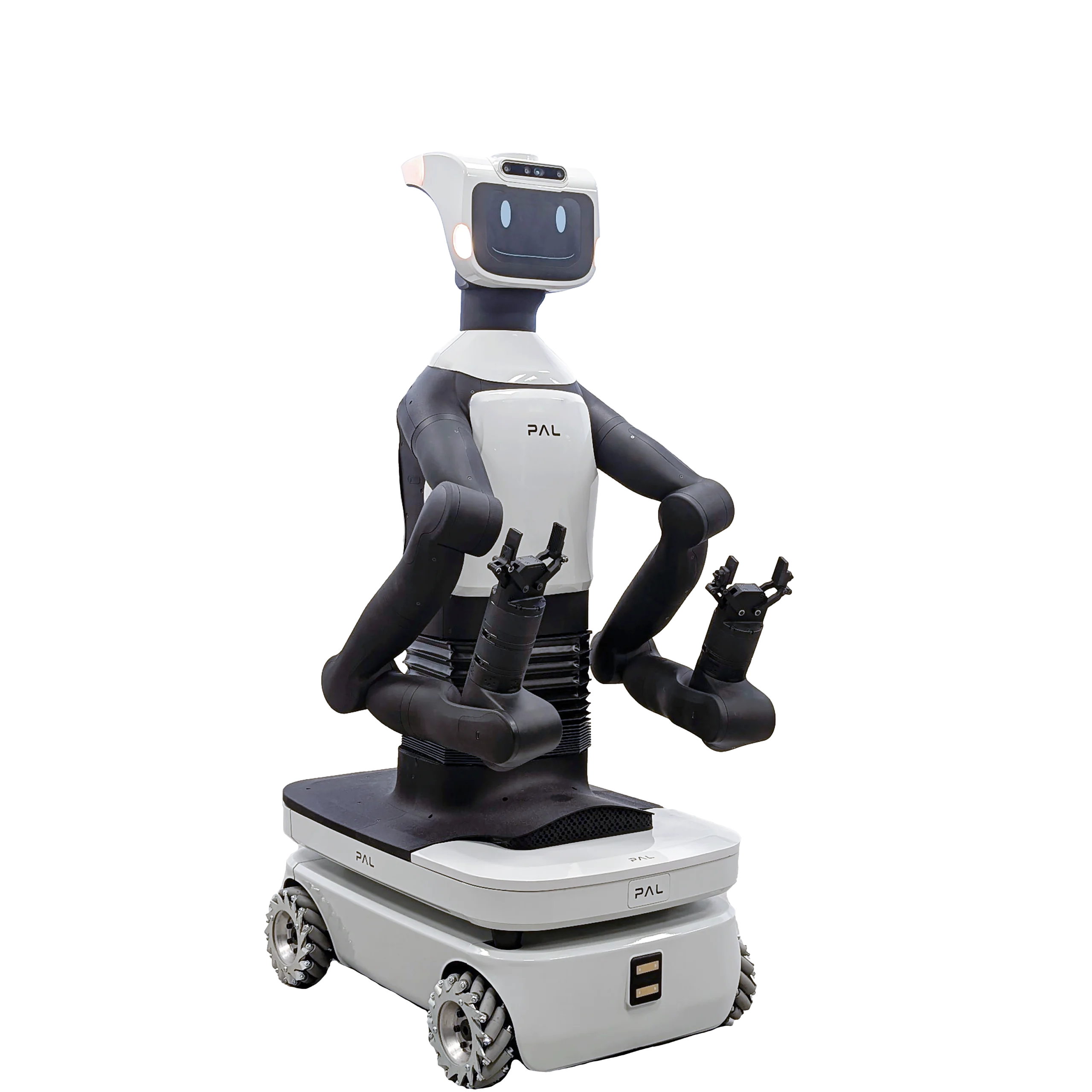
The TIAGo Base (mobile platform only) starts at approximately $30,000. A single-arm TIAGo typically costs $60,000–$80,000, while the dual-arm TIAGo++ can reach $100,000. Academic discounts are often available, and used units range from $15,000 to $50,000 depending on configuration and condition.
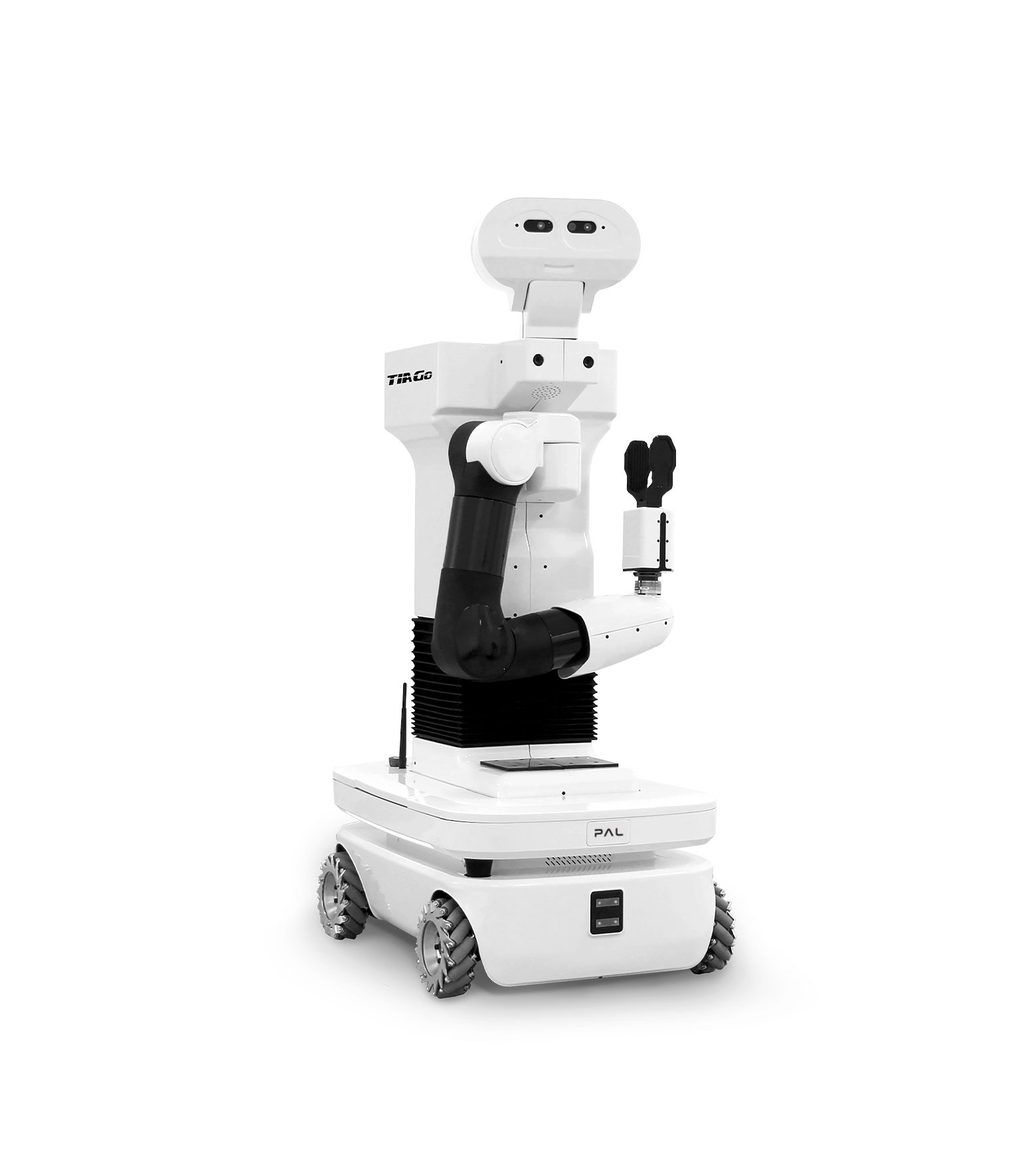
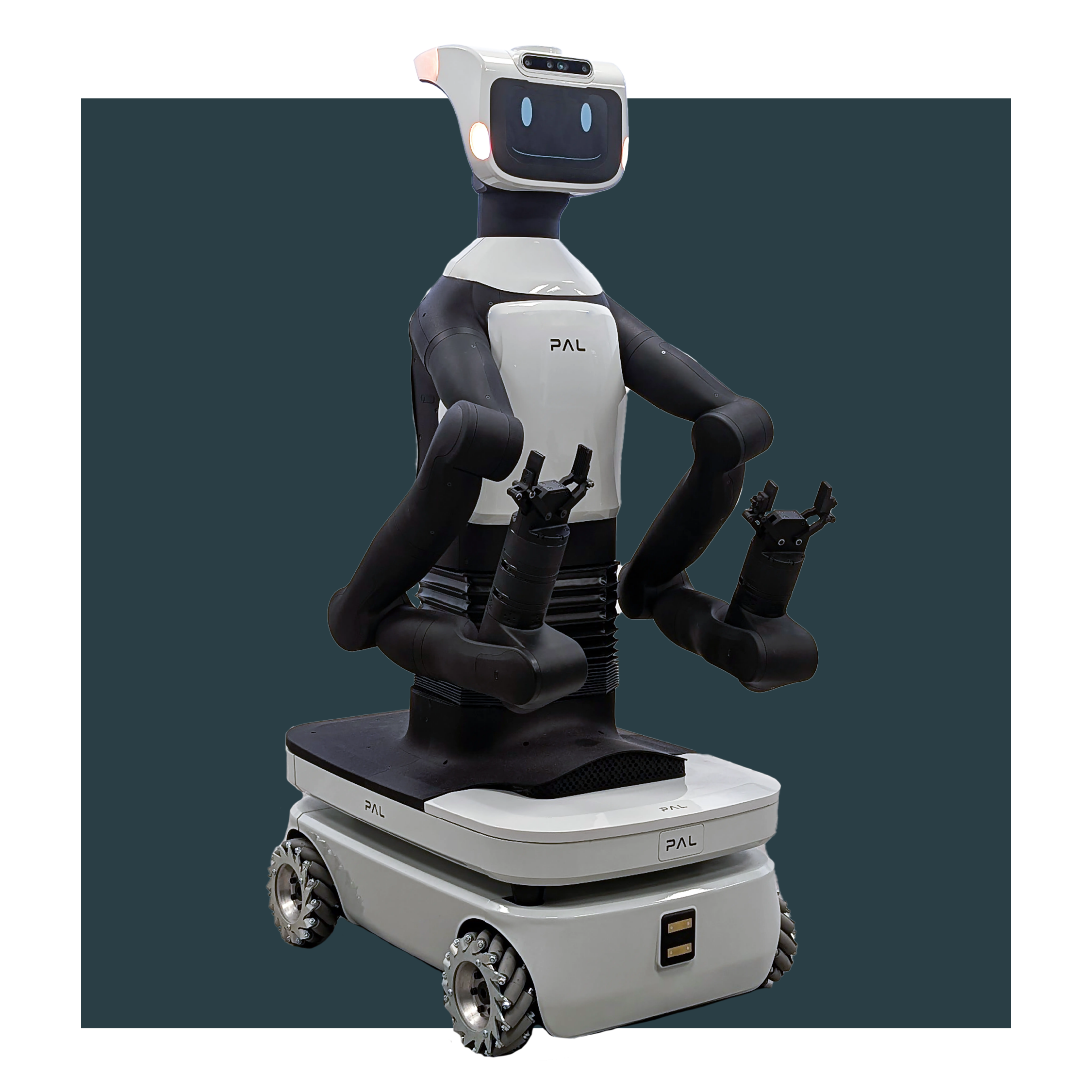
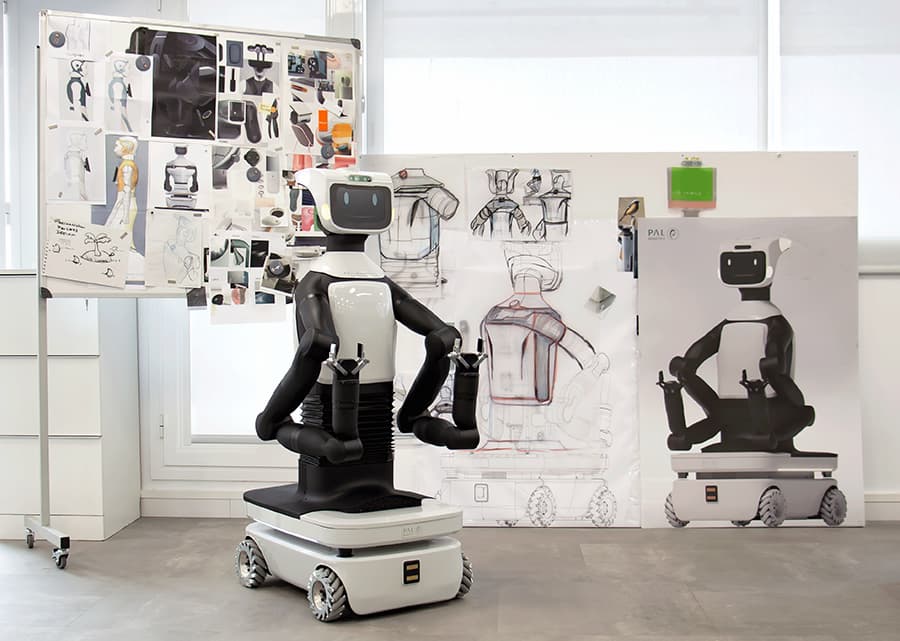
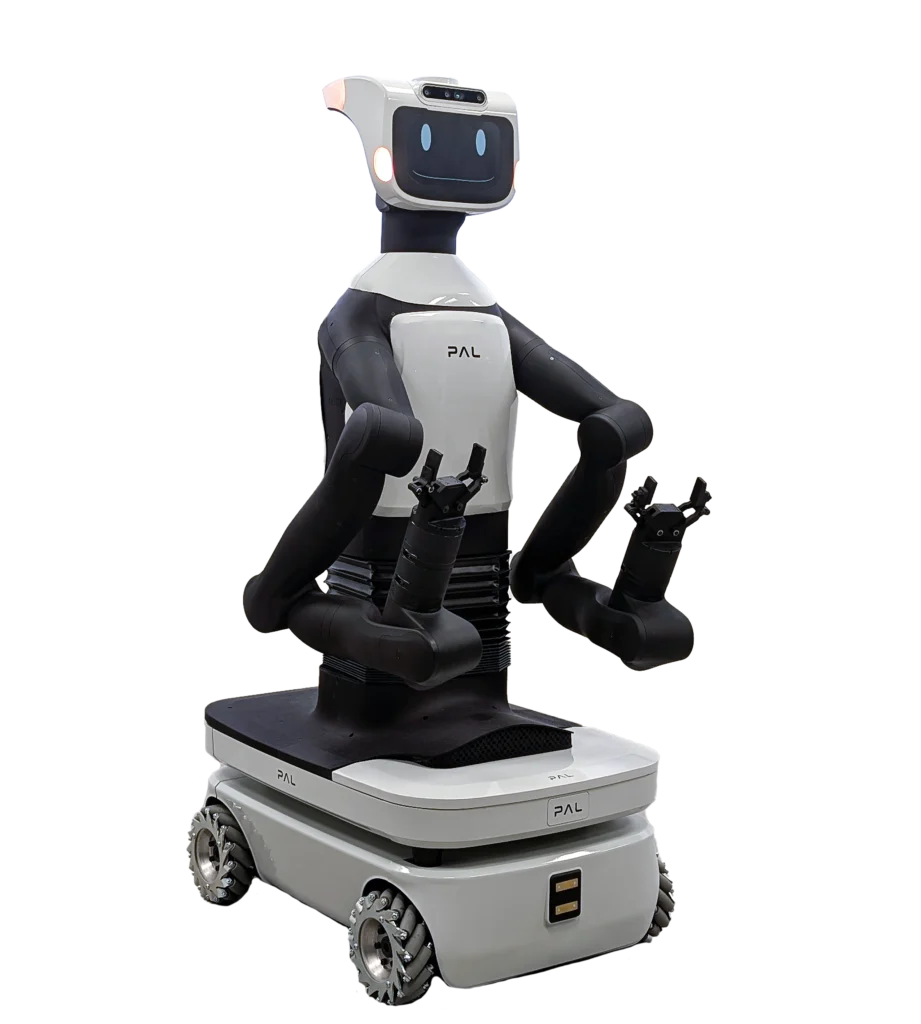
The TIAGo is a mobile manipulator designed for indoor tasks such as object pick-and-place, navigation, telepresence, and human-robot interaction. Its 7-DOF arm with a 2 kg payload can manipulate objects, and its adjustable torso lift extends reach from 25 cm up to 60 cm above the base. It can autonomously navigate dynamic environments using LiDAR and cameras.
Yes, the TIAGo is commercially available. It can be purchased directly from PAL Robotics in Barcelona, Spain, or through authorized distributors. Lead times vary by configuration but are typically 6–12 weeks for standard models. Used units are also periodically available from research labs and on marketplaces.
Both are mobile manipulators, but the TIAGo has an adjustable torso lift (35 cm travel) that the Fetch lacks, allowing it to reach a wider range of working heights. The TIAGo also ships with CE certification and a ROS-native compute platform out of the box, while the Fetch uses a different sensor package and has a fixed manipulator height.
The single-arm TIAGo has 12 DOF (2 base, 1 torso lift, 7 arm, 2 head), weighs 70 kg, stands up to 145 cm tall, and moves at up to 1 m/s (3.6 km/h). Arm payload is 2 kg, and battery life is 4–5 hours with one battery or 8–10 hours with a second battery.
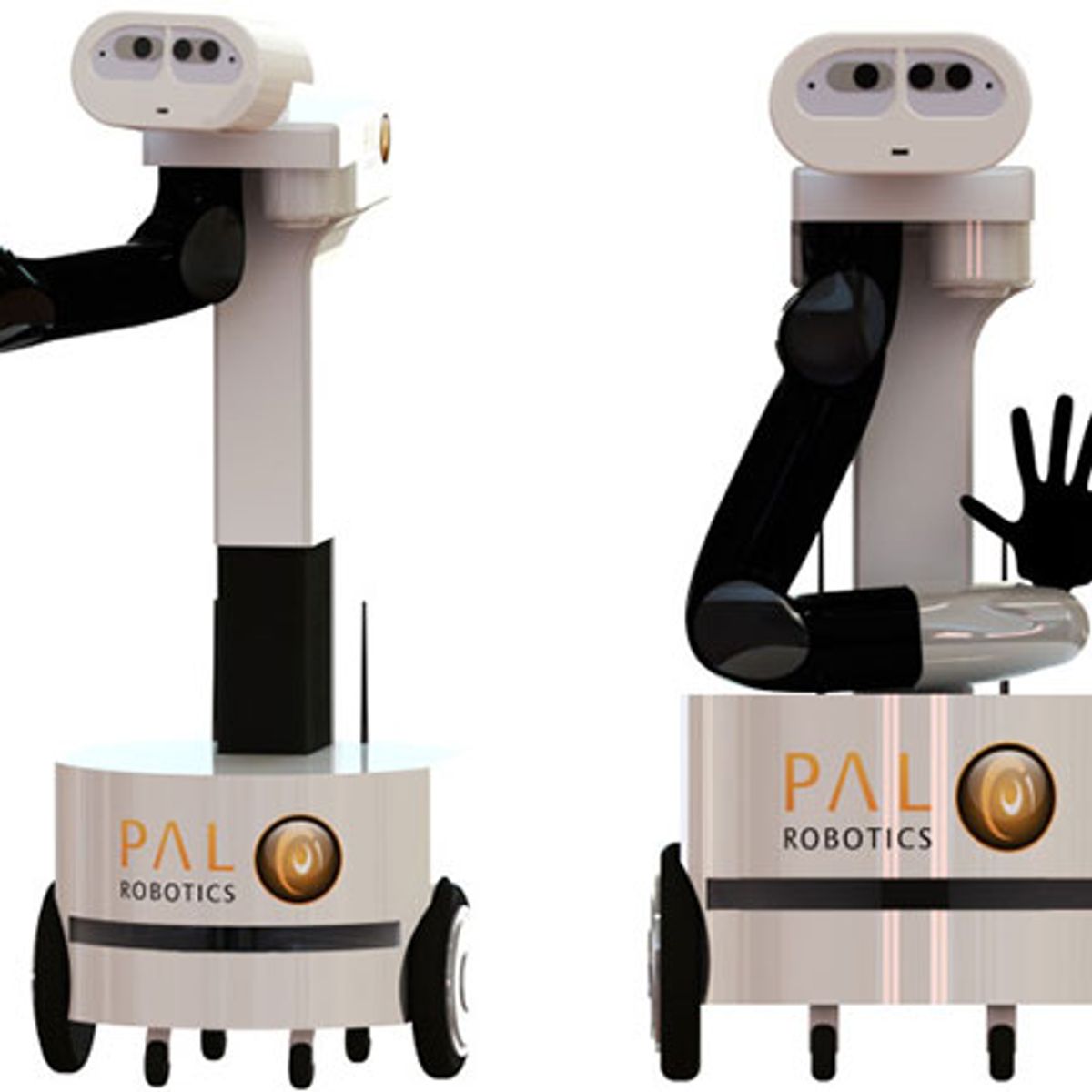
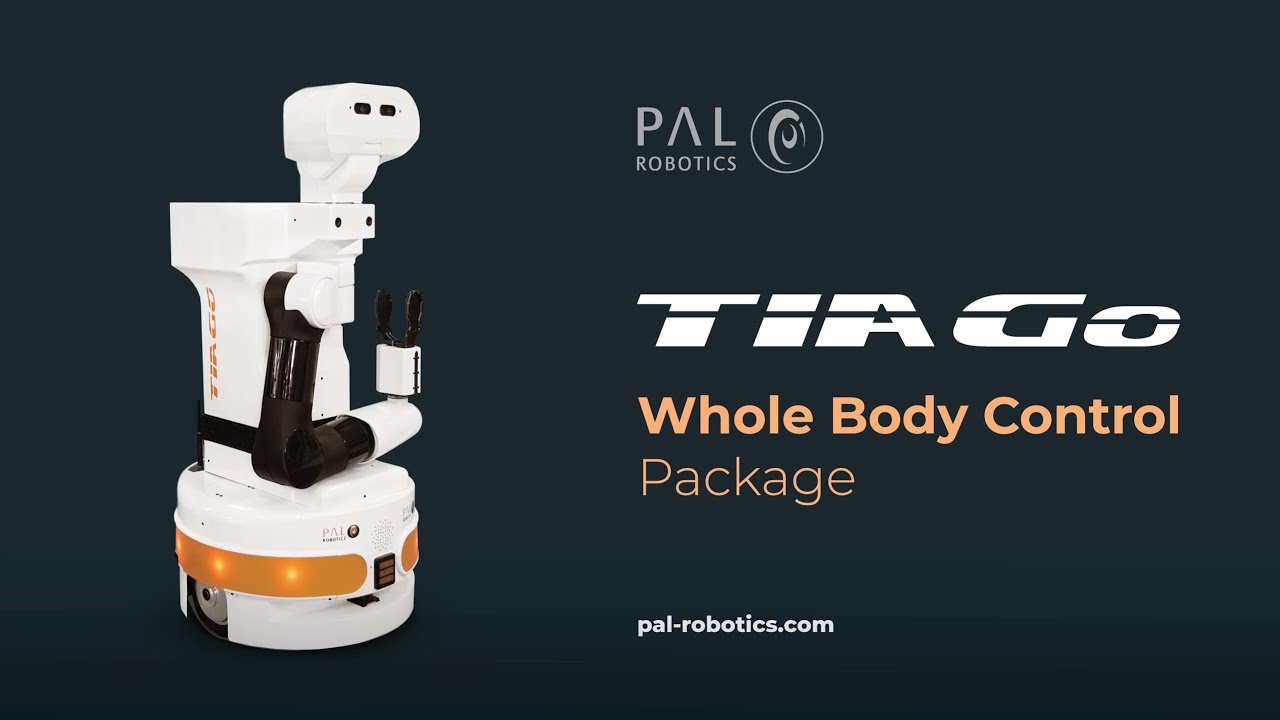
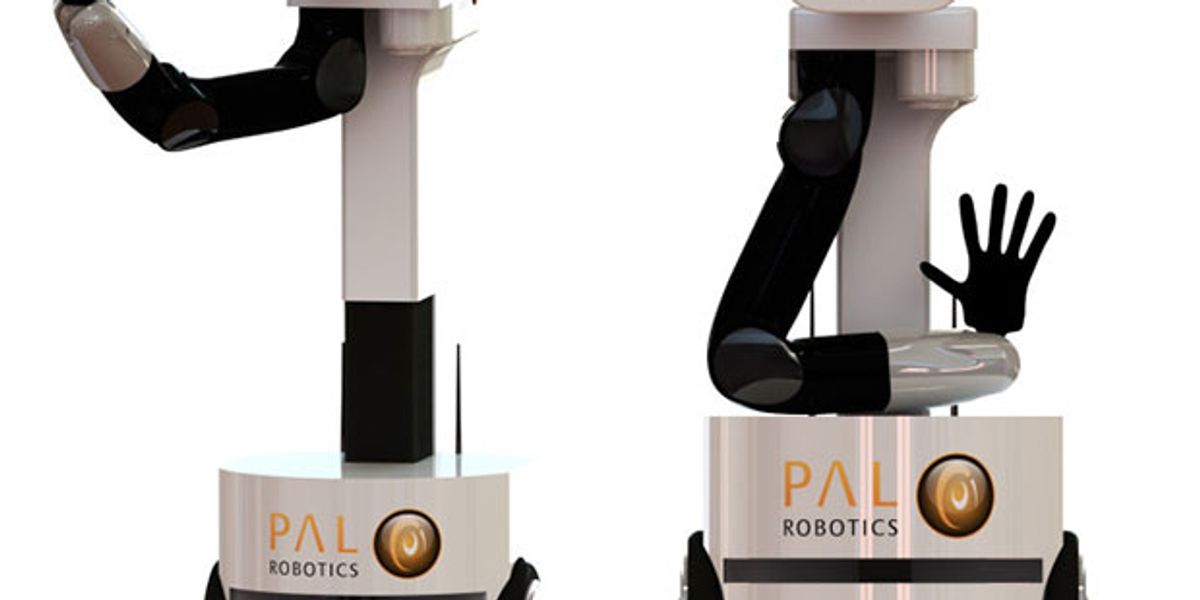
The TIAGo is made by PAL Robotics, a robot manufacturer founded in 2004 and headquartered in Barcelona, Spain. PAL Robotics is known for several service and research robots, including the REEM humanoid and the ARI social robot.
With a single 36V Li-ion battery, the TIAGo operates for 4–5 hours under typical use. An optional second battery doubles that to 8–10 hours. The battery is user-swappable, and charging time is approximately 3–4 hours per pack.
The primary users are research institutions and universities, especially for HRI and mobile manipulation projects. It is also used in healthcare for assistive tasks, in industrial settings for inspection, and in retail/hospitality for telepresence and customer engagement. Its CE marking allows deployment in European healthcare and industrial environments.