Promobot does not publish a list price; the cost is undisclosed and requires a direct inquiry for a custom quote. Estimates based on similar androids suggest a base price in the range of $500,000 to $2.8 million depending on customization.
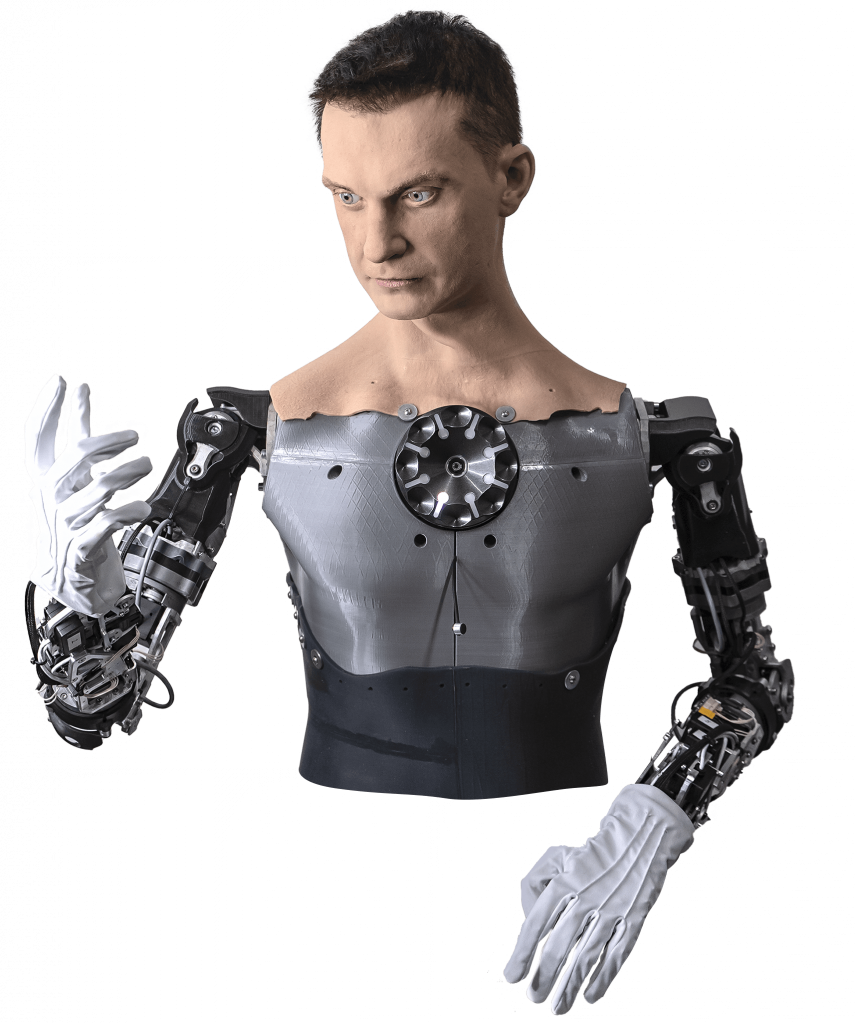
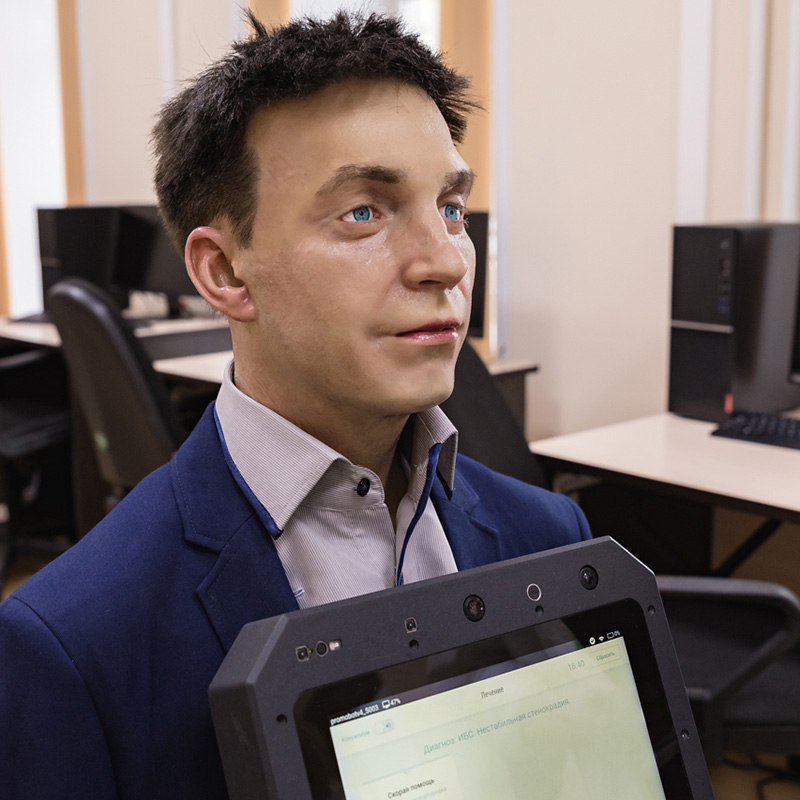
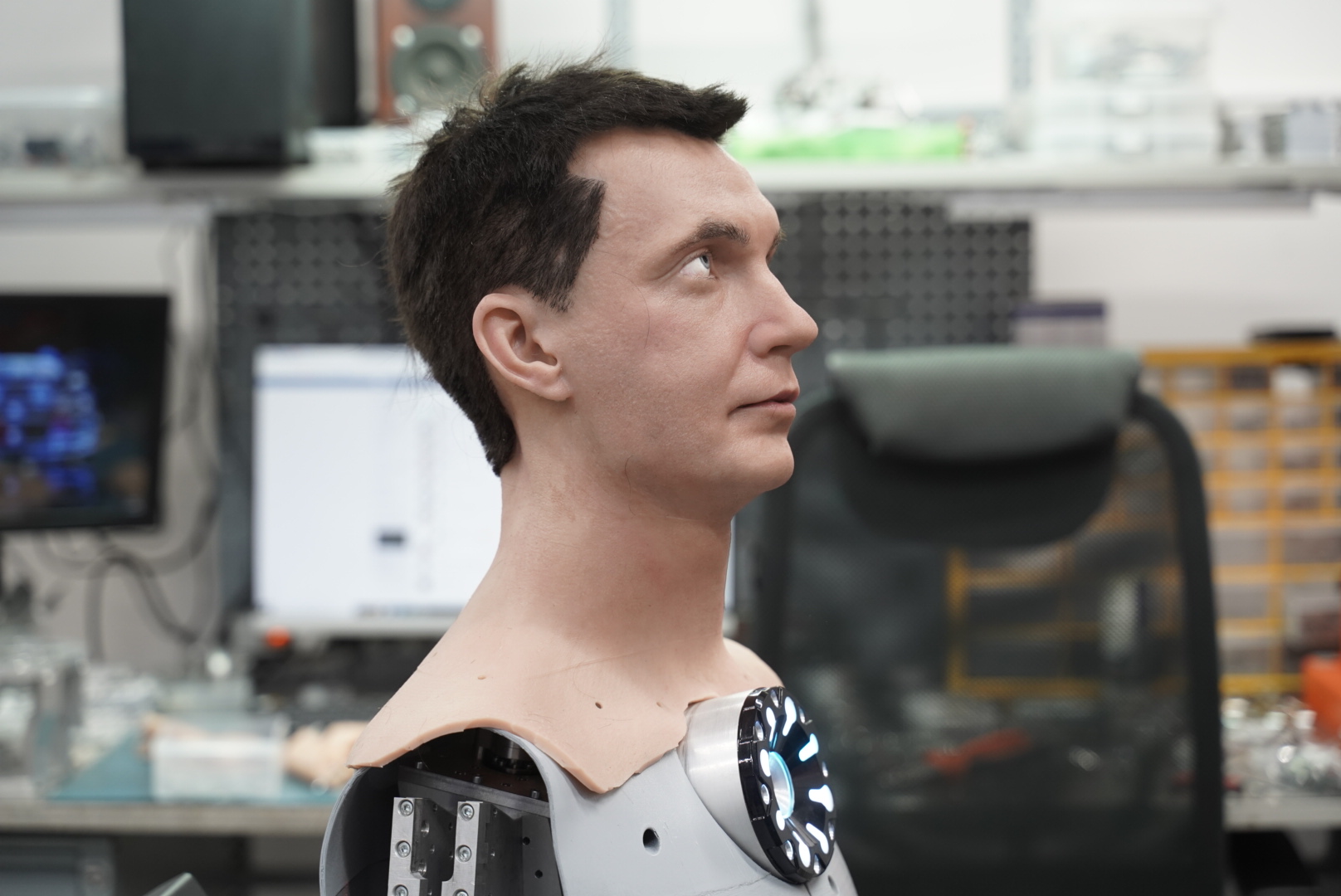
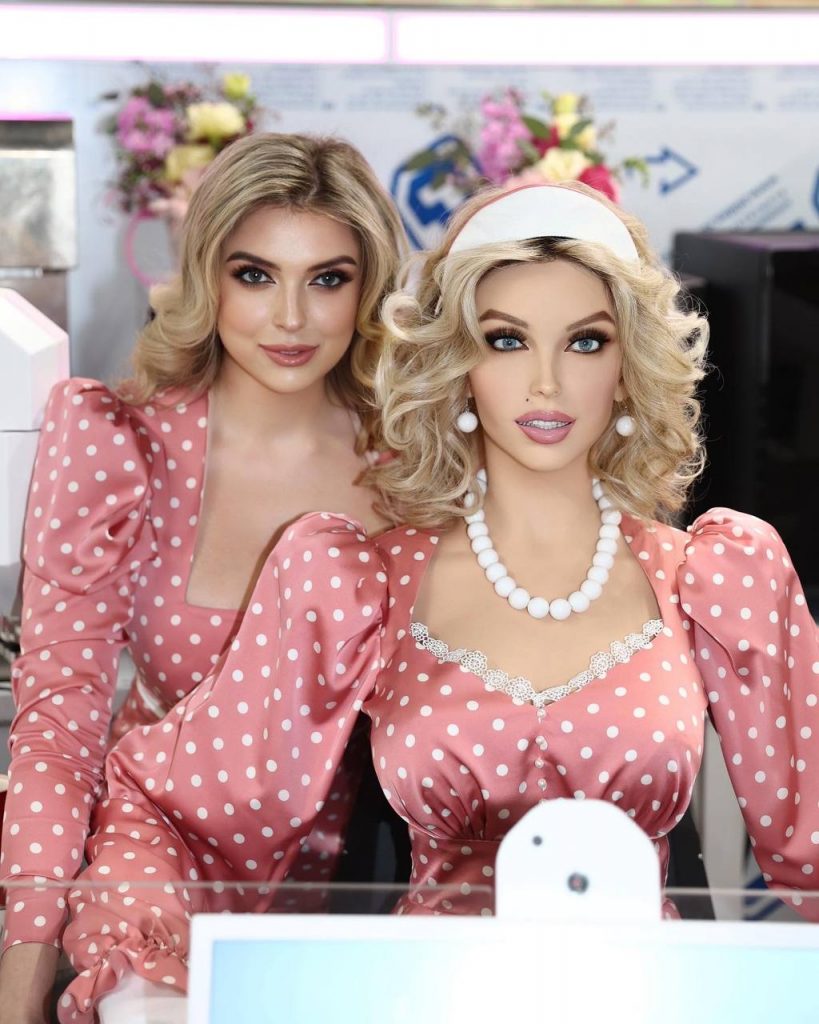
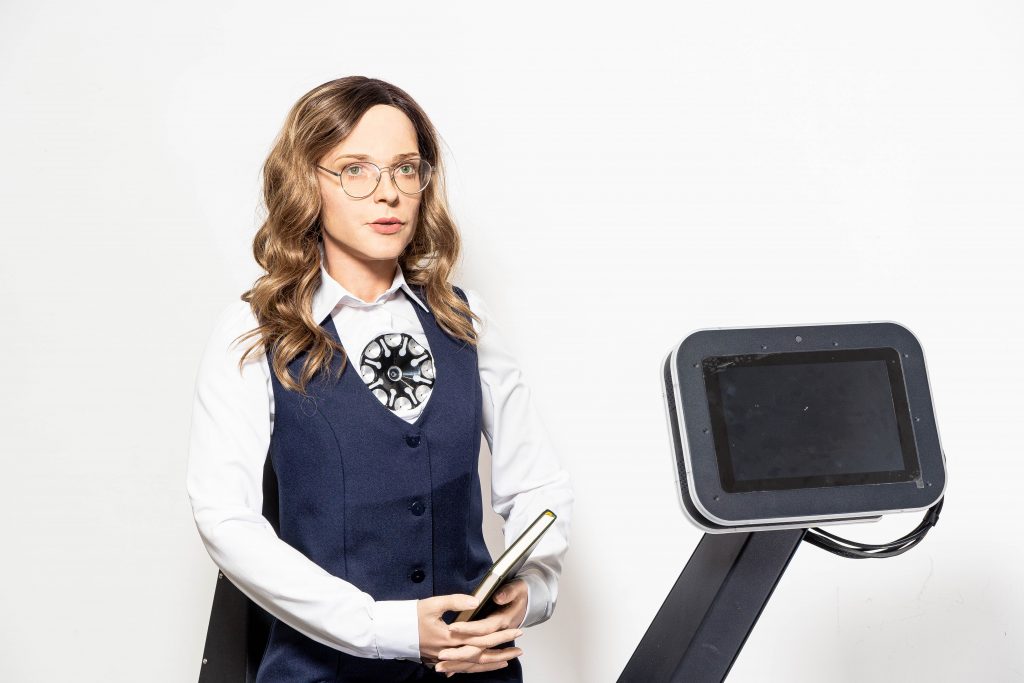
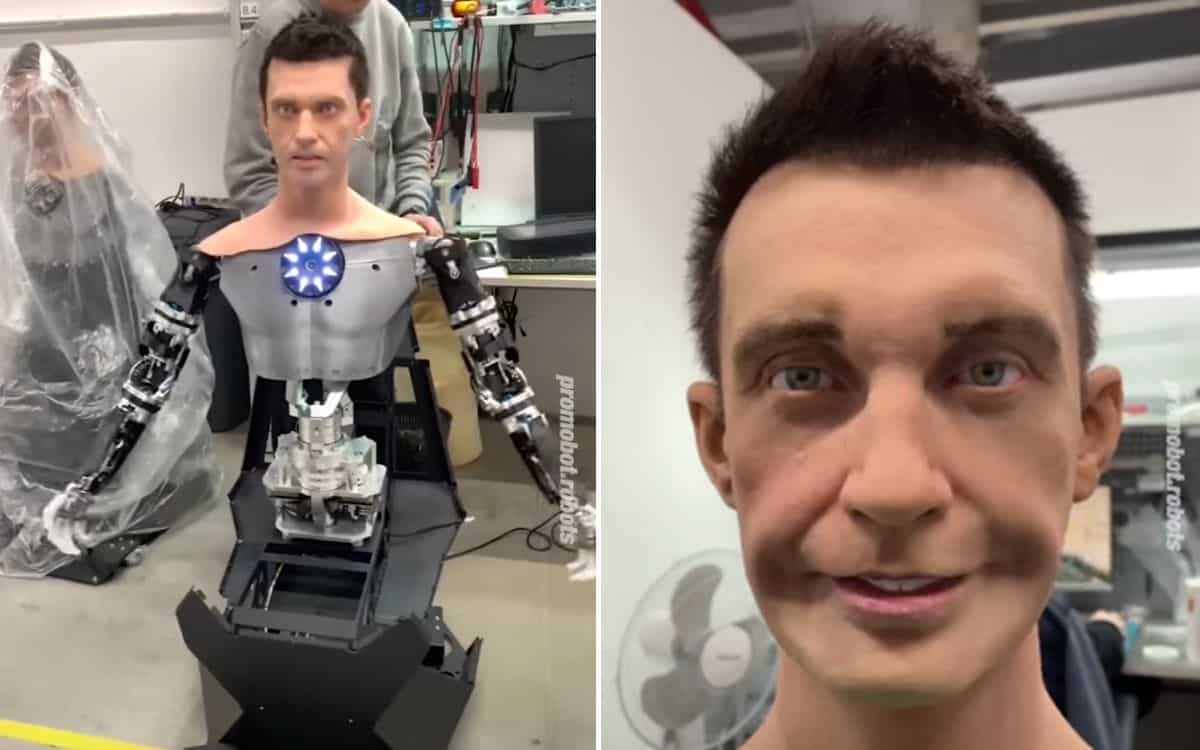
Robo-C can greet visitors, answer frequently asked questions, and provide information through speech synthesis and a touchscreen. It can replicate over 600 facial micro-expressions and be customized to look like any person. It includes conversational AI, but open-ended dialogue may be limited.
Yes, the Robo-C is commercially available directly from Promobot. It is made to order, and lead times depend on customization complexity. Contact the manufacturer for current availability and delivery estimates.
Sophia is a full-body humanoid with a more advanced AI and full body motion, but it is not sold as a product and cannot be customized to resemble a specific person. Robo-C is a stationary bust designed for custom likeness and direct commercial deployment, making it more suitable for branded receptionist roles.
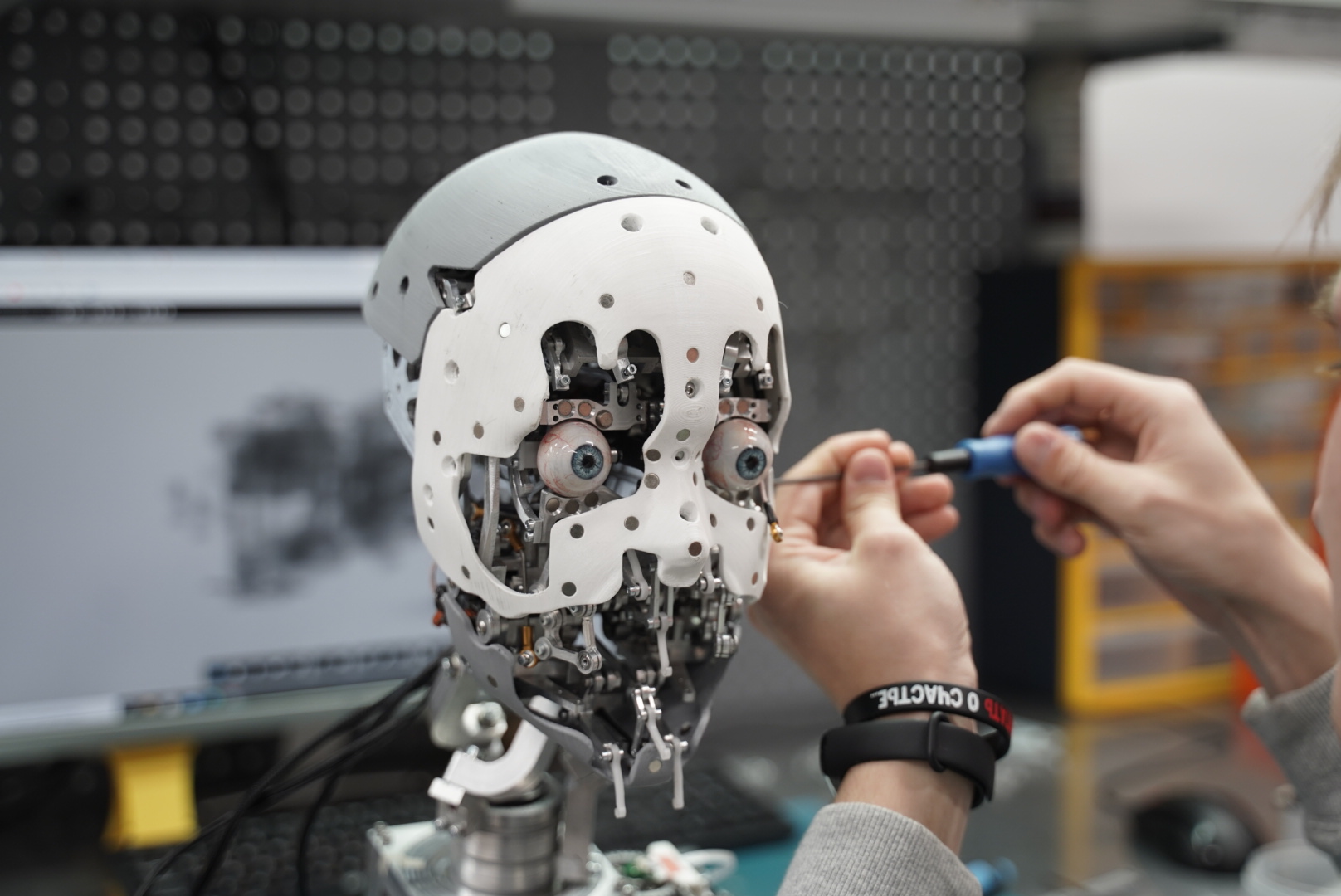
Key specifications include 12 degrees of freedom for facial animation, weight of 32 kg, hyper-realistic silicone skin, integrated conversational AI, camera, microphone, and presence sensors, and Wi‑Fi/Ethernet connectivity. Battery life and speed are not applicable as it is a mains-powered stationary robot.
Robo-C is manufactured by Promobot, a robotics company founded in 2015 in Perm, Russia. The company also produces wheeled service robots and has deployed Robo-C in several countries.
Battery life is not publicly specified. The Robo-C is designed as a stationary unit that is typically powered via a wired AC connection, so it does not rely on a battery for normal operation.
Robo-C is used in banking, hospitality, retail, museums, and marketing. Specific deployments include reception desks in Russian banks, interactive exhibits in European museums, and brand activations at trade shows in the Middle East.