Rainbow Robotics does not publicly list a price for the HUBO; units are sold on a direct quotation basis to universities and corporations. Historical sales suggest costs in the range of several hundred thousand USD, depending on configuration and support. Contact Rainbow Robotics or an authorized distributor for a current quote.
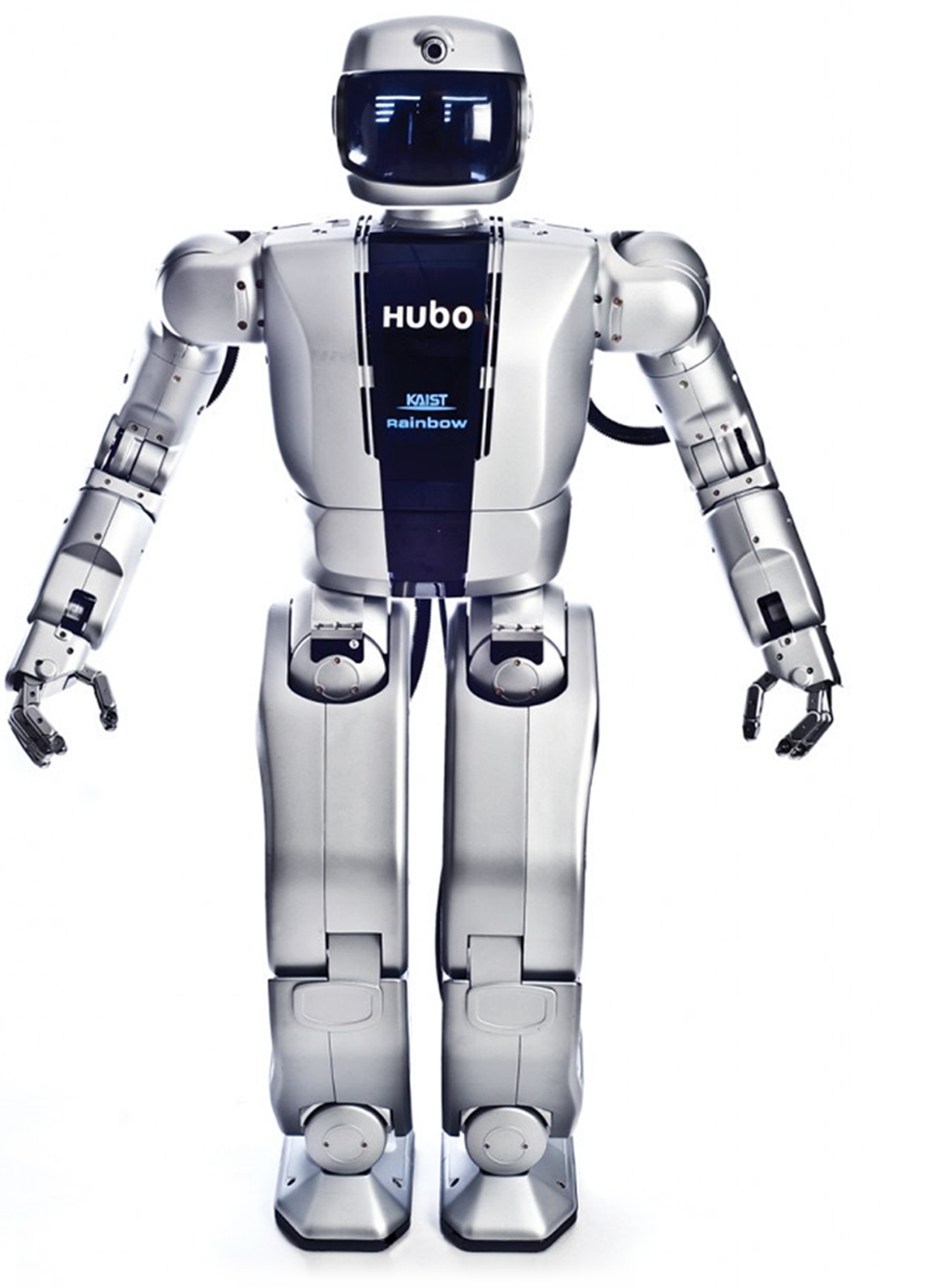
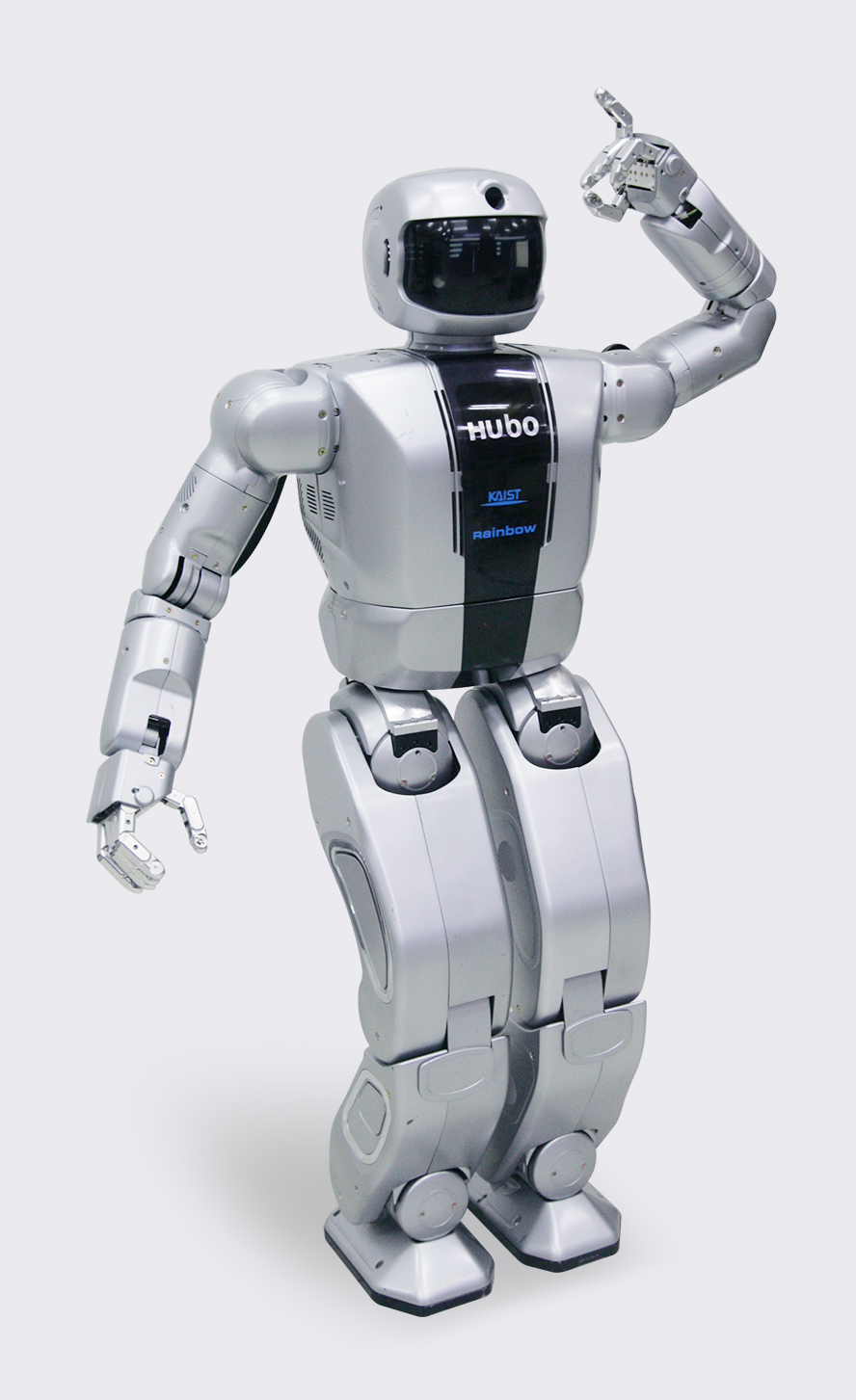
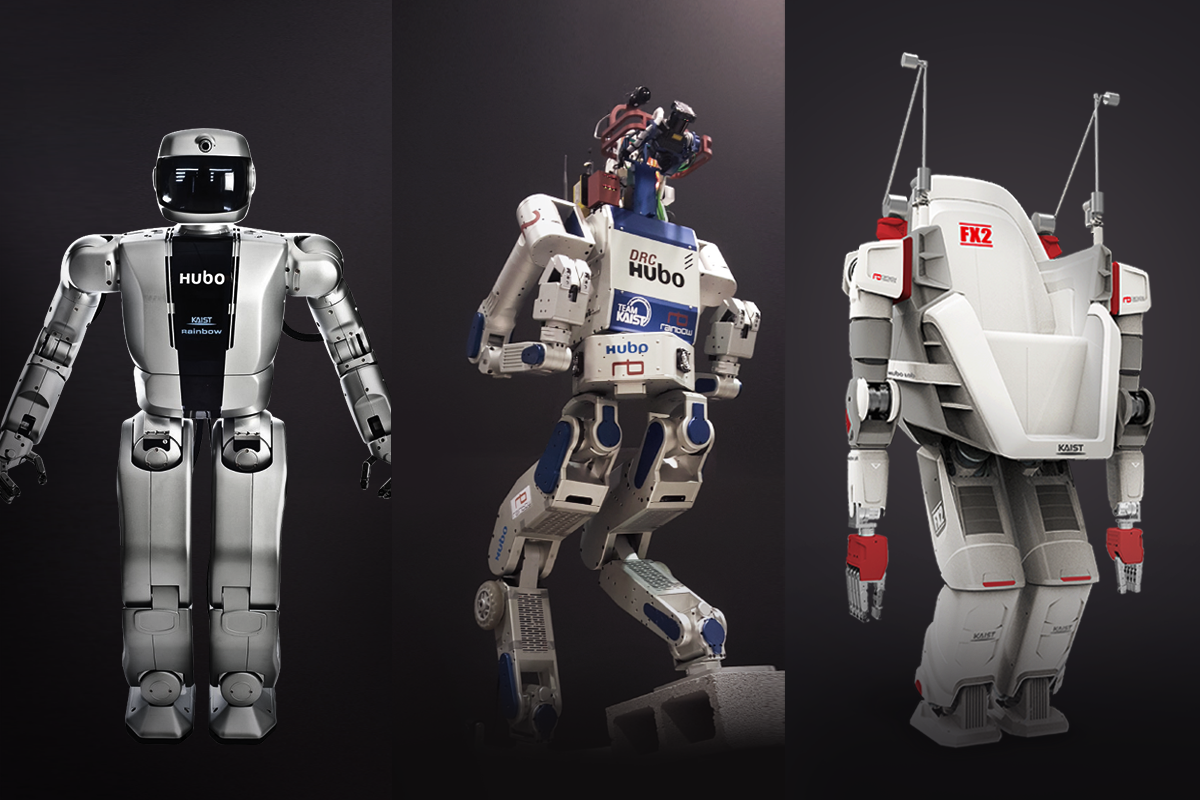
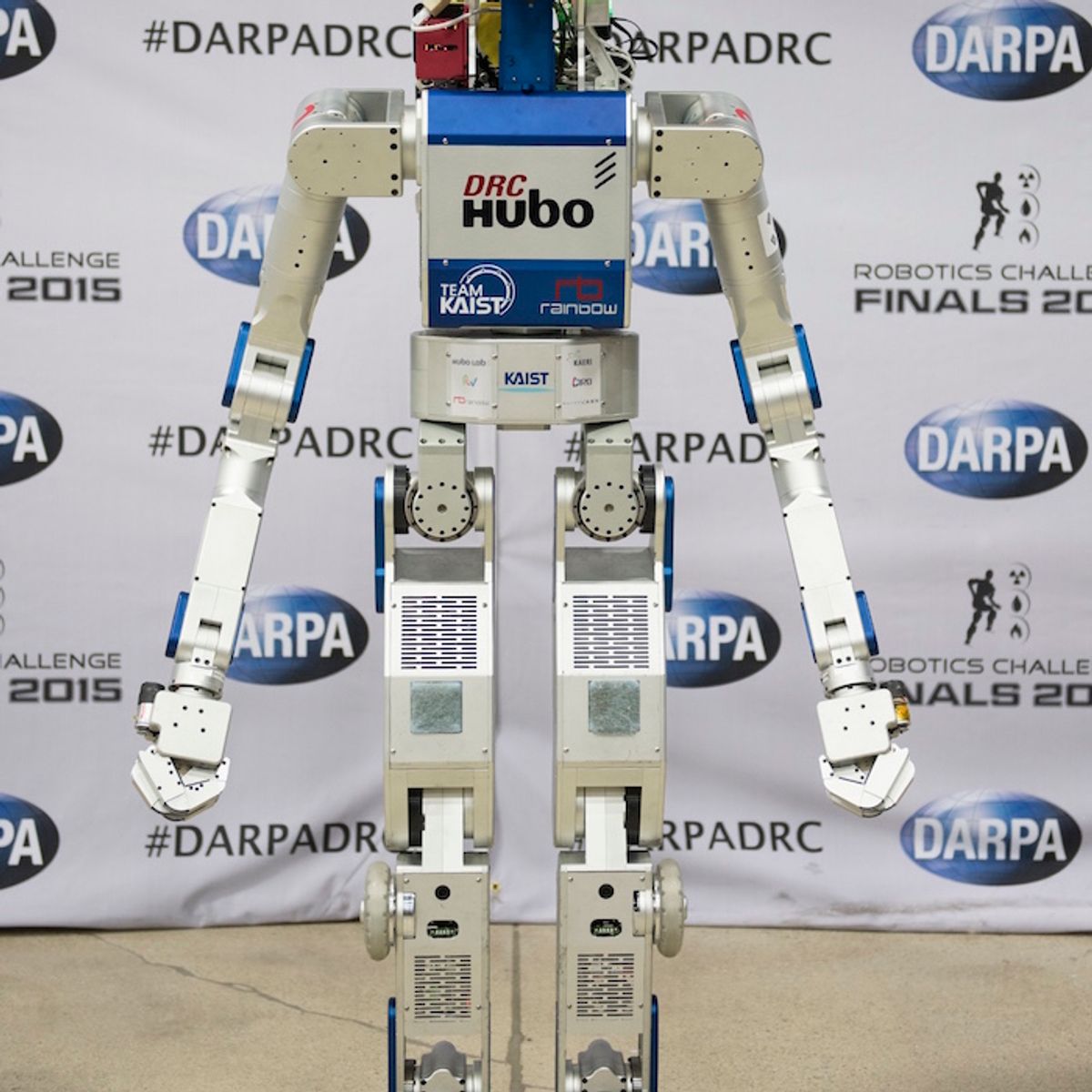
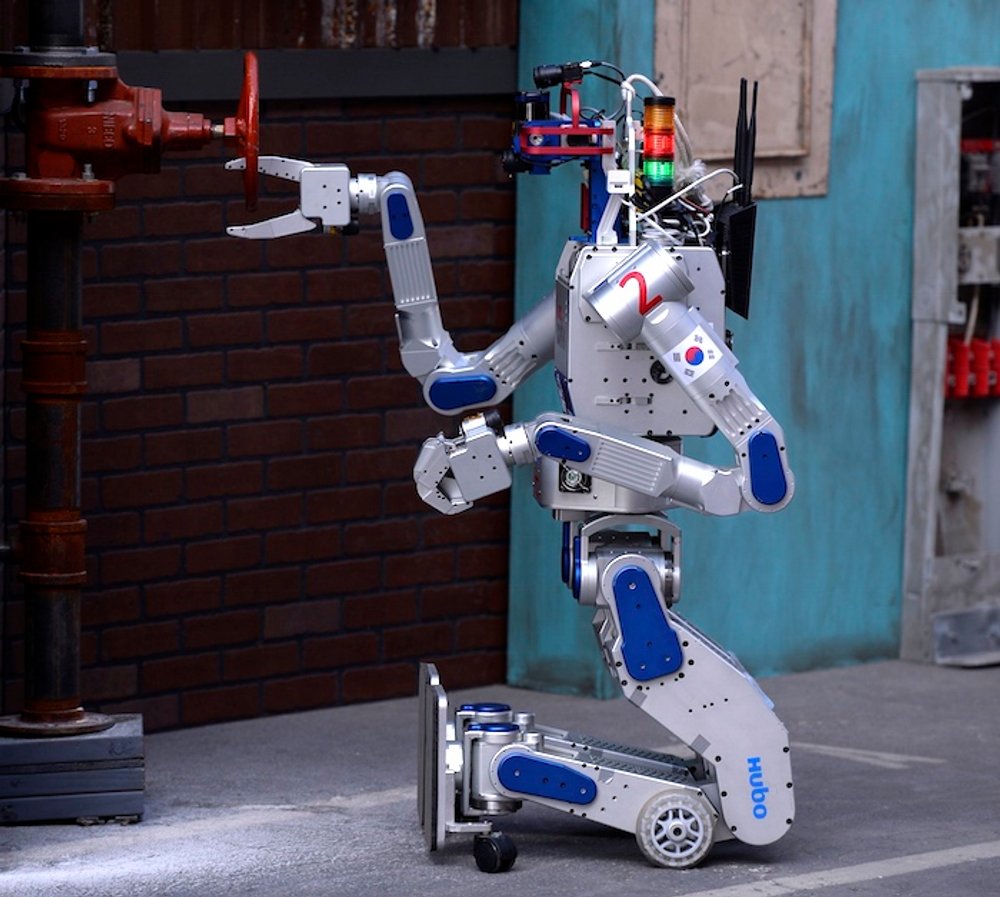
HUBO is a bipedal humanoid robot that can walk at up to 1.25 km/h, climb stairs, perform whole-body manipulations like opening doors, and interact with humans via stereo vision. The DRC-HUBO variant can also transition between walking and wheeled locomotion for efficient navigation in disaster zones.
Yes, the HUBO is commercially available for purchase directly from Rainbow Robotics in South Korea. Sales are typically to research institutions and enterprises, not individual consumers. Lead times vary based on configuration and order volume.
The HRP-4 is taller (151 cm vs 125 cm), has more degrees of freedom (48 vs 41), and is similarly priced (~$300,000). HUBO offers a proven DRC-winning platform with a strong research community, while HRP-4 provides a more human-like size and advanced sensor suite. Choose HUBO for a compact, battle-tested biped; HRP-4 for a taller platform with higher dexterity.
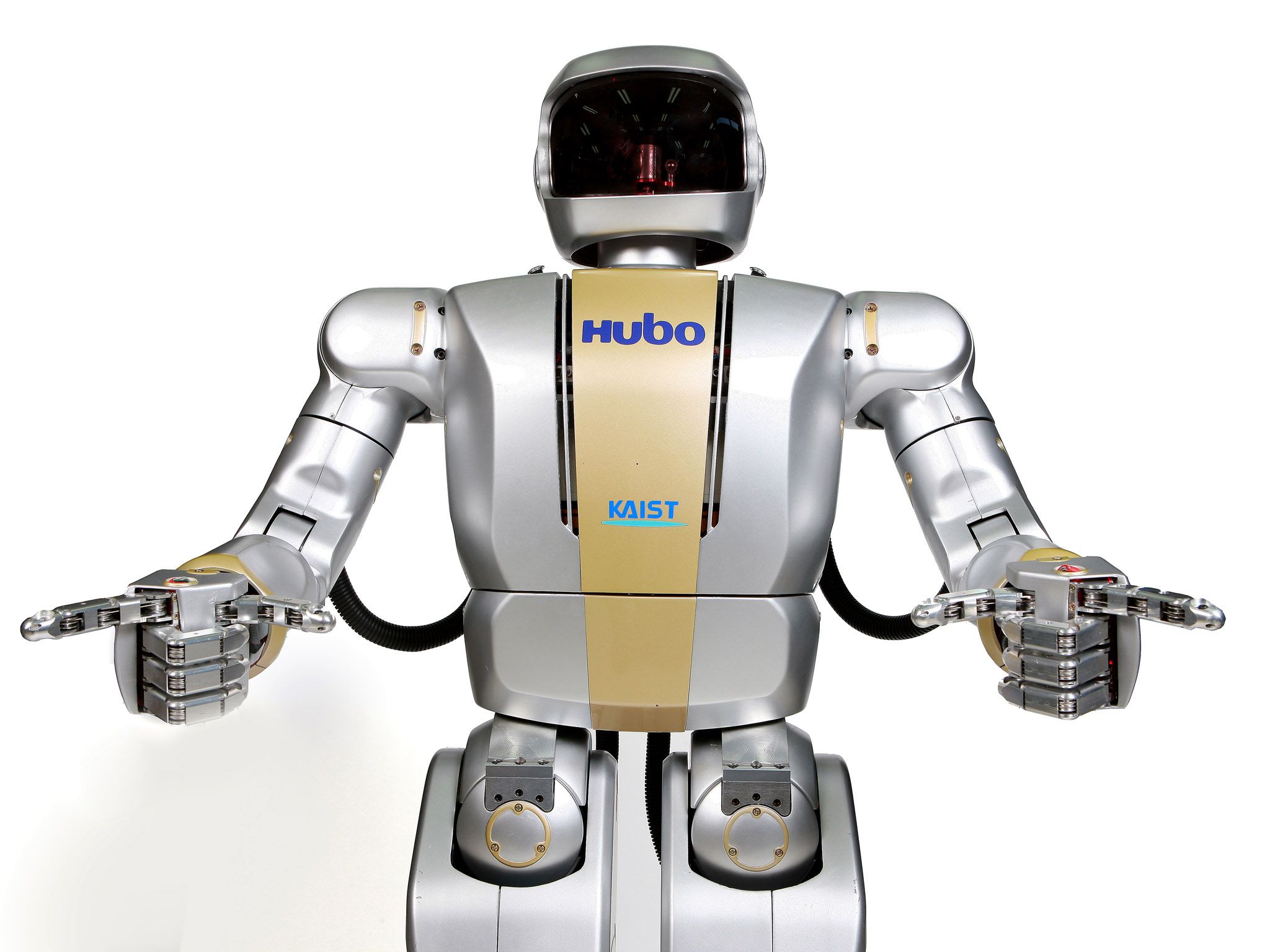
Height: 125 cm, weight: 45 kg, degrees of freedom: 41 (including 5 per hand), max walking speed: 1.25 km/h, battery life: up to 2 hours (Li-Po 48V, 12Ah), payload per arm: 2 kg. It runs an onboard x86 PC with Linux and communicates via Ethernet and Wi-Fi.
HUBO was originally developed at KAIST (Korea Advanced Institute of Science and Technology) in Daejeon, South Korea. Rainbow Robotics, a spin-off company founded in 2011, now manufactures and sells the commercial HUBO+ model.
The standard HUBO battery is a 48V, 12Ah Li-Po pack providing approximately 2 hours of continuous operation. Battery life varies with activity intensity; high-torque tasks like stair climbing reduce runtime. The battery is internal and not hot-swappable, requiring downtime for recharging.
Primarily academic research labs and university engineering departments worldwide. Some corporate R&D labs (e.g., Google, Samsung) have used HUBO for humanoid interaction studies. The robot has also been deployed in disaster-response research following the DARPA Robotics Challenge.
Not in its standard form. HUBO is designed as a research platform, lacking the ruggedness and IP rating needed for industrial environments. Its payload and speed are insufficient for most commercial tasks. However, it serves as a valuable testbed for developing service-humanoid technologies.
Yes, HUBO runs Linux and has been integrated with ROS by many research groups. The open-source HUBO-ROS package provides drivers and simulation models, allowing users to control the robot using standard ROS tools.