Rainbow Robotics never published an official price. Anecdotal reports from institutional buyers place the cost at $300,000–$400,000 per unit. Used units, when available, are priced based on condition but remain rare.
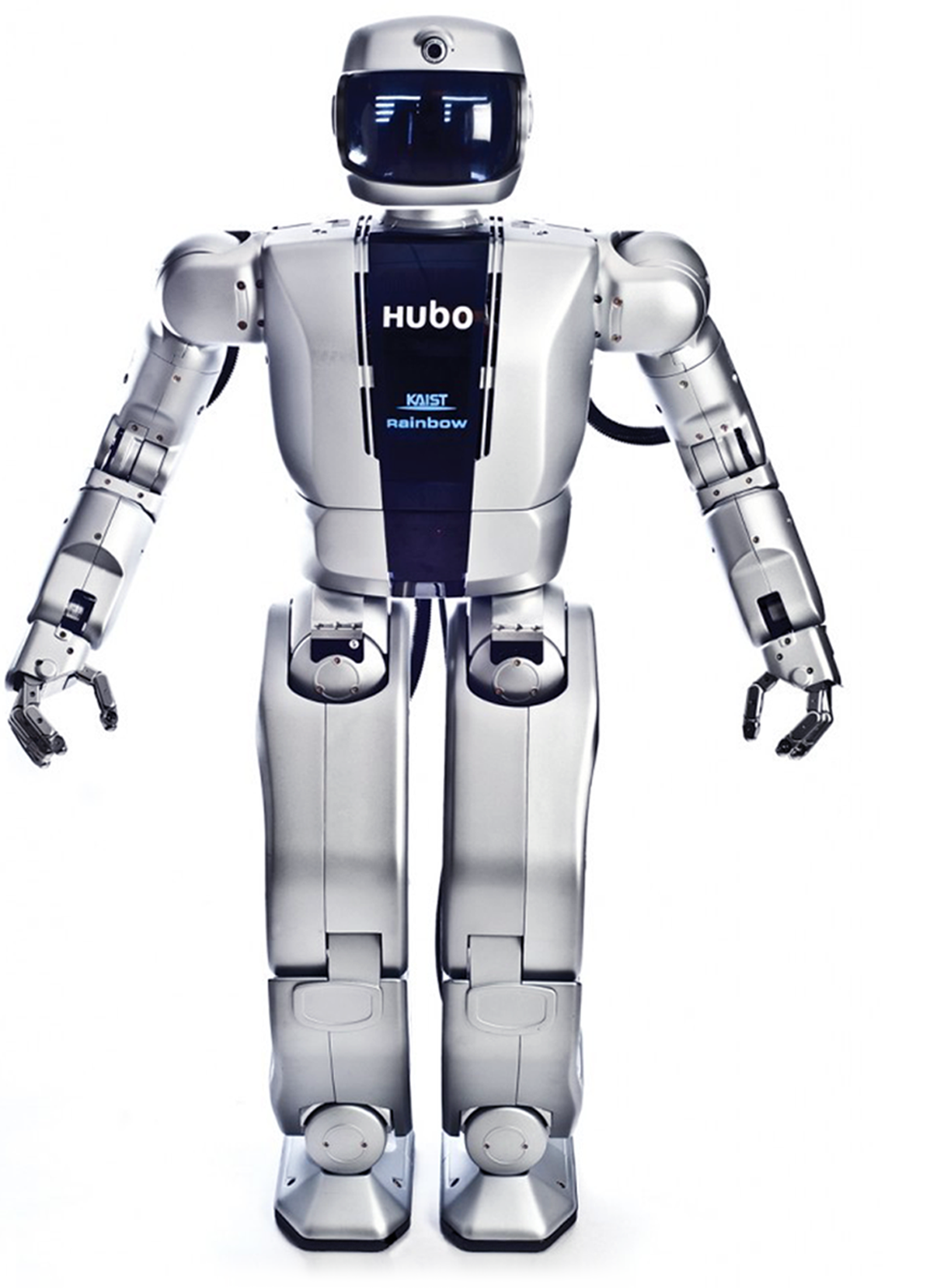
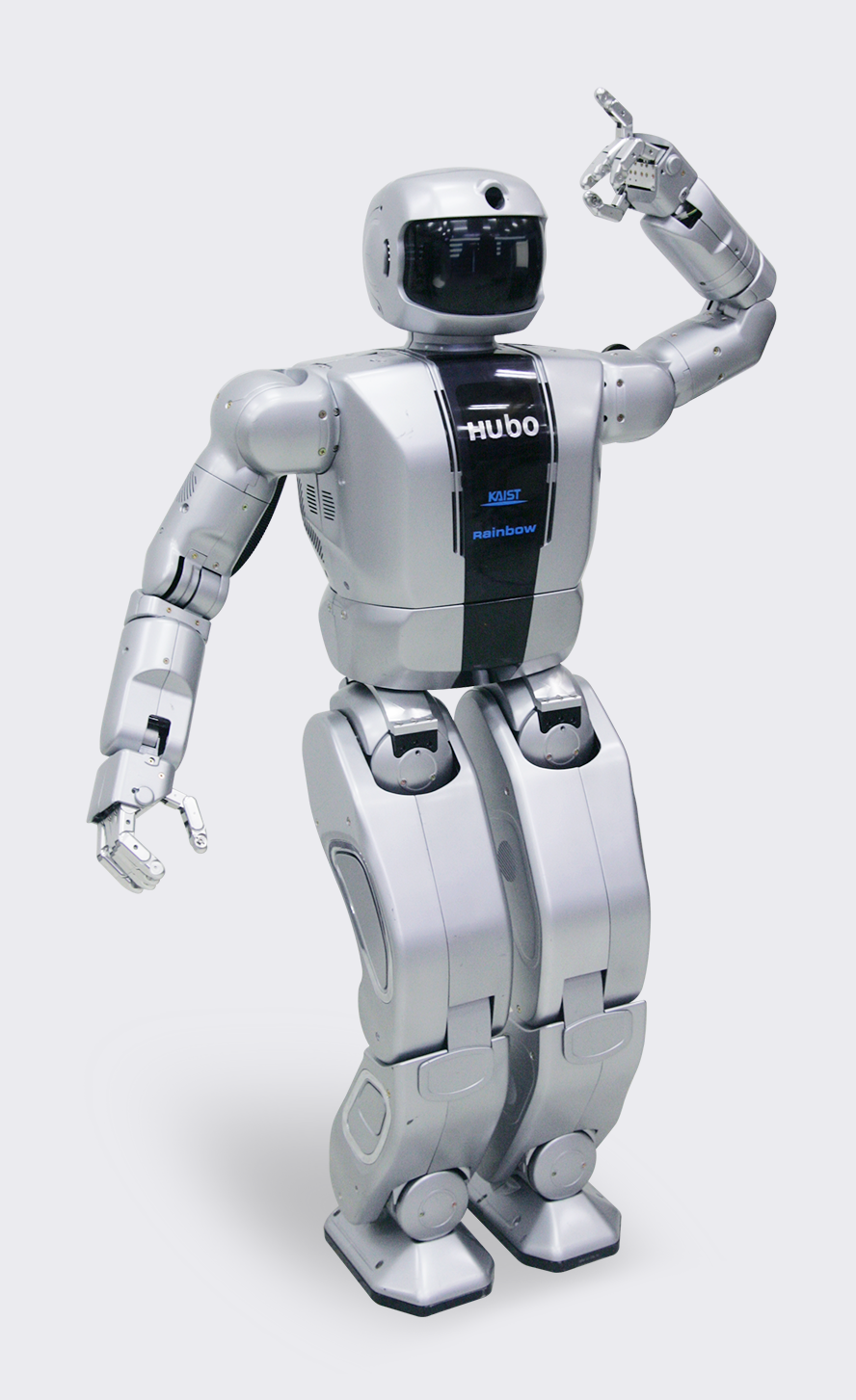
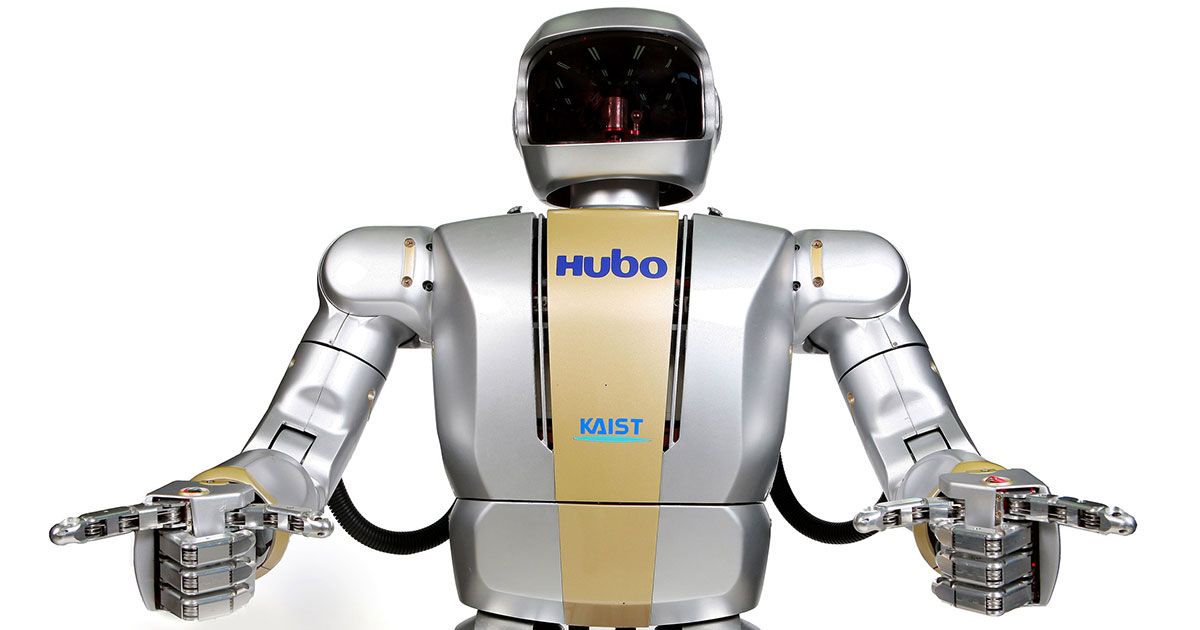
The HUBO2 is a research humanoid capable of bipedal walking at 1.2 km/h, stair climbing (up to 15 cm), whole-body motion planning, dual-arm manipulation, and human-robot interaction. It was primarily used in academic labs for algorithm development.
No, production ended after the DARPA Robotics Challenge. It is a discontinued platform. Used units occasionally surface through university surplus sales or auction sites, but there is no official resale channel.
ASIMO had more fluid, lifelike walking and stair climbing, but Honda never sold it as a product. HUBO2 was commercially available to institutions and supported ROS, albeit with less polished locomotion. ASIMO remains unavailable for purchase, while HUBO2 used units can sometimes be found.
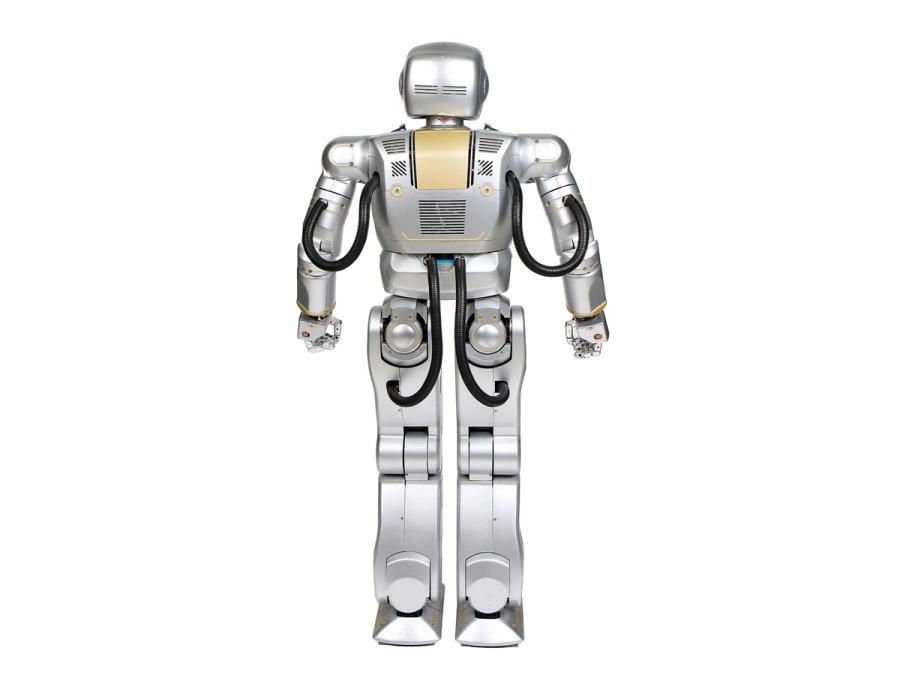
Height: 1250 mm; Weight: 45 kg; Degrees of freedom: 40; Battery life: 1 hour (lithium polymer); Max walking speed: 1.2 km/h; Payload: 20 kg (standing). It uses custom frameless BLDC motors and harmonic reducers.
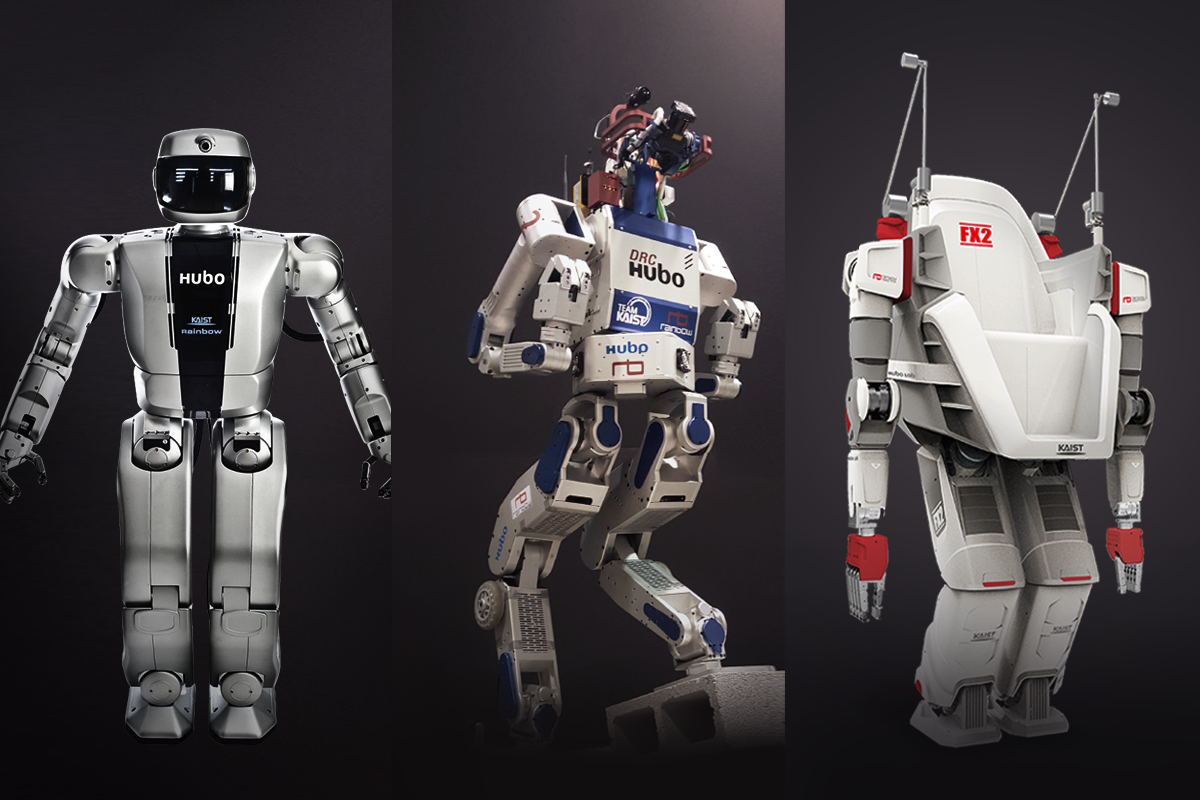
Rainbow Robotics, a South Korean company headquartered in Daejeon, commercialized the HUBO2. The platform was originally developed by the Hubo Lab at KAIST. Rainbow Robotics was founded in 2011 as a spin‑off to sell the robot to research institutions.
The HUBO2 runs on a lithium-polymer battery pack that provides approximately 1 hour of typical operation. Charging time was not standardized, and runtime degrades with battery age. Swapping requires tools.
Primarily academic research and education. Deployments include Drexel University, Google research labs, the Institute for Infocomm Research Singapore, and the University of Electronic Science and Technology of China—all focused on humanoid robotics algorithm development.