The new academic version costs approximately $8,000 USD. Used units typically sell between $4,000 and $7,000 depending on age, condition, and included accessories.
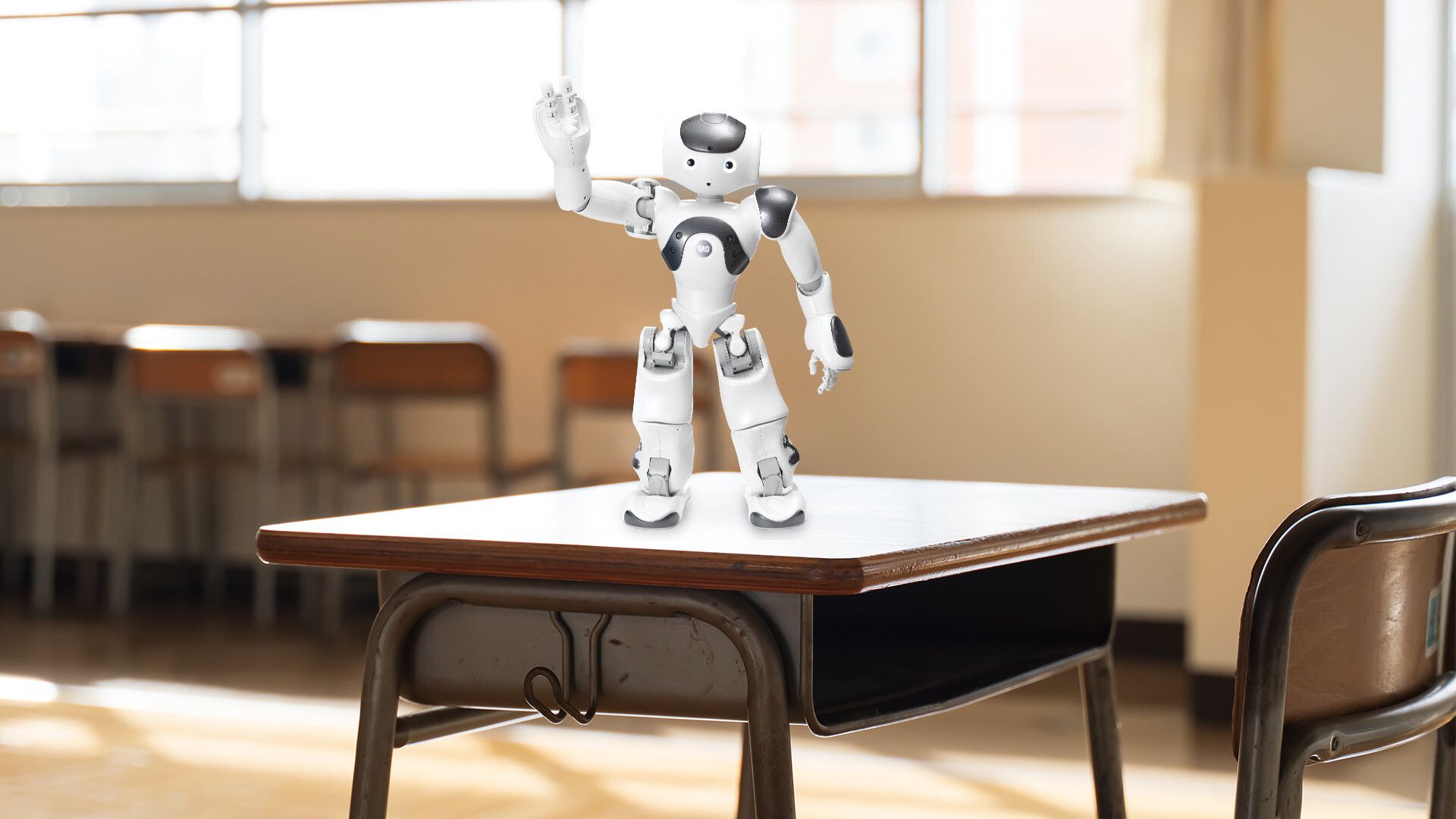
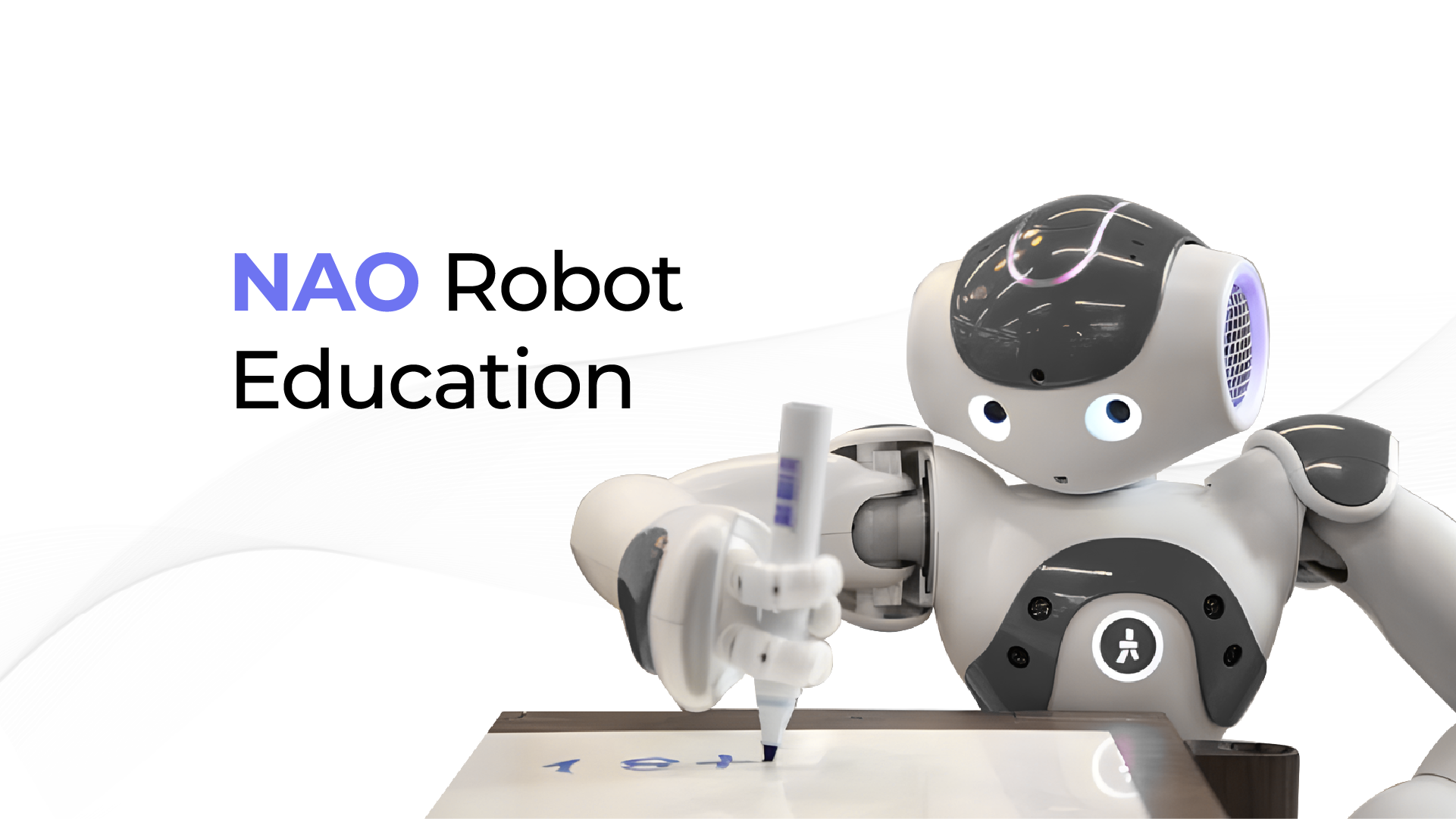
NAO can walk, gesture, recognize faces, understand speech, and engage in conversations. It supports Python, C++, and visual programming via Choregraphe. Common applications include teaching programming, human‑robot interaction research, autism therapy, and autonomous soccer in RoboCup.
Yes, NAO is still manufactured and sold globally by SoftBank Robotics and authorized resellers. New units can be ordered directly from SoftBank’s website. Used units appear on specialty robotics marketplaces and auction sites.
NAO costs ~$8,000 and offers a turnkey platform with proprietary software, while the DARwIn‑OP2 ($10,000) is open‑source, taller, and requires assembly. NAO is easier for beginners, but DARwIn‑OP2 gives advanced users full hardware access.
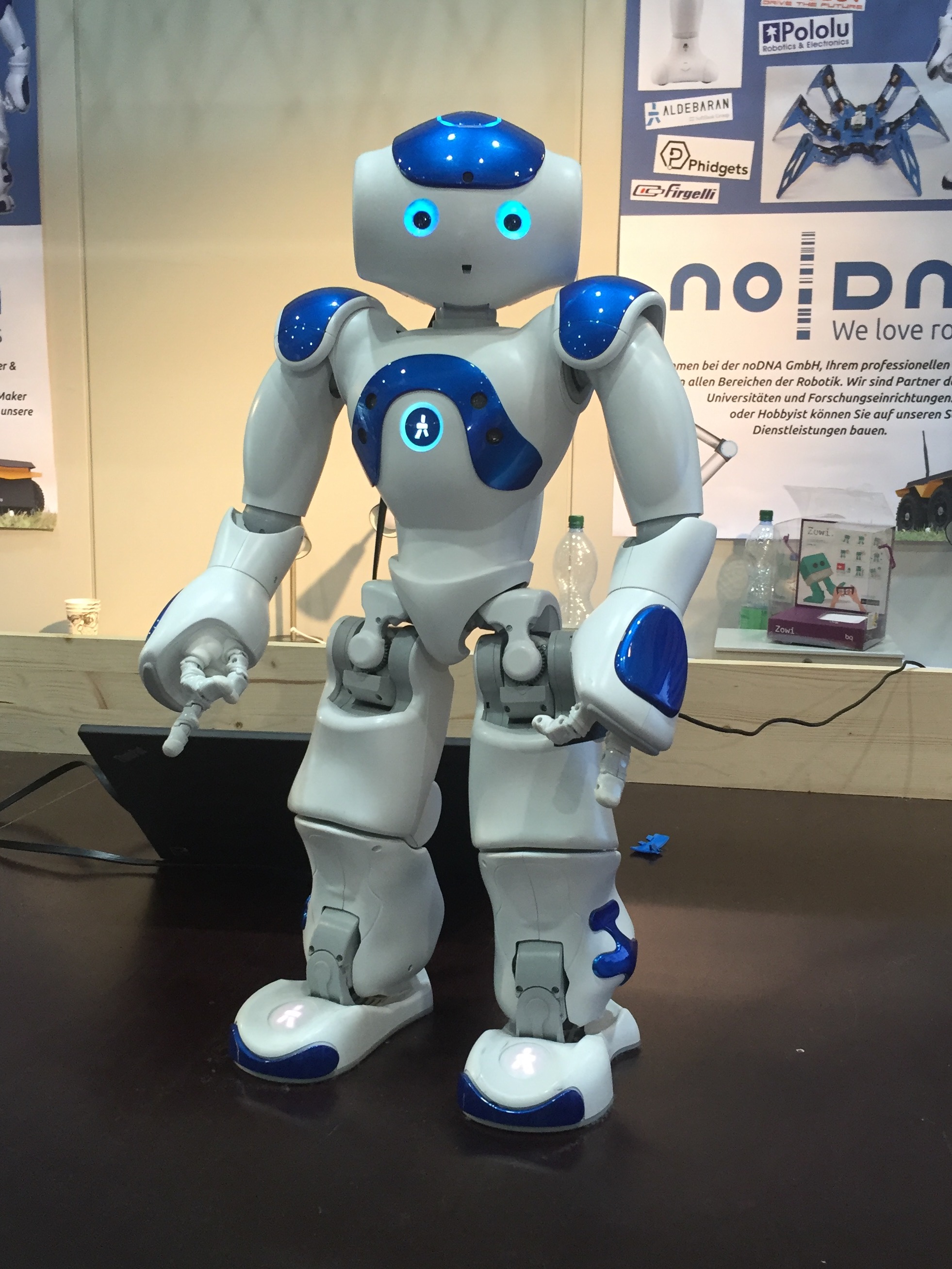
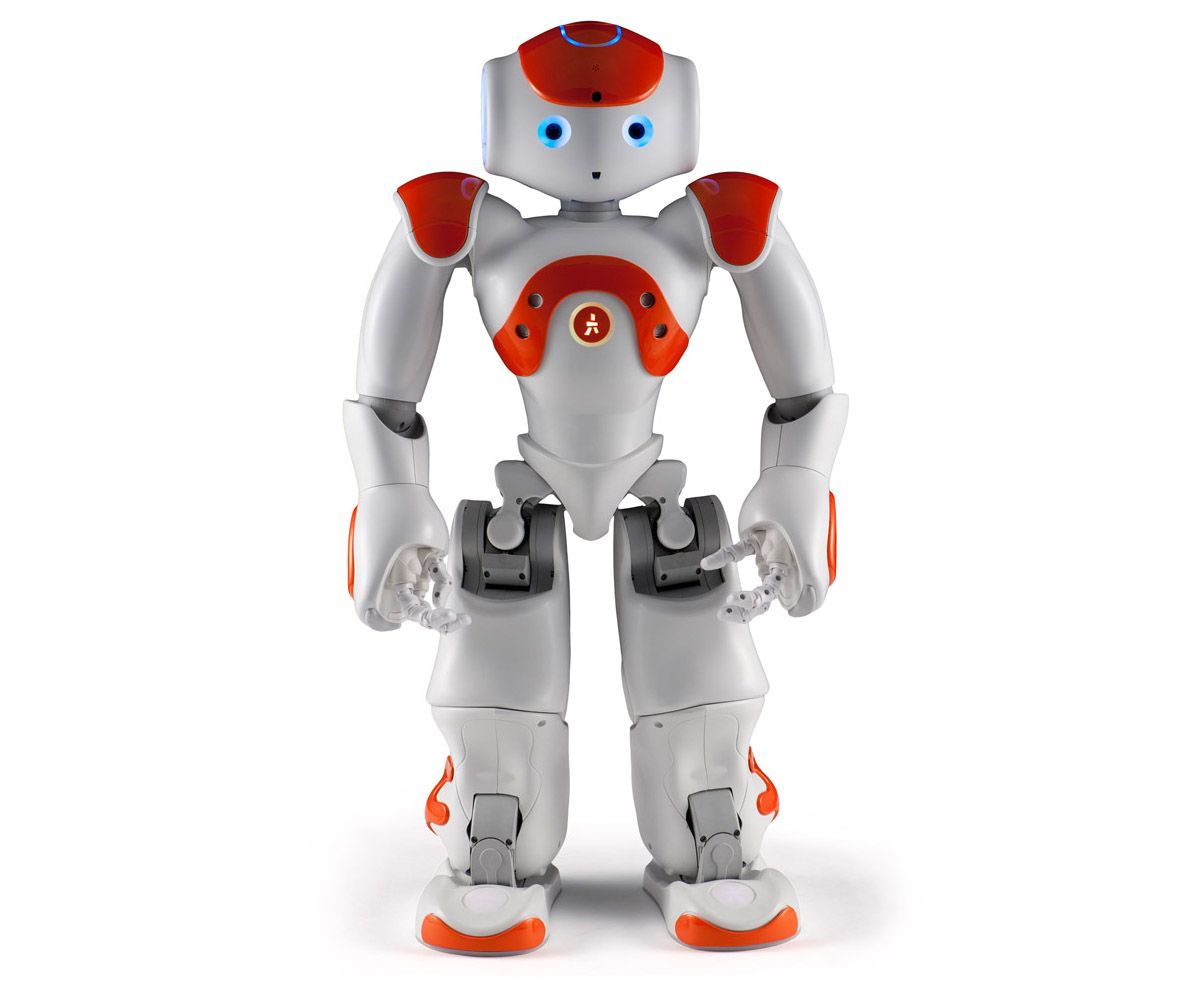
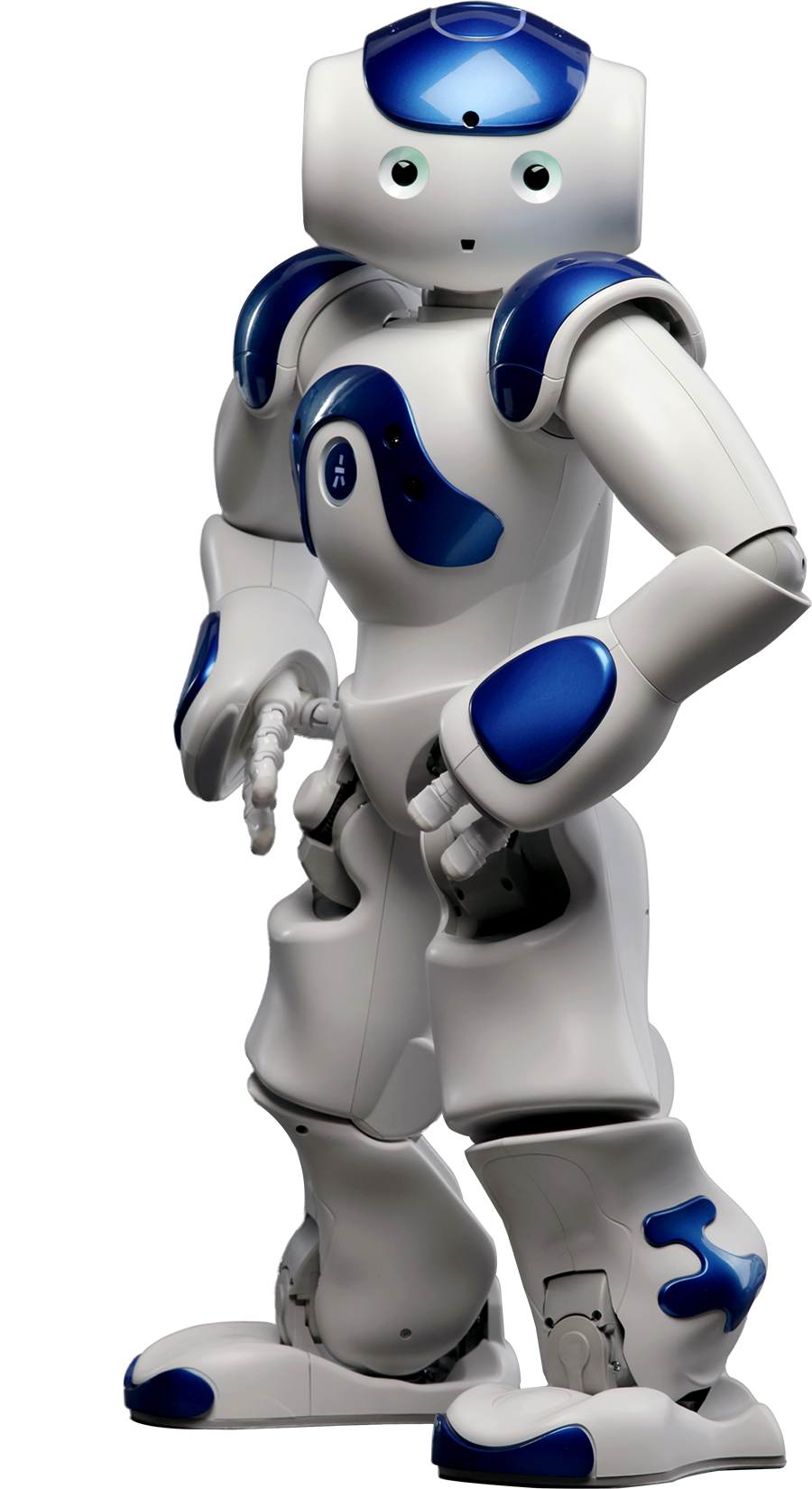
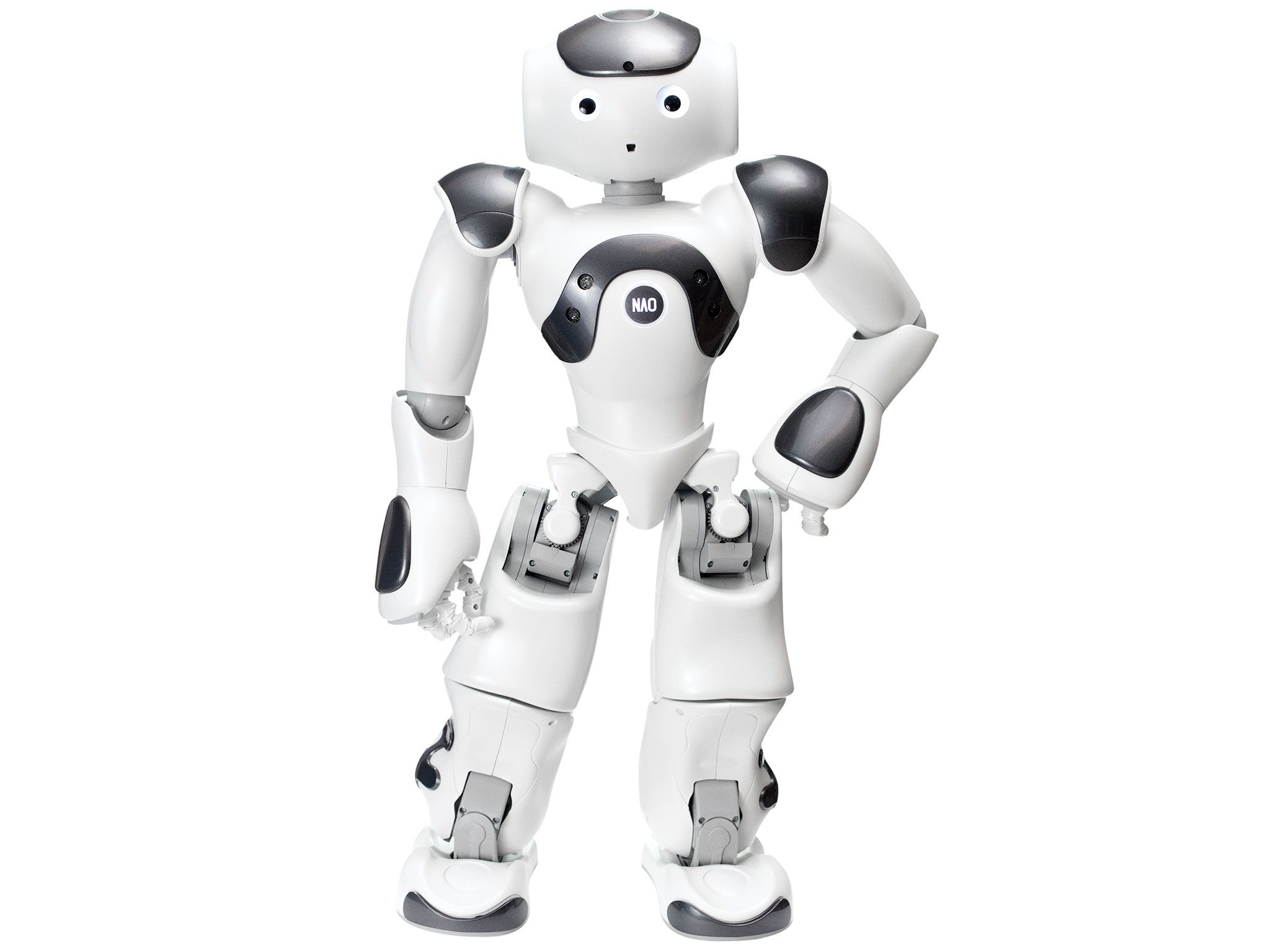
Height 58 cm, weight 5.6 kg, 25 degrees of freedom, 1.5‑hour battery life, 0.3 m/s walking speed, 0.5 kg payload, dual VGA cameras, 4 microphones, sonar, tactile sensors, Intel Atom x5‑Z8350, 4 GB RAM, 32 GB storage, Wi‑Fi/Ethernet/USB.
NAO is made by SoftBank Robotics, a subsidiary of SoftBank Group. The robot was originally developed by Aldebaran Robotics (founded 2005 in Paris) and the Paris‑based engineering team continues to design and support it after the 2015 acquisition.
The NAO battery lasts about 1.5 hours under normal use. It is a non‑swappable lithium‑ion pack that charges in 2–3 hours. Over time, capacity degrades; a used unit may only deliver 1 hour.
NAO is used primarily in education (K‑12 and universities), research (HRI, cognitive science), healthcare (autism therapy, rehabilitation), and competitive robotics (RoboCup). It has also been trialed in retail and hospitality for customer engagement.