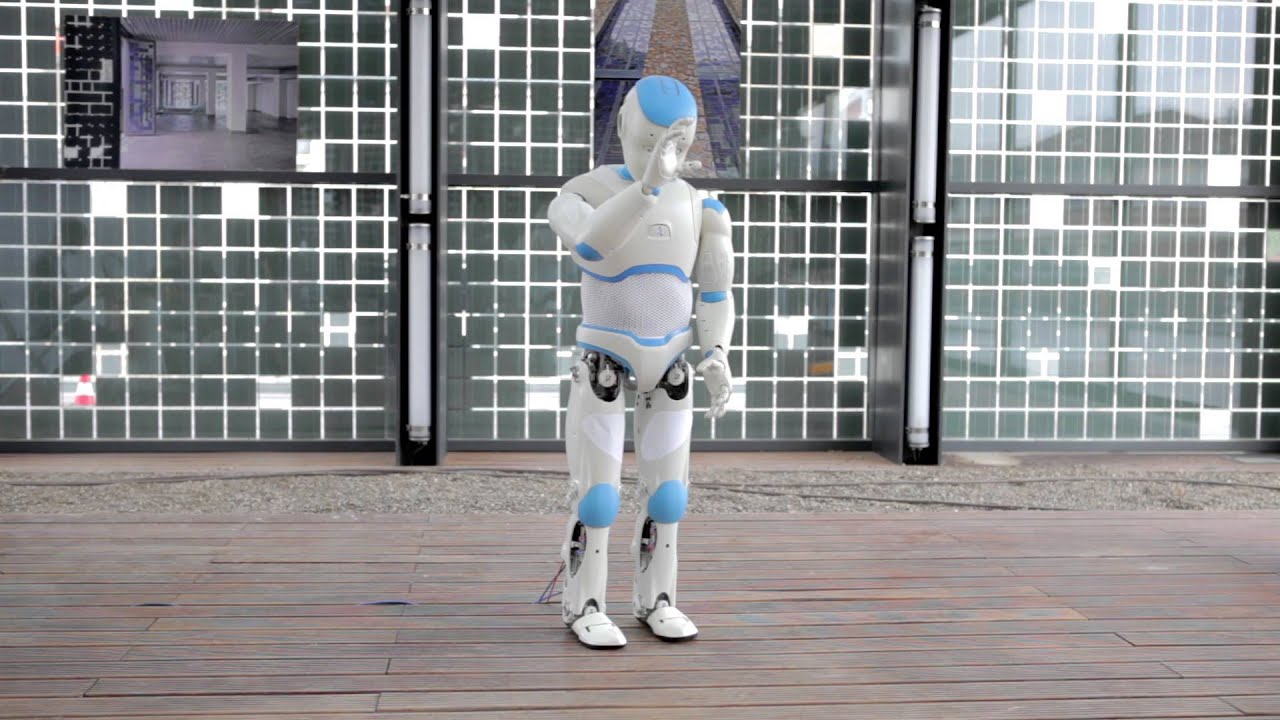
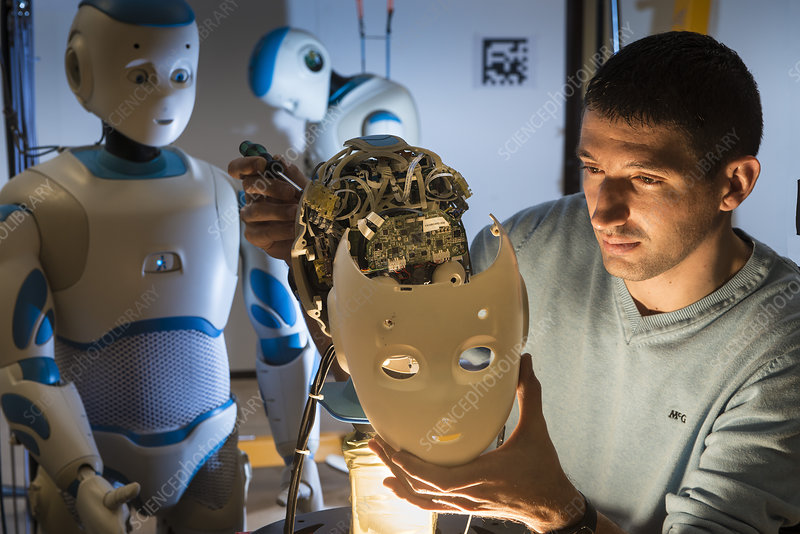
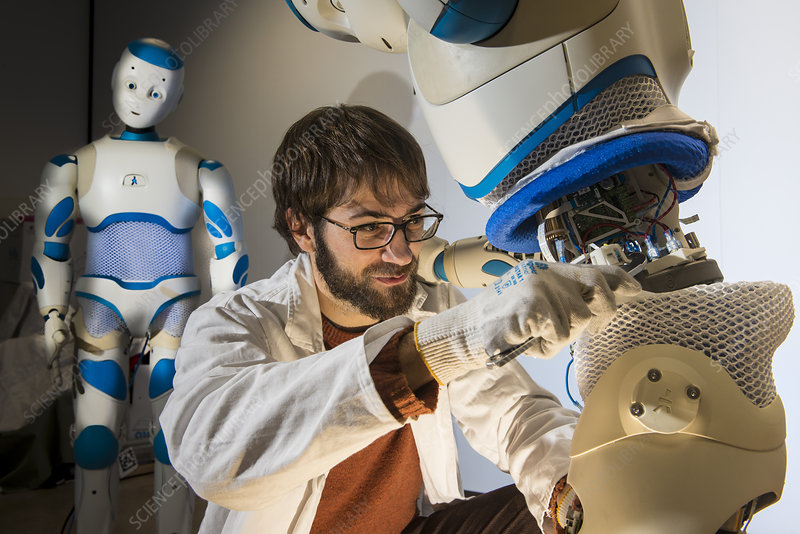
The SoftBank Romeo was never sold commercially. In 2010, an estimated price of around €250,000 was floated for research partners, but no units were ever delivered at that price. Today, it is a discontinued research platform and has no market value.
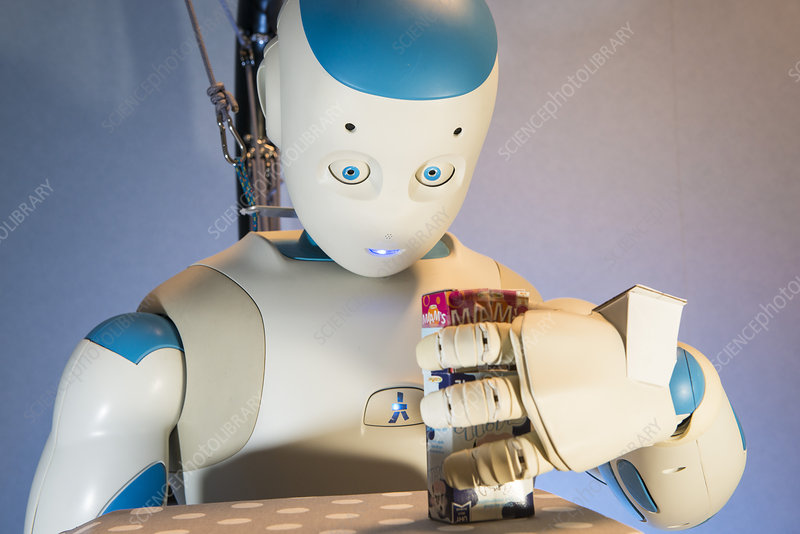
Romeo was designed for assistive tasks like fetching objects, providing reminders, and social interaction for elderly care. It could walk bipedally, manipulate objects with two arms, and recognize people and commands. However, its walking was unstable and its practical task execution was limited to lab demos.
No. Romeo development was halted in the late 2010s after SoftBank Robotics shifted focus to commercial platforms. The robot was never mass‑produced, and no new units are available. Only a few research prototypes may exist in academic institutions.
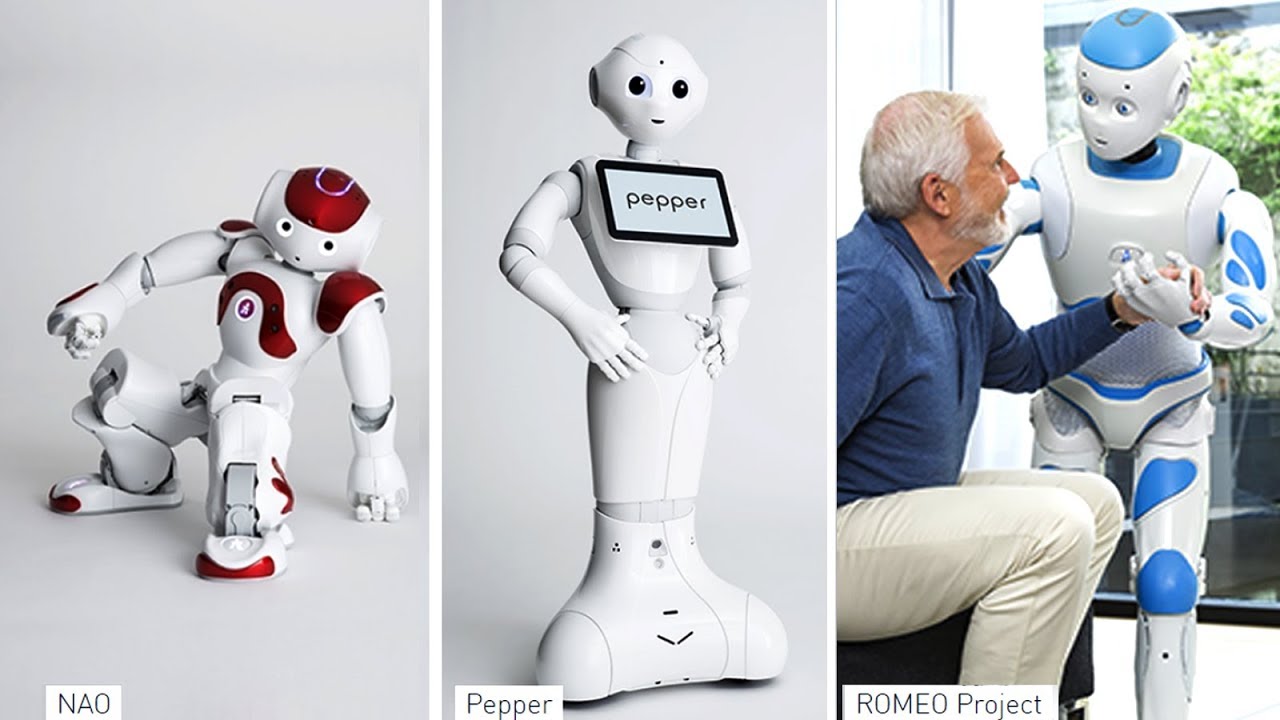
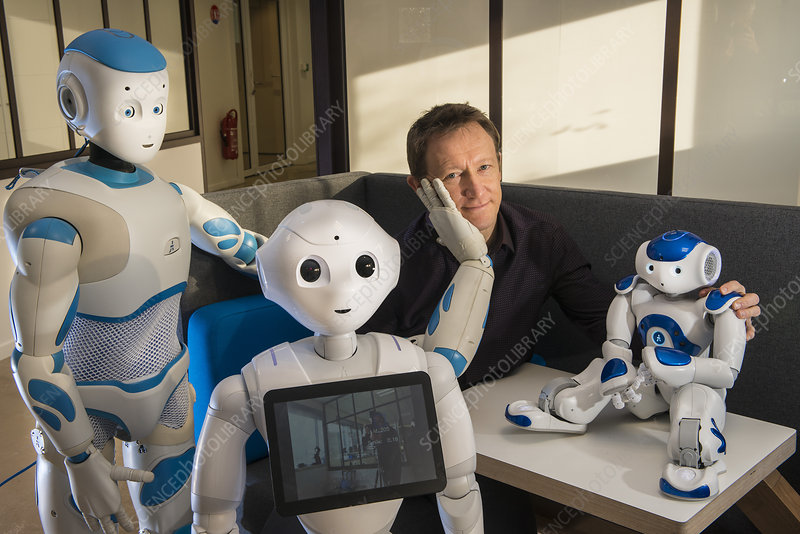
Romeo is a full‑size (1.40 m) bipedal humanoid, while Pepper is a smaller (1.20 m) wheeled social robot. Romeo was intended for physical assistance tasks, whereas Pepper focuses on conversation and information. Pepper is commercially available, while Romeo never left research labs.
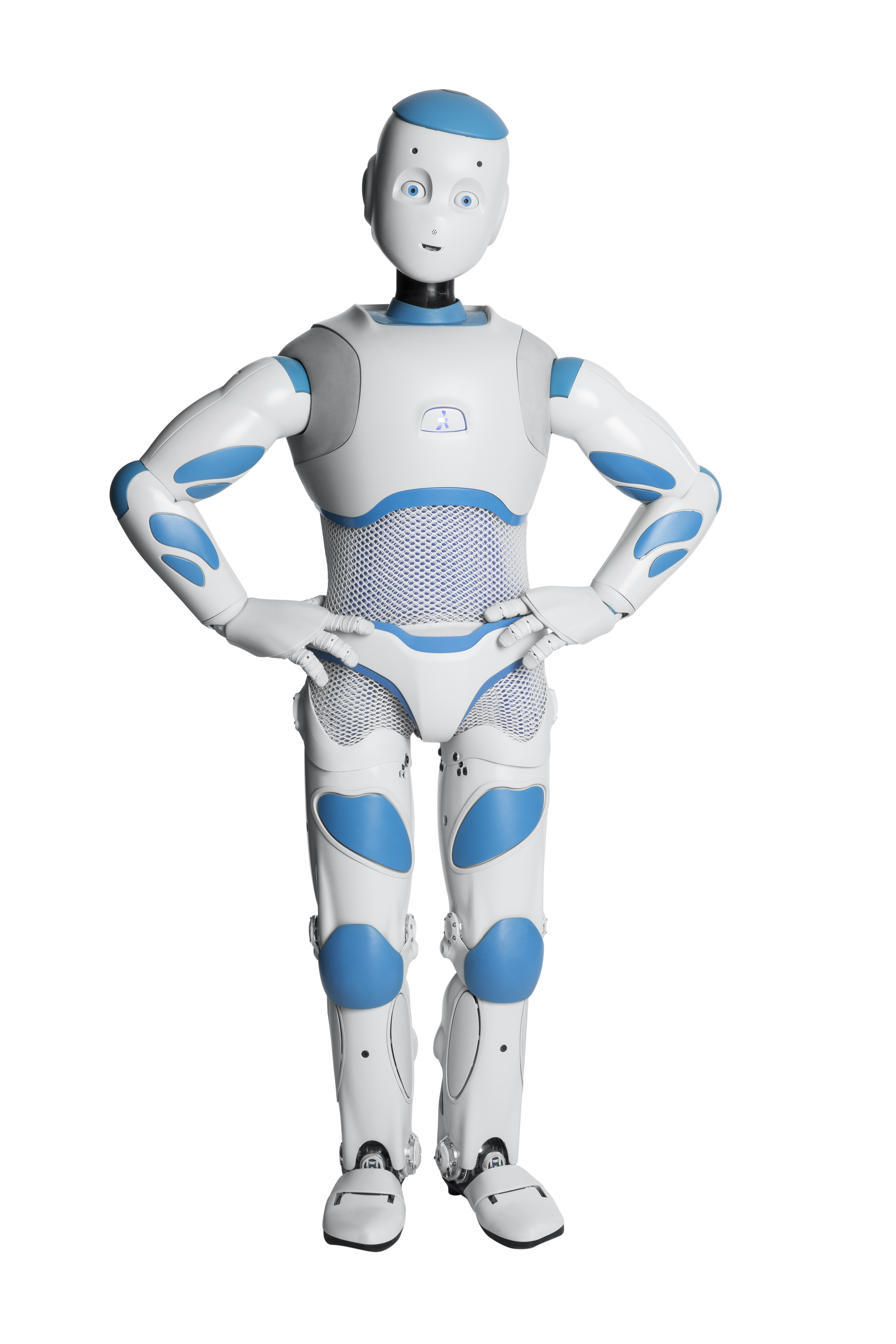
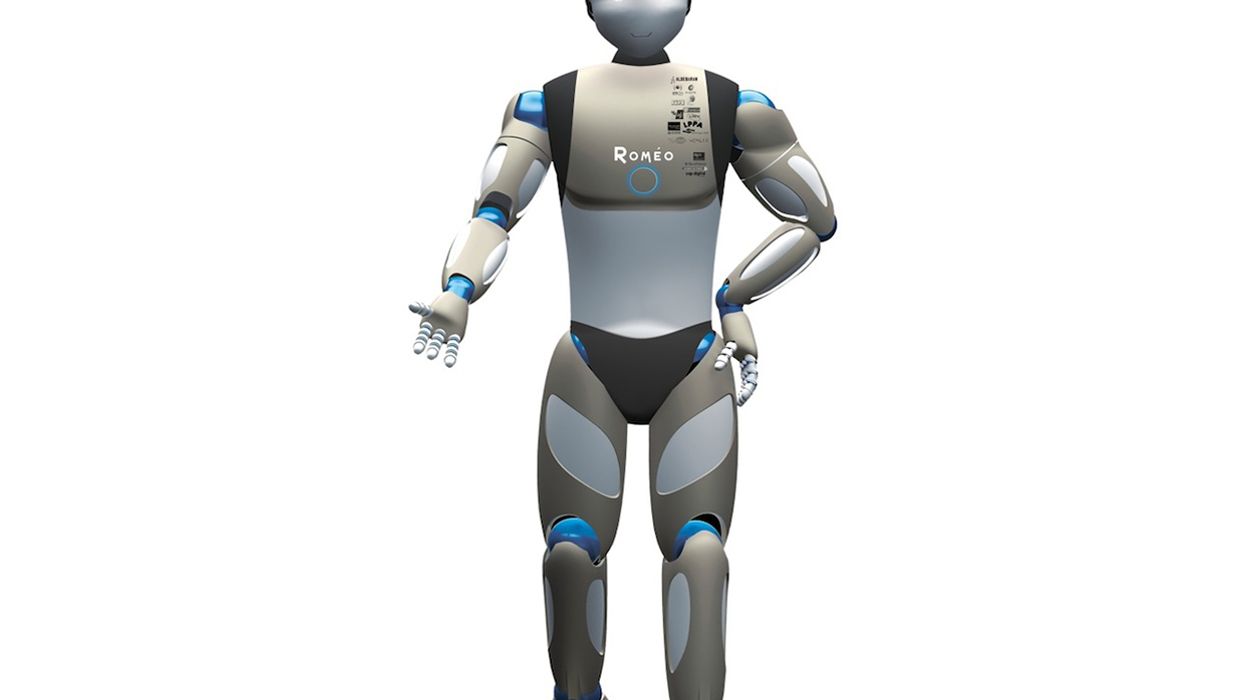
Romeo stands 1.40 m tall, weighs 40 kg, and has 37 degrees of freedom. It uses electric actuators, runs Linux on an Intel Atom, and features cameras, sonar, laser, and force sensors. Battery life and top speed were not publicly disclosed.
Romeo was developed by Aldebaran Robotics, a French company founded in 2005. After SoftBank acquired Aldebaran in 2015, the company became SoftBank Robotics Europe. Romeo was a European‑funded project.
SoftBank never published an official battery life for Romeo. As a tethered research platform in many demos, no runtime specification was released. It likely operated for less than an hour on its integrated battery.
Romeo was intended for healthcare, elderly care, and assisted living research. It also served as a platform for human‑robot interaction and bipedal locomotion studies, but never saw real‑world deployment.
For bipedal humanoid research, alternatives include the AIST HRP‑4 or PAL Robotics REEM‑C. For practical assistive tasks with a wheeled base, the Toyota HSR is a better option. The Honda ASIMO is another legacy biped but also retired.
Likely not. Since Romeo was never sold commercially, second‑hand units are extremely rare. Any prototype would be in a research lab and not available for purchase. Verifying authenticity and functionality would be difficult.