
Former White House AI czar David Sacks excoriated a Senate bill that would give the federal government 50% ownership of major AI companies, calling it a “stupidity tax” on industry leaders who hyped existential risks. The backlash comes as President Donald Trump hinted at a rival plan to secure public stakes in AI firms — a move that could reshape the landscape for companies like OpenAI and Anthropic as they prepare for blockbuster IPOs later this year.
- What Happened: Sacks’ Blistering Critique
- Why It Matters: Nationalization vs. IPO Ambitions
- Trump’s Alternative: A “Partnership” With Dividends for Americans
- Competitive Context: AI CEOs Walk Back Doomsday Predictions
- What This Means for the Industry
- Frequently Asked Questions
What Happened: Sacks’ Blistering Critique
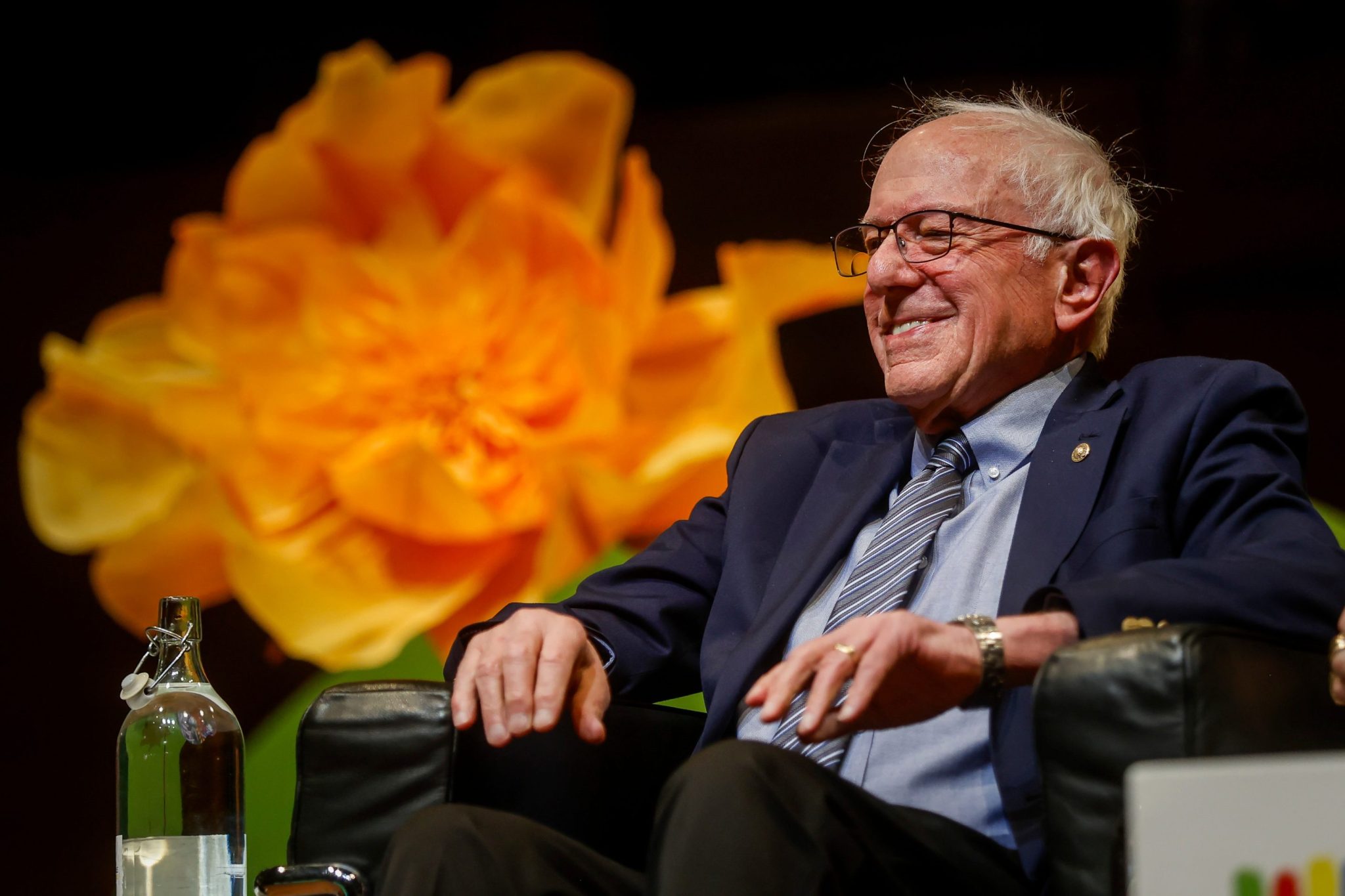
In an X post on Friday, David Sacks — who served as the Trump administration’s top AI advisor — tore into a bill introduced by Senator Bernie Sanders that would establish 50% government ownership of AI companies. Sacks argued the proposal resonates because of alarmist messaging from AI CEOs, not because of legitimate policy need.
“Dario and Sam have begun to walk back their claims of massive job loss, but the damage to public trust is done, and now the chickens are coming home to roost,” Sacks wrote. “I could almost support the Sanders proposal as a stupidity tax.”
He stopped short of backing the bill, warning instead that nationalization of AI would accelerate what he called “corporate-government fusion.” Sacks warned that a government-controlled AI system would wield “totalistic power over information, decision-making, and human behavior,” describing the potential consequences as “Orwellian.”
“AI won’t just moderate posts; it will curate reality — with the ability to rewrite history, enforce ideological conformity, influence policy at scale, mass surveil Americans, and condition the benefits of the many systems it controls on approved behavior,” Sacks wrote, adding that such a scenario would leave the US with a “CCP-style social credit system.”
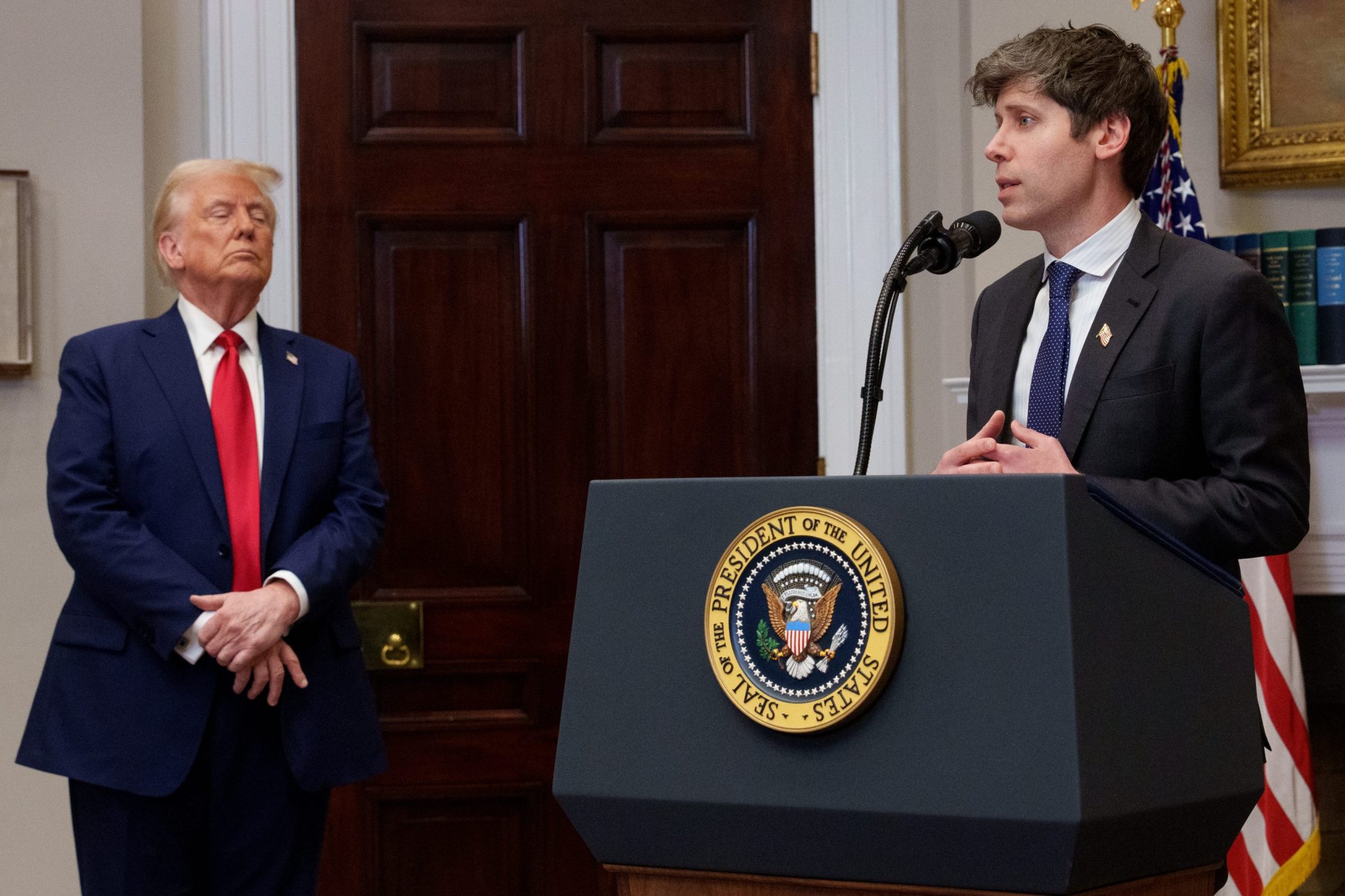
Sacks’ post came the same day that President Trump told reporters he expects to meet with AI companies to discuss a federal “partnership” that could benefit the American people.
Why It Matters: Nationalization vs. IPO Ambitions
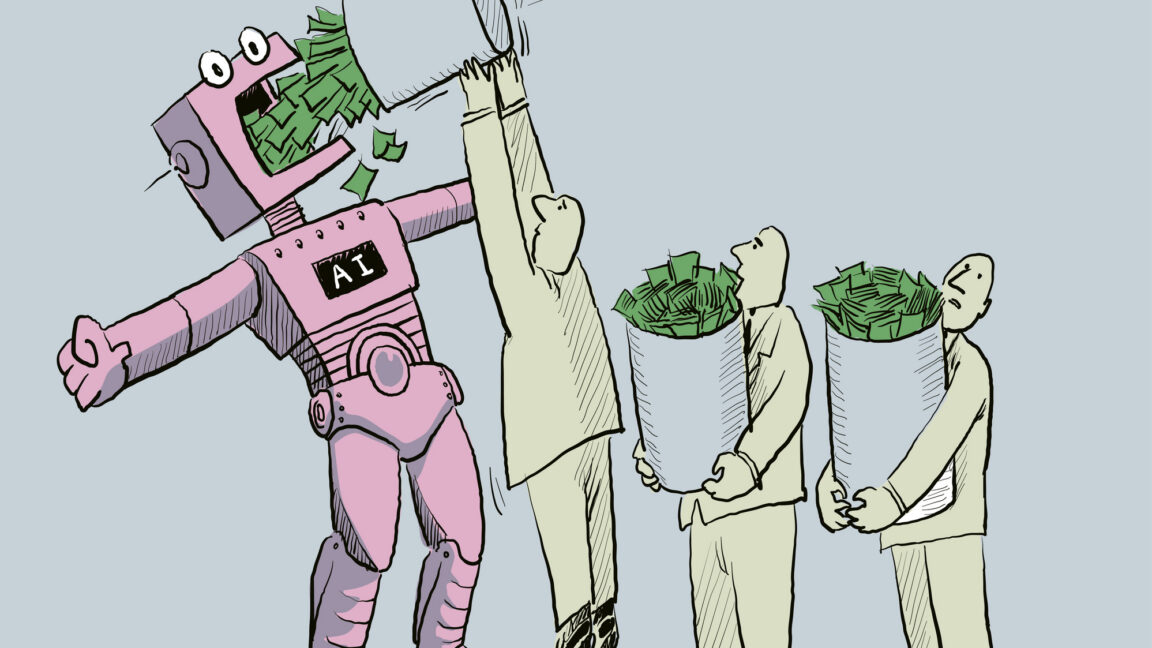
The debate over government equity stakes arrives at a pivotal moment for the AI industry. OpenAI and Anthropic are both reportedly eyeing public listings later this year, with valuations that could dwarf any previous tech IPO. According to Fortune, the Sanders bill would force these companies to cede half their ownership to the federal government, effectively nationalizing a portion of the most valuable private AI startups.
For Sacks, the proposal is a direct consequence of AI CEOs’ own messaging. OpenAI’s Sam Altman and Anthropic’s Dario Amodei had both warned of massive job displacement and existential risks in recent years — warnings that Sacks says created a public appetite for government intervention. Both CEOs recently walked back those predictions, a move Sacks called too little, too late.
The stakes are enormous. If the Sanders bill or even a milder version gains traction, it could derail the IPO plans of the two most prominent AI companies, spook venture investors funding the sector, and set a precedent for government ownership in high-growth tech.
Trump’s Alternative: A “Partnership” With Dividends for Americans
President Trump offered a softer counter-proposal on Friday. He confirmed that senior administration officials have already held preliminary discussions with AI executives — including Altman — about the federal government acquiring some shares in AI companies.
“There’s a concept out there, there’s so much money and it’s so big that there are concepts where pieces could be given to the American public, where the American public essentially becomes a partner with the companies,” Trump told reporters. “I have spoken to all of them.”
Under this approach, AI companies would voluntarily hand over shares to the government, with the returns funneled back to American households as dividends. The goal, Trump said, is to help the public “like it better” and alleviate fears of economic disruption caused by AI.
Sources told NOTUS that Altman first pitched the idea to Trump in early 2025 and revisited it with senior officials in recent weeks. The proposal resembles a sovereign wealth fund model, where the government holds stakes on behalf of citizens.
Competitive Context: AI CEOs Walk Back Doomsday Predictions
The timing of Sacks’ critique and Trump’s comments is no coincidence. Altman and Amodei have both publicly softened their earlier warnings. Earlier this year, Altman told Congress that AI would create more jobs than it destroys, a reversal from his 2023 testimony where he warned of “significant” job displacement. Amodei has similarly adjusted his tone as both companies push toward their respective IPOs.
The shift reflects a broader industry reality: to go public at sky-high valuations, AI companies need to convince regulators and the public that AI is a net benefit, not a threat. The Sanders bill capitalizes on the residual fear those executives themselves generated.
Sacks’ “stupidity tax” label is therefore a sharp rebuke to the CEOs he once worked alongside. By hyping existential risks, they handed political ammunition to those who favor heavy government control.
For his part, Sanders defended his bill in a New York Times op-ed, arguing it would allow the government to “block decisions that could harm Americans” and “push for policies that help them.” He noted that as AI companies grow, the value of a sovereign wealth fund would grow with them, delivering direct benefits to the public.
What This Means for the Industry
The battle over government equity in AI companies raises fundamental questions about the ownership structure of the next wave of transformative technology.
For investors: The Sanders bill, if enacted, would effectively cap returns on AI investments by forcing founders and VCs to share ownership with the government. This could chill venture capital flows into AI startups and depress IPO valuations. Conversely, Trump’s voluntary equity plan could be more palatable, potentially creating a new asset class tied to AI dividends.
For competitors: Larger tech giants like Google, Microsoft, and Meta — which already operate their own AI divisions — would not be directly affected, giving them a potential advantage over standalone AI companies. The proposals could also accelerate consolidation, as big tech firms buy up AI startups to avoid government entanglement.
For the broader tech landscape: The nationalization debate extends beyond AI. If the federal government gains an equity foothold in AI, it might set a precedent for other emerging technologies — quantum computing, biotech, or advanced semiconductors. The “corporate-government fusion” Sacks warned of could become a feature of US innovation policy, for better or worse.
IPO implications: OpenAI and Anthropic are two of the most anticipated IPOs in tech history. Any government ownership requirement — whether via Sanders’ bill or Trump’s partnership — adds uncertainty to their going-public timelines. A mandatory 50% stake would almost certainly delay or derail their IPOs, while a voluntary dividend arrangement might proceed more smoothly.
Frequently Asked Questions
What exactly does the Sanders bill propose? The bill would establish 50% government ownership in AI companies above a certain size. The federal government would hold equity shares, receive dividends, and gain the ability to veto decisions that could harm the public interest.
Does President Trump support the Sanders bill? No. Trump has instead floated a voluntary “partnership” where AI companies would give the government shares voluntarily, with the returns distributed to American households as dividends. Administration officials have already held preliminary talks with OpenAI’s Sam Altman.
Why did Sacks call it a “stupidity tax”? Sacks blamed AI CEOs — particularly OpenAI’s Sam Altman and Anthropic’s Dario Amodei — for hyping doomsday scenarios about job loss and AI risk. He argues that their own alarmist messaging created the political environment in which a radical bill like Sanders’ can gain traction.
How would this affect AI companies’ IPOs? The uncertainty is significant. If a mandatory government equity requirement becomes law, OpenAI and Anthropic — both eyeing IPOs later this year — would need to restructure their ownership. Trump’s voluntary plan is more market-friendly but still adds complexity to valuations and investor demand.
What other politicians support government equity in AI? Beyond Sanders, the idea has resonance on both the progressive left (as a wealth-sharing mechanism) and among some populist conservatives (as a way to ensure American workers benefit from AI). However, Sacks’ warning about government control aligns with libertarian and free-market voices who oppose any form of nationalization.
Could this lead to government control of AI development? Sacks argued yes — that government ownership would inevitably lead to “central government AI” with Orwellian oversight over information and behavior. Supporters counter that public ownership is the best way to ensure AI benefits are broadly shared and that safety measures are enforced.
Conclusion
The debate over government equity in AI companies is now a central political flashpoint, pitting competing visions of public ownership against the IPO dreams of the industry’s most valuable startups. David Sacks’ “stupidity tax” barb captures the irony of AI leaders whose own fear-mongering may now invite the very government control they dread. As Trump and Sanders offer competing models, the outcome will determine not just who owns AI, but how — or whether — the largest tech IPOs in history go forward.






Beteilige dich an der Diskussion
Should the US government own part of AI companies like OpenAI? Why or why not?