
SpaceX filed for a $75 billion initial public offering next week, revealing a compensation plan for CEO Elon Musk valued at $175 billion with a potential upside of $1.1 trillion. The package, which ties the bulk of its payout to establishing a human settlement on Mars and building off-world data centers, is carefully designed to avoid the legal battles that voided Musk's previous Tesla pay package.
- The IPO and the "Mars-shot" Compensation
- How SpaceX Avoided the Tesla Litigation Trap
- Control First, Performance Second
- What This Means for the Industry
- Frequently Asked Questions
The IPO and the "Mars-shot" Compensation
SpaceX is set to go public at $135 per share, giving the rocket and satellite internet company a valuation of roughly $1.8 trillion. The IPO registration statement, however, has garnered almost as much attention for what it says about Musk's pay as for the company's financials.
The compensation plan grants Musk 1.3 billion super-voting Class B shares, currently valued at $175 billion. To fully vest and monetize these shares, Musk must hit 15 market capitalization milestones rising to a staggering $7.5 trillion and establish a "permanent human colony on Mars with at least one million inhabitants." A separate grant of 300 million shares requires 12 market cap milestones from $1 trillion to $6.6 trillion and the construction of data centers delivering 100 terawatts of compute—roughly 30 times the average electricity consumption of the entire United States.
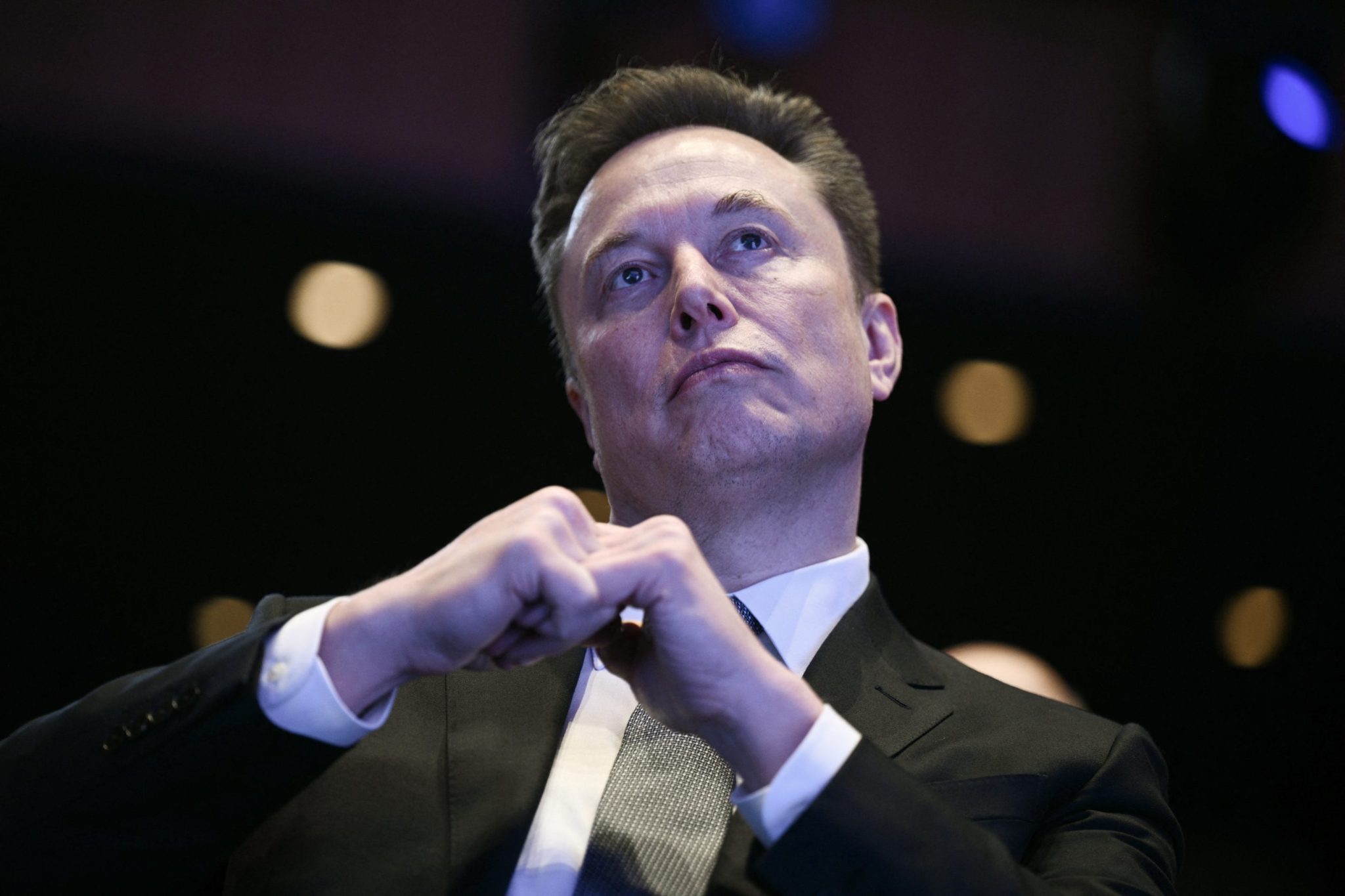
According to Fortune, the company itself describes the Mars colony and data center requirements as "improbable," meaning even SpaceX does not expect Musk to achieve those targets.
How SpaceX Avoided the Tesla Litigation Trap
The 2018 Tesla pay package, worth $56 billion at the time, was voided by a Delaware Chancery Court judge who ruled it was an improper transfer of wealth from shareholders who never approved it. SpaceX's approach is fundamentally different.
First, the entire compensation structure is disclosed in the IPO prospectus. "If you don't like it, you don't have to buy it at that price," Jay Ritter, a finance professor at the University of Florida, told Fortune. "And that's a big difference; with the Tesla pay package—the company was already public."
Second, SpaceX is incorporated in Texas, not Delaware. After the Tesla ruling, Musk moved the company's incorporation to Texas, where shareholder lawsuits require a 3% ownership stake—a multibillion-dollar threshold at SpaceX's $1.8 trillion valuation—and are heard by a special business court without a jury. This effectively insulates the pay package from the exact type of challenge that unraveled the Tesla grant.
"With the Tesla pay package — the company was already public. [There were] no surprises here," Ritter added.
Control First, Performance Second
Even if Musk never reaches the Mars colony or data center milestones, he still walks away with a prize: absolute control. The restricted Class B shares confer 10 votes per share immediately upon grant, regardless of whether the performance targets are ever hit.
This gives Musk 85.1% voting power before the IPO, dropping only slightly to 82.4% after the offering. The Class B shares will elect 51% of the board for as long as they exist. "He has a 0.00% chance of hitting those two project-based goals," said Eric Hoffmann, chief data officer at compensation consulting firm Farient Advisors, referring to the Mars colony and data center targets. "He wants to make sure he has complete control over this company—which he has done."
The arrangement makes SpaceX a "controlled" public company, exempt from standard Nasdaq governance rules like requiring an entirely independent compensation committee. Musk's shares are locked up for 366 days, while other executives can begin selling earlier in staged releases, per an amendment to the filing.
Musk is hardly alone among tech founders in seeking control through dual-class stock structures. Meta's Mark Zuckerberg, Snap's Evan Spiegel, and Google founders Larry Page and Sergey Brin all took their companies public with similar arrangements. For Musk, the move comes after learning firsthand how difficult it can be to secure control of a public company.
After the Tesla option grant was challenged, Tesla awarded Musk another moonshot in 2025 with a potential $1 trillion upside, structured as performance-based restricted stock—the same structure used at SpaceX.
What This Means for the Industry
Musk's "Mars-shot" represents an extreme evolution of the dual-class stock structure. The SpaceX arrangement pushes the boundaries of what a public company can offer its founder, effectively removing traditional shareholder checks.
For investors, the bet is binary: accept Musk's unchecked control in exchange for exposure to the world's most valuable private company, or sit out entirely. The IPO prospectus is explicit that investors "will not have the same protections afforded to shareholders of companies that are subject to all of the corporate governance requirements of Nasdaq."
For competitors in the space and satellite internet sectors, the IPO provides SpaceX with a massive war chest. The company can now access public capital markets to fund Starship development, Starlink expansion, and the long-term Mars program. The market will test whether a $1.8 trillion valuation is sustainable for a company whose CEO holds near-absolute voting power.
Still, some experts argue the structure is not necessarily cause for alarm. Ritter notes that tech IPOs with dual-class stock have, on average, outperformed their single-class peers, citing Google and Meta as prime examples. "While this is bad corporate governance, Elon Musk knows that if the stock doesn't do well, he's going to have a whole lot of employees who are really ticked off," Ritter said.
Hoffmann offered a simpler explanation for the astronomical targets: "This is marketing 101. They're driving hype to drive the stock price and the amount of money they can raise."
Frequently Asked Questions
Why is the pay package structured this way? The structure is designed primarily to give Musk immediate voting control over SpaceX, regardless of whether he achieves the performance targets. It also avoids the shareholder litigation that voided his Tesla compensation by disclosing the full terms before any investor buys shares.
What are the specific performance targets? Musk must hit 15 market capitalization milestones up to $7.5 trillion, establish a permanent Mars colony of at least 1 million inhabitants, and build data centers delivering 100 terawatts of compute annually.
How does this compare to the Tesla 2018 pay package? The Tesla package was structured as stock options granted after the company was already public, and the company was incorporated in Delaware. SpaceX's package is disclosed in the IPO prospectus, grants immediate voting rights, and is governed by Texas law where shareholder lawsuits are far more difficult to bring.
What happens if Musk never hits the Mars colony target? The shares never vest financially, but Musk retains the voting power they confer. The 1.3 billion Class B shares provide voting rights immediately upon grant, meaning Musk controls the company regardless of performance.
Can shareholders vote against the compensation plan? Because the plan is disclosed in the IPO prospectus, investors accept it as a condition of buying shares. After the IPO, the structure makes it extremely difficult to challenge, requiring a 3% ownership stake and a lawsuit in Texas's specialized business court.
Will Musk be able to sell his shares immediately? No. Musk's total 6.4 billion shares (including Class A and B) will be locked up for 366 days. Other executives can begin selling earlier in staged releases.
Conclusion
SpaceX's IPO is a bet on Musk's ability to achieve the impossible, and the compensation package reflects that ambition. Whether or not he ever cashes in on the Mars milestones, he has structured the deal to secure his authority over the company for the long term, learning directly from the courtroom defeat that voided his Tesla pay package. The market will now decide whether that level of founder control is worth a $1.8 trillion price tag.





Beteilige dich an der Diskussion
Would you buy SpaceX stock knowing Musk has 82% voting control?