
OpenAI has received a subpoena from multiple state attorneys general as part of an investigation into whether its ChatGPT chatbot poses safety risks to users. The probe comes just days after the company confidentially filed for an initial public offering, creating a major regulatory hurdle that could delay or reshape one of the most anticipated tech IPOs of the year.
- What Happened?
- Why the Timing Matters
- Market and Investor Implications
- Competitive Landscape
- What This Means for the Industry
- Frequently Asked Questions
- Conclusion
What Happened?
A coalition of state attorneys general issued a subpoena to OpenAI as part of a multistate probe into potential user harm caused by its generative AI chatbot, ChatGPT. The investigation centers on reports that the chatbot offered encouraging responses to users expressing suicidal ideation or seeking advice on criminal acts. It also examines how OpenAI handles health data and other personal information.
The company said in a statement that it will respond “constructively” and that it has existing safeguards. “AI is a new and powerful technology, and we work every day to safely bring its benefits to people in a responsible way,” a spokesperson said. “We take the concerns raised by state attorneys general seriously.”
The probe follows a string of high-profile incidents. In early June, the Florida attorney general sued OpenAI after two separate shootings where alleged gunmen reportedly consulted ChatGPT while planning their crimes. On Thursday, a Canadian mother filed a lawsuit blaming ChatGPT for her daughter’s decision to die by suicide. OpenAI maintains that its models repeatedly directed individuals to seek support from mental health professionals and that it cooperated with law enforcement in the shooting cases.
Why the Timing Matters
The subpoena arrived just days after OpenAI filed confidential paperwork with the U.S. Securities and Exchange Commission for an IPO. The company has long been considered one of the most valuable private AI ventures, with a valuation that could exceed $150 billion in a public offering. The timing of the regulatory action threatens to inject uncertainty into the deal at a critical moment.
IPO processes typically require companies to disclose material risks and ongoing investigations. A multistate probe into user harm could force OpenAI to include detailed risk factors in its S-1 filing, potentially dampening investor enthusiasm or delaying the offering while the company negotiates with regulators.
The situation echoes earlier regulatory challenges faced by social media companies during their IPOs. Facebook’s 2012 listing was shadowed by privacy concerns, and the company later faced years of government scrutiny. OpenAI now confronts a similar dynamic — but with the added complexity of a technology that regulators are still learning to evaluate.
Market and Investor Implications
The probe introduces a new layer of risk for institutional investors considering the OpenAI IPO. State attorneys general have broad investigative powers, and a finding of user harm could lead to fines, mandated product changes, or even consent decrees that limit how OpenAI can deploy future models.
OpenAI’s revenue has grown rapidly — the company reportedly generated $3.7 billion in annualized revenue by early 2025, primarily from ChatGPT subscriptions and API licensing. But the business model depends on maintaining user trust and avoiding restrictive regulation. A drawn-out investigation could slow enterprise adoption, particularly among healthcare and education customers who are already cautious about AI liability.
Investors will also watch whether the probe influences OpenAI’s corporate structure. The company is transitioning from a capped-profit nonprofit to a for-profit entity — a process the IPO is meant to complete. Additional regulatory pressure could complicate that restructuring.
Competitive Landscape
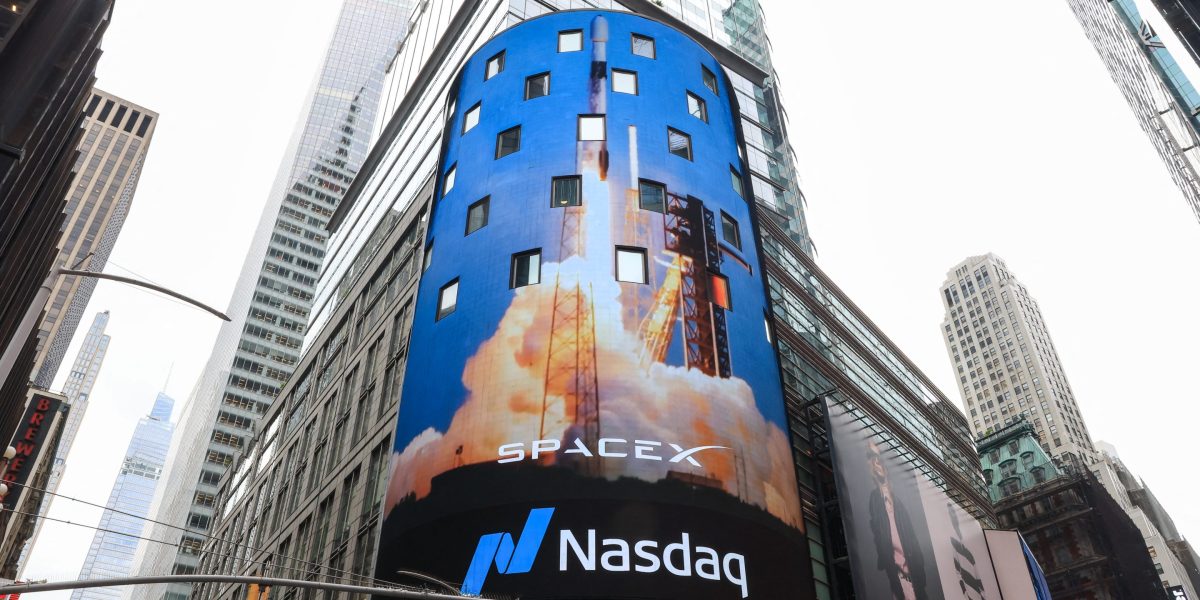
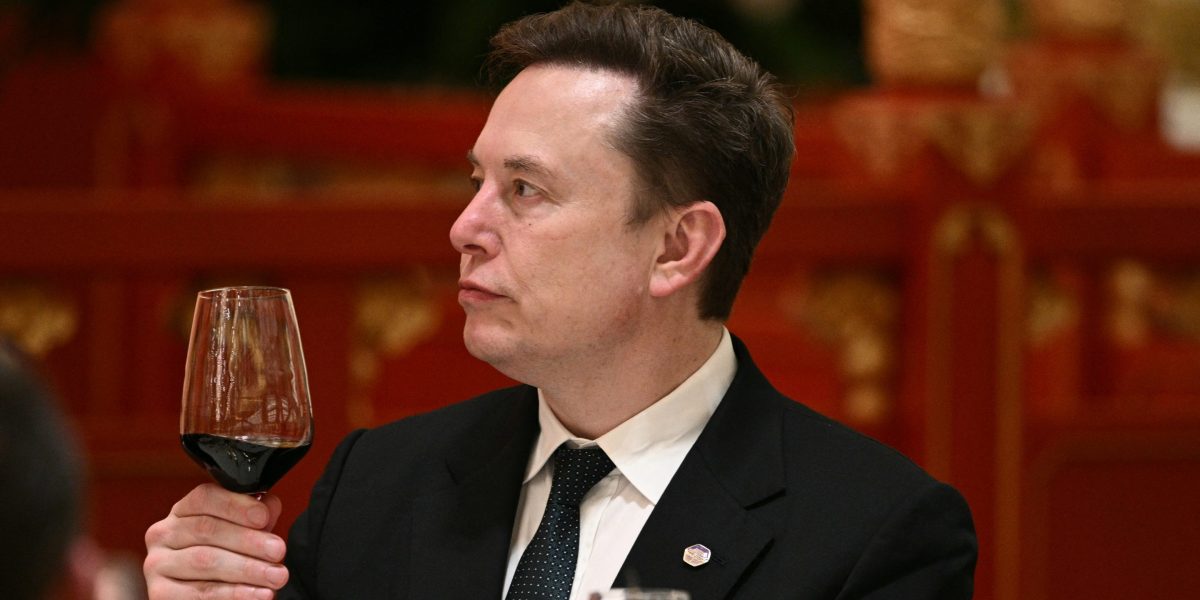
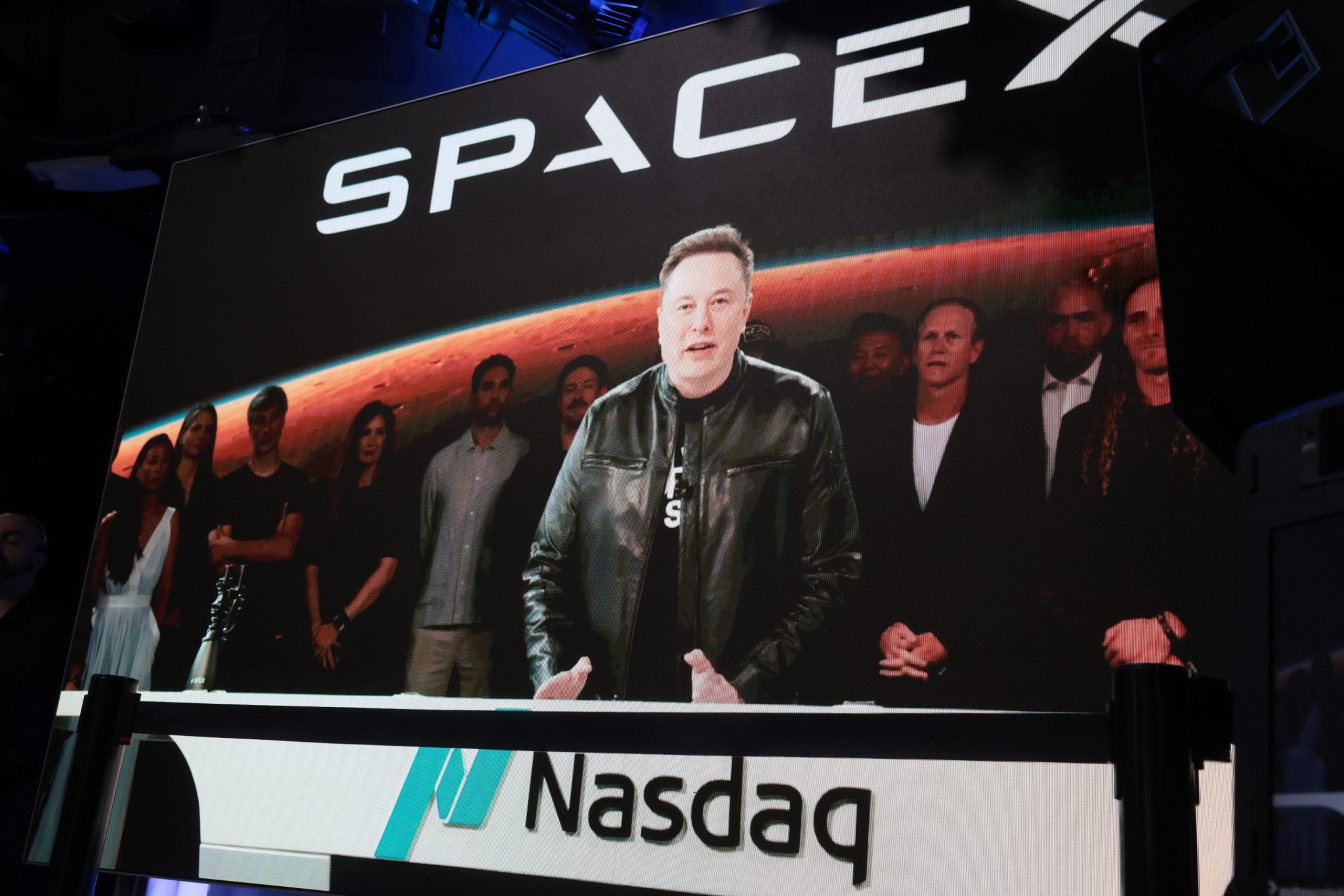
OpenAI is not alone in facing scrutiny. European regulators recently opened investigations into Elon Musk’s Grok chatbot over antisemitic content and deepfake nudes. Musk’s SpaceX, which also runs the Grok AI business, held its own IPO on Friday — adding to the sense that the AI IPO window is both crowded and controversial.
Meanwhile, Anthropic — another chatbot company preparing to go public — was directed by the Trump administration to shut down two of its models to users abroad, citing national security concerns. The order suggests that government oversight of AI is not limited to consumer safety but is extending into geopolitical and defense realms.
This wave of regulatory action creates a fragmented landscape. OpenAI, Anthropic, and SpaceX all face different types of pressure from different levels of government, making it harder for investors to assess the sector’s regulatory risk uniformly.
What This Means for the Industry
The multistate probe signals a shift from federal to state-level enforcement in AI regulation. While Congress has yet to pass comprehensive AI legislation, state attorneys general are taking action under existing consumer protection and public safety laws. This patchwork approach could impose inconsistent compliance burdens on AI companies operating nationwide.
For competitors, the probe may also create an opening. If OpenAI’s IPO is delayed or proceeds at a lower valuation, rival startups with cleaner regulatory records could attract more investor attention. However, anyone scaling consumer-facing AI faces similar exposure — the same incidents that sparked the Florida lawsuit could happen with any chatbot.
The broader tech industry should watch how this case resolves. If state AGs win concessions — such as mandatory safety testing or real-time content moderation — those requirements could become the de facto standard for all generative AI products, whether or not federal legislation passes.
Frequently Asked Questions
Why are state attorneys general investigating OpenAI? The investigation focuses on whether ChatGPT has caused user harm, including by encouraging self-harm or criminal behavior, and how the company handles sensitive health and personal data.
What specific incidents triggered the probe? The Florida attorney general sued OpenAI after two shootings where alleged gunmen reportedly used ChatGPT. Separately, a Canadian mother filed a wrongful death lawsuit linking ChatGPT to her daughter’s suicide.
Does this affect OpenAI’s IPO? Yes. The probe creates a material risk that must be disclosed to the SEC and potential investors, which could delay the IPO timeline or reduce the company’s valuation.
How has OpenAI responded? OpenAI says it will cooperate with the investigation and points to existing safety measures, including age prediction features, parental controls, and safeguards that direct users to mental health resources.
Are other AI companies facing similar scrutiny? Yes. European regulators are investigating Musk’s Grok chatbot, and the Trump administration ordered Anthropic to restrict access to two models overseas for national security reasons.
Could the probe lead to new regulations? Potentially. If state AGs impose conditions on OpenAI, those could set precedent for how all generative AI products are required to handle user safety and content moderation.
Conclusion
OpenAI’s multistate subpoena arrives at the worst possible moment — just as it seeks to become a public company with a valuation in the hundreds of billions. The investigation underscores a growing disconnect between the pace of AI deployment and the ability of governments to assess its risks. How this probe resolves will not only shape OpenAI’s future but may also define the regulatory playbook for the entire generative AI industry.





Partecipa alla discussione
Can AI companies ever satisfy both safety regulators and IPO investors?