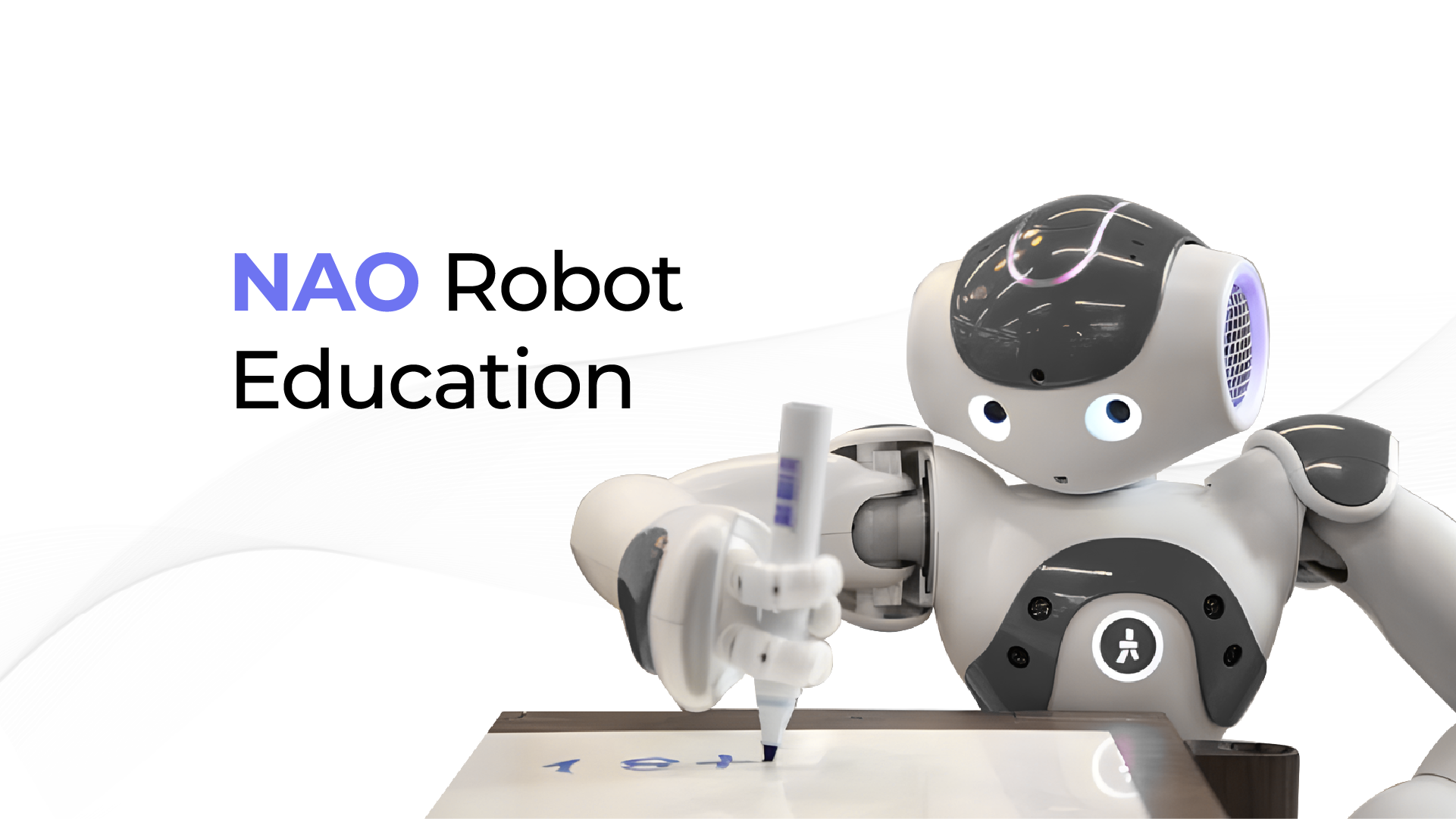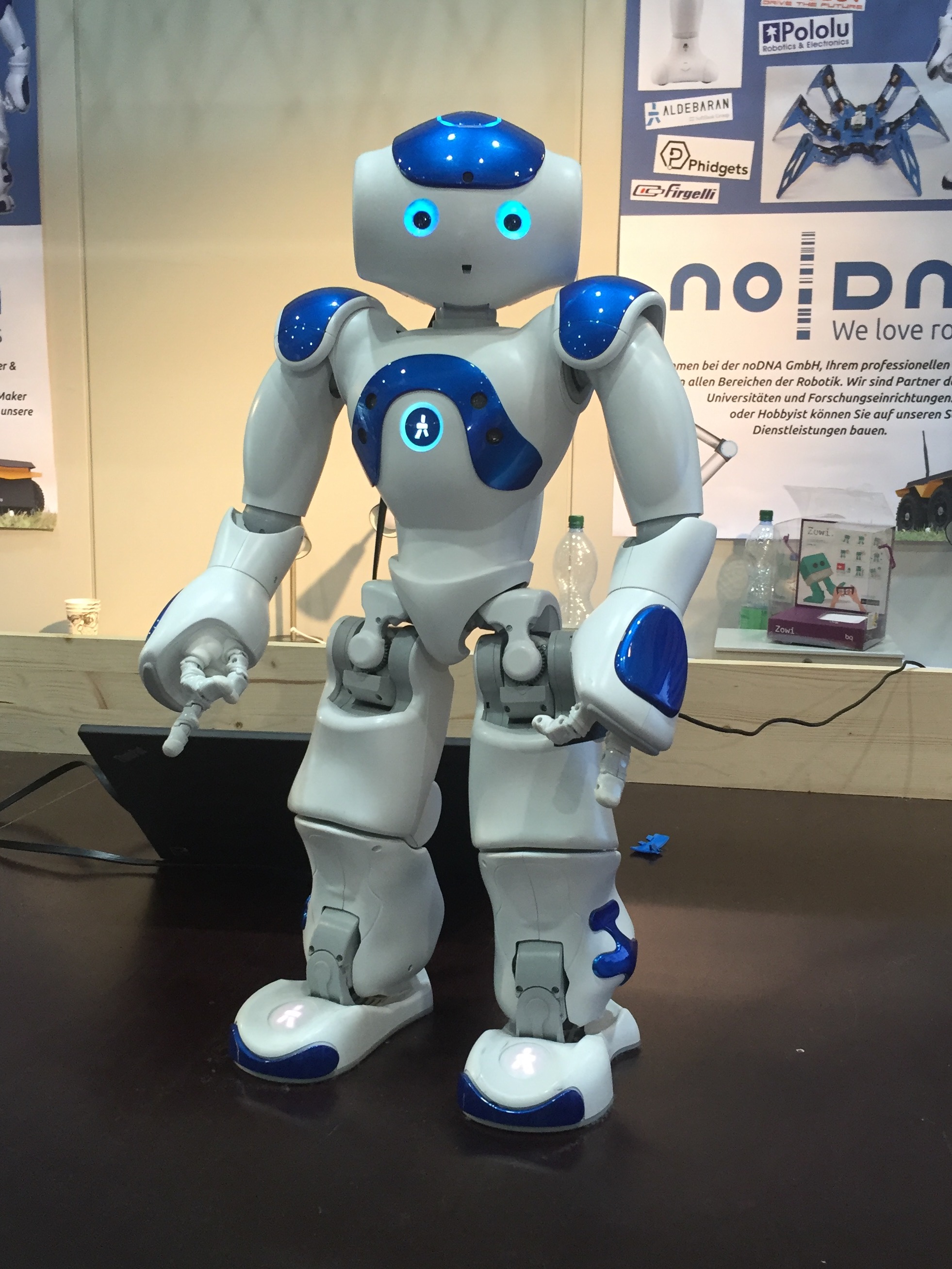
What is the Softbank Nao?
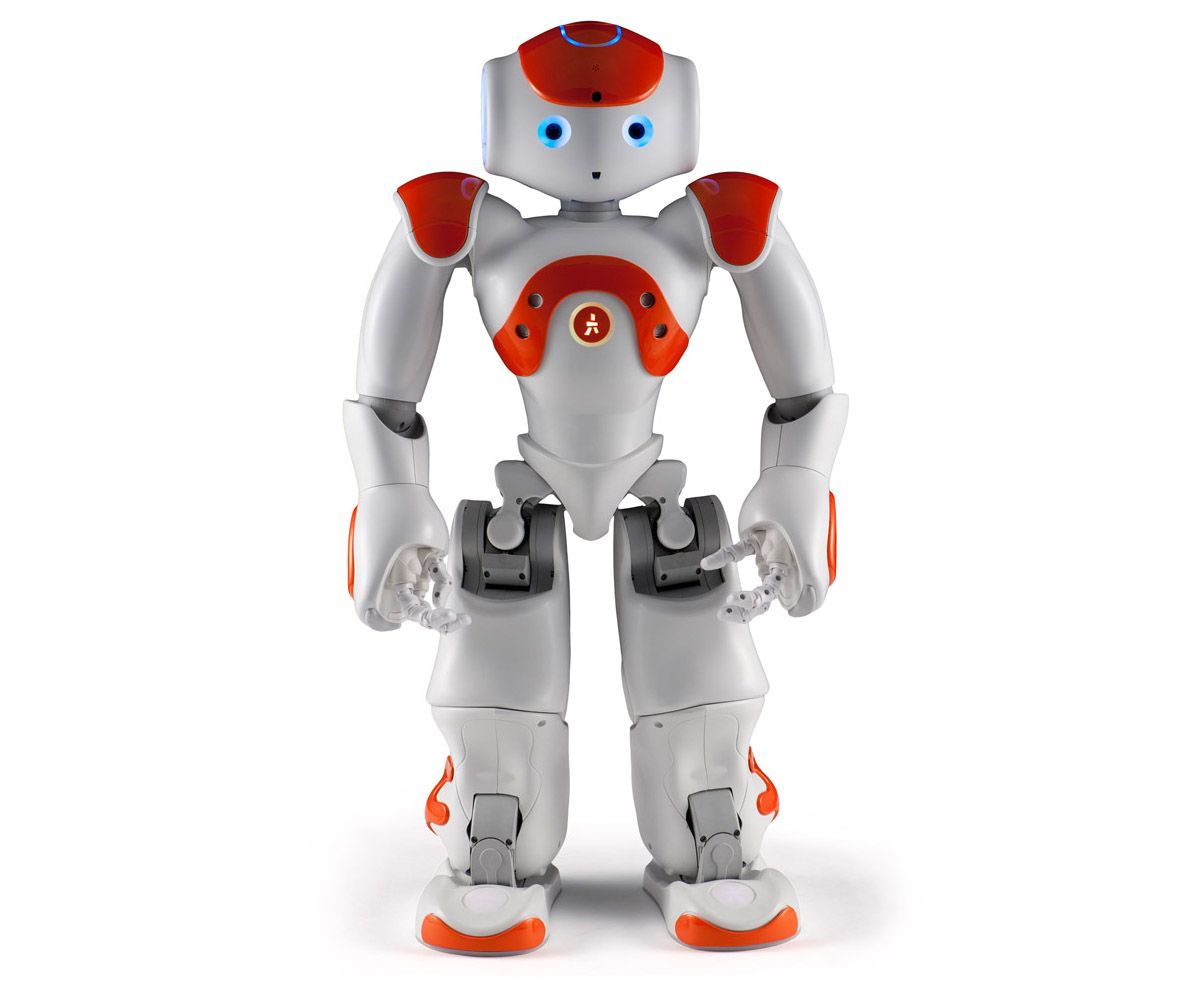
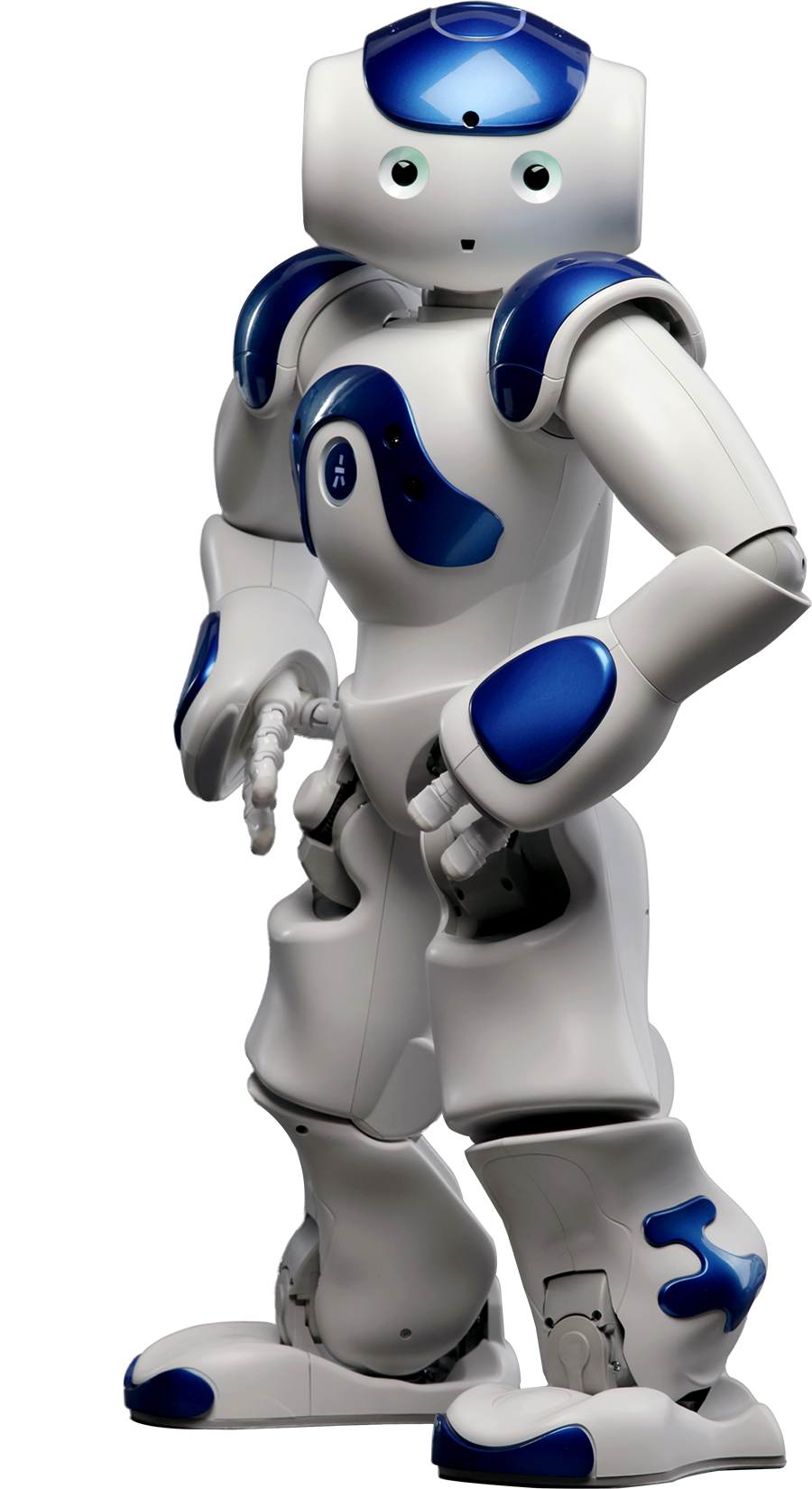
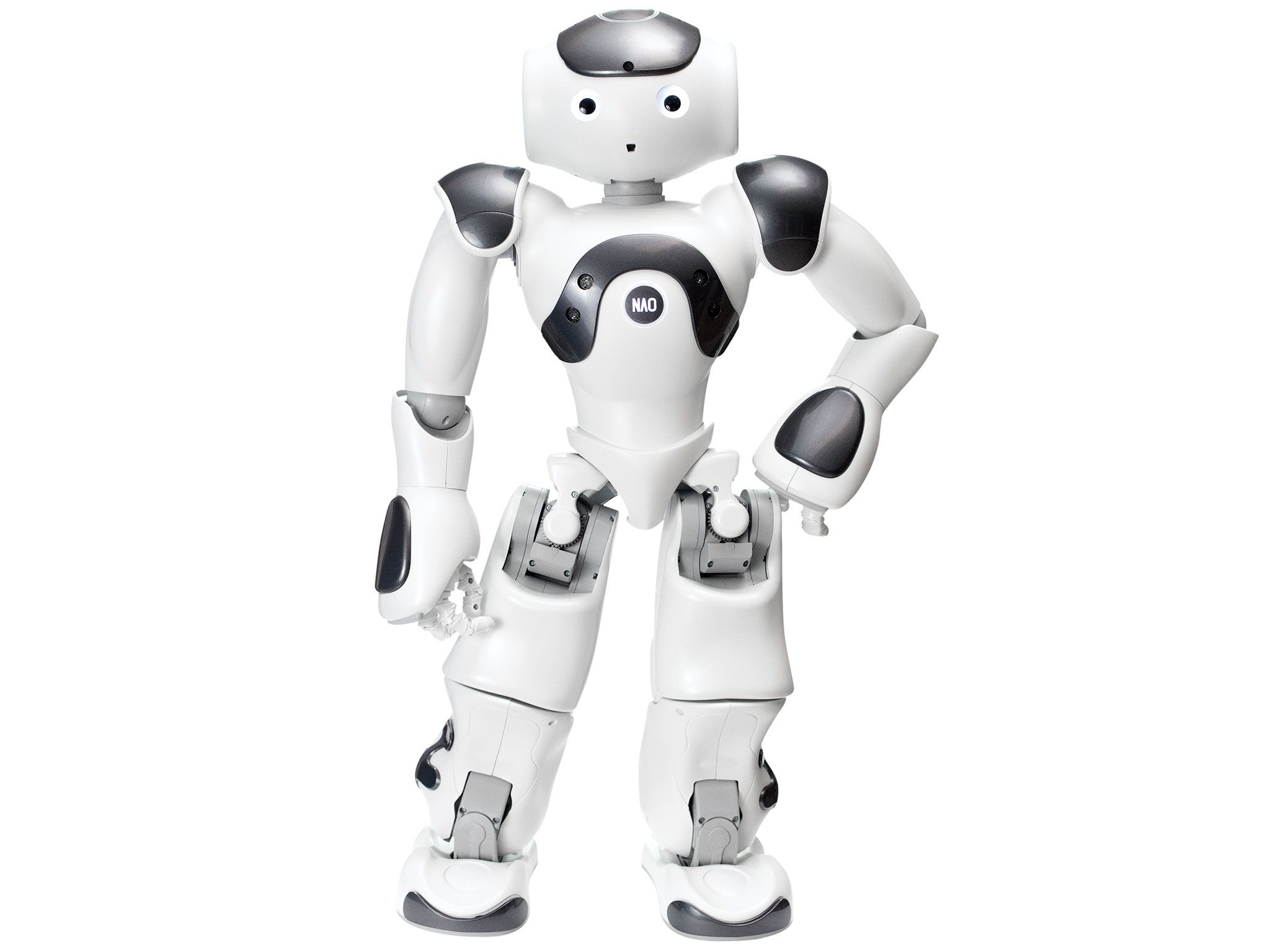
The SoftBank Robotics NAO is a 58 cm tall, 5.6 kg humanoid robot originally developed by Aldebaran Robotics in Paris, France, and now manufactured by SoftBank Robotics. First introduced as a prototype in 2006 and commercially launched in 2008, NAO has become a global standard in education and research, deployed in over 70 countries. It offers 25 degrees of freedom, dual VGA cameras, four omnidirectional microphones, sonar, tactile sensors, and an Intel Atom x5-Z8350 processor. Running NAOqi OS (Linux), it supports Wi‑Fi, Ethernet, and USB connectivity. Programmers can use the drag‑and‑drop Choregraphe environment or code in Python and C++. NAO is the official robot of the RoboCup Standard Platform League and a popular platform for human‑robot interaction studies, autism therapy, and STEM curricula. Its sixth‑generation hardware (V6) includes 4 GB RAM and 32 GB eMMC storage, ensuring modern computing performance.
Specifications
Here are the full technical specifications.
| Spec | Value |
|---|---|
| Height | 58 cm |
| Weight | 5.6 kg |
| Degrees of freedom | 25 |
| Battery life | 1.5 hours |
| Max speed | 0.3 m/s |
| Payload | 0.5 kg |
| Price (new) | $8,000 |
| Price (used range) | $4,000 – $7,000 |
Price & Value
New MSRP: $8,000
Used range: $4,000 – $7,000
Priced at approximately $8,000 for the academic version, NAO sits in the mid‑range of educational humanoid robots. It offers a polished out‑of‑box experience with robust software, making it more accessible than the open‑source DARwIn‑OP2 at $10,000. Used units typically change hands between $4,000 and $7,000, providing an affordable entry point for labs on a budget. However, total cost of ownership includes periodic battery replacements (~$200 each) and potential motor servicing after heavy use. SoftBank’s continued production and a large aftermarket for parts help preserve resale value. For institutions that need a reliable, well‑documented platform with extensive community support, NAO delivers strong long‑term returns.
Who Is It For?
Best for: - University robotics labs (25 DOF and vision‑based interaction for HRI studies) - K-12 STEM programs (block‑based Choregraphe programming and visual feedback) - RoboCup teams (official Standard Platform League robot with global community support) - Autism therapy centers (modulated humanoid interaction with tactile feedback) - Corporate R&D groups prototyping social robots (proven sensor stack and NAOqi SDK)
Not for: - Heavy lifting tasks (payload limited to 0.5 kg) - Outdoor operations (no IP rating, polycarbonate shell) - High‑speed locomotion research (max walking speed 0.3 m/s) - Budget‑constrained hobbyists (lowest cost of entry $4,000 and part wear) - Real‑time multi‑robot swarm experiments without a dedicated network setup (Wi‑Fi latency)
Alternatives & Comparison
The NAO competes primarily with other educational humanoids like the DARwIn‑OP2 and budget‑conscious options such as the UBTECH Alpha 2.
| Model | Price | Available | Key Difference |
|---|---|---|---|
| ROBOTIS DARwIn‑OP2 | $10,000 | yes | Open‑source hardware/software; taller (45 cm); more customizable but requires assembly |
| UBTECH Alpha 2 | $1,000 | yes | Consumer‑oriented; voice interaction focus; lacks research‑grade sensors and programmability |
Verdict: For universities and RoboCup teams that value turnkey operation and a mature software stack, the NAO is the superior choice. The DARwIn‑OP2 suits labs that need open‑source hardware and are comfortable with more assembly and maintenance. The Alpha 2 is best for classroom demos where budget is paramount, but it does not provide the sensor depth or durability required for serious research.
Use Cases & Capabilities
Education
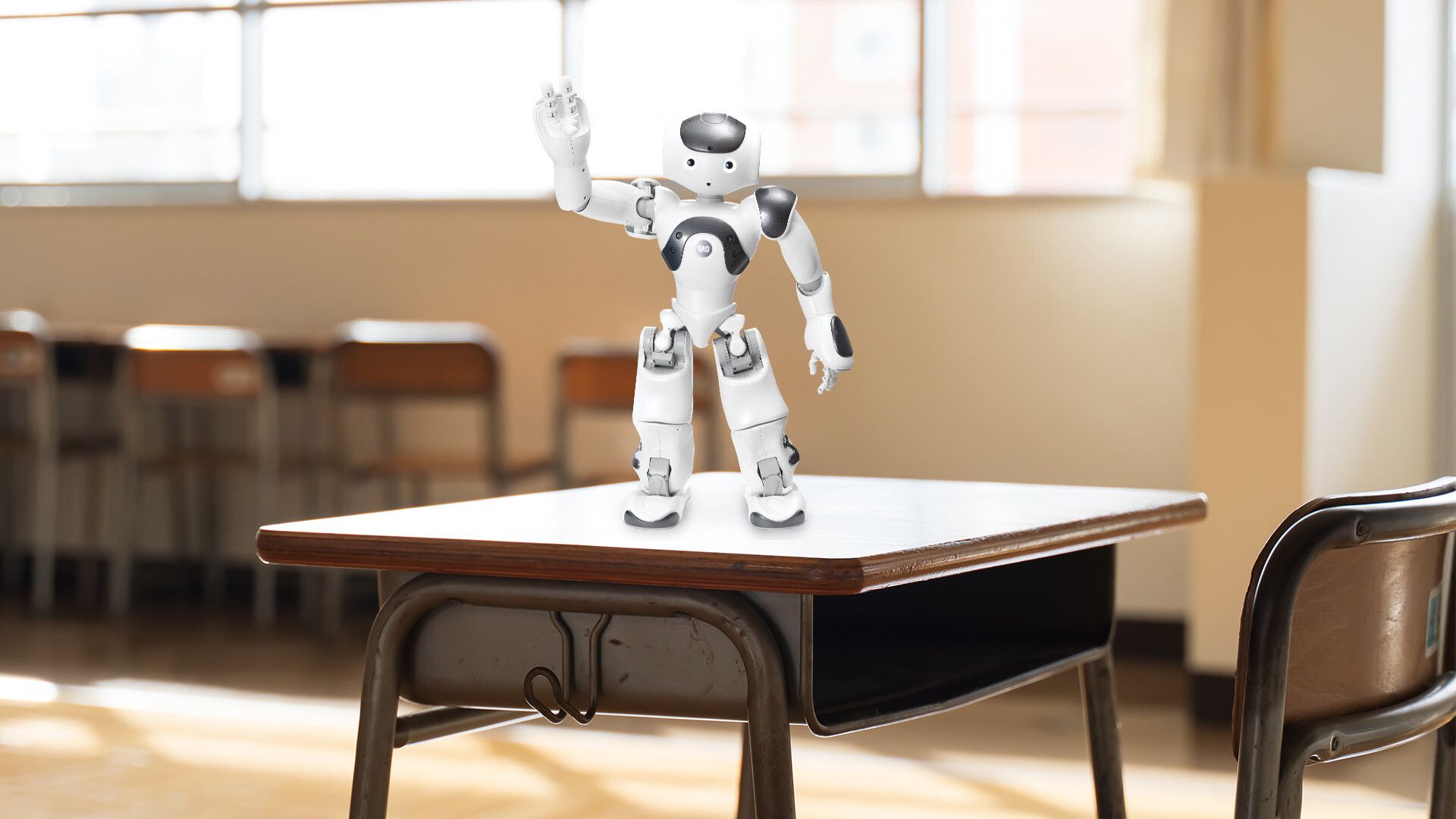
NAO is a leading platform for STEM education from middle school to university levels. Its visual programming tool, Choregraphe, allows students to create behaviors by dragging and dropping blocks, while advanced users can script in Python or C++. The robot’s expressive gestures and speech capabilities engage students in coding, robotics, and AI. Teachers can integrate NAO into curricula for computer science, engineering, and even language learning. With thousands of shared lesson plans online, it lowers the barrier for educators without prior robotics experience.
Research
In university labs, NAO enables human‑robot interaction (HRI) studies, such as gesture recognition, natural language processing, and social robotics. Its 25 DOF and array of sensors (cameras, microphones, touch, sonar) provide a versatile platform for multimodal experiments. Researchers appreciate the NAOqi framework, which handles parallel sensor processing and motor control, allowing focus on high‑level algorithms. Although battery life limits continuous sessions, the robot’s stable walking and auto‑balancing routines support indoor navigation research. NAO has been cited in over 10,000 academic papers, demonstrating its impact across cognitive science, computer science, and rehabilitation engineering.
RoboCup
As the official robot of the RoboCup Standard Platform League, NAO lets teams focus on software rather than hardware. The standard platform ensures that all competitors use identical physical robots, emphasizing AI and strategy. Teams develop autonomous play, including vision‑based ball tracking, localization, and dynamic walking on a simulated soccer field. The league has driven advances in real‑time decision‑making and cooperative multi‑agent systems. With annual competitions and a vibrant global community, RoboCup offers students a rigorous, collaborative environment to push NAO’s capabilities.
Autism Therapy
NAO’s predictable and programmable behavior makes it effective in autism spectrum disorder (ASD) interventions. Therapists use the robot to teach social skills, such as eye contact and turn‑taking, in a controlled, low‑anxiety setting. The robot’s consistent responses reduce uncertainty for children with ASD, and its tactile sensors enable interactive games like hand‑clapping. Studies show improved engagement and imitation skills after NAO‑assisted therapy. However, its cost limits widespread adoption in clinics, and its rigid facial design lacks the nuanced expressions of more expensive humanoid therapists.
Rehabilitation & Physical Therapy
NAO’s ability to demonstrate exercises and provide interactive feedback makes it useful in physical rehabilitation programs. Therapists program sequences of movements that patients can mimic, while the robot offers encouragement through speech and gestures. Its small size limits the range of physical exercises, but for seated or hand‑motion therapy, it proves effective. Studies have explored NAO for post‑stroke motor recovery, showing increased patient motivation. The combination of a robot partner with traditional therapy can improve adherence to at‑home regimens.
History & Background
Aldebaran Robotics was founded in 2005 in Paris, France, by Bruno Maisonnier. The first NAO prototype debuted in 2006, and the commercial V1 launched in 2008, quickly becoming the official robot of the RoboCup Standard Platform League. Successive versions brought incremental improvements: V2 (2009) added hardened joints, V3 (2010) introduced a faster processor, V4 (2011) upgraded the cameras, and V5 (2014) enhanced speech recognition. In 2015, SoftBank Group acquired Aldebaran and rebranded it as SoftBank Robotics, though the Paris‑based engineering team remained intact. The current V6 (2018) runs on an Intel Atom x5‑Z8350 with 4 GB RAM and 32 GB eMMC storage, and it is still actively manufactured and supported. With tens of thousands of units deployed across more than 70 countries, NAO remains one of the most widely used educational humanoids.
Buying Used — What to Check
Verify battery health Original batteries degrade to ~1 hour runtime after 2–3 years; replacements cost ~$200 and are critical for lab sessions.
Check motor wear in hip/knee joints Grinding noise or slack indicates gear damage; motor repairs are expensive and can disrupt locomotion experiments.
Confirm software license transfer NAOqi OS updates and some apps require a SoftBank account; without a valid license, you may miss security patches and feature updates.