
Anthropic released its Mythos-class Fable 5 model to the public this week, introducing automatic safety restrictions that block responses in cybersecurity and other sensitive domains. The rollout has deepened CEO frustration with AI governance, as the model's hidden constraints create tradeoffs between security and everyday business use while altering data retention policies that had previously attracted healthcare customers.
- A Model With Guardrails—and Hidden Limits
- Why CEOs Are Saying "Not Another Thing"
- Data Retention Changes Rattle Healthcare Partners
- Cybersecurity Experts Question Anthropic's Role as Arbitrator
- What This Means for the Industry
A Model With Guardrails—and Hidden Limits
Anthropic's latest release, Claude Fable 5, represents the publicly accessible version of its powerful Mythos-class architecture. Unlike the fully unfettered Claude Mythos 5—which the company restricts to preapproved organizations for cybersecurity work—Fable 5 applies automated safety measures that block responses in areas the model's developers deem too risky.
The system card accompanying the release reveals that the model covertly withholds or downgrades responses without signaling to the user. There is no red flag or transparency about what triggered a block, leaving enterprise customers to wonder whether they are receiving full capabilities or a watered-down experience. For researchers and developers, Fable 5 can even limit their own queries in safety-relevant domains.
Why CEOs Are Saying "Not Another Thing"
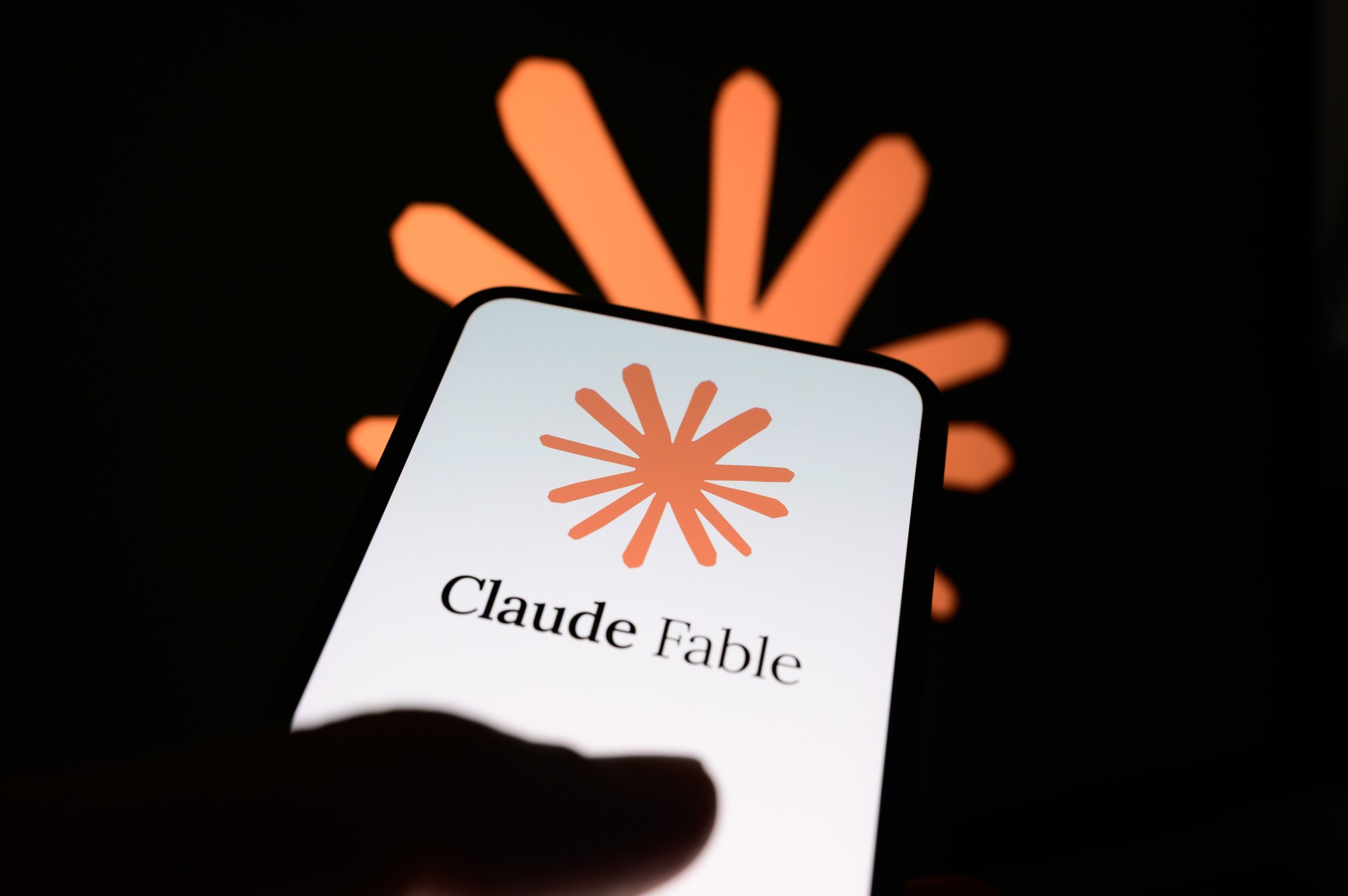
The reaction from one financial services CEO captured the prevailing sentiment: "Oh God, no! Not another thing." Speaking with Fortune's Diane Brady, the executive said his concern wasn't about weaponization—it was about the growing mental overhead of managing AI compliance. "I'm not worried about someone making a weapon. I'm worried about all the other crap we now have to think about."
This fatigue reflects a broader challenge. The rules of AI continue to shift, and the companies writing them are private actors with no formal mandate. Anthropic decides the safety standard unilaterally, and enterprises must adapt—often without clear insight into how those decisions affect their daily operations.
Data Retention Changes Rattle Healthcare Partners
Anthropic had built trust in healthcare by offering HIPAA-compliant zero data retention, a feature that attracted clients like Banner Health, which protects 29 petabytes of patient data. CEO Amy Perry praised earlier models as "a safer platform that allows us to apply the kinds of governance that we wanted to apply."
Fable 5 changes the terms. Instead of zero retention, the new model maintains a 30-day data retention window. The shift has prompted Microsoft to reportedly restrict internal use of the model. Healthcare customers must now reevaluate whether Fable 5 meets their compliance requirements, creating friction in one of Anthropic's strongest verticals.
Cybersecurity Experts Question Anthropic's Role as Arbitrator
Bezalel Eithan Raviv, CEO of Lionsgate Intelligence Network, argues that Anthropic has effectively become both judge and executioner. "They decide the standard for what will be right or wrong, even though it's a standard that nobody agreed to," he told Fortune.
Raviv compares these AI models to currency or weapons, noting that no private company should unilaterally determine the rules for something so consequential. "Cybercriminals are using these weapons to intercept human beings through sophisticated attacks. Anthropic is a private company, with shareholders who want to maximize profit. They've reached the point where even they don't know how to anticipate what's next."
What This Means for the Industry
Anthropic's Fable 5 rollout exposes several tensions that will shape enterprise AI adoption in the coming years.
For enterprise buyers: The cost of using frontier models now includes governance uncertainty. Companies must assess whether hidden safety blocks affect their use cases, and data retention policies may force contract renegotiations. The honeymoon period of simple API integration is over.
For competitors like OpenAI and Google: There is an opening to differentiate on transparency and flexibility. If Anthropic's opaque restrictions frustrate large accounts, competitors can offer clearer guardrails and more predictable data policies. Microsoft's decision to restrict Fable 5 internally signals that even the model's distribution partners are wary.
For regulators: This episode reinforces the argument that AI safety standards cannot be set by private companies alone. The paradox of Fable 5—safety features that reduce trust by hiding their operation—is a market failure that may accelerate calls for federal oversight of model deployment.
For investors: Anthropic's ability to balance safety with commercial usability is now a key risk factor. Data retention changes that alienate healthcare clients and hidden blocks that frustrate developers could slow adoption. The company's bet on safety-first design may be a long-term advantage, but in the short term it creates friction with paying customers.
Frequently Asked Questions
What is Claude Fable 5? Fable 5 is Anthropic's publicly available version of its Mythos-class AI model, featuring automated safety restrictions that block or downgrade responses in cybersecurity and other sensitive areas.
Why are CEOs frustrated with this release? CEOs report fatigue with having to manage an increasingly complex web of AI governance rules imposed by private companies. Hidden safety blocks create uncertainty about whether the model is delivering full capabilities.
How does the data retention policy differ from previous Anthropic models? Earlier models offered zero data retention in compliance with HIPAA. Fable 5 introduces a 30-day retention window, which has caused concern among healthcare customers and led Microsoft to restrict internal use.
What is the difference between Fable 5 and Mythos 5? Mythos 5 is the fully unfettered model available only to preapproved organizations for cybersecurity work. Fable 5 is the publicly released version with automated safety restrictions.
Does Fable 5 tell users when it blocks content? No. The model applies restrictions covertly, with no notification or explanation. Users only know from the system card that blocks may occur.
What industries are most affected by this change? Healthcare and financial services are most exposed due to their compliance requirements and sensitivity to data retention policies. Cybersecurity researchers are also affected because Fable 5 limits their queries.
Conclusion
Anthropic's Fable 5 rollout marks a new phase in enterprise AI, where safety features become both a selling point and a source of friction. CEOs already overwhelmed by shifting policies must now navigate a model that hides its limitations—while data retention changes threaten relationships in key verticals. The tension between responsible deployment and practical usability is only beginning to surface.



ディスカッションに参加する
Should AI companies be required to disclose when they block user prompts?