

Robotics innovation continues to blur the lines between art, utility, and technology. A recent highlight is Lume, a sculptural floor lamp that doubles as a household robot capable of performing chores like making beds and folding laundry. This post reviews Lume alongside other recent robotics developments, exploring their implications on robot design, artificial muscles, robot learning, and legged manipulation.
Lume: The Sculptural Floor Lamp That Performs Household Tasks
Lume combines aesthetics with robotics, functioning as a stylish floor lamp that can also handle chores involving soft materials such as bedmaking and laundry folding. Crafted from anodized aluminum with high-gloss finishes, its slender form conceals a complex robotic system designed for quiet, deliberate movement. Despite its elegant design, skepticism remains about its practical effectiveness, as publicly available footage shows limited clear demonstrations of its capabilities.
Lume aims to integrate smoothly into home environments without appearing overtly robotic. Its quiet operation and balanced movements contribute to this seamless experience. However, the robot’s chore performance, particularly tasks like folding clothes, is presented through fragmented video clips, raising questions about speed and reliability. Priced at approximately $2,500 for a pair, potential buyers should seek further detailed demonstrations before committing to a preorder.
For those interested in robots with home utility and humanoid forms, you can browse humanoid robots on Botmarket.
Electrofluidic Fiber Muscles: A New Class of Soft Artificial Muscles
Researchers from MIT Media Lab and Politecnico di Bari have developed Electrofluidic Fiber Muscles, a novel type of artificial muscle fiber that offers soft, silent actuation without rigid servo motors. These fibers use electrohydrodynamic (EHD) pumps to move liquids via electric fields, generating pressure without moving parts, combined with fluidic fiber actuators. This innovation produces flexible, quiet muscles ideal for robots and wearable devices.
Unlike traditional motors that rely on mechanical components and generate noise, these fiber muscles operate silently and require no external pumps or reservoirs. This advancement opens avenues for more natural, compliant robot movements and wearable robotics that better mimic human muscle behavior.
The development of such soft actuators can enhance the dexterity and adaptability of robots, including those in domestic or industrial settings. For more on robots with advanced actuation, check out browse collaborative robots on Botmarket.
Advances in Robot Learning: GEN-1 AI Model
The latest milestone in robot learning is GEN-1, a general-purpose AI model designed to master simple physical tasks with high success and speed. It achieves an average success rate of 99%, significantly surpassing previous models that averaged 64%, and completes tasks about three times faster. Notably, GEN-1 requires only one hour of robot data to reach these results, making it more commercially viable for various applications.
This AI model represents a meaningful step toward generalist intelligence for physical robots, enabling them to handle a broader range of tasks with minimal retraining. It enhances the potential for robots to adapt quickly in dynamic environments, which is critical for both industrial automation and service robotics.
Such advancements will likely accelerate integration of AI-driven robots across sectors, improving efficiency and flexibility.
Legged Manipulators for Handling Articulated Objects
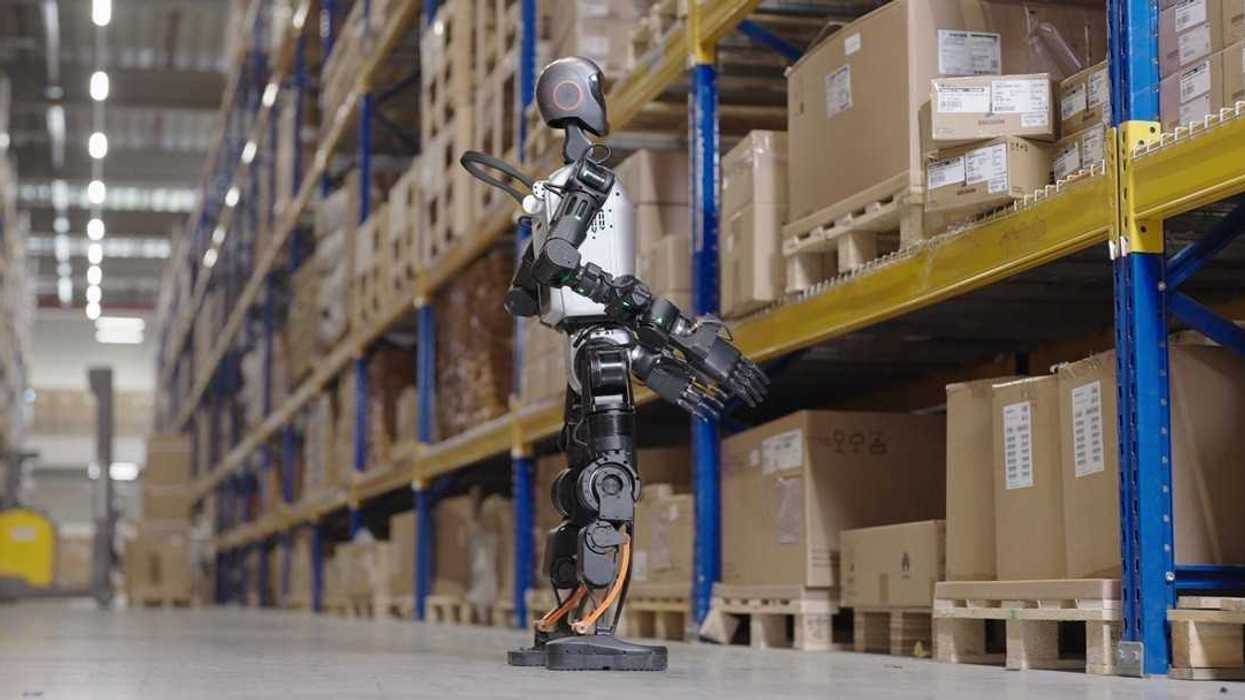
Legged robots equipped with manipulators offer high mobility and versatile interaction capabilities but face challenges when dealing with articulated objects like doors, drawers, and cabinets. A new framework proposes a robust, sample-efficient approach for these legged manipulators to open a variety of articulated objects, addressing the complexity of diverse articulation types and robot dynamics.
This framework enhances robots' physical interaction with complex environments, enabling better navigation and manipulation in real-world scenarios. Such capabilities are crucial for service robots operating in homes, warehouses, or healthcare settings, where interaction with varied objects is frequent.
Improved legged manipulation expands the functional scope of mobile robots beyond flat terrain or simple object handling, increasing their practical utility.
What This Means for Buyers
The technologies highlighted here reflect a trend toward robots that are more integrated into everyday environments, combining form, function, and intelligence. Buyers looking for home or service robots should consider:
- Design and Integration: Robots like Lume prioritize aesthetics and quiet operation, making them suitable for living spaces if their capabilities meet expectations.
- Soft Actuation: Electrofluidic fiber muscles promise more natural movement and adaptability, beneficial for robots requiring gentle interaction.
- AI and Learning: Advanced AI models like GEN-1 reduce training time and improve task reliability, important for commercial deployments.
- Mobility and Manipulation: Legged robots with enhanced manipulation frameworks are better suited for complex environments with varied objects.
Prospective purchasers should evaluate product demonstrations critically, especially for robots claiming chore automation, and stay informed about emerging actuator and AI technologies that improve robot versatility.
Explore the full range of industrial robots, cobots, and humanoid robots available for purchase on Botmarket.
Conclusion
The intersection of design, soft robotics, AI learning, and mobility is advancing robotics toward practical, integrated solutions for everyday tasks. While innovations like the Lume lamp-robot illustrate the potential for multifunctional household devices, the underlying technologies in artificial muscles and AI learning models are equally pivotal for future robot capabilities. Buyers and enthusiasts should monitor these developments closely to make informed decisions as these technologies mature and become commercially available.



Komen