
CXMT, China’s largest DRAM producer, has set July 16 as the subscription date for its STAR Market IPO, aiming to raise RMB 29.5 billion. The landmark listing underscores Beijing’s push for semiconductor self-sufficiency and could reshape the competitive dynamics of the global memory chip market, which is currently dominated by Samsung, SK Hynix, and Micron.
- What Happened
- Why It Matters
- The IPO Details
- Market Implications
- What This Means for the Industry
- Frequently Asked Questions
- Conclusion
What Happened
ChangXin Memory Technologies (CXMT) kicked off the issuance process for its highly anticipated initial public offering on the Shanghai Stock Exchange’s STAR Market, with subscriptions opening on July 16. The company will issue 6.69 billion shares before any over-allotment option, representing approximately 10% of its post-issuance share capital. The proceeds are expected to fund capacity expansion and technology upgrades as CXMT seeks to narrow the gap with global memory leaders.
According to TechWeb (in Chinese), CXMT is China’s dominant DRAM producer and a linchpin of the country’s semiconductor independence strategy. The IPO comes as the U.S.-China chip war intensifies, with export controls restricting Chinese access to advanced chipmaking equipment and memory technology.
Why It Matters

DRAM is the most widely used type of memory, found in everything from smartphones and PCs to servers and data centers. The global DRAM market has long been an oligopoly, with Samsung, SK Hynix, and Micron controlling more than 95% of supply. CXMT’s IPO represents the most ambitious attempt by a Chinese company to break into that club.
China currently imports the vast majority of its DRAM chips, making it vulnerable to supply disruptions and trade restrictions. A successful CXMT expansion could reduce that dependency and, over time, apply downward pricing pressure on a market that has historically seen volatile boom-bust cycles. The listing also signals that Beijing is willing to channel significant capital toward homegrown memory makers, even as U.S. sanctions tighten.
The IPO Details
CXMT’s IPO on the STAR Market — China’s Nasdaq-style board for tech companies — is one of the largest semiconductor-related listings globally this year. At RMB 29.5 billion, it would rank among the top IPOs of 2026 on any Chinese exchange. The company has not disclosed its valuation, but analysts estimate it could exceed $15 billion based on the offer size and typical STAR Market multiples.
The subscription period opens July 16, with shares expected to begin trading within weeks after that. CXMT has tapped a consortium of Chinese underwriters, including CITIC Securities and China International Capital Corporation. The proceeds will be used to build new fabrication lines and develop next-generation DRAM processes.
Market Implications
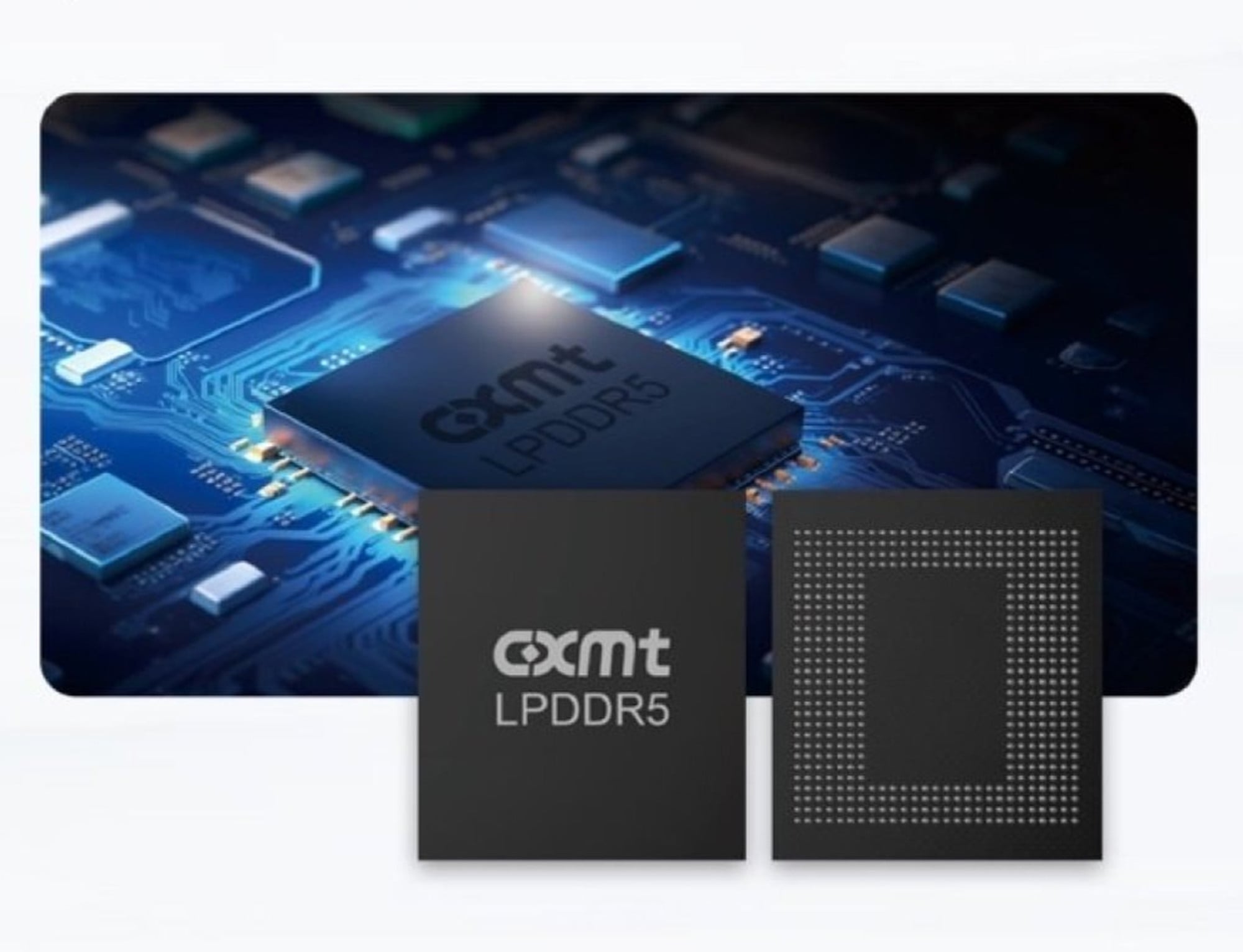
CXMT’s capital raise comes at a time of tightening global memory supply. Samsung and SK Hynix have shifted production toward high-bandwidth memory (HBM) chips for AI accelerators, leaving traditional DRAM supply relatively constrained. If CXMT can scale production quickly, it could capture market share in the PC and smartphone segments, where margins are thinner but volumes are enormous.
Investors should watch whether CXMT’s technology trajectory allows it to compete on performance and power efficiency. The company currently lags behind the top three in process node — it reportedly produces DRAM on 17nm-class nodes, while Samsung and SK Hynix are already at 12nm and below. However, state backing and a large addressable market in China give CXMT a clear runway.
What This Means for the Industry
For global memory incumbents — Samsung, SK Hynix, and Micron — CXMT’s IPO represents a long-term competitive threat. While the Chinese firm is years behind in process technology, it has access to subsidized capital and a domestic market that increasingly favors local suppliers. The Big Three may need to accelerate their own capacity investments or risk losing share in the world’s largest electronics market.
For investors in the semiconductor supply chain — the IPO is a bellwether for Chinese chip stocks. If CXMT trades well, it could trigger a wave of follow-on listings from other Chinese chipmakers. It also provides exposure to the memory market at a time when AI-driven demand for HBM is pushing up the overall DRAM price environment.
For the broader tech industry — more DRAM supply from CXMT could eventually moderate memory prices, benefiting PC, server, and smartphone manufacturers. However, the timeline for meaningful volume is uncertain. CXMT must first secure equipment (potentially from Chinese domestic toolmakers) and overcome yield challenges before its capacity additions move the market.
Frequently Asked Questions
What is CXMT? CXMT (ChangXin Memory Technologies) is China’s largest dynamic random-access memory (DRAM) chipmaker. Based in Hefei, it was founded in 2016 and has received extensive government support to develop homegrown memory production capacity.
When does the IPO open for subscription? Subscriptions open on July 16, 2026, on the Shanghai Stock Exchange’s STAR Market. Investors will be able to purchase shares through their brokerage accounts during the subscription period.
How much is CXMT aiming to raise? The company plans to raise approximately RMB 29.5 billion ($4.1 billion). It will issue 6.69 billion shares, roughly 10% of its total shares after the offering.
Why is this IPO significant for China’s tech industry? It is one of the largest semiconductor IPOs in Chinese history and a key part of Beijing’s strategy to reduce reliance on foreign memory chips. A successful listing would provide CXMT with the capital needed to expand production and develop advanced manufacturing processes.
How does CXMT compare to Samsung and SK Hynix? CXMT is significantly smaller and several process generations behind. Samsung and SK Hynix together control more than 70% of the global DRAM market. CXMT currently produces DRAM on older nodes and has limited market share, but scale and government funding could help it close the gap over time.
What risks does the IPO face? Potential risks include: export controls that limit access to advanced equipment from ASML, Applied Materials, and Tokyo Electron; technology transfer challenges; and the cyclical nature of the memory market, which could see a downturn capacity comes online.
Conclusion
CXMT’s STAR Market IPO marks a bold step in China’s quest for semiconductor self-reliance. The RMB 29.5 billion raise gives the company firepower to challenge an entrenched global oligopoly, but the road ahead is long and fraught with technology and trade barriers. For investors and industry observers, the subscription date on July 16 is the starting gun for a new chapter in the memory chip wars.






Doe mee aan de discussie
Will CXMT's IPO really threaten Samsung and SK Hynix's DRAM dominance?