
Lenovo and Google are deploying AI tools for the 2026 World Cup, offering everything from AI-powered coaching assistants to enhanced search and navigation for fans. The tournament serves as a high-stakes showcase for AI integration in large-scale events, with implications for future sports and entertainment experiences.
- What Happened: Big Tech’s World Cup AI Play
- Why It Matters: The World Cup as an AI Stress Test
- Market Implications: A New Revenue Stream for Tech Giants
- Competitive Context: A Fragmented Field of AI Services
- What’s Next: From 2026 to 2027 and Beyond
- What This Means for the Industry
- Frequently Asked Questions
- Conclusion
What Happened: Big Tech’s World Cup AI Play
The 2026 World Cup — the most complex in history, with 48 teams playing across 16 cities in three countries — has become a proving ground for artificial intelligence. Lenovo, making its debut as FIFA’s official technology partner, is providing AI-enabled phones and tablets, an AI assistant for all participating teams, and a generative AI tool called Football AI Pro that analyzes hundreds of millions of football data points.
According to Fortune, Lenovo’s Football AI Pro ingests historical match data and real-time game information to generate insights via text, video, graphs, and 3D visualizations. Coaches and trainers can query the system to evaluate specific plays — for example, the success rate of a corner kick by a star player — and receive data-backed recommendations.
Google has struck partnerships with eight national teams, including the U.S., Argentina, Brazil, and France. The company’s AI-powered search now surfaces interactive graphics explaining soccer formations, while Google Maps and Waze integrate traffic data, stadium imagery, and live scoring. Google is also piloting AI agents that can book tickets autonomously, though the feature remains in early testing.
Other tech companies are involved too. Salesforce’s Slack coordinates workforce management across host stadiums, Verizon provides network infrastructure, and public-safety platform RapidSOS uses AI translation to help 911 operators handle calls from non-English-speaking fans. Sportradar, a sports data and betting technology firm, employs machine learning to detect potential match-fixing patterns.
Why It Matters: The World Cup as an AI Stress Test
With more than five million fans expected in stadiums and billions watching globally, the World Cup represents one of the highest-pressure environments for deploying AI at scale. Any system failure would be immediately visible to a massive audience, making reliability paramount.
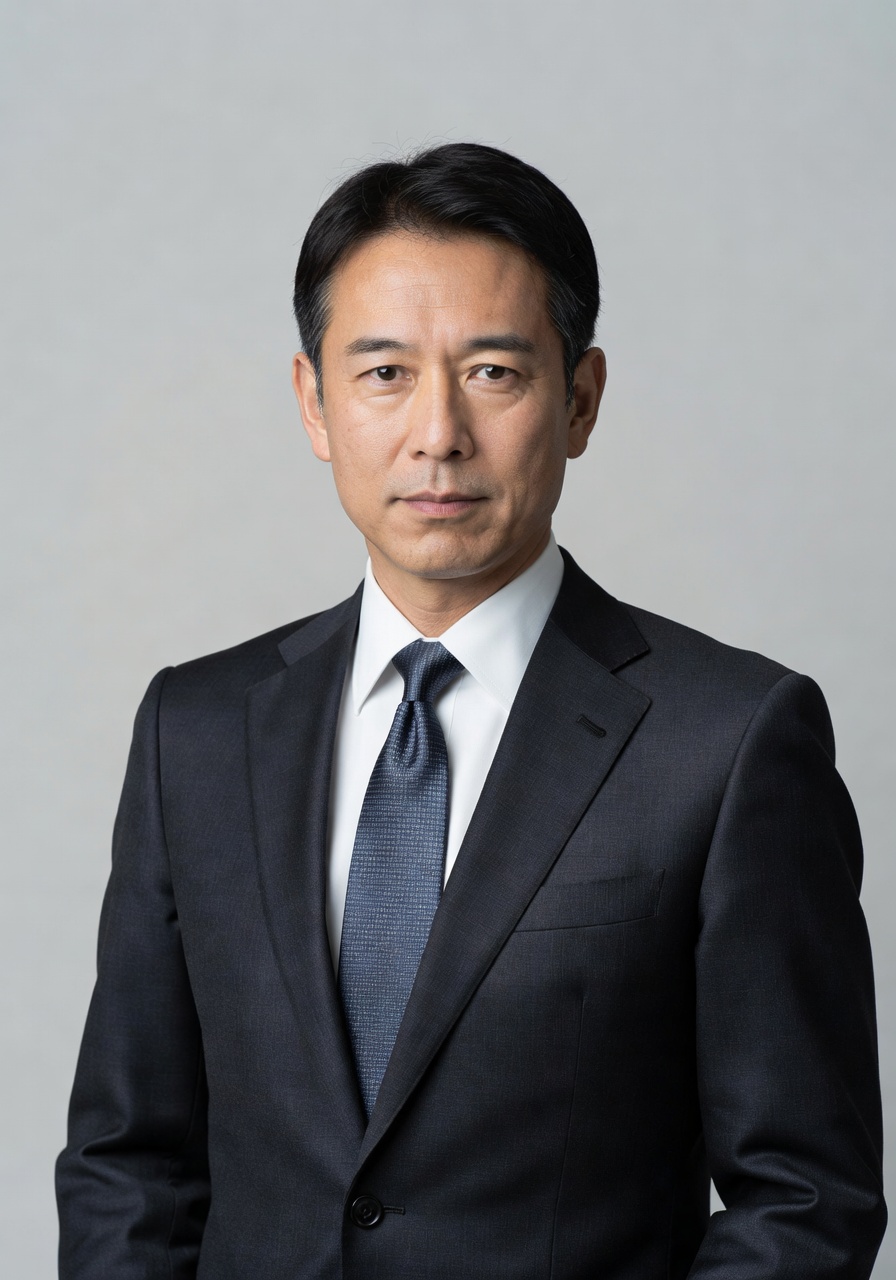
Lenovo CIO Art Hu acknowledged the stakes: “Most of the world is watching, and it creates an unbelievable expectation that you really have to make sure this works.”
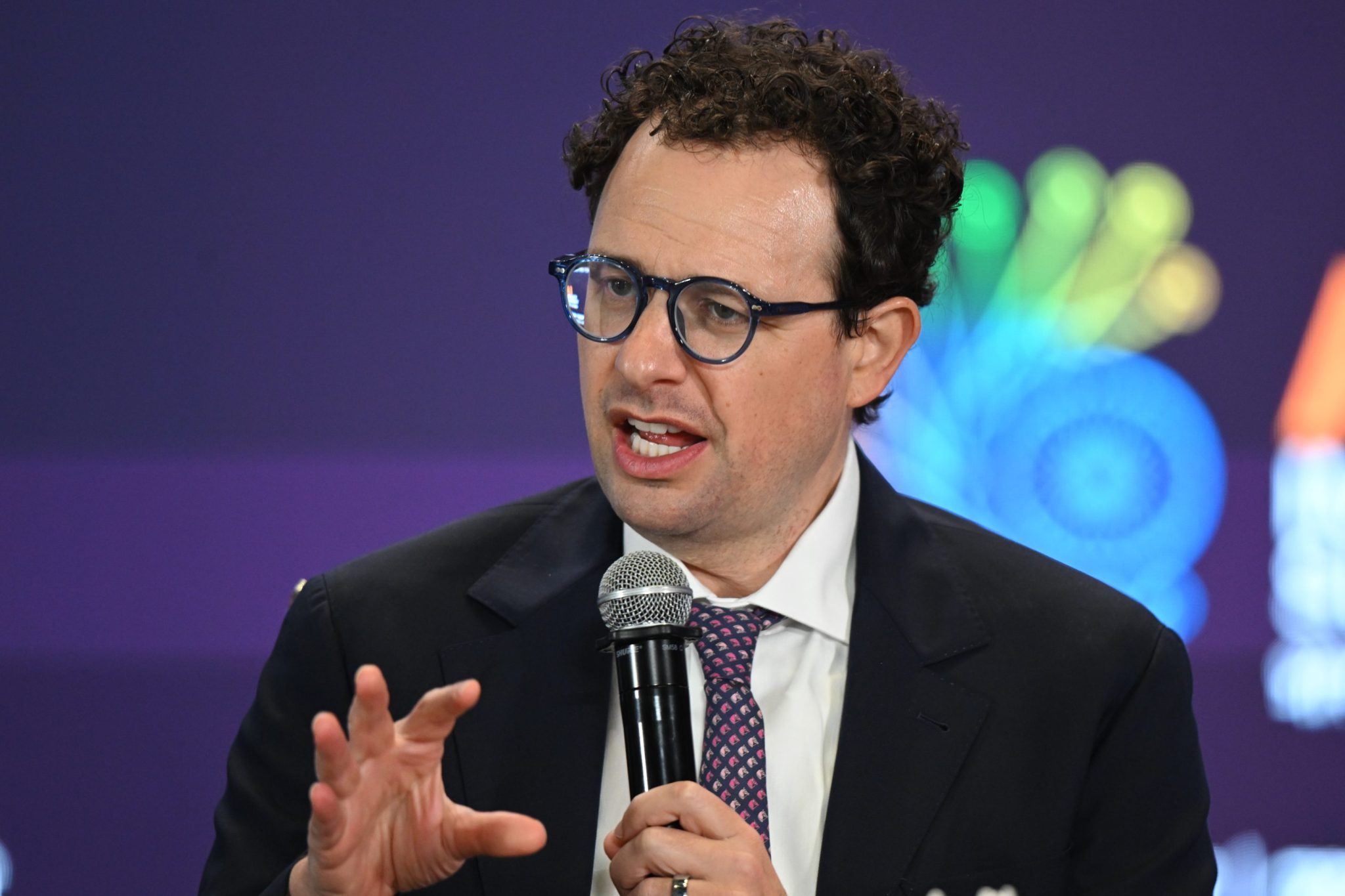
For Google, the tournament is a chance to demonstrate that its AI investments provide tangible user benefits — not just flashy demos. Marvin Chow, Google’s vice president of consumer and AI marketing, emphasized that many features are intentionally subtle. Players, for instance, use Google’s AI tools to research new cities, find restaurants, and plan activities — mundane tasks that nonetheless build brand loyalty.
RapidSOS CTO Zach LaValley noted that the influx of foreign visitors creates unique public-safety challenges. AI-driven transcription lets 911 operators identify languages and find translators in seconds instead of minutes, potentially saving lives during emergencies.
Market Implications: A New Revenue Stream for Tech Giants
The World Cup partnership model opens a lucrative channel for tech companies. Lenovo’s deal with FIFA, announced in October 2024, likely cost tens of millions of dollars but positions the PC maker as a serious enterprise AI player beyond hardware. Google’s team-level deals — reportedly in the low millions per squad — give it exclusive access to players and coaches for product placement and data collection.
Sportradar expects the 2026 World Cup to be the biggest betting event in history, with $50 billion in total turnover. Its AI systems flag suspicious betting patterns, then pass potential match-fixing cases to human investigators. This integrity service is critical for FIFA and leagues worldwide, and Sportradar’s technology could become a standard requirement for major sporting events.
For smaller companies like RapidSOS, the World Cup offers a global stage to prove their technology works under extreme conditions. Success here could lead to contracts with other mega-events — the Olympics, Super Bowl, or even political conventions.
Competitive Context: A Fragmented Field of AI Services
Unlike previous World Cups where a single technology partner (e.g., Sony, Panasonic) handled most infrastructure, the 2026 tournament features multiple tech companies offering specialized AI services. This fragmentation mirrors the broader enterprise AI market, where no single vendor dominates.
Lenovo focuses on team-facing tools: AI assistants for coaches, video analysis for referees, and mobile devices for operations staff. Google targets both teams and consumers with search, maps, and ticketing AI. Salesforce handles internal communication, Verizon owns the network layer, and RapidSOS manages emergency response.
The lack of a unified AI platform could create integration headaches. But it also gives FIFA redundancy — if one system fails, others can compensate. Lenovo’s Hu noted that the company worked closely with FIFA to ensure all partner technologies interoperate, though details on the integration architecture remain sparse.
What’s Next: From 2026 to 2027 and Beyond
Google’s AI agents for ticket booking are still in pilot mode, but Chow expects them to be fully ready by the 2027 FIFA Women’s World Cup in Brazil. That timeline suggests that consumer-facing AI agents will move from experimental to mainstream within the next year.
Lenovo’s Football AI Pro will accumulate more data as matches are played, improving its recommendations over time. The tool is available to all 48 teams, but usage varies — some squads may lean heavily on data, while others rely on traditional coaching intuition.
For RapidSOS, the goal is to expand its AI translation to more 911 centers and stadiums permanently, not just for the World Cup. The company’s work during the tournament could lead to permanent integration with public-safety agencies across North America.
What This Means for the Industry
For Investors: The World Cup demonstrates that AI can generate real revenue in high-profile, real-world settings. Companies like Lenovo and Google are using the event to upsell enterprise AI services to sports organizations, which could become a new $500 million+ annual market.
For Competitors: Amazon, Microsoft, and Meta will likely pursue similar partnerships for the 2026 World Cup’s successors and other mega-events. Expect more AI-for-sports vendor announcements in 2027.
For the Tech Industry Broadly: The tournament proves that AI integration at scale is operationally feasible — even in chaotic, multilingual, multi-country environments. This bodes well for AI adoption in other complex domains like disaster response, healthcare logistics, and global supply chains.
Frequently Asked Questions
What AI tools is Lenovo providing for the World Cup? Lenovo offers Football AI Pro, a generative AI tool that analyzes past and real-time data; an AI assistant for all 48 teams; and AI-enabled mobile devices for operations staff.
How is Google using AI during the tournament? Google’s AI-powered search shows interactive graphics for game tactics, Maps/Waze integrates stadium data and live scores, and the company is testing AI agents that can autonomously book tickets.
Which companies are involved beyond Lenovo and Google? Salesforce (Slack for workforce management), Verizon (network connectivity), RapidSOS (AI translation for 911 calls), and Sportradar (AI for detecting match-fixing) are also participating.
How much money is expected to be bet on the 2026 World Cup? Sportradar predicts $50 billion in total betting turnover, making it the largest betting event in history.
Will AI agents be able to buy tickets for fans? Google is piloting agentic ticket booking, but it remains in early stages. The feature is expected to be fully ready by the 2027 Women’s World Cup.
What happens to the AI data after the tournament ends? Lenovo’s Football AI Pro will retain data for future analysis, and teams can choose how much to rely on it. RapidSOS plans to expand its AI translation system to more public-safety agencies permanently.
Conclusion
The 2026 World Cup is more than a sporting event — it is a live-fire test for AI at a global scale. Lenovo, Google, and a handful of other tech companies are using the tournament to showcase their tools, build brand trust, and lay groundwork for future revenue. The results will influence how AI is deployed at every major event for years to come.







Dołącz do dyskusji
Which AI tool at the World Cup do you think will have the biggest lasting impact?