

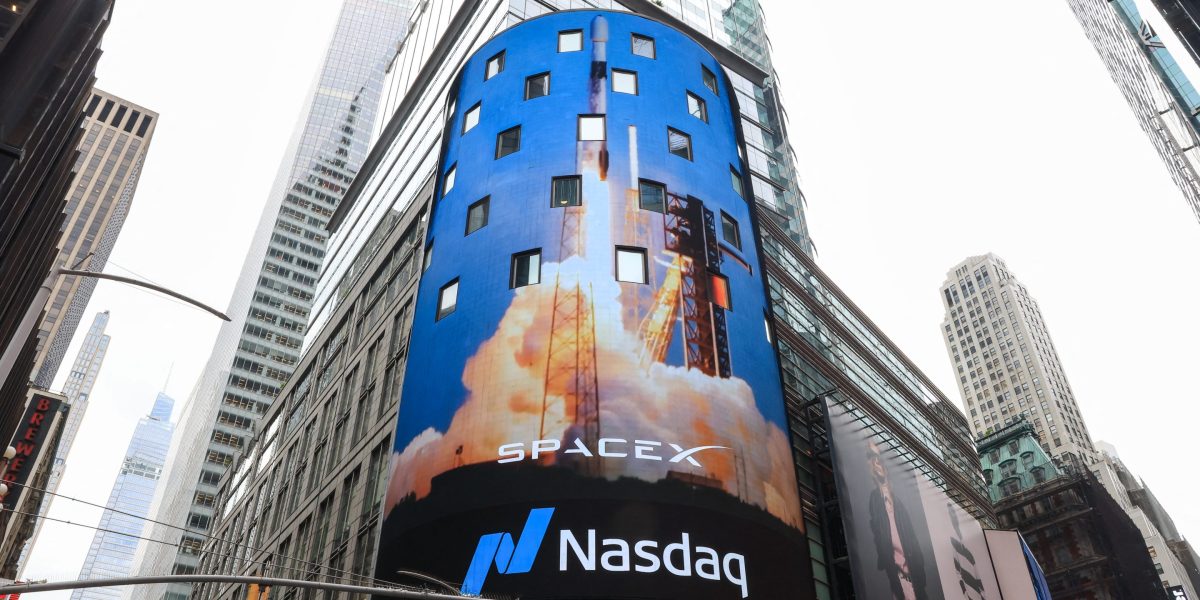
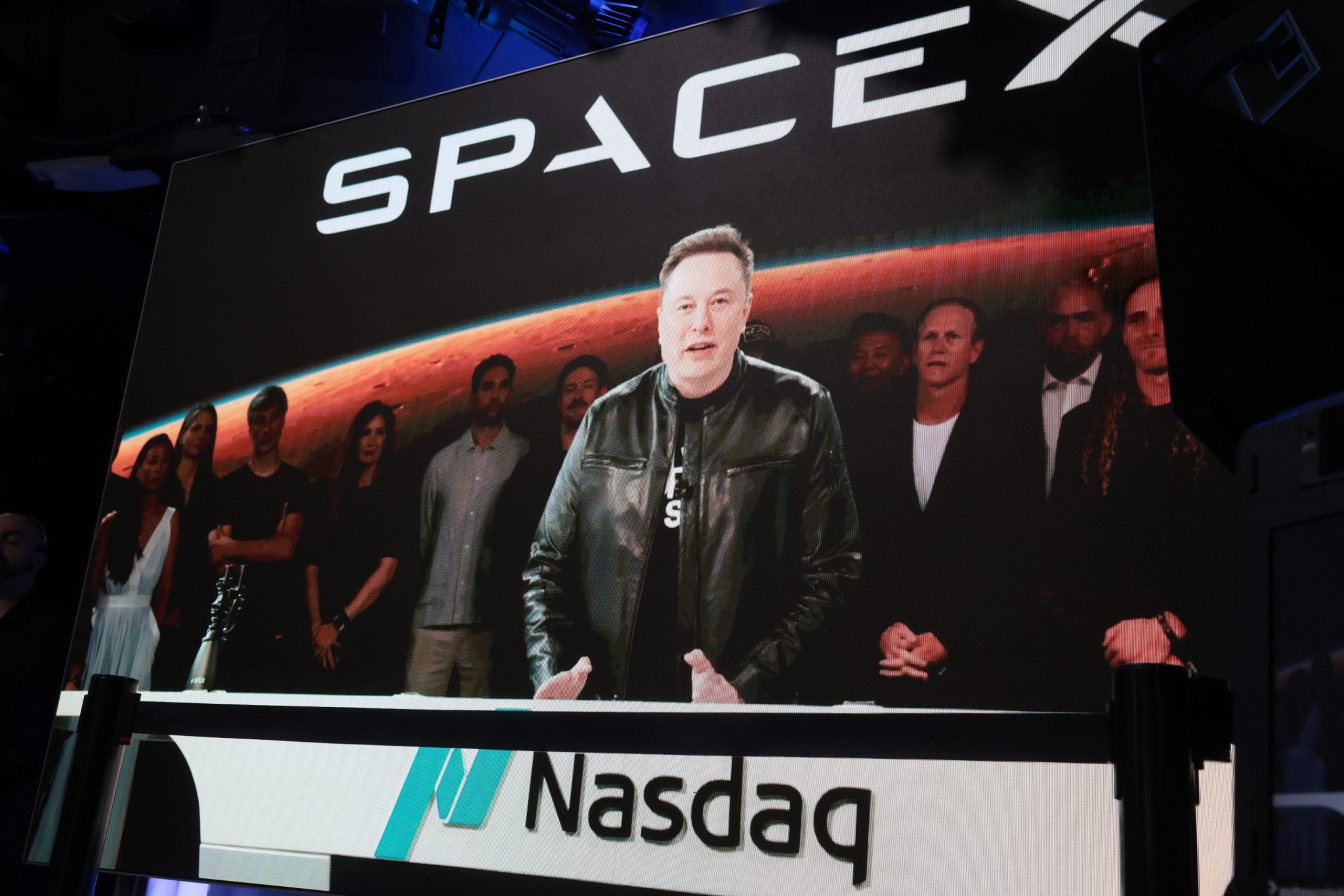
SpaceX priced its initial public offering at a $1.77 trillion valuation, making it the largest IPO in history. The aerospace company’s offering of $75 billion in shares drew massive demand from institutional investors like BlackRock and a significant retail allocation, despite widespread skepticism about its profitability and governance.
- The Biggest IPO Ever
- Governance Structure That Defies Norms
- Why Investors Are Buying the Vision
- What This Means for the Industry
- Frequently Asked Questions
- Conclusion
The Biggest IPO Ever
SpaceX’s public debut on the Nasdaq dwarfs every previous IPO by a wide margin. The company sold roughly 4% of its equity at a price that values the Elon Musk-led enterprise at $1.77 trillion — more than the combined market caps of Boeing, Lockheed Martin, and Northrop Grumman. BlackRock alone reportedly placed a $5 billion order for shares.
The valuation stands in stark contrast to independent assessments. Morningstar analysts valued the stock at $63 per share, 53% below the IPO price. The company also disclosed that more than three-quarters of the capital raised will go toward debt repayment rather than growth initiatives.
Governance Structure That Defies Norms
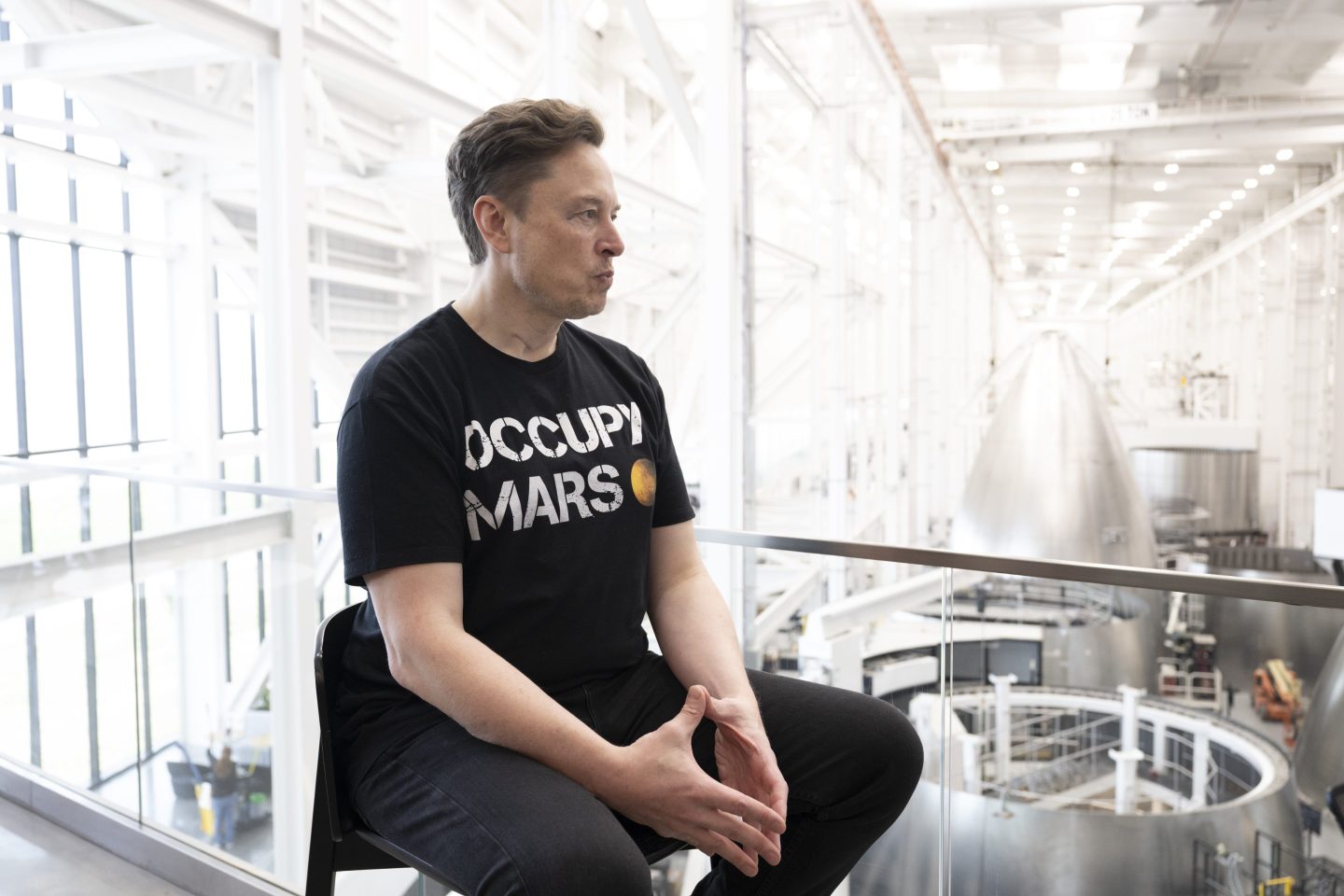
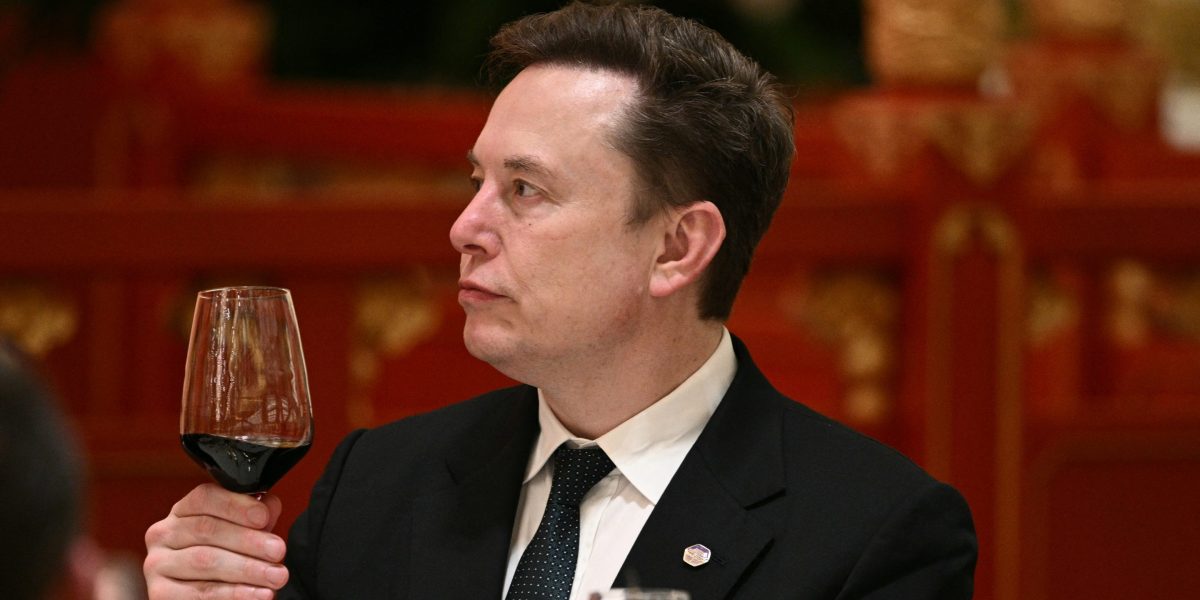
SpaceX’s IPO prospectus revealed a dual-class share structure that grants Musk near-total control. The most striking provision: Musk cannot be fired as CEO under any circumstances. Governance experts have criticized the arrangement as unprecedented for a company of this size.
According to a Fortune report, the structure mirrors the dual-class pattern popularized by Google’s 2004 IPO, but takes it further. Google’s founders wrote in their IPO letter, “Google is not a conventional company. We do not intend to become one.” SpaceX appears to be following that playbook to its logical extreme — giving shareholders virtually no say in how the company is run.
The offering also allocated 30% of shares to retail investors, a ratio far above typical institutional-heavy IPOs. That move reflects Musk’s ability to cultivate a loyal base of individual investors who buy into his long-term vision.
Why Investors Are Buying the Vision
Analysts calculate that SpaceX would need to generate $1.1 trillion in revenue and $250 billion in profits to justify its current market cap. The company has not turned a profit in recent years. Yet the IPO was oversubscribed within hours.
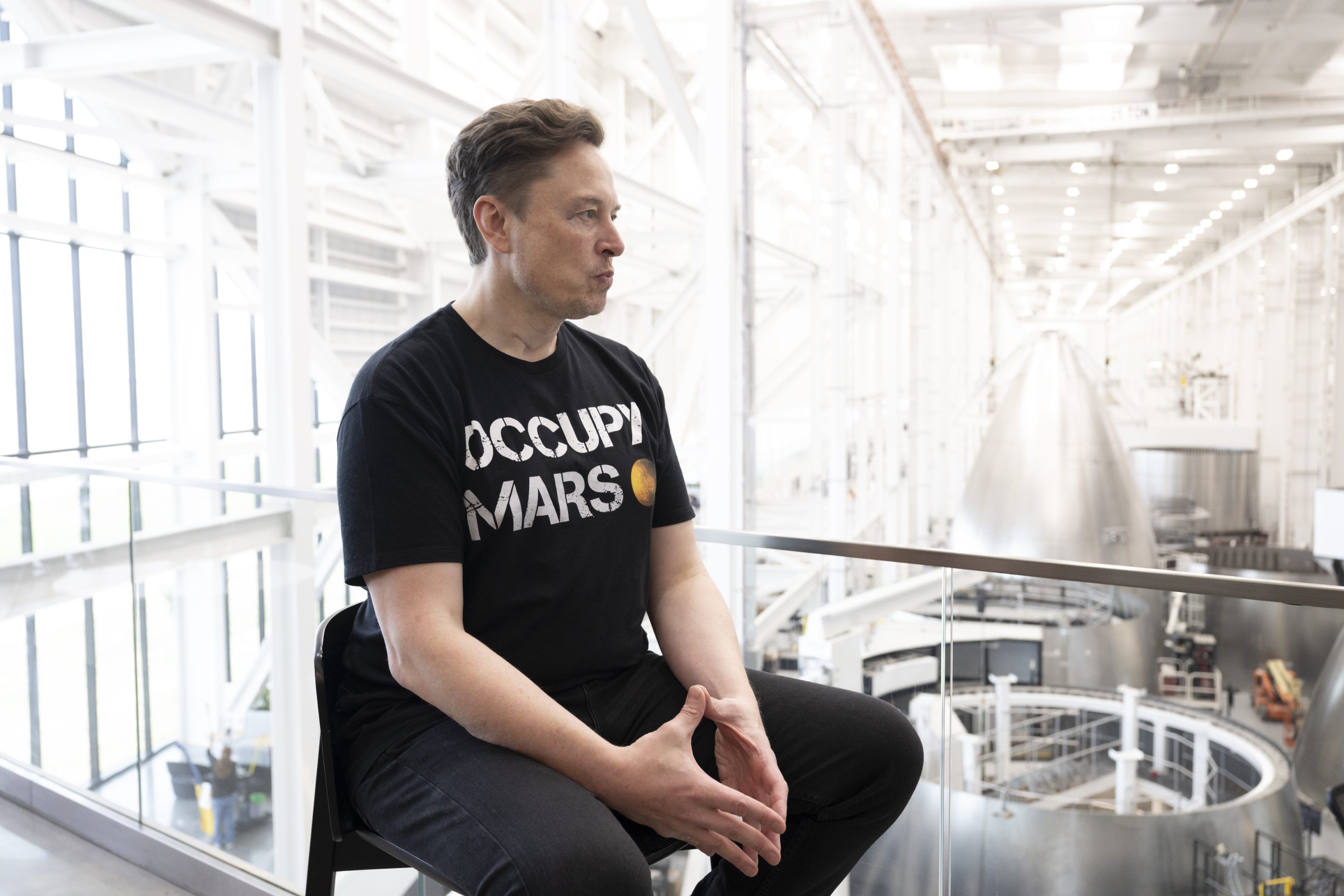
The answer lies in narrative and personality. Musk’s publicly stated ambition to make humanity multi-planetary — putting a million people on Mars — has proven to be an astonishingly effective marketing tool. Investors are not buying financial statements; they are buying a story of technological destiny.
Musk’s own persona amplifies the effect. His unorthodox management style, high-risk ventures, and willingness to court controversy make him one of the most recognizable CEOs in the world. That visibility has translated directly into investor enthusiasm, even when the numbers don’t add up.
What This Means for the Industry
The SpaceX IPO sends a powerful signal to the broader IPO market. It demonstrates that a money-losing company with extraordinary governance provisions can still achieve a record valuation if it has a compelling narrative and a charismatic founder.
Dual-class structures are already common among tech IPOs. SpaceX’s success will likely embolden other companies to adopt even more founder-friendly provisions. Investors who focus on governance risk may find themselves increasingly sidelined as the market rewards vision over oversight.
The IPO also highlights the growing influence of retail investors. By allocating nearly a third of shares to individuals, SpaceX tapped into a base of supporters who are less concerned with near-term financials and more aligned with long-term aspirations. This model could reshape how future IPOs are structured, especially for high-profile technology companies.
For competitors in aerospace and satellite communications, SpaceX now has access to public capital markets at an unprecedented scale. The company can use its stock as currency for acquisitions and talent retention, putting pressure on rivals to either go public themselves or find alternative funding sources.
Frequently Asked Questions
How large is the SpaceX IPO? The IPO raised approximately $75 billion by selling a small fraction of the company’s shares, giving it a market capitalization of $1.77 trillion — the largest in history.
Why is the valuation so high despite losses? Investors are betting on SpaceX’s future potential rather than current financials. The company’s Starlink satellite internet business, Starship rocket program, and Musk’s vision of Mars colonization drive speculative demand.
Can Elon Musk be removed as CEO? No. The dual-class share structure ensures that Musk retains control of the board and cannot be fired, a provision that governance experts have sharply criticized.
How much of the offering went to retail investors? SpaceX allocated 30% of the shares to individual investors, significantly higher than the typical 10–20% for large tech IPOs.
What are the risks for investors? Key risks include a valuation that Morningstar says is over 50% above fair value, heavy debt use, reliance on government contracts, and founder dominance that limits shareholder recourse.
What does this mean for other tech IPOs? The IPO validates founder-controlled structures and the power of narrative in public markets. Expect more companies to adopt dual-class shares and emphasize grand visions over short-term profitability in their prospectuses.
Conclusion
SpaceX’s IPO is a landmark event that redefines the boundaries of public market fundraising. It proves that a well-told story, combined with a charismatic founder, can override traditional valuation metrics and governance concerns. As more companies study this playbook, the IPO landscape may shift toward vision-driven offerings where investors bet on personalities as much as business fundamentals.


Komentarze