
Supply chain executives are racing to adopt AI, with 61% expecting it to transform their operations. But a new survey reveals that over 70% of Americans think AI is moving too fast, and 51% fear job loss. That disconnect could derail warehouse automation efforts before they even begin.
- The Executive View: AI as the Ultimate Fix
- The Public's Fear: Job Loss and Inequality
- Why the Gap Matters for Warehouse Automation
- How to Bridge the Divide: A Playbook for Leaders
- What This Means for Automation Buyers
- Frequently Asked Questions
- Conclusion
The Executive View: AI as the Ultimate Fix
Supply chain leaders overwhelmingly see AI (artificial intelligence) as a game-changer for efficiency, resilience, and cost control. The "2026 MHI Annual Industry Report," produced by MHI and Deloitte from a survey of over 500 supply chain executives, found that 61% of respondents believe AI will either transform the supply chain or drive major improvements. A striking 65% of companies are planning to invest in AI, and 41% say they are already using it — with another 47% expecting to adopt it within five years.
The enthusiasm is grounded in concrete results. Korhan Acar, a partner at Kearney, shared a telling comparison: an algorithm he wrote during his master's degree to schedule dock doors at less-than-truckload terminals used to take two days to run. When he recently solved the same problem with AI, it took three seconds. That speed gain — from 48 hours to three seconds — explains why nearly a third of executives expect AI to enhance demand and inventory optimization, while 30% believe it will improve predictive maintenance and equipment reliability. Another 27% hope to automate operational decision-making entirely.
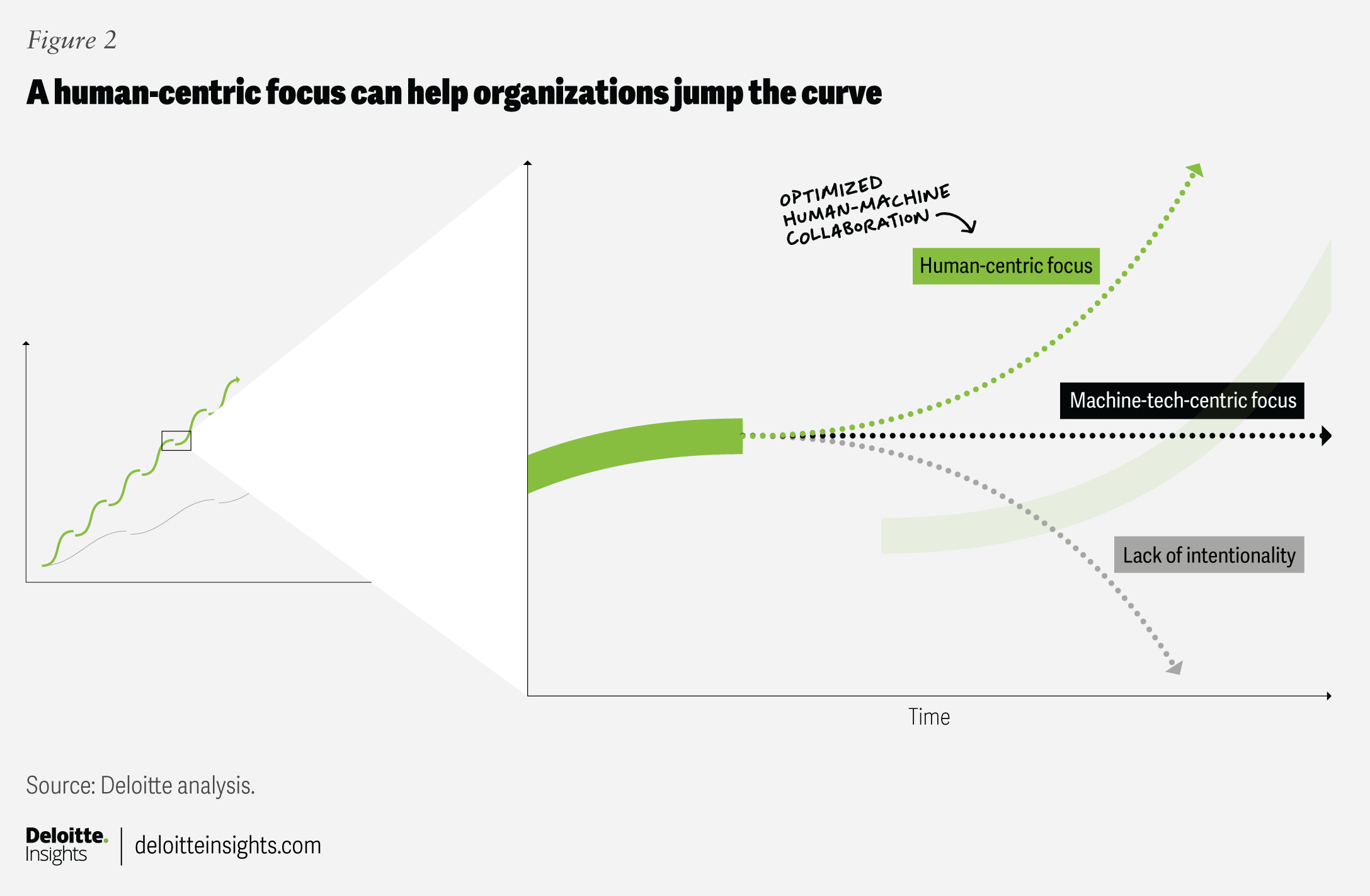
The Public's Fear: Job Loss and Inequality
Meanwhile, American workers and the general public view AI with deep skepticism and outright fear. A May 2026 survey from YouGov and The Economist, polling over 1,500 U.S. adults, paints a starkly different picture. A little more than half of respondents said they are pessimistic about AI's long-term impact on society, compared to only 25% who are optimistic (24% were unsure). More than 70% believe the pace of AI development is too fast, and 63% doubt that AI will produce economic gains for everyone. Most critically for warehouse operators: 51% are very or somewhat worried that AI will replace jobs.
The tables below capture the clash in perspectives:
| Survey Group | View on AI | Key Stat |
|---|---|---|
| Supply chain executives (MHI/Deloitte) | Highly optimistic | 61% expect transformation |
| General U.S. adults (YouGov/Economist) | Highly pessimistic | 51% worry about job loss |
| Adoption vs Fear | % |
|---|---|
| Execs already using AI | 41% |
| Public saying AI moves too fast | 71% |
| Execs planning AI investment | 65% |
| Public doubting broad economic gains | 63% |
The same technology that executives see as an enabler for resilience and cost control is, in the public's mind, associated with job loss and unfair economic gains. In other words, the people deciding to buy AI are far more optimistic than the people who will have to live with its consequences.
Why the Gap Matters for Warehouse Automation
This disconnect isn't a media problem — it's a management problem that directly threatens successful AI adoption in warehouses. Your employees and partners don't leave those headlines at the door; they bring their fears into your facility. If you ignore those fears, you risk low adoption, disengagement, and even active resistance.
The stakes are high because warehouse automation often involves technologies like collaborative robots (cobots), autonomous mobile robots (AMRs), and AI-powered warehouse management systems (WMS) — all of which change how people work. A worker who believes their job will disappear has little incentive to learn new tools or embrace process changes. And when AI systems fail (as they inevitably do in early deployments), a skeptical workforce is far less likely to help troubleshoot and improve them.
The gap also creates a strategic paradox: the companies most enthusiastic about AI are the ones whose workforces are most vulnerable to the negative narrative. If you're planning to deploy AI-powered picking systems or autonomous forklifts, you can't afford to ignore the human dimension.
How to Bridge the Divide: A Playbook for Leaders
The source article offers a clear path forward: acknowledge fears, be transparent about task displacement, reinvest productivity gains, and give front-line employees a voice. Here's what that looks like in practice:
- Be explicit about where AI will and will not replace tasks. Don't promise "no job losses" if that's unrealistic. Instead, explain which roles will be augmented vs. eliminated, and what new roles will emerge.
- Share how productivity gains will be reinvested. Will savings go toward higher wages, improved safety, or new employee opportunities? Workers need to see personal benefit, not just corporate profit.
- Give front-line employees a voice in deployment. Let them test AI tools, provide feedback, and shape how automation integrates into their workflow. People support what they help create.
- Offer retraining and upskilling programs. If AI eliminates certain manual tasks, provide clear paths to higher-value roles like system monitoring or exception handling.
A Deloitte study found that companies with strong change management programs achieve 2.5x higher ROI from AI implementations. The gap between executive optimism and worker fear is real — but it's also bridgeable with deliberate leadership.
What This Means for Automation Buyers
For warehouse operators and supply chain professionals, the lesson is clear: technology adoption is as much about people as it is about hardware. Before you purchase an AI-powered sorting system or autonomous mobile robot, you need a change management plan. Your investment in used cobots for sale on Botmarket or used industrial robots will only pay off if your workforce is on board.
Key factors to address before implementation:
- Pilot first — choose one zone or shift to demonstrate AI's value to skeptical workers
- Communicate early and often — explain how AI will change (not eliminate) jobs
- Measure employee sentiment — track trust levels before, during, and after deployment
Frequently Asked Questions
Will AI replace warehouse jobs?
Some tasks will be automated, but AI is more likely to augment workers than replace them entirely. The MHI survey found that 41% of executives are already using AI, yet warehouse employment continues to grow. The key is that AI handles repetitive, data-intensive tasks while humans focus on exceptions, problem-solving, and oversight.
How can companies address worker fears about AI?
The most effective approach is transparency: explain which tasks will change, reinvest productivity gains in wages or safety, and give workers a say in how AI is deployed. Companies that ignore employee concerns risk low adoption and retention, as highlighted by the gap between the two surveys.
What percentage of supply chain companies are using AI today?
According to the "2026 MHI Annual Industry Report," 41% of surveyed companies are using AI currently, and another 47% expect to adopt it within five years. That means nearly 90% of supply chain companies plan to have AI in place by 2031.
What do Americans think about AI's speed of development?
The YouGov/Economist survey found that more than 70% of U.S. adults believe the pace of AI development is too fast, and a slight majority (51%) are pessimistic about its long-term impact on society.
Are there any benefits for workers from AI adoption?
Yes — but only if companies intentionally reinvest gains. The source article advises sharing how productivity improvements will fund higher wages, better safety, or new career opportunities. Without that reinvestment, workers see AI as a threat to their livelihood rather than a tool for improvement.
Does public opinion affect actual AI deployment in warehouses?
Absolutely. Employee skepticism directly impacts adoption rates, training success, and retention. If workers resist AI systems, the expected productivity gains may never materialize. Leaders who ignore the human dimension risk failed implementations.
Conclusion
The divide between executive AI enthusiasm and public fear isn't just a survey artifact — it's a real operational risk. The same technology that can cut algorithm runtimes from two days to three seconds also triggers anxiety about job loss and inequality. Supply chain leaders who acknowledge that gap, communicate transparently, and give workers a stake in the outcome will be the ones who actually capture AI's potential. Those who ignore it will find that the best AI system in the world can't compensate for an alienated workforce.










Присоединяйтесь к обсуждению
Has AI skepticism from workers ever slowed a tech rollout in your facility?