

In this week’s Video Friday, we spotlight an impressive achievement in humanoid robot learning: Digit, a bipedal robot from Agility Robotics, has acquired new whole-body dance capabilities overnight. This rapid skill acquisition is enabled by advanced AI training methods that leverage raw motion data and sim-to-real reinforcement learning. Alongside Digit’s feat, we review several other recent developments in robot learning, teleoperation, and human-robot interaction that illustrate the fast-evolving robotics landscape.
How Digit Learned to Dance Overnight
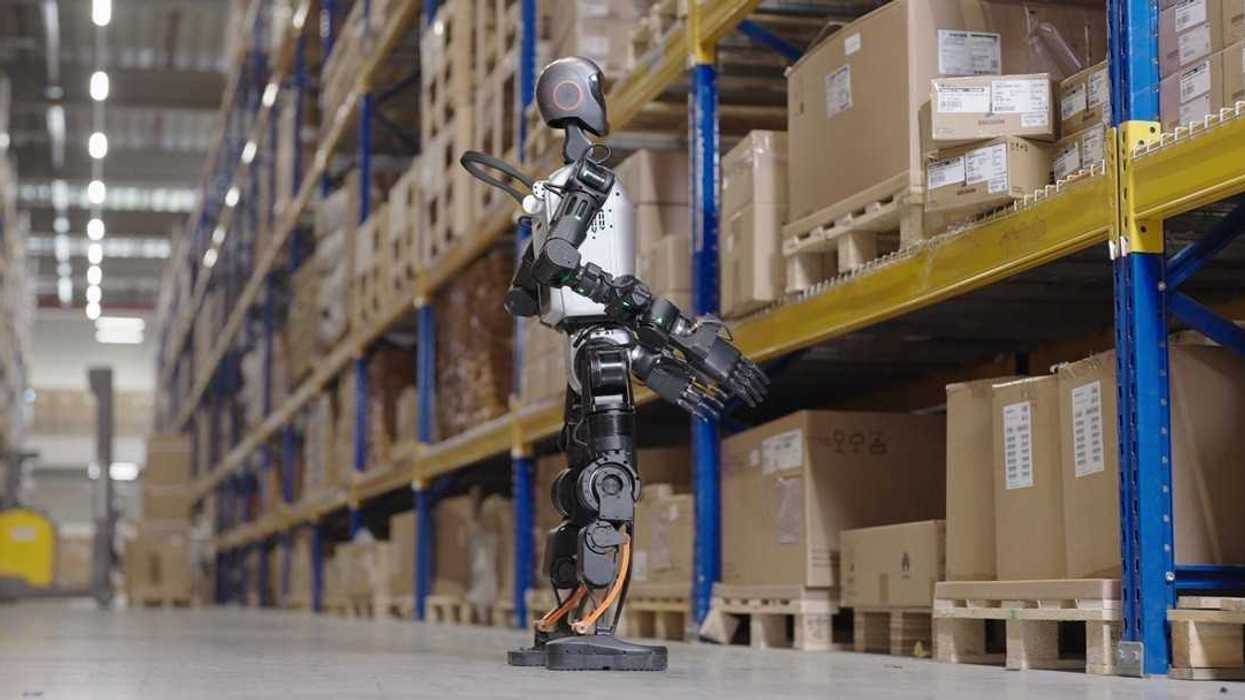
Digit’s ability to perform coordinated dance moves after just one night of training highlights a significant advancement in robot learning efficiency. Using raw motion capture data, animation inputs, and teleoperation demonstrations, Digit’s AI team applies sim-to-real reinforcement learning to rapidly develop whole-body control skills. This method enables Digit to master complex, dynamic movements without extensive manual programming.
The approach involves collecting diverse motion data that represents the desired behavior, then training Digit’s control policy in simulation before transferring it to the physical robot. The sim-to-real process accelerates learning while ensuring real-world applicability. This breakthrough demonstrates how humanoid robots can quickly adapt to new tasks requiring fluid, full-body coordination, opening doors to applications in entertainment, service, and human-robot interaction.
Explore humanoid robots on Botmarket
GEN-1: A New General-Purpose AI Model for Physical Tasks
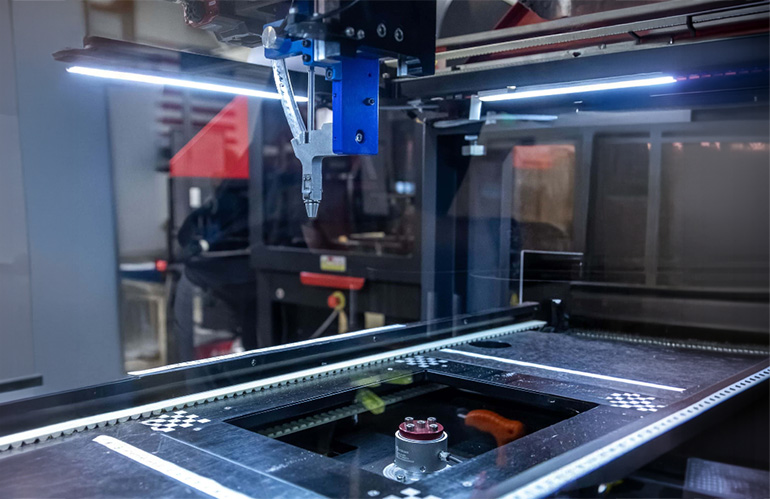
Building on advances like Digit’s learning, Generalist AI recently introduced GEN-1, a general-purpose AI model designed to handle simple physical tasks with high success rates. GEN-1 achieves a 99% average success rate on tasks where earlier models managed only 64%, and completes these tasks about three times faster. Remarkably, it requires only one hour of robot data per task for training.
GEN-1’s efficiency and versatility mark an important milestone toward commercial viability across many robotics applications. While it is not yet capable of solving all possible tasks, its performance leap signals progress toward generalist intelligence that can adapt across diverse physical environments, enabling robots to perform more autonomously in manufacturing, logistics, and service sectors.
Learn more about Generalist AI’s GEN-1
Unitree’s Open-Source Whole-Body Teleoperation Dataset
In support of research and development for humanoid robots, Unitree Robotics has open-sourced the UnifoLM-WBT-Dataset, a rich collection of whole-body teleoperation data for real-world environments. This dataset, publicly released in early March 2026, captures high-fidelity humanoid robot motion across complex tasks and diverse manipulation scenarios.
The dataset aims to become the most extensive of its kind, continuously updated with new demonstrations to cover a wide range of real-world conditions. By providing this resource openly, Unitree facilitates progress in robot learning, enabling researchers and developers to train and validate control algorithms more effectively for humanoid platforms.
Access the dataset on Hugging Face
Enhancing Robot Navigation with Mixed Reality Path Drawing
Autonomous mobile robots operating alongside humans in indoor spaces must navigate while respecting human spatial intentions, such as pedestrian flow and comfortable clearances. To address this, researchers have developed MRReP, a Mixed Reality-based interface that allows users to draw reference paths directly on the physical floor using hand gestures.
This intuitive method lets operators specify preferred robot paths in shared human environments, improving navigation safety and social compliance. By integrating human input through natural gestures, MRReP enhances the robot’s ability to coexist with people in dynamic indoor settings, such as offices, hospitals, and retail spaces.
Discover more innovations in mobile robots on Botmarket
Mirrorbot: Fostering Human Connection Through Autonomous Interaction
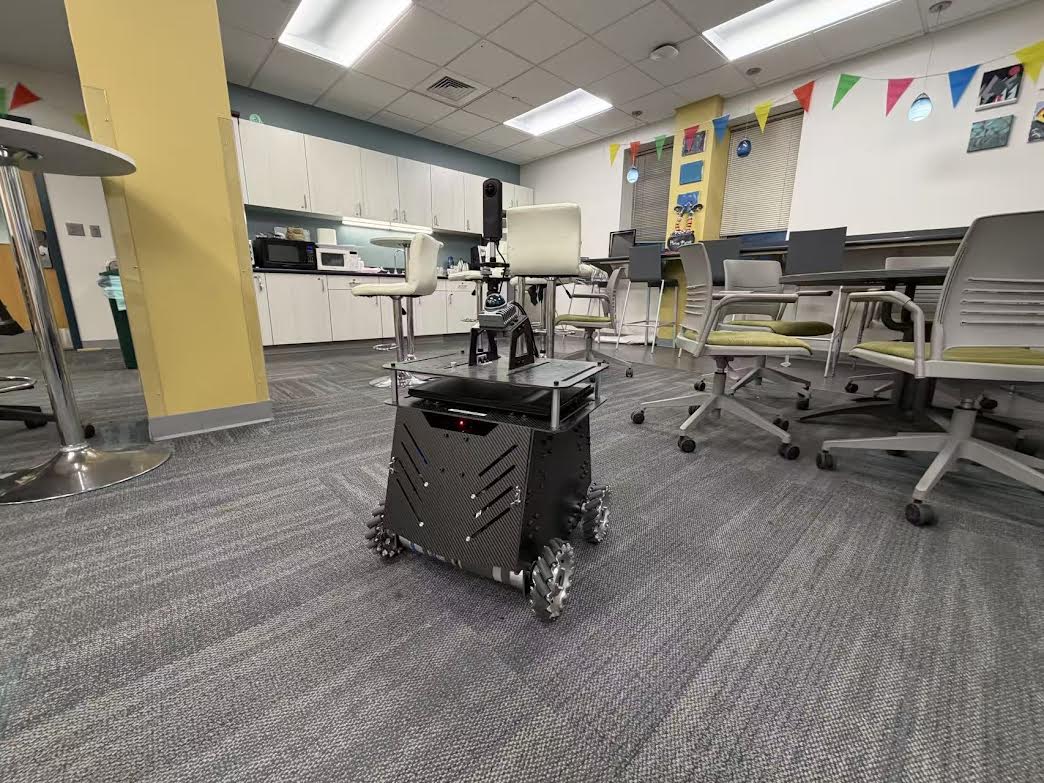
Eye contact is a fundamental human social cue that promotes connection and belonging. Mirrorbot, developed by Cornell University’s Autonomous Robotics Lab, uses autonomous navigation and adaptive mirror control to encourage spontaneous eye contact between strangers.
The robot dynamically shifts reflections from self-focused views to mutual recognition, facilitating nonverbal interactions that spark social awareness and playful engagement. This novel use of robotics explores how machines can enhance human social experiences in public spaces by creating moments of shared recognition.
What This Means for Buyers
These advancements illustrate how robotics technology is becoming more adaptable, efficient, and socially aware. For buyers considering humanoid or mobile robots, the rapid learning capabilities seen in Digit and GEN-1 suggest shorter deployment times and greater flexibility in task assignment. Access to open datasets like Unitree’s accelerates development, making it easier to customize robot behaviors for specific applications.
Interfaces like MRReP indicate growing ease of human-robot collaboration, improving safety and acceptance in environments where robots and people coexist. Social robots like Mirrorbot introduce new dimensions for customer engagement and public interaction. Buyers should evaluate robots not only on hardware but also on the AI and interface tools that enable seamless integration and dynamic task learning.
Browse humanoid and mobile robots on Botmarket
Conclusion
Digit’s overnight dance learning showcases the power of advanced AI and sim-to-real training in expanding humanoid robot capabilities rapidly. Along with breakthroughs like GEN-1’s generalist AI model, Unitree’s teleoperation dataset, and innovative interaction tools, these developments reflect a maturing robotics ecosystem. For industry stakeholders, these technologies promise more versatile, efficient, and human-friendly robots capable of tackling a broader array of tasks across sectors.

Komentarji