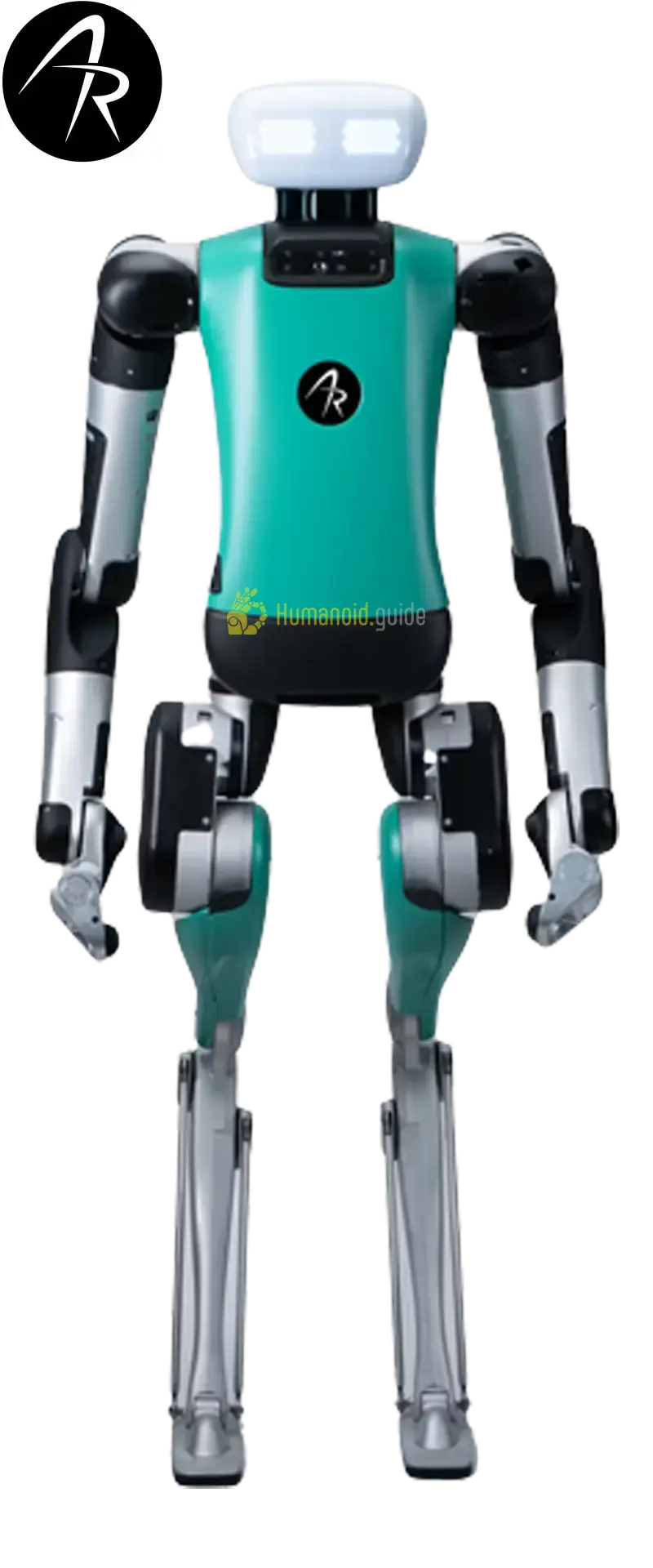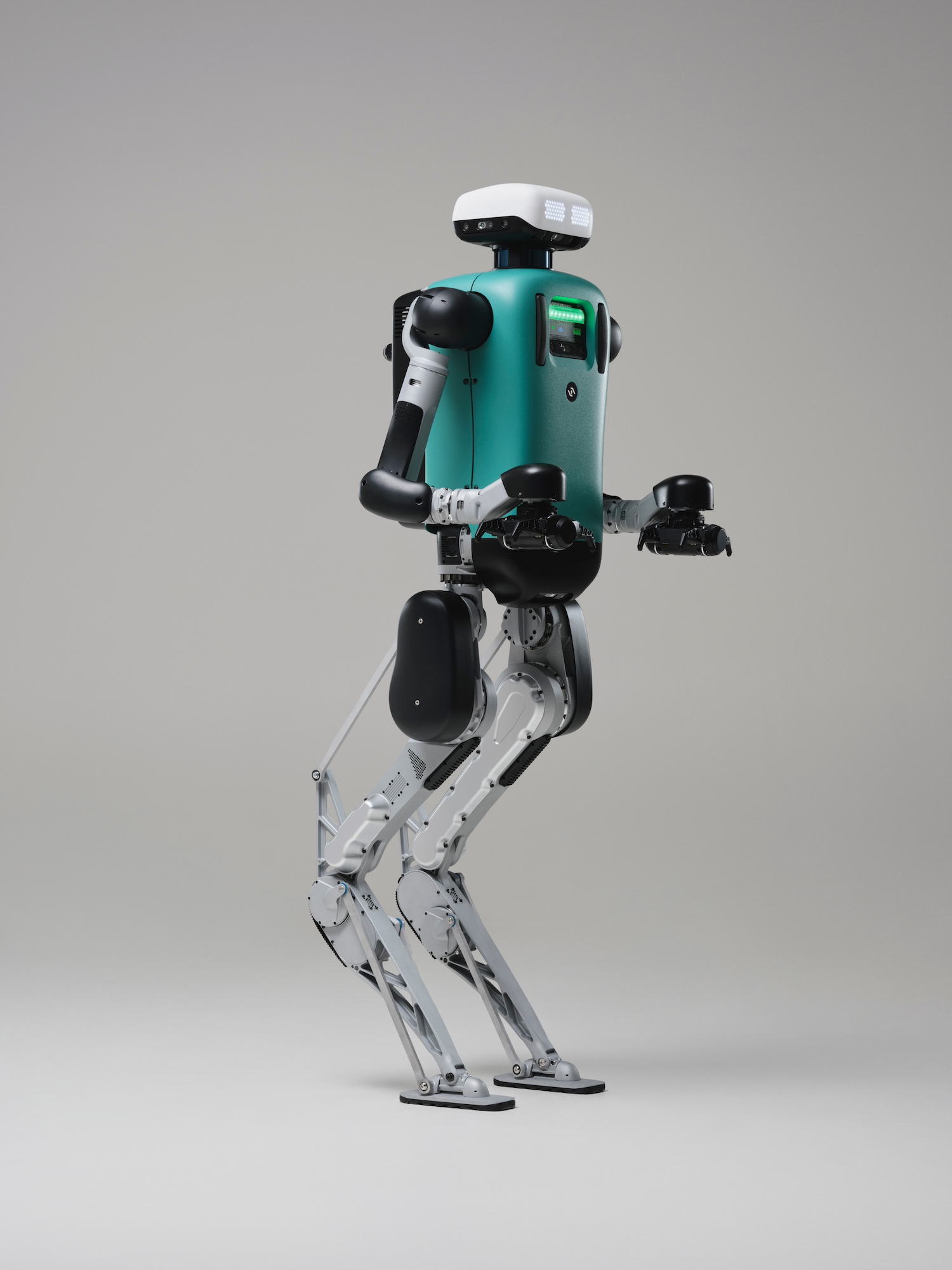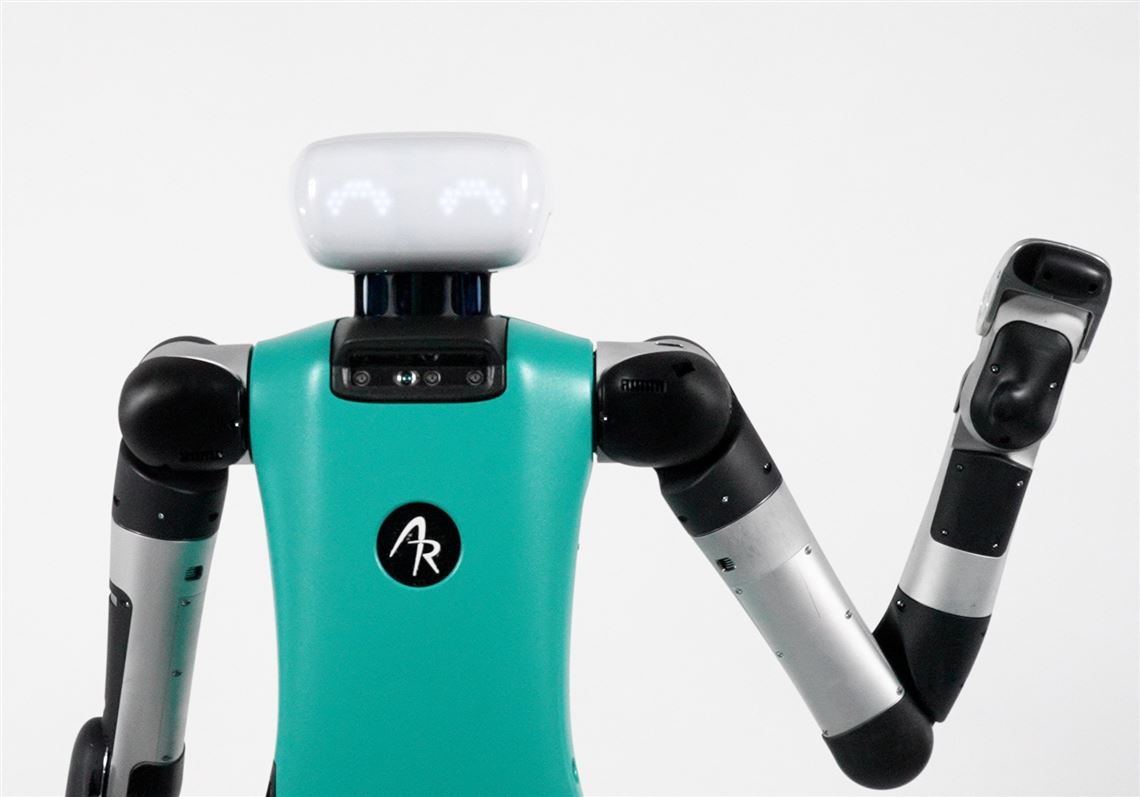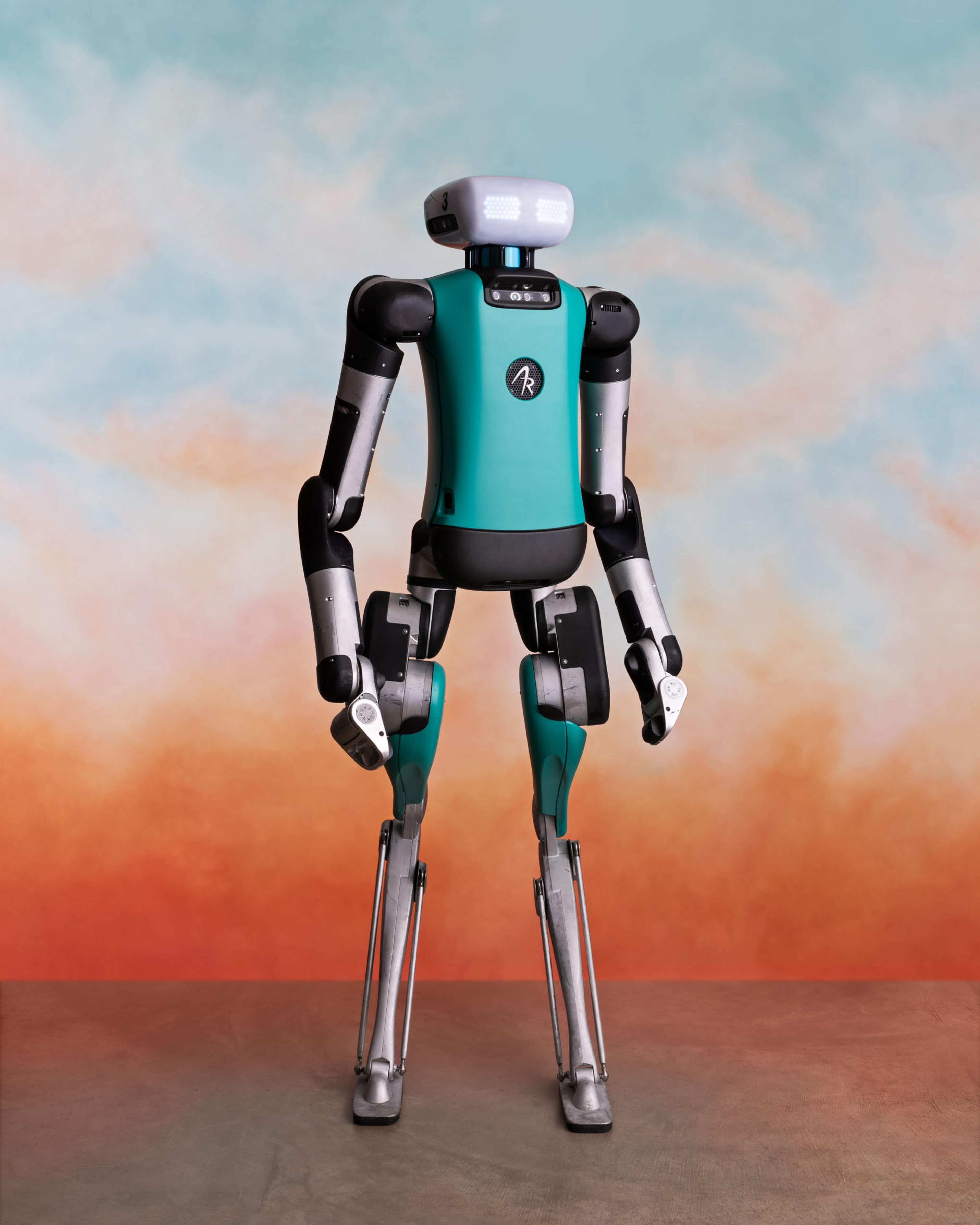
What is the Agility Digit?
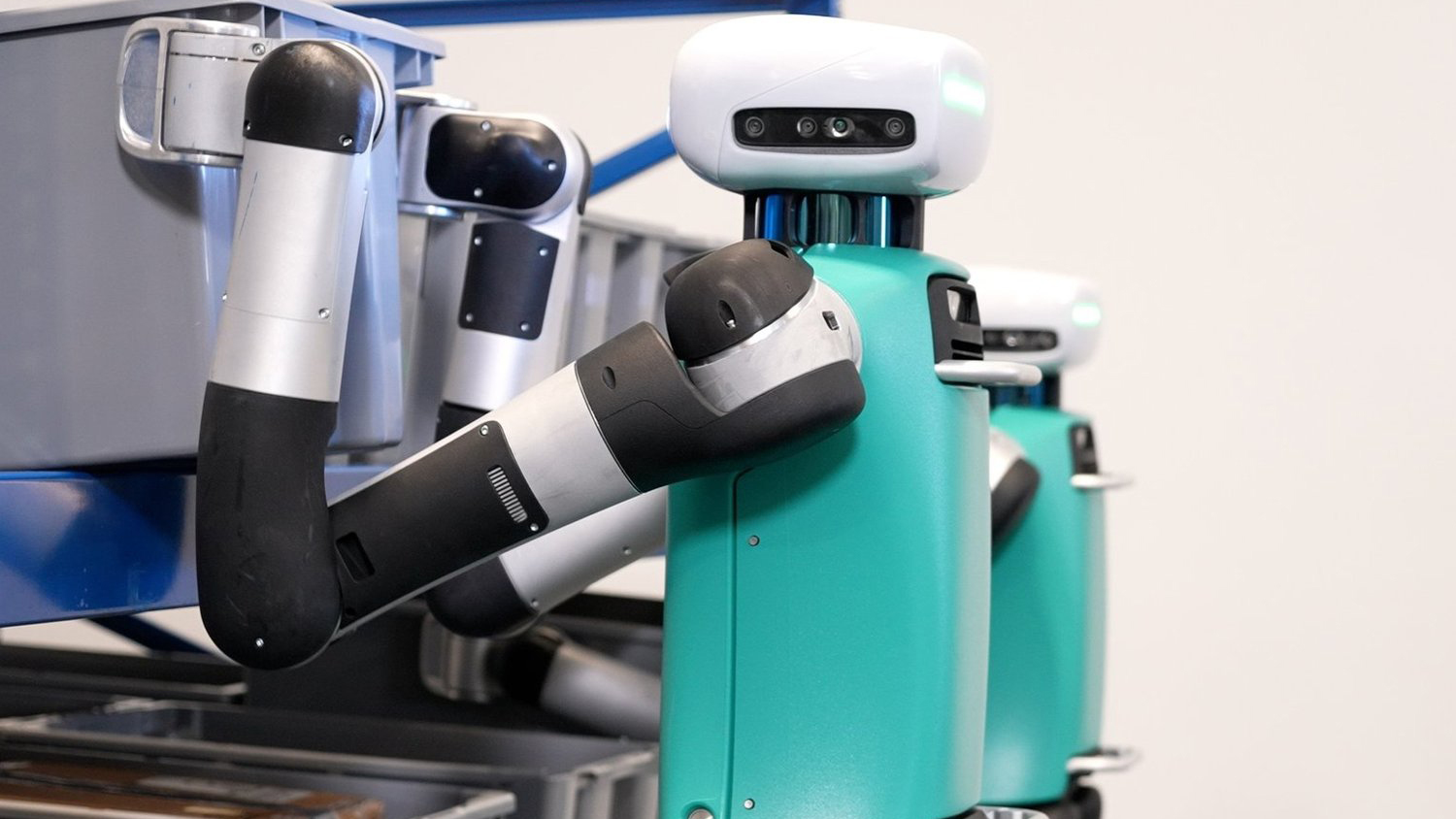
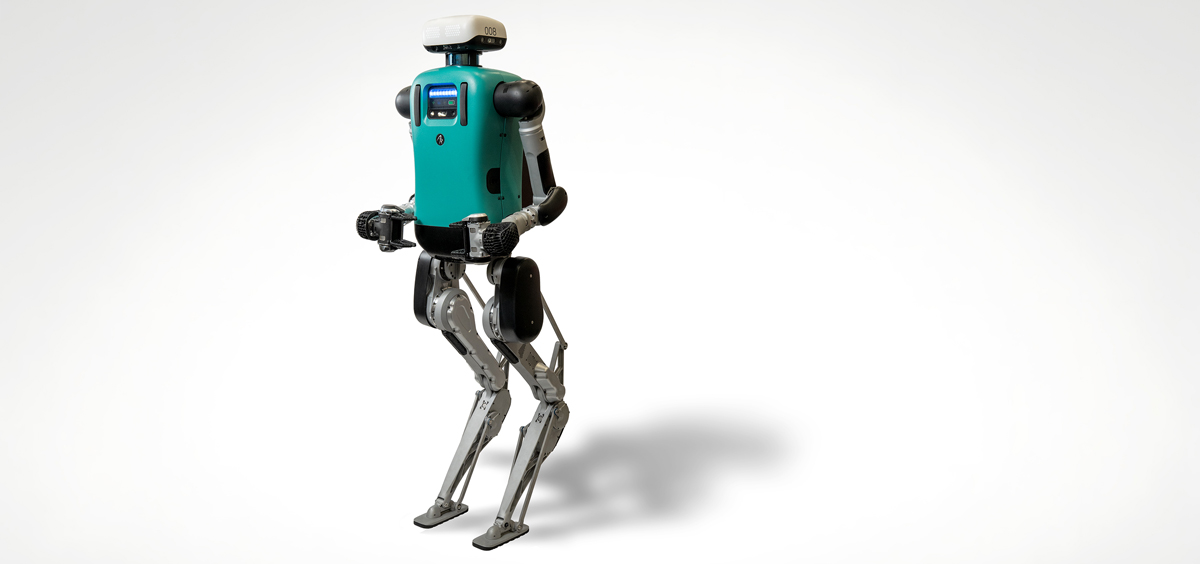
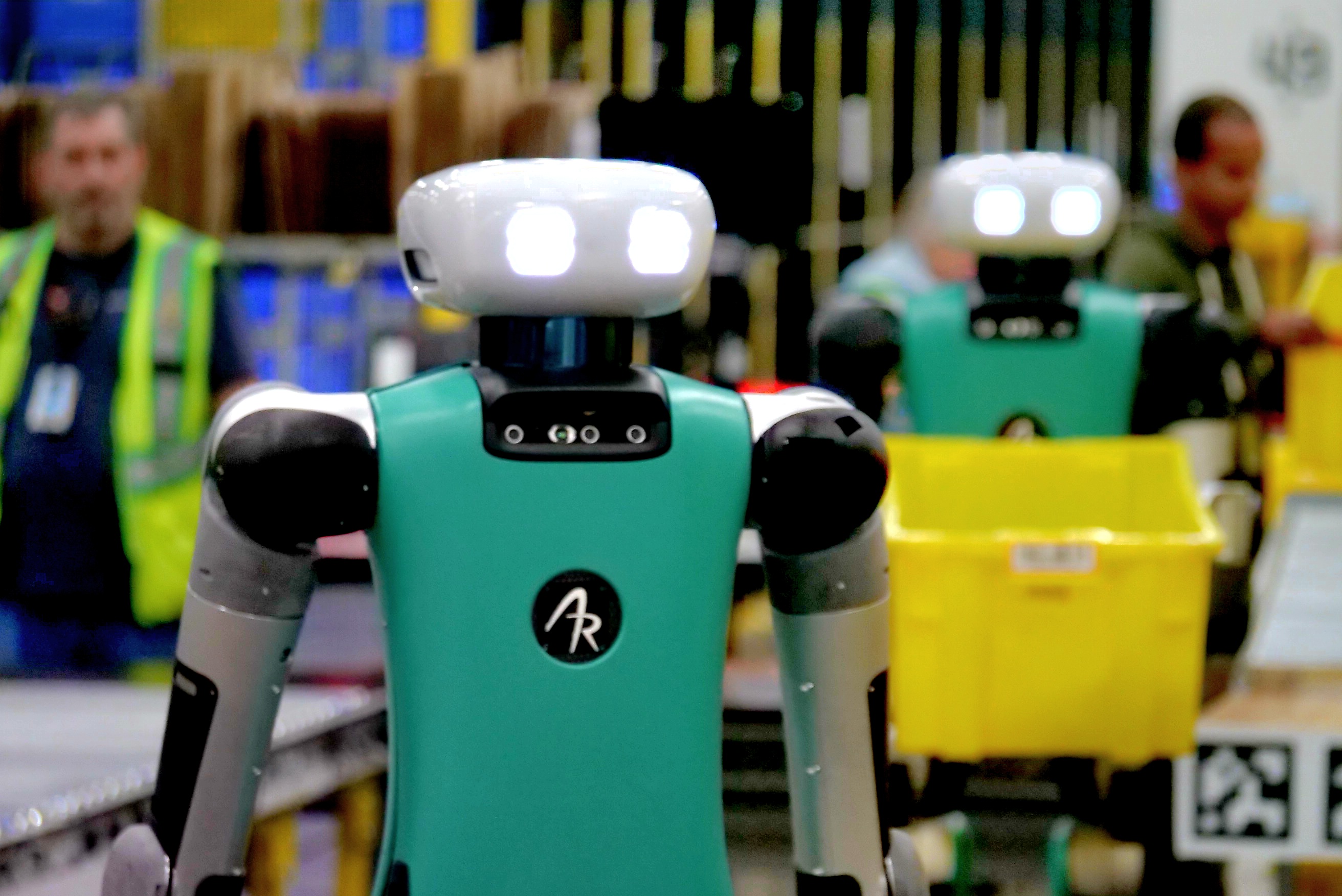
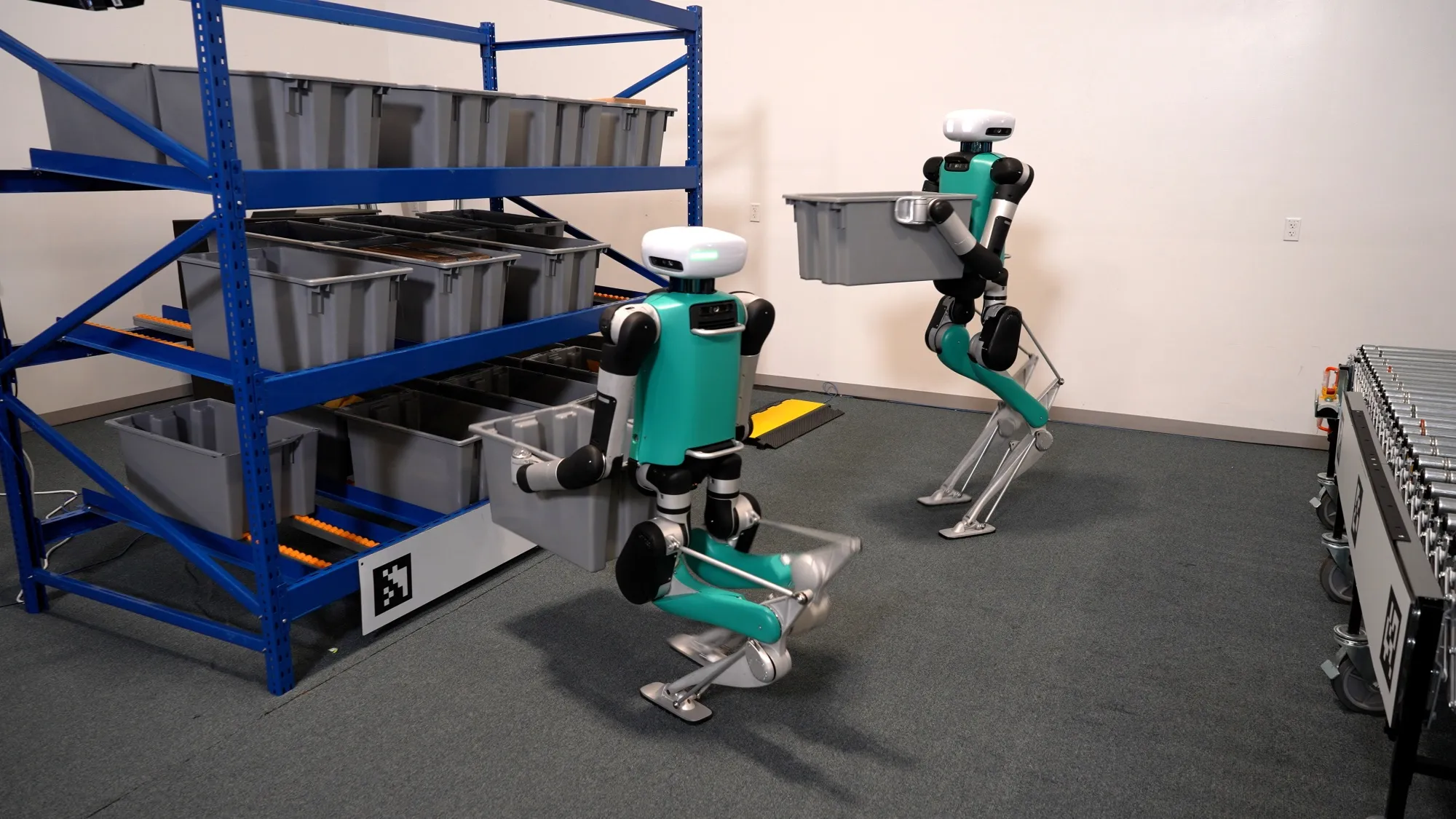
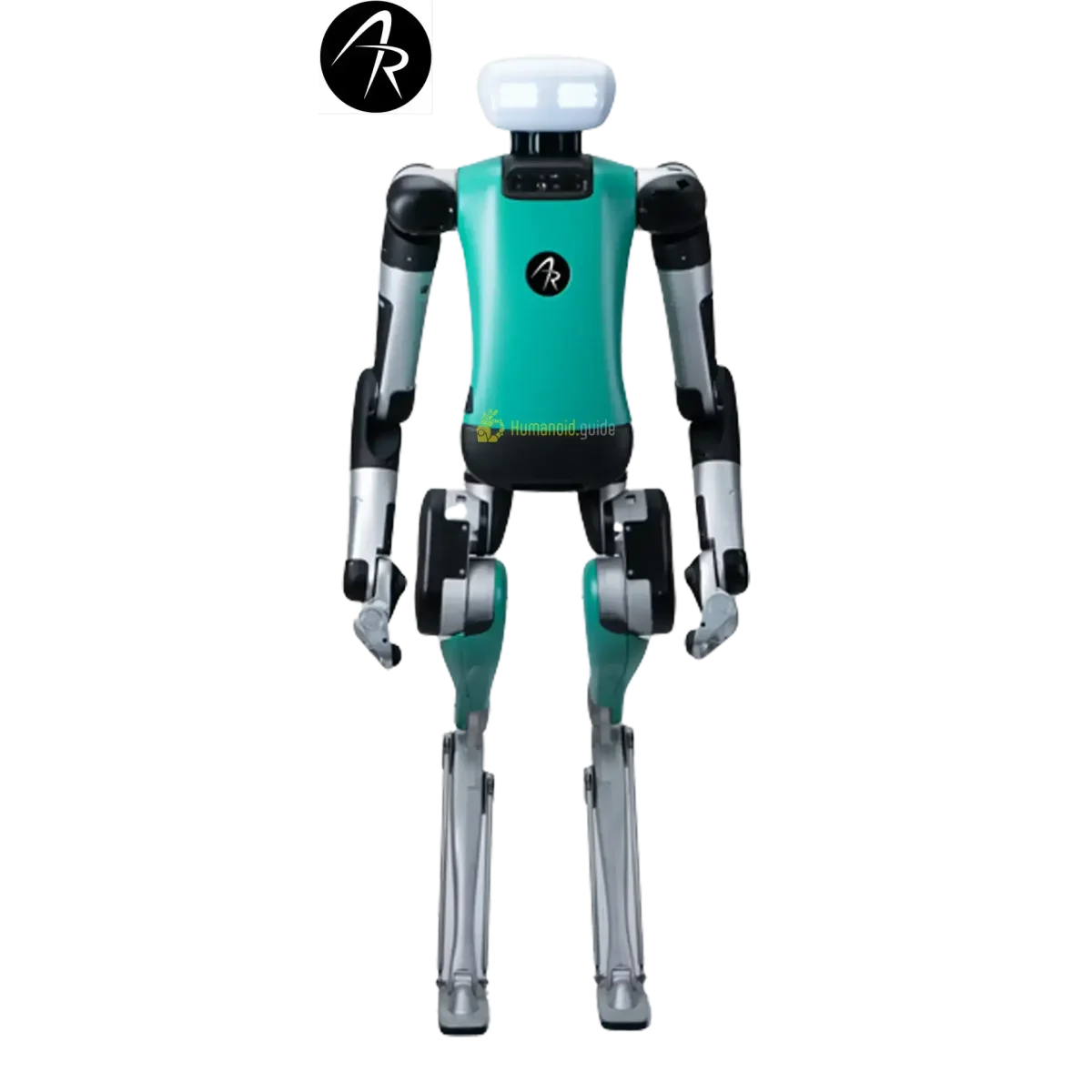
Digit is a bipedal humanoid robot developed by Agility Robotics, headquartered in Tangent, Oregon, USA. Designed for tote and container handling in warehouse and logistics environments, it features a unique reverse-jointed bird-like leg design optimized for stair, ramp, and uneven floor navigation. Digit integrates with existing Warehouse Management Systems (WMS), Warehouse Execution Systems (WES), and AMR fleets such as 6 River Systems, enabling centralized task assignment. It holds the distinction of being the first humanoid robot to pass an OSHA-recognized safety field inspection at a live warehouse, a milestone that validates its readiness for real-world industrial deployment.
Specifications
Here are the full technical specifications.
| Spec | Value |
|---|---|
| Height | 175 cm |
| Weight | 65 kg |
| Degrees of freedom | 28 |
| Battery life | 8 hours |
| Max speed | 5.0 km/h |
| Payload | 16 kg |
| Price (new) | $250,000 |
| Price (used range) | $180,000 – $230,000 est. |
Price & Value
New MSRP: $250,000
Used range: $180,000 – $230,000 est.
At $250,000 per unit, Digit is priced in line with other industrial humanoid robots but carries a premium for its OSHA certification and 8-hour runtime. Volume discounts may apply for fleet deployments, though Agility has not publicly confirmed Robotics-as-a-Service (RaaS) leasing options. Compared to pre-commercial alternatives like Tesla Optimus (which aims for a much lower price point) or Figure 02 (undisclosed), Digit’s immediate availability and proven safety record offer a lower-risk path to automation. Depreciation is expected to be moderate as the humanoid robot market matures, but early adopters gain productivity benefits and integration head-starts. Total cost of ownership should account for periodic actuator and battery replacements, though the modular design eases field serviceability. For warehouses needing reliable, OSHA-compliant tote handling today, Digit’s premium is justifiable.
Who Is It For?
Best for: - Warehouse operators automating tote picking from AMR shelves in segregated zones (OSHA-compliant, 8-hr shifts) - Logistics companies with existing WMS/WES infrastructure seeking to integrate humanoid labor without overhauling software - Manufacturers running multi-shift material handling operations that can leverage Digit’s 2:1 operating ratio
Not for: - Fine manipulation tasks (non-dexterous tote grippers cannot handle small or irregular items) - Collaborative human-robot workspaces (Digit currently operates only in segregated, human-free zones) - Outdoor or highly unstructured environments (designed for warehouse floors, stairs, and ramps only)
Alternatives & Comparison
Digit competes in the emerging market for industrial humanoid robots, where Tesla Optimus and Figure 02 are the most notable alternatives. Both promise higher dexterity but remain in pilot or pre-commercial stages.
| Model | Price | Available | Key Difference |
|---|---|---|---|
| Tesla Optimus | Undisclosed (target ~$20,000) | no | Not commercially available; no confirmed payload, runtime, or safety certifications |
| Figure 02 | Undisclosed | preorder | Higher-dexterity hands and >22.6 kg payload capability but still in pilot deployments with no pricing transparency |
Verdict: For warehouse operators who need a certified, deployable humanoid robot today, Digit is the clear winner. Its OSHA milestone, proven 8-hour runtime, and integration with existing WMS/WES platforms reduce deployment risk. Figure 02 may eventually offer stronger manipulation, but its undisclosed price and limited availability make Digit the safer bet for 2026 logistics automation.
Use Cases & Capabilities
Tote picking from AMR shelves
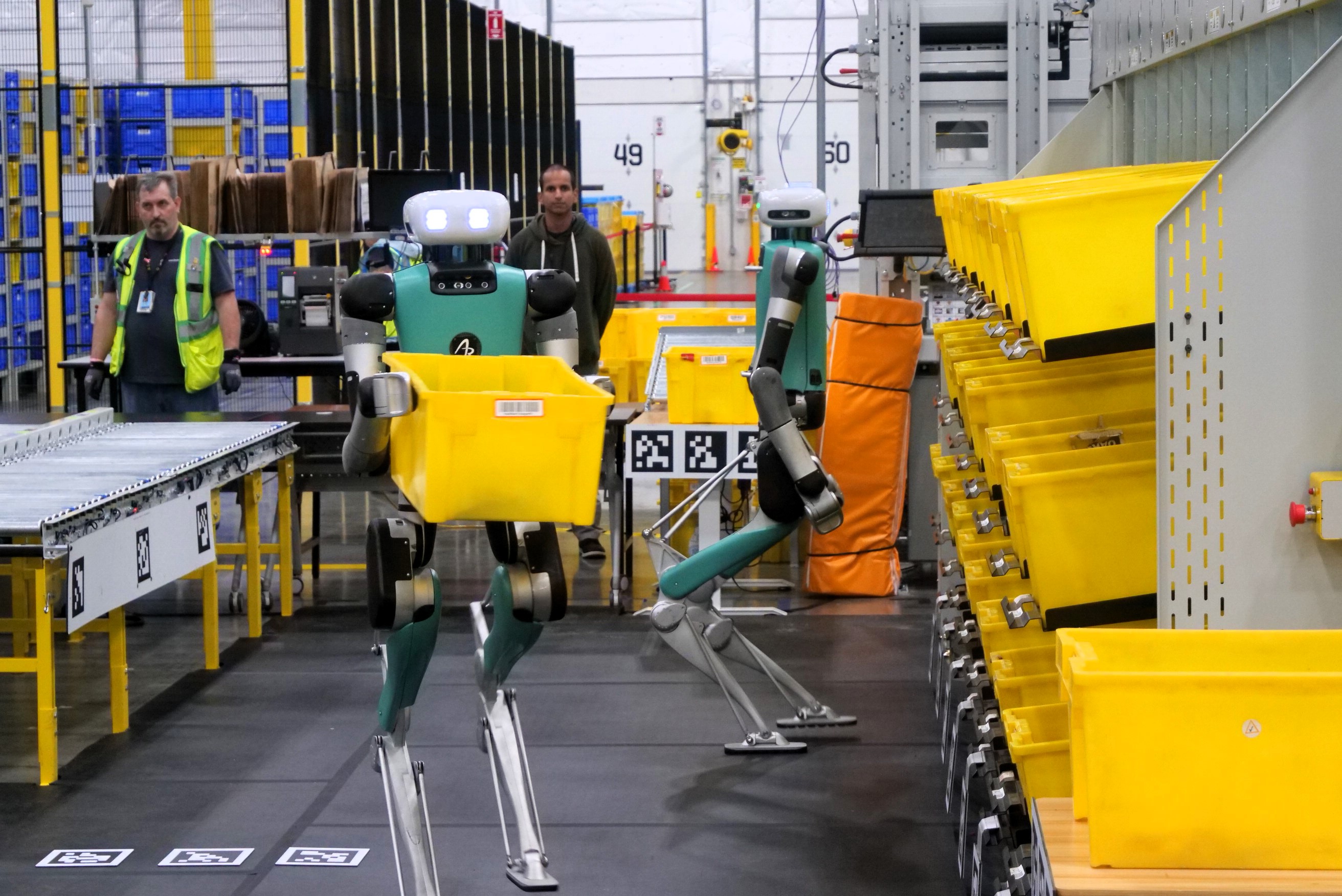
Digit navigates autonomously to autonomous mobile robot (AMR) units, extends its arms into shelf compartments, and retrieves totes weighing up to 16 kg. Sensor fusion from LiDAR, depth cameras, and onboard perception models ensures precise grasp placement even when totes are stacked or misaligned. The 8-hour battery covers a full warehouse shift, and the 2:1 operating ratio means two units can work while a third charges, enabling near-continuous material flow. This application directly replaces the most repetitive and injury-prone ergonomic tasks in e-commerce fulfillment centers.
Tote placement onto conveyors
After retrieving a tote, Digit walks to a fixed conveyor or induction point and places the container squarely on the belt at a consistent orientation for downstream sorting. Its on-board path planning avoids obstacles and adjusts for dynamic conveyor positions reported by the WES. The 16 kg payload handles typical fulfillment totes, and Digit’s LiDAR maps the conveyor edge to adjust placement accuracy within a few centimeters, reducing jams and manual intervention. This task runs at Digit’s natural walking pace of 1.4 m/s, yielding predictable cycle times for throughput modeling.
Tote stacking and palletizing
Digit can depalletize incoming totes or stack them onto a pallet at the end of a packing line. Its 4-DOF arms per limb provide sufficient range to reach high rack positions (up to approximately 2 meters) and stack totes neatly. The robot’s whole-body control adjusts stance for stability when lifting loads that shift its center of mass. While payload is limited to 16 kg, this covers the vast majority of retail and grocery supply chain totes. The planned next-gen 22.6 kg rating will expand palletizing capability to heavier containers.
General material handling in manufacturing
Outside pure logistics, Digit moves work-in-progress parts and empty containers between assembly stations in light manufacturing environments. Its ability to traverse stairs and ramps lets it operate in multi-level facilities without requiring lifts or conveyor retrofits. The cloud-based Agility Arc fleet management system assigns tasks centrally and tracks KPIs per unit, giving plant managers real-time visibility. Because Digit operates in segregated zones, safety fencing or light curtains can define its workspace, satisfying current OSHA requirements without slowing the robot.
Fleet-based shift coverage (2:1 operating ratio)
With a current 2:1 operating ratio, two Digits work while one fast-charges, achieving near-continuous coverage across three shifts. Agility Robotics targets a 4:1 and eventually 10:1 ratio as battery technology improves, meaning a fleet of 10 units could replace the equivalent of 40 manual tote handlers. White-glove deployment includes on-site training and integration with existing WMS/WES, so operators can be up and running within weeks. This use case is the cornerstone of Digit’s value proposition: predictable, scalable, OSHA-compliant labor for the most tedious warehouse jobs.
History & Background
Agility Robotics was founded in 2015 in Tangent, Oregon, spinning out of the Dynamic Robotics Laboratory at Oregon State University where researchers developed the ATRIAS and Cassie bipedal platforms. Digit was first built in 2019 as a proof-of-concept for legged manipulation and evolved through several iterations. The commercial production version launched in 2023 with expanded sensing, longer runtime, and warehouse-specific software. In a landmark 2024 achievement, Digit became the first humanoid robot to pass an OSHA-recognized safety field inspection in a live warehouse operated by a major logistics partner. The company continues to pioneer ISO safety standards for humanoid robots, working with regulators to shape the emerging industry. As of 2026, Digit is deployed in warehouses across the United States, focusing on tote handling tasks in segregated zones. Agility operates from Oregon and maintains a growing commercial fleet monitored via its Agility Arc cloud platform.
Buying Used — What to Check
Verify battery health Battery capacity degrades with cycles; a used Digit with less than 80% original capacity may not last a full 8-hour shift.
Inspect actuator hours and maintenance logs Actuators are the most stressed components; high-hour units may need expensive replacements sooner.
Confirm software version and Agility Arc fleet compatibility Over-the-air updates add features, but a unit stuck on old firmware may not integrate with your WMS/WES or receive support.