What is the Apptronik Apollo?
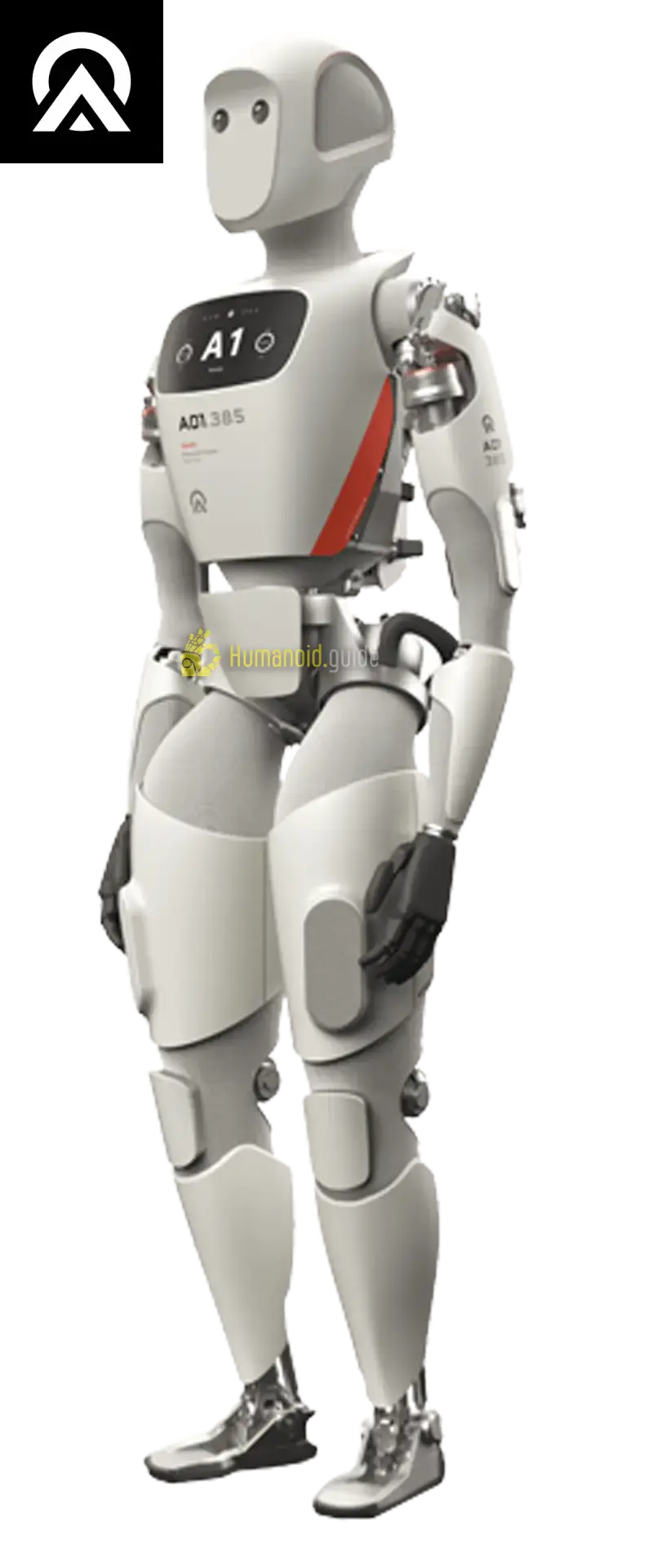
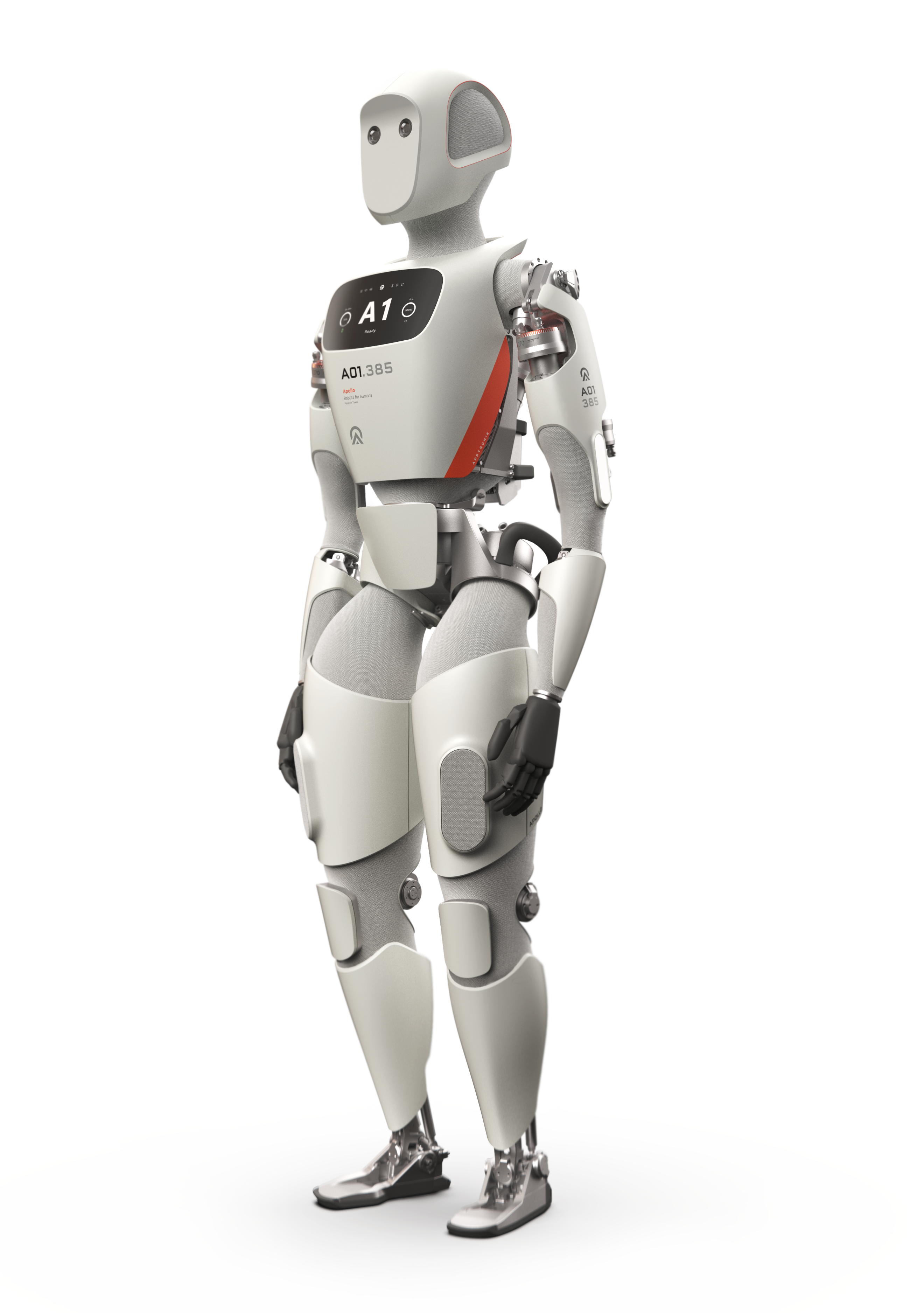
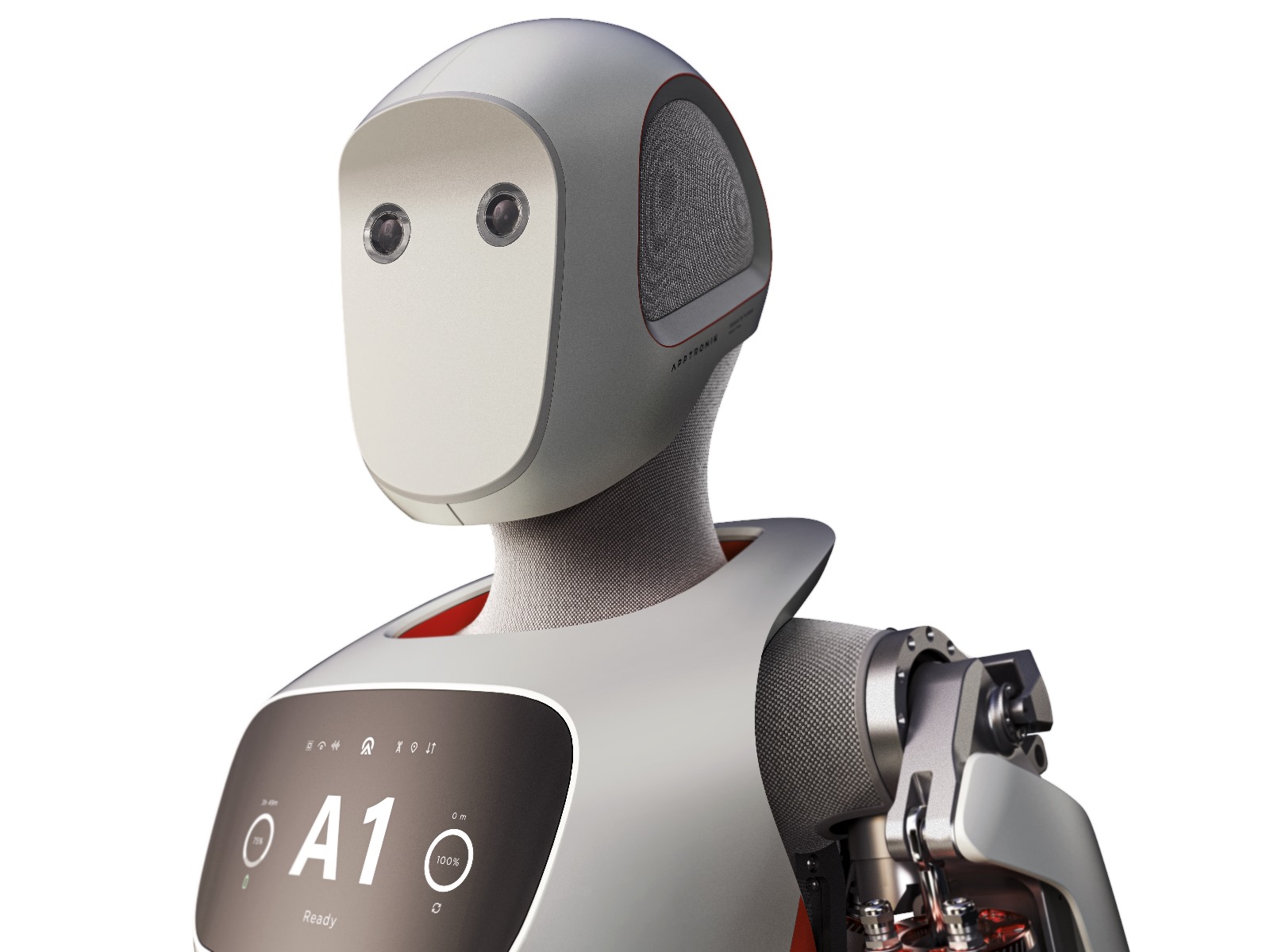
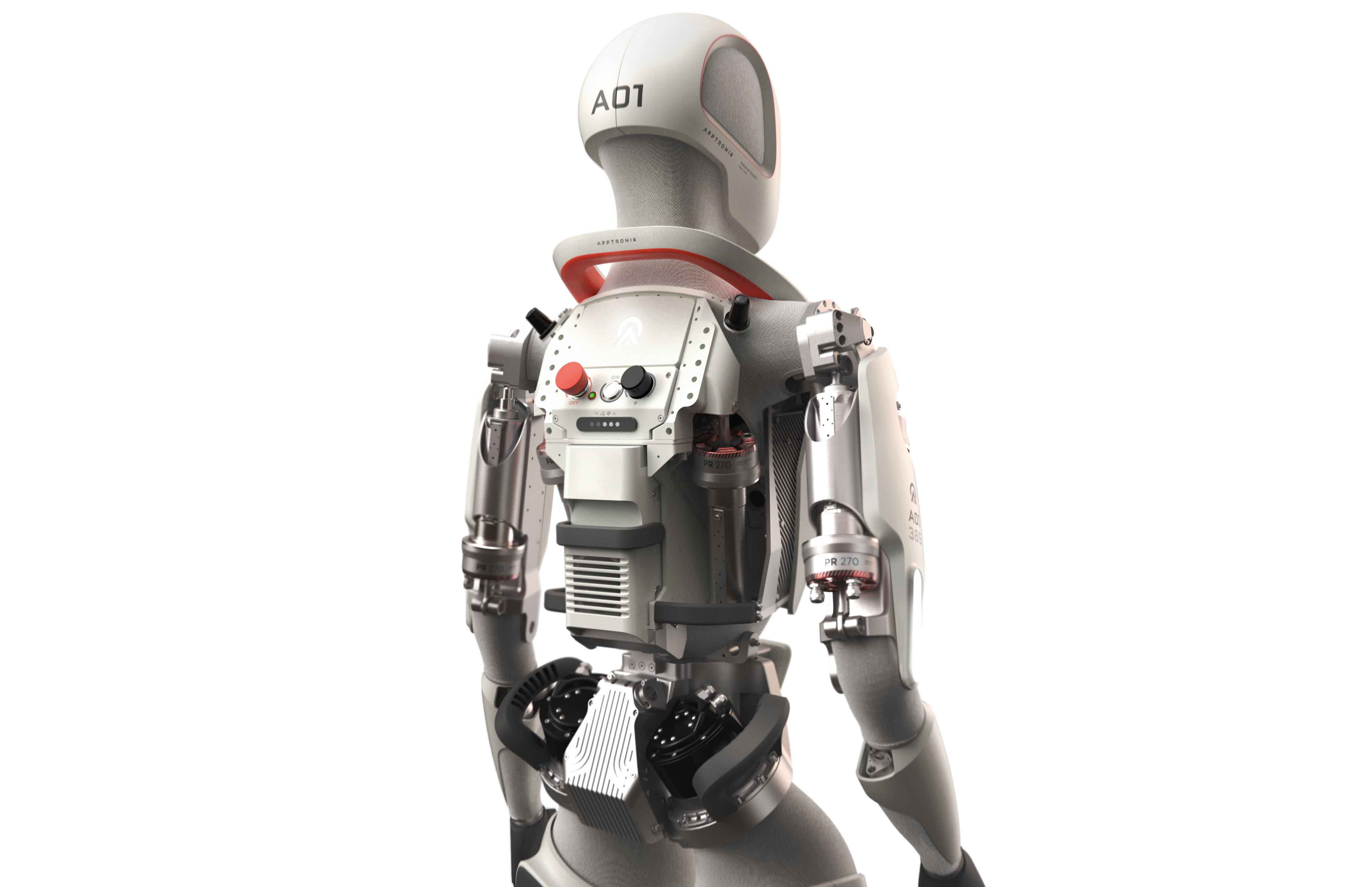
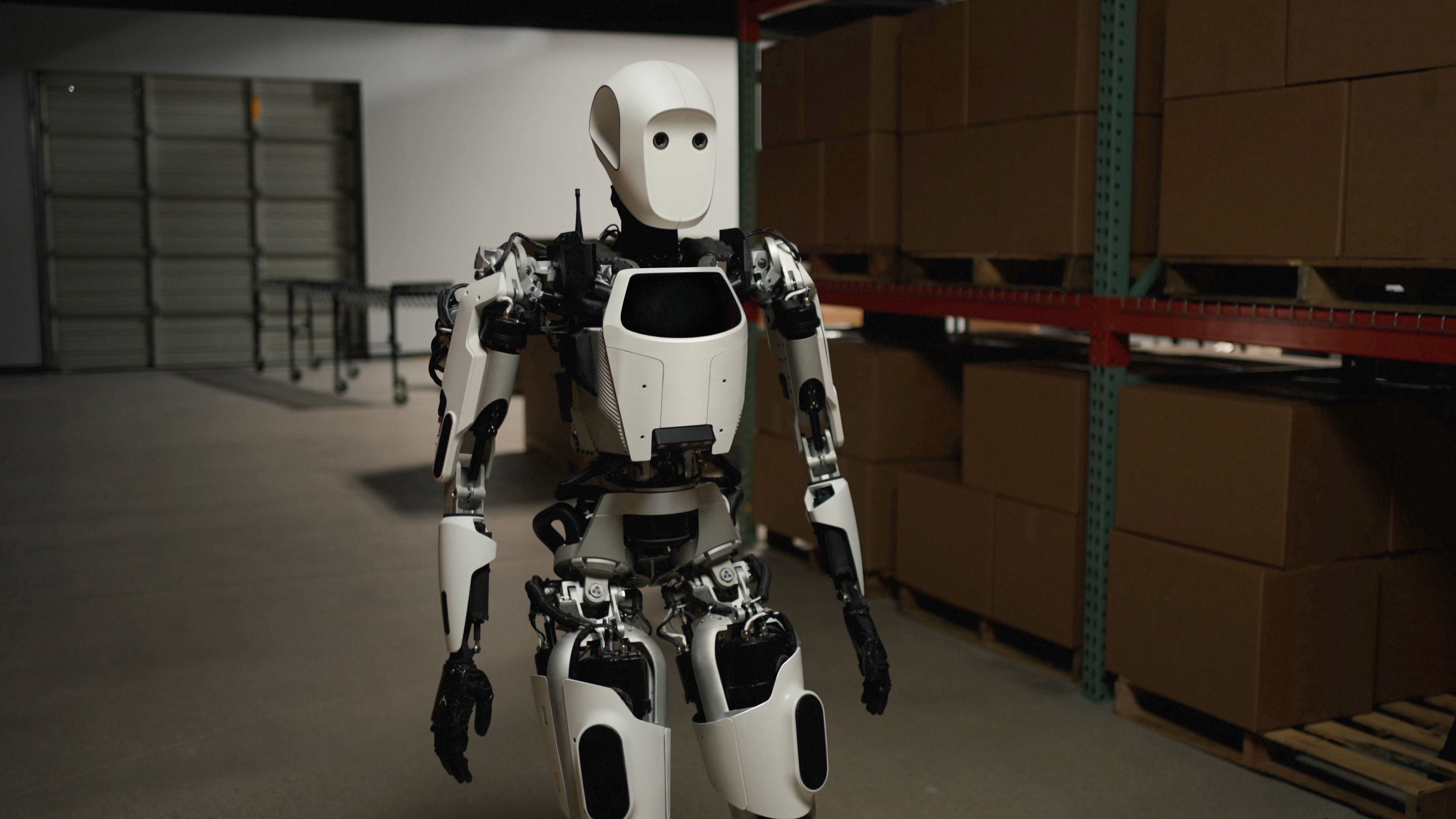
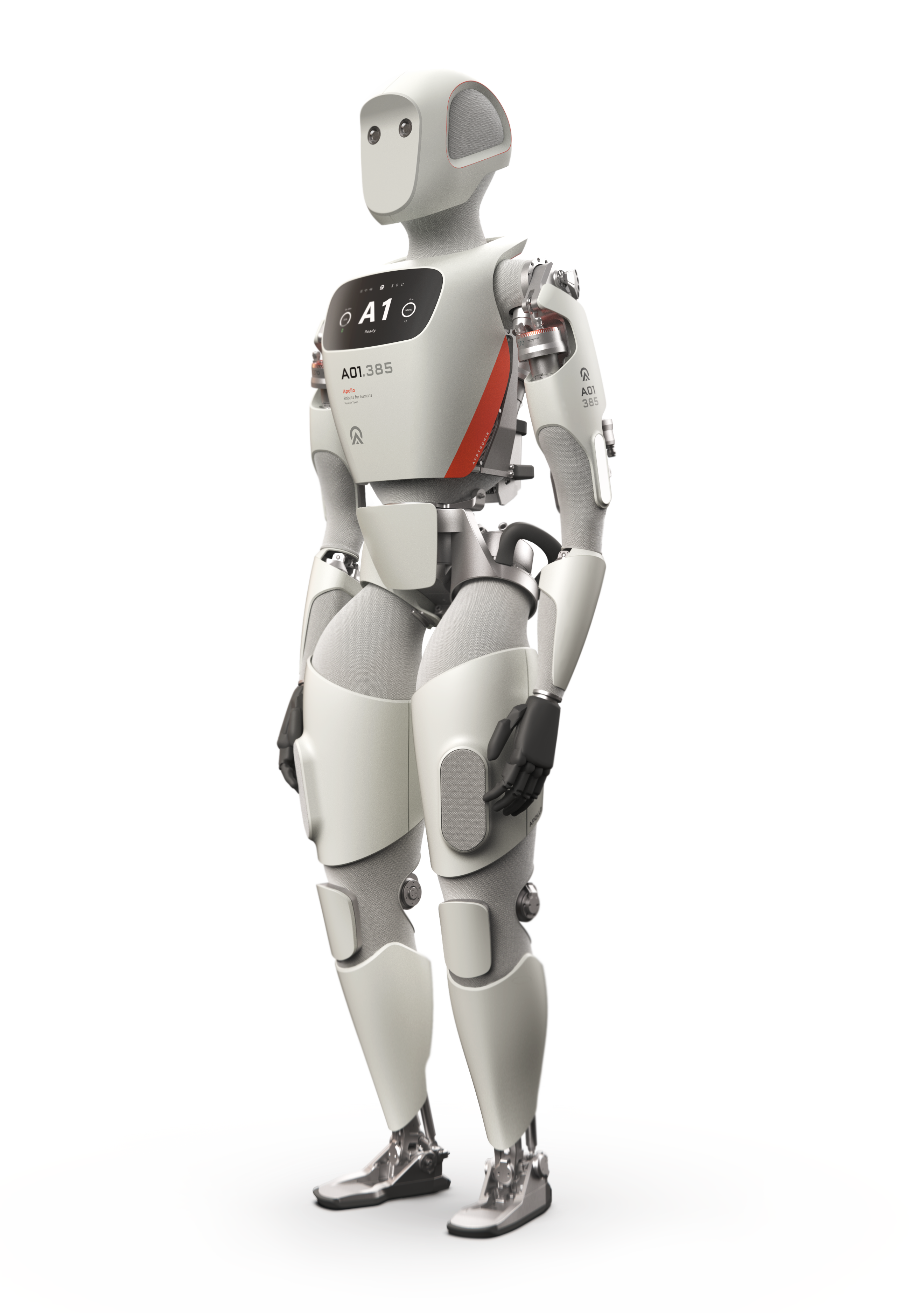
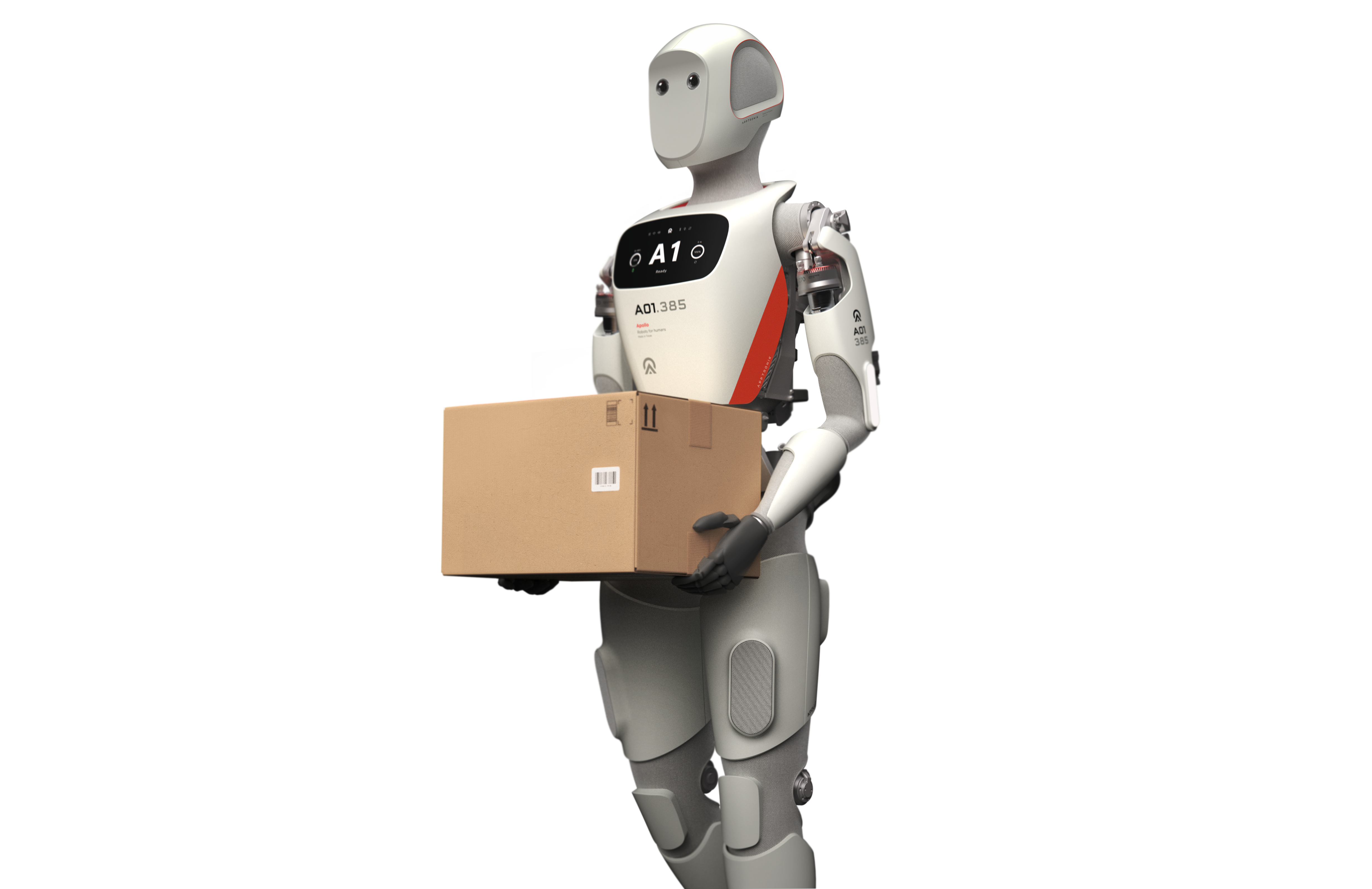
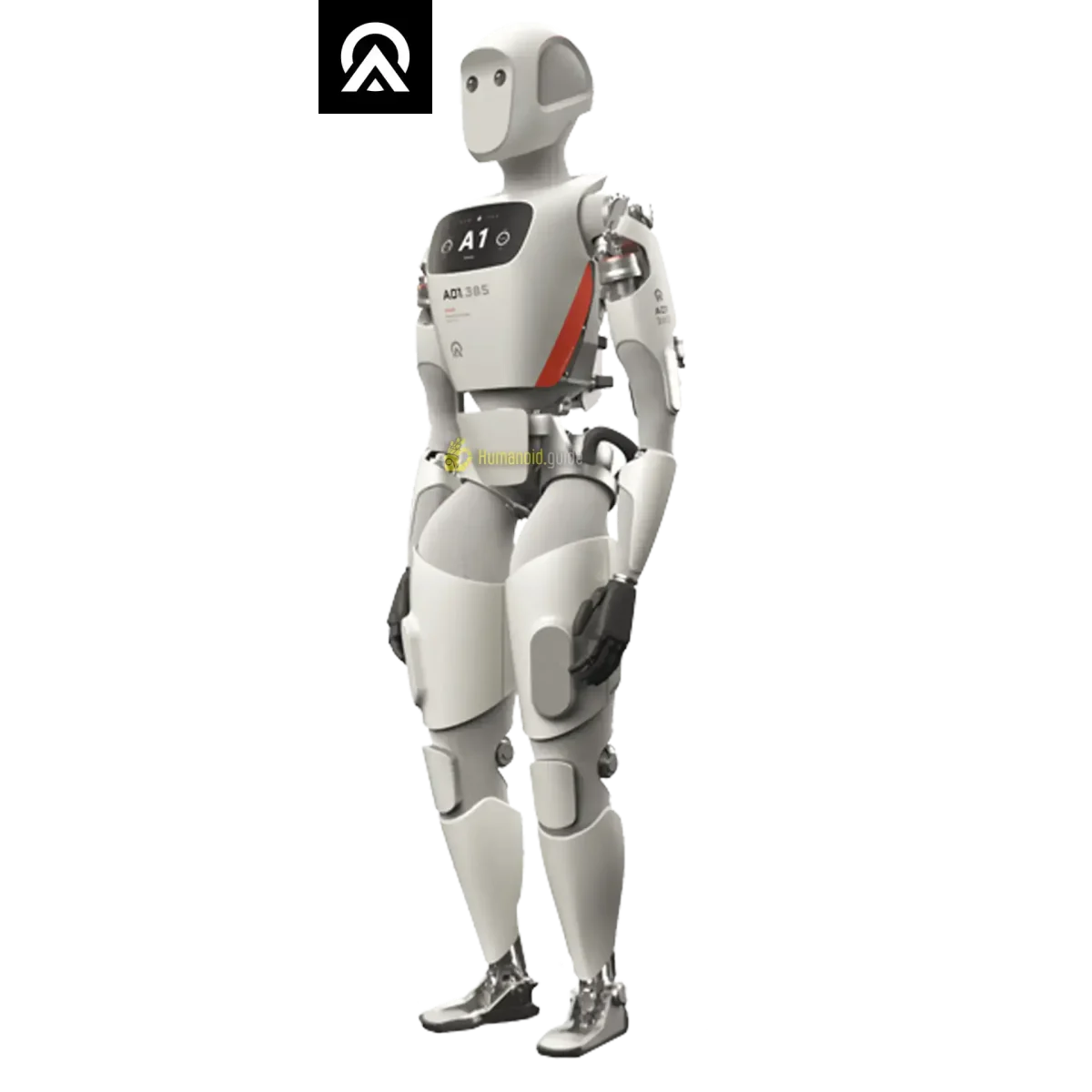
The Apptronik Apollo is a general-purpose humanoid robot developed by Apptronik, headquartered in Austin, Texas. Designed for industrial logistics and manufacturing, it features a modular platform: the upper body can mount on bipedal legs, a wheeled base, or a stationary pedestal. Apollo integrates NVIDIA's GR00T foundational model and Google DeepMind's Gemini Robotics 1.5 for AI-driven task planning and adaptation. With force-controllable joints, force/torque sensors, and configurable safety zones, it works alongside humans without barriers. Key differentiators include hot-swappable batteries for ~22-hour daily operation, dexterous hands, and a point-and-click control suite. Currently in pilot programs with partners like GXO and Mercedes-Benz.
Specifications
Here are the full technical specifications.
| Spec | Value |
|---|---|
| Height | 173 cm |
| Weight | 73 kg |
| Degrees of freedom | 71 |
| Battery life | 4 hours per pack (22h with hot-swap rotation) |
| Max speed | 5.4 km/h (estimated walking speed) |
| Payload | 25 kg |
| Price (new) | Undisclosed (contact manufacturer) |
| Price (used range) | N/A (no used market exists) |
Price & Value
New MSRP: Undisclosed
Used range: N/A
Apollo's pricing remains undisclosed as it is only available via pilot programs. Industry estimates suggest a long-term target cost of around $5,000,000 per unit once mass production begins, but current manufacturing costs are reportedly several times higher. For early commercial users, the total cost of ownership includes leasing or pilot fees, which are customized per deployment. Compared to competitors like Digit (starting at ~$250,000) or the anticipated Tesla Optimus ($20,000 target), Apollo's likely price point places it at the high end, reflecting its advanced sensor suite and AI collaboration with Google DeepMind. Users should expect significant depreciation as production scales, making early adoption a strategic rather than cost-saving decision. Meanwhile, there is no used market, so all procurement is through Apptronik directly.
Who Is It For?
Best for: - Logistics companies conducting pilot programs for humanoid-assisted warehouse workflows (hot-swappable batteries enable multi-shift operation without downtime) - Automotive manufacturers exploring humanoid automation for tasks like tote handling and assembly kit delivery (partnerships with Mercedes-Benz confirm suitability)
Not for: - Budget-sensitive operations expecting sub-$100,000 pricing (the Apollo is priced for enterprise pilot programs only, with target costs in the millions) - Environments requiring verified safety certifications (the robot lacks public safety certifications as of 2026)
Alternatives & Comparison
The Apollo competes in the emerging general-purpose humanoid market against Tesla Optimus, Figure 01, Agility Digit, and Boston Dynamics Atlas, each with distinct design philosophies and commercial readiness stages.
| Model | Price | Available | Key Difference |
|---|---|---|---|
| Tesla Optimus | $20,000 target (not yet fulfilled) | preorder | Tesla's aggressive cost target and vertical integration for manufacturing at scale |
| Figure 01 | Undisclosed (pre-commercial) | no | OpenAI-powered language reasoning and dexterity focus |
| Agility Digit | ~$250,000 | yes | Bird-like leg design, proven in warehouse deployments, more affordable entry point |
| Boston Dynamics Atlas | Not for sale (research platform) | no | Extreme dynamic mobility, not industrial logistics |
Verdict: For enterprises needing a high-DOF, AI-rich humanoid that can be customized via modular bases and integrated into existing workflows, Apollo's Google/NVIDIA brain and flexible mounting are unmatched. However, if practical logistics deployment at a lower cost is the priority, Agility Digit is the commercial-ready leader. Tesla Optimus promises a compelling price point but remains unproven. Apollo is the platform of choice for piloting future-ready automation.
Use Cases & Capabilities
Tote Handling in Logistics
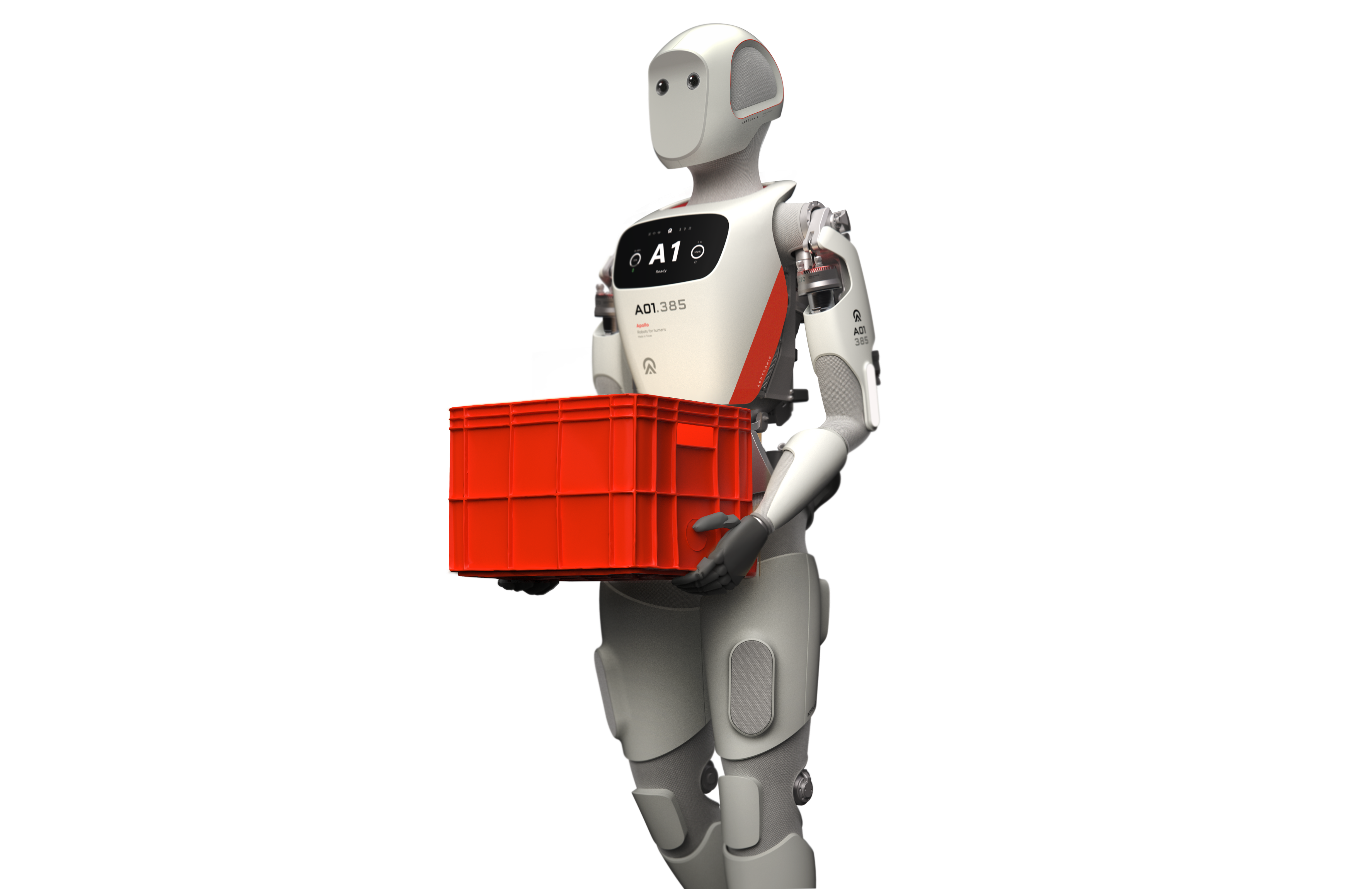
Apollo picks and places totes in warehouse environments, leveraging its 25 kg payload and dexterous hands with force control to avoid damaging goods. The modular upper body can be switched to a wheeled base for optimized reach and stability on flat floors. Integration with existing WMS via a point-and-click control suite simplifies deployment. Hot-swappable batteries allow 22-hour daily operation, matching the demands of high-throughput logistics centers like those operated by GXO.
Assembly Line Kitting
In automotive manufacturing, Apollo delivers parts kits and subassemblies to workstations, following verbal commands or pre-programmed routes. Its force-controlled joints and configurable safety zones ensure it works safely alongside human assemblers without barriers. The NVIDIA Jetson and Google DeepMind AI stack enable handling of unfamiliar objects and adapting to line changes. Tethered operation capability eliminates downtime for recharging during continuous production.
Component Inspection
Apollo can perform visual and tactile inspection of components using its multi-camera vision system and force/torque sensing in all joints. It can gently manipulate parts to check for defects, then sort or pack them accordingly. Multi-step task planning via Gemini Robotics Extended Reasoning allows it to handle varied inspection routines. The head, mouth, and chest LEDs communicate status, aiding collaboration with human quality inspectors.
Multi-Shift Warehouse Operations
With hot-swappable batteries (under 5 minutes swap) and up to 22 hours of daily runtime, Apollo is purpose-built for non-stop shift work. Warehouse managers can rotate battery packs during shift changes without halting the robot. The modular design—legs, wheeled base, or stationary mount—enables reconfiguration for different zones: legs for mobile picking, pedestal for fixed station tasks. Fleet learning across deployed units continuously improves task efficiency from shared data.
History & Background
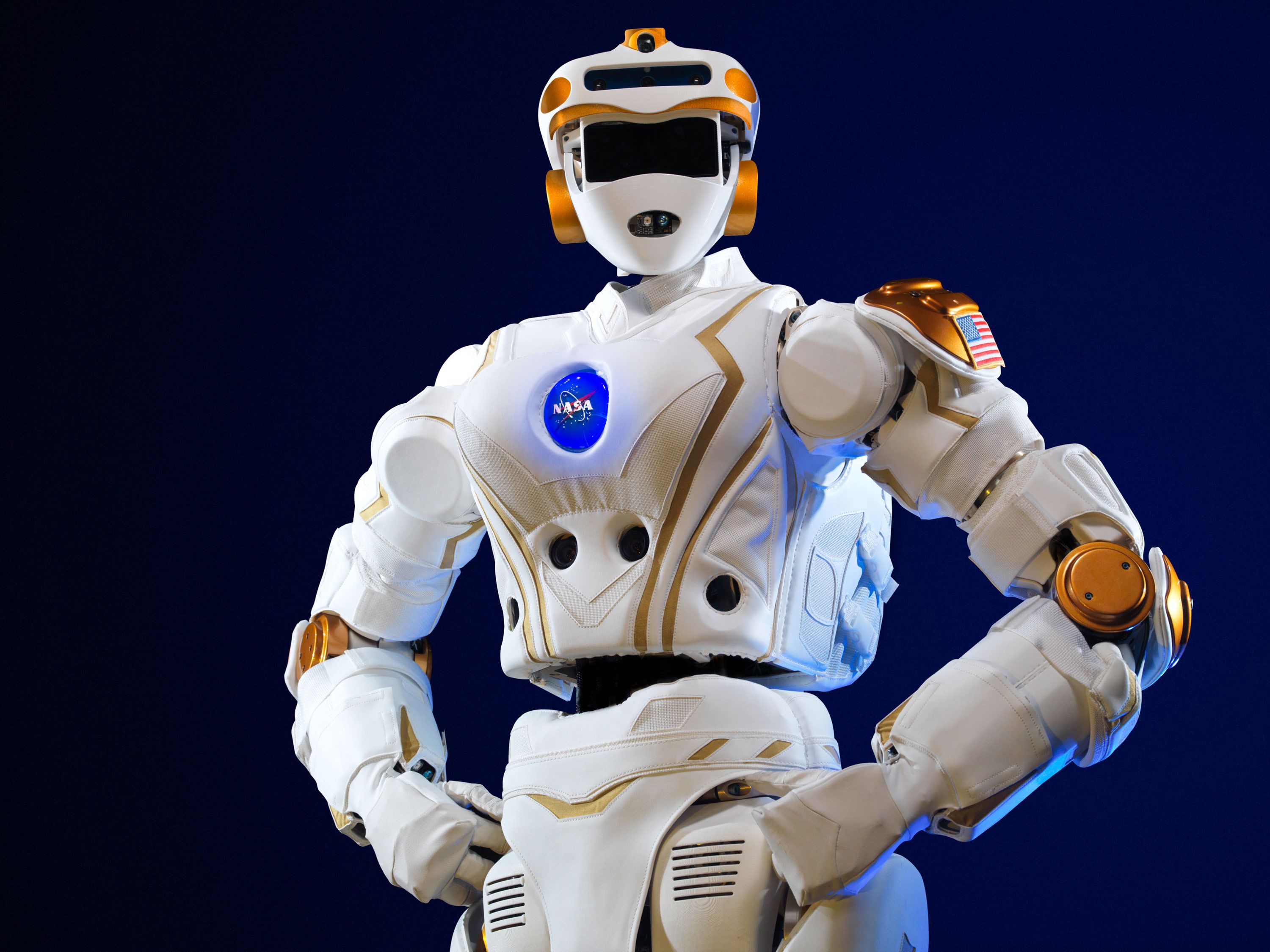
Apptronik, founded in 2016 in Austin, Texas, built over 10 robotic platforms including NASA's Valkyrie humanoid before unveiling Apollo. The robot was first built in 2023 as a general-purpose industrial humanoid, entering pilot programs with logistics provider GXO in 2024. That same year, Apptronik announced a partnership with Mercedes-Benz to deploy Apollo in automotive manufacturing. The platform is now in its first generation, with no public variants yet. It represents Apptronik's shift from research to commercialization, leveraging Google DeepMind's Gemini AI and NVIDIA's GR00T simulation framework. As of 2026, Apollo remains in limited pilot programs with no general availability.
Buying Used — What to Check
Battery pack health Hot-swappable lithium packs degrade over charge cycles; thoroughly test each pack's runtime to ensure it meets the 4-hour spec.
Force/torque sensor calibration Apollo's safety and dexterity depend on precise joint sensing. Request calibration logs or a recertification before purchase.
AI software license transfer Ensure Google DeepMind and NVIDIA software licenses can be legally transferred with the hardware, as these may be subscription-based.