

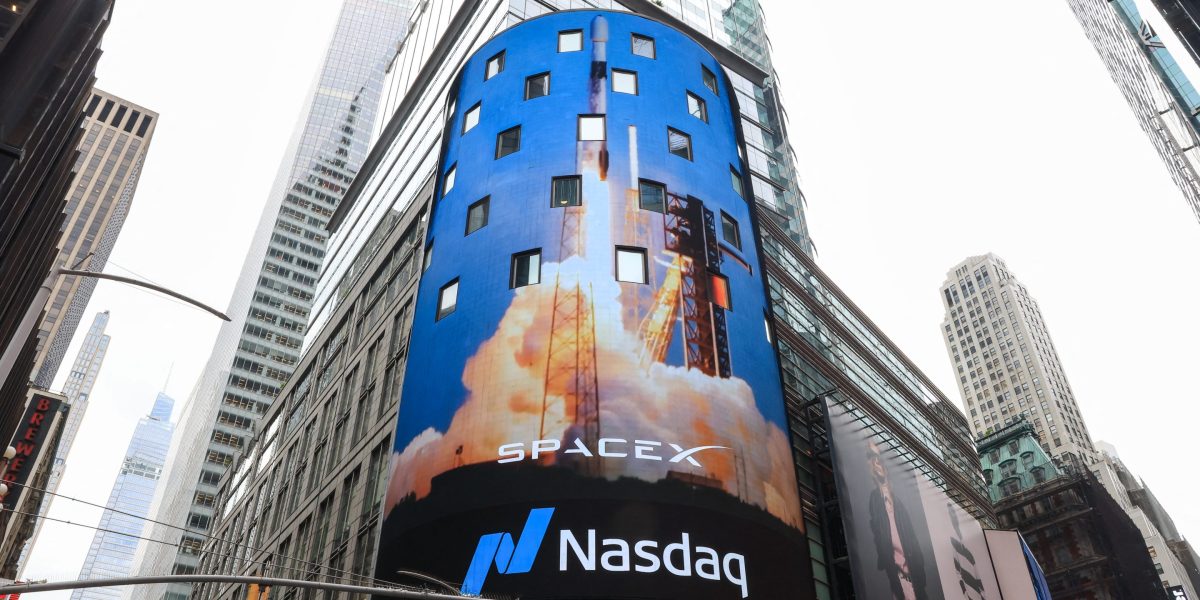
Gina Rinehart, Australia’s richest person, announced a $1 billion investment in SpaceX following the company’s blockbuster stock market debut. The move signals strong private investor confidence in Elon Musk’s space venture as it enters the public markets and already trades at a $2.5 trillion valuation.
- What Happened
- Why Rinehart Invested
- Market Reaction and Stock Performance
- Rinehart’s Broader Investment Strategy
- What’s Next for SpaceX
- What This Means for the Industry
- Frequently Asked Questions
- Conclusion
What Happened
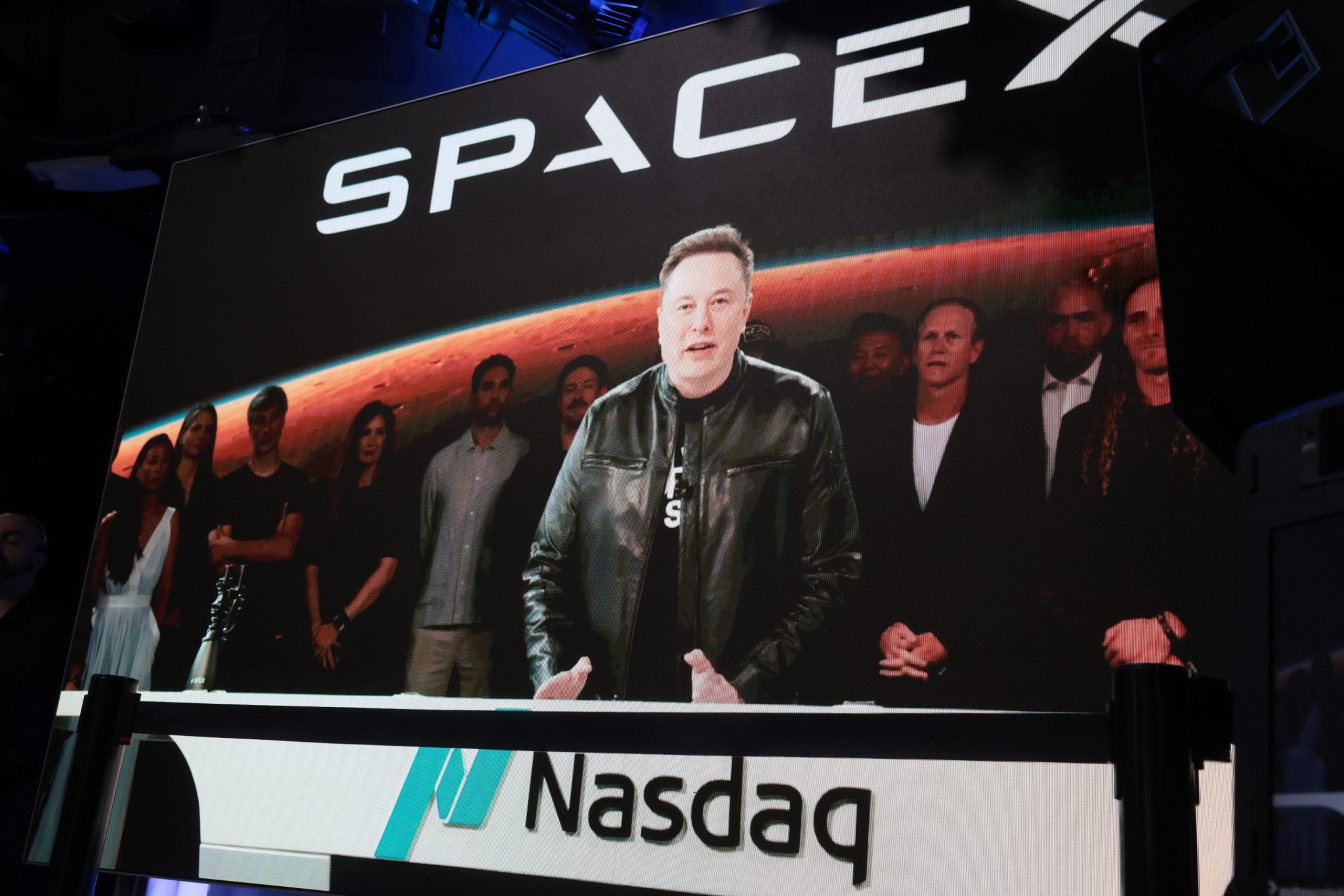
SpaceX made its public market debut on Friday, opening at $150 per share. By Monday’s close, the stock surged nearly 20% to $192.50. On Monday, Gina Rinehart confirmed that her company, Hancock Prospecting, had acquired a stake worth more than $1 billion, making it the firm’s largest investment outside of iron ore, according to the Wall Street Journal (as reported by Fortune).
Rinehart, 72, is worth an estimated $36.9 billion and runs Hancock Prospecting, a major iron ore exporter. The SpaceX holding is her company’s biggest bet beyond its core mining business.
Why Rinehart Invested
In a statement, Rinehart praised Musk as a rare leader who has “done what very few people in history have done—he has not just imagined the future, he has built companies capable of delivering it.” She cited SpaceX’s firsts in space, including being the first private company to dock at the International Space Station and deploying the largest broadband satellite constellation in low Earth orbit.
Hancock Prospecting CEO Garry Korte noted the potential for “mutually beneficial arrangements between SpaceX and Hancock Prospecting’s significant critical minerals investments,” hinting at future collaboration on materials needed for space hardware.
Market Reaction and Stock Performance
SpaceX’s stock jumped nearly 20% on its first full day of trading, closing at $192.50 on Monday after its $150 IPO price on Friday. The surge pushed the company’s valuation to $2.5 trillion, making it one of the most valuable publicly traded companies in the world.
The strong debut reflects investor enthusiasm for SpaceX’s dominant position in satellite internet (Starlink), launch services, and government contracts, as well as its long-term Starship development.
Rinehart’s Broader Investment Strategy
The SpaceX investment is part of a larger shift for Rinehart. In the first quarter of 2026, Hancock Prospecting invested nearly $100 million in U.S. defense contractors including RTX, Northrop Grumman, L3Harris Technologies, and Lockheed Martin. The firm also bought a 6% stake worth about $34 million in Rare Earths Americas, a new U.S. miner.
Rinehart has been building the world’s largest rare earths portfolio outside of China since 2020, and the SpaceX deal aligns with her increasing focus on technology and defense-adjacent assets.
What’s Next for SpaceX
With its public listing complete, SpaceX now faces the scrutiny of quarterly earnings reports and public market expectations. The company plans to use the capital to scale Starlink’s satellite network, accelerate Starship test flights, and expand its launch infrastructure.
The investment from Rinehart also signals potential new partnerships in critical minerals — materials essential for electronics, batteries, and aerospace components — which could create supply chain advantages for SpaceX as it scales.
What This Means for the Industry
SpaceX’s $2.5 trillion valuation and the $1 billion private investment from a major mining magnate send a clear signal to the market: space infrastructure is no longer a speculative bet but a core tech asset with tangible revenue streams. The company’s dual dominance in launch services and satellite internet gives it a competitive moat that rivals like Blue Origin and OneWeb have yet to match.
For investors, the Rinehart stake adds credibility to SpaceX’s long-term growth story, especially as the company transitions from private to public and must now prove it can sustain its valuation. The broader tech industry should watch how SpaceX leverages its position in connectivity and space-based AI services — both high-growth verticals that could reshape telecom and defense markets.
Competitors face an uphill battle: SpaceX has both the scale and the capital to undercut rivals on launch costs while building the world’s largest satellite constellation. For mining and resources companies, the Rinehart deal highlights a new trend — billionaires treating space as the next frontier for strategic resource investments.
Frequently Asked Questions
How much did Gina Rinehart invest in SpaceX? Rinehart’s stake is worth more than $1 billion, making it Hancock Prospecting’s largest investment outside of iron ore.
What was SpaceX’s IPO price? SpaceX opened at $150 per share on Friday and closed at $192.50 on Monday, a nearly 20% gain.
What is SpaceX’s current valuation? After the stock surge, SpaceX reached a market valuation of $2.5 trillion.
Why is Rinehart investing in a space company? Rinehart sees SpaceX as a rare business led by an exceptional leader, operating in crucial sectors with long-term potential. She also hinted at possible collaboration on critical minerals needed for space hardware.
Is this Rinehart’s only tech investment? No. She recently invested nearly $100 million in U.S. defense contractors and bought a stake in Rare Earths Americas, as part of a broader pivot toward technology and defense assets.
When did SpaceX go public? SpaceX made its stock market debut on Friday, June 12, 2026, with trading beginning that day.
Conclusion
Gina Rinehart’s $1 billion bet on SpaceX cements the company’s status as one of the most valuable and strategically important tech companies in the world. The investment signals that even traditional industry titans see space — and Musk’s execution — as a generational opportunity. For SpaceX, the public market arrival and high-profile backing pave the way for its next chapter of growth, competition, and possibly, collaboration with the resources sector.






Join the discussion
Is $1B from a mining magnate a vote of confidence or a speculative bet on SpaceX?