

Waymo has begun accepting riders in its newly launched Ojai minivan, a self-driving vehicle manufactured in China by Zeekr, the luxury electric-vehicle brand under Geely. The move marks a strategic pivot toward cost-efficient, revenue-focused operations as the company navigates heightened regulatory scrutiny and a tightening competitive landscape.
- What Happened: The Ojai Launch
- Why It Matters: A Shift to Cost-Effective Hardware
- Market Implications: Competition and Regulatory Headwinds
- Competitive Context: Waymo vs. Rivals
- What’s Next: Expansion Plans and Milestones
- What This Means for the Industry
- Frequently Asked Questions
- Conclusion
What Happened: The Ojai Launch
Waymo, the autonomous vehicle unit of Alphabet, officially opened its Ojai minivan to public riders in parts of San Francisco and Phoenix after years of testing. The vehicle, based on Zeekr’s electric MPV platform, is designed from the ground up for self-driving operation — without a steering wheel or pedals. Waymo has integrated its sixth-generation sensor suite, which it says reduces component costs by more than 50% compared to previous generations.
The Ojai name is a departure from Waymo’s earlier branding; the company says it signals a new focus on passenger comfort and operational efficiency. Riders can hail the vehicle through the Waymo One app, with pricing comparable to a standard ride-hail trip. Waymo has not disclosed the exact per-vehicle cost but confirmed the Zeekr partnership allows it to scale production at a fraction of the expense of retrofitting existing consumer cars.

Why It Matters: A Shift to Cost-Effective Hardware
The decision to use a purpose-built vehicle from a Chinese manufacturer represents a fundamental change in Waymo’s hardware strategy. Earlier vehicles — such as modified Jaguar I-Paces and Chrysler Pacificas — required expensive retrofitting and carried legacy design compromises. The Zeekr-based minivan integrates sensors, computing, and power systems as original equipment, reducing assembly complexity and time.
This cost discipline arrives at a critical moment. Waymo faces pressure from Alphabet to demonstrate a clear path to profitability. The company’s revenue comes from ride fares and a growing commercial delivery business, but capital expenditures for vehicles and sensor hardware remain high. Lowering per-vehicle costs directly improves unit economics, making each ride more profitable and enabling faster fleet expansion.
According to TechCrunch, the Ojai's design also allows for easier maintenance and over-the-air updates, further reducing operational costs. Waymo expects the vehicle to achieve a competitive cost per mile within 18 months of launch.
Market Implications: Competition and Regulatory Headwinds
The launch comes as Waymo contends with federal and state investigations into safety incidents involving self-driving vehicles. The National Highway Traffic Safety Administration has opened multiple probes into Waymo’s operations, while California regulators have placed conditions on its expansion permits. The company has responded by voluntarily reducing its operating area in San Francisco and implementing additional safety protocols.
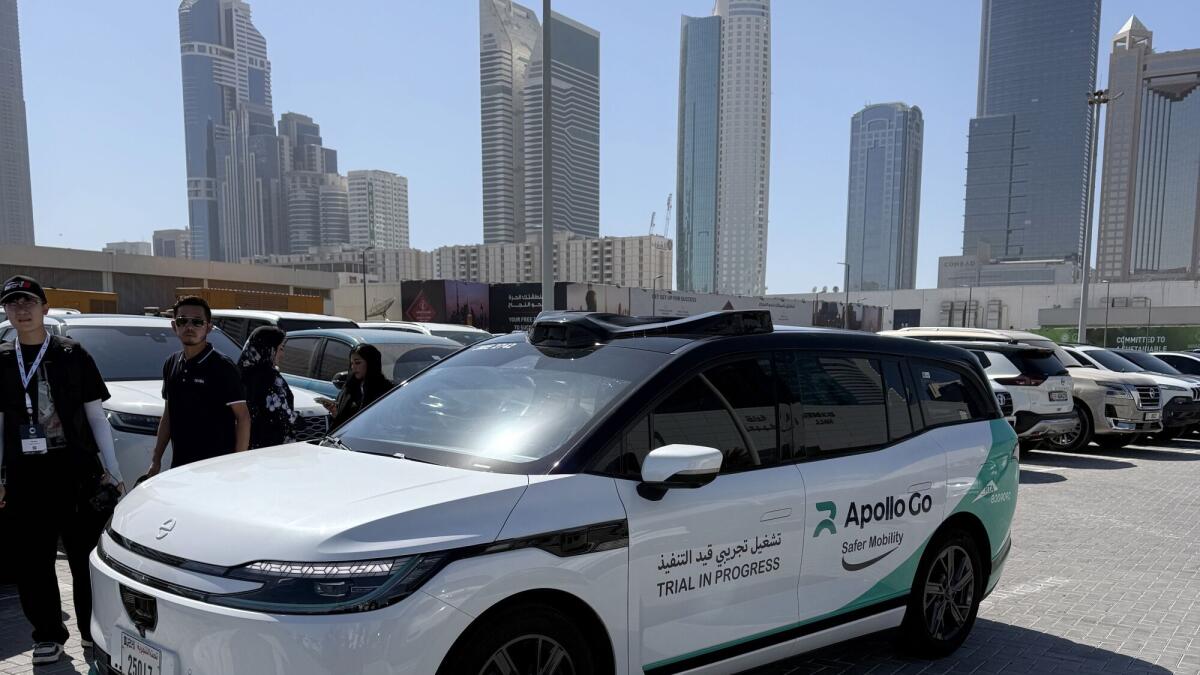
Meanwhile, competitors are not standing still. Cruise, backed by General Motors, has resumed limited operations after a suspension following a pedestrian accident. Tesla continues to develop its Full Self-Driving software, though it remains a driver-assistance system rather than a fully autonomous service. Amazon’s Zoox is testing its own purpose-built shuttle, and Chinese companies like Baidu’s Apollo Go are rapidly expanding in multiple Chinese cities.
Crucially, the Chinese manufacturing angle introduces geopolitical complexity. The Biden administration has maintained tariffs on Chinese-made vehicles, and a future administration could impose additional restrictions. Waymo has structured its deal with Zeekr to import the vehicles as unfinished chassis, with final assembly and sensor integration performed in the United States. This arrangement may shield Waymo from the harshest tariffs but leaves it exposed to trade policy shifts.

Competitive Context: Waymo vs. Rivals
Waymo remains the leader in terms of miles driven and geographic coverage, having completed more than 10 million paid rides across multiple cities. However, its fleet size — estimated at around 2,000 vehicles — pales in comparison to the scale needed for nationwide profitability. The Ojai minivan is designed to help close that gap by enabling faster production and lower capital outlay per vehicle.
Zoox, by contrast, has built its own symmetrical, pod-like vehicle that seats four and drives both directions without turning. Cruise is expected to launch a dedicated vehicle called the Origin, which also lacks a steering wheel, but its timeline remains uncertain after regulatory setbacks. Tesla’s promised Cybercab, a two-seat autonomous pod, is still in development and lacks a concrete production date.
Waymo’s advantage lies in its years of real-world operating data and a safety record that, despite recent incidents, remains among the strongest in the industry. The Ojai minivan leverages that data to fine-tune its sensor placement and driving behavior, potentially reducing the number of disengagements (moments when the human safety operator must take over).
What’s Next: Expansion Plans and Milestones
Waymo has announced plans to expand the Ojai service to Los Angeles and Austin by the end of 2026, pending regulatory approvals. The company is also exploring highway-capable operation, which would allow riders to use the vehicles for longer trips including airport runs. Highway speeds introduce new technical challenges, such as merging and higher-speed obstacle avoidance, but Waymo’s latest sensor suite — which includes lidar, radar, and high-resolution cameras — is designed to handle those scenarios.
In parallel, Waymo is deepening its partnership with Zeekr to develop a second-generation platform tailored to commercial delivery. The company already operates a package delivery service with UPS and FedEx in select areas, and a dedicated cargo variant of the Ojai could accelerate that business.
What This Means for the Industry
The Ojai launch signals that self-driving vehicle companies are moving away from retrofitted consumer cars toward purpose-built, cost-optimized platforms. This shift is likely to accelerate as the industry matures and investors demand clearer paths to profitability. For Alphabet, Waymo is a long-term bet that may finally start contributing meaningful revenue — but only if it can overcome regulatory hurdles and geopolitical risks.
For competitors, the Chinese manufacturing tie-up presents both a challenge and a dilemma. On one hand, it gives Waymo a significant cost advantage. On the other, it may make Waymo a target for protectionist policies, especially if the political climate in the U.S. turns more hostile toward Chinese imports. Rivals that manufacture entirely in the U.S. or allied countries could market that as a differentiator.
The broader tech industry should watch how Alphabet handles this dual pressure. If Waymo succeeds, it will validate Alphabet’s thesis that long R&D investments in autonomy can pay off. If it stumbles, it could cool enthusiasm for capital-intensive autonomous vehicle projects across the sector.
Discussion Prompt
Can Waymo overcome regulatory and geopolitical challenges to scale the Ojai fleet profitably?
Conclusion
Waymo’s Ojai minivan represents both an engineering milestone and a strategic reorientation. By partnering with a Chinese EV maker and prioritizing cost reduction, the company is betting that lower hardware costs will unlock mass-market adoption. Whether that bet pays off depends on how quickly it can navigate regulatory hurdles and trade tensions. For now, the Ojai is a tangible sign that autonomous ride-hailing is moving from experimental fleets to a commercially viable business.