What is the 1x Eve?
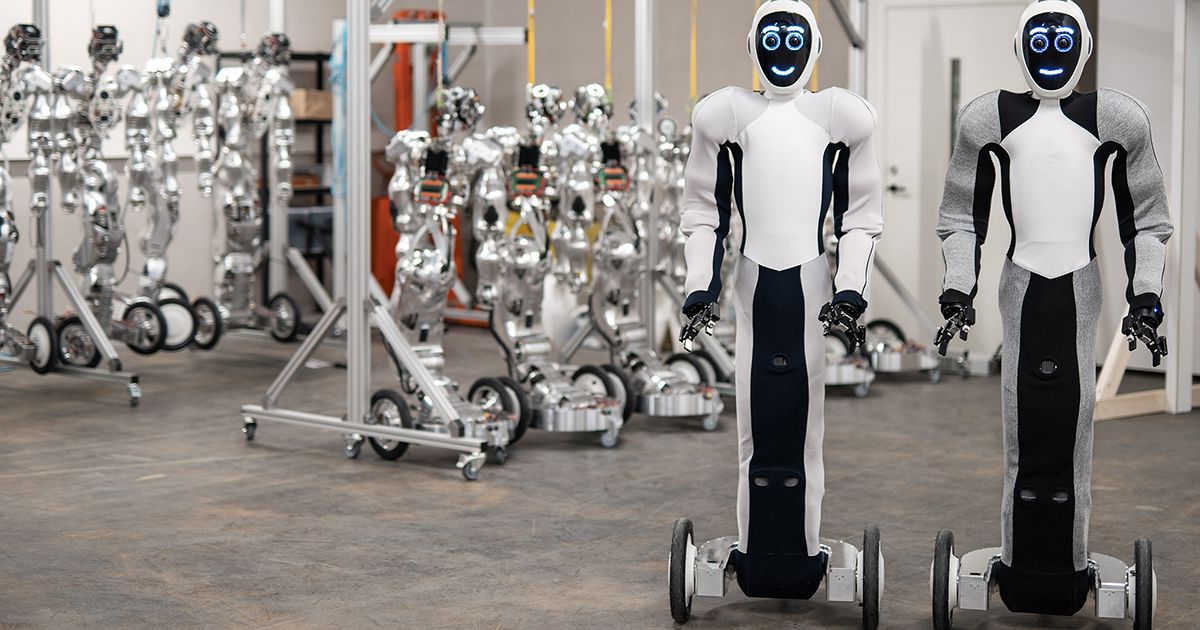
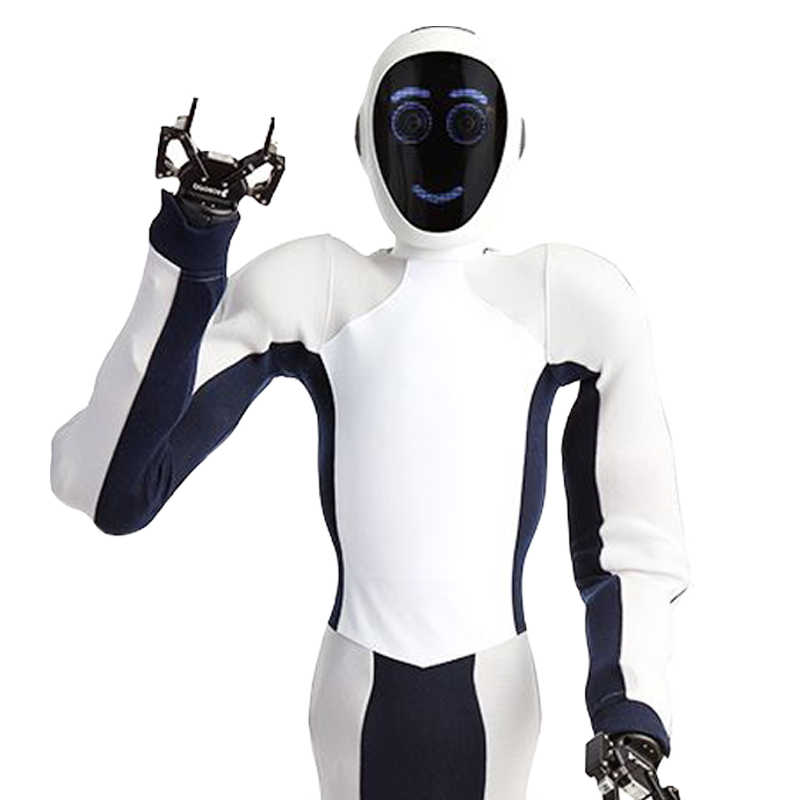
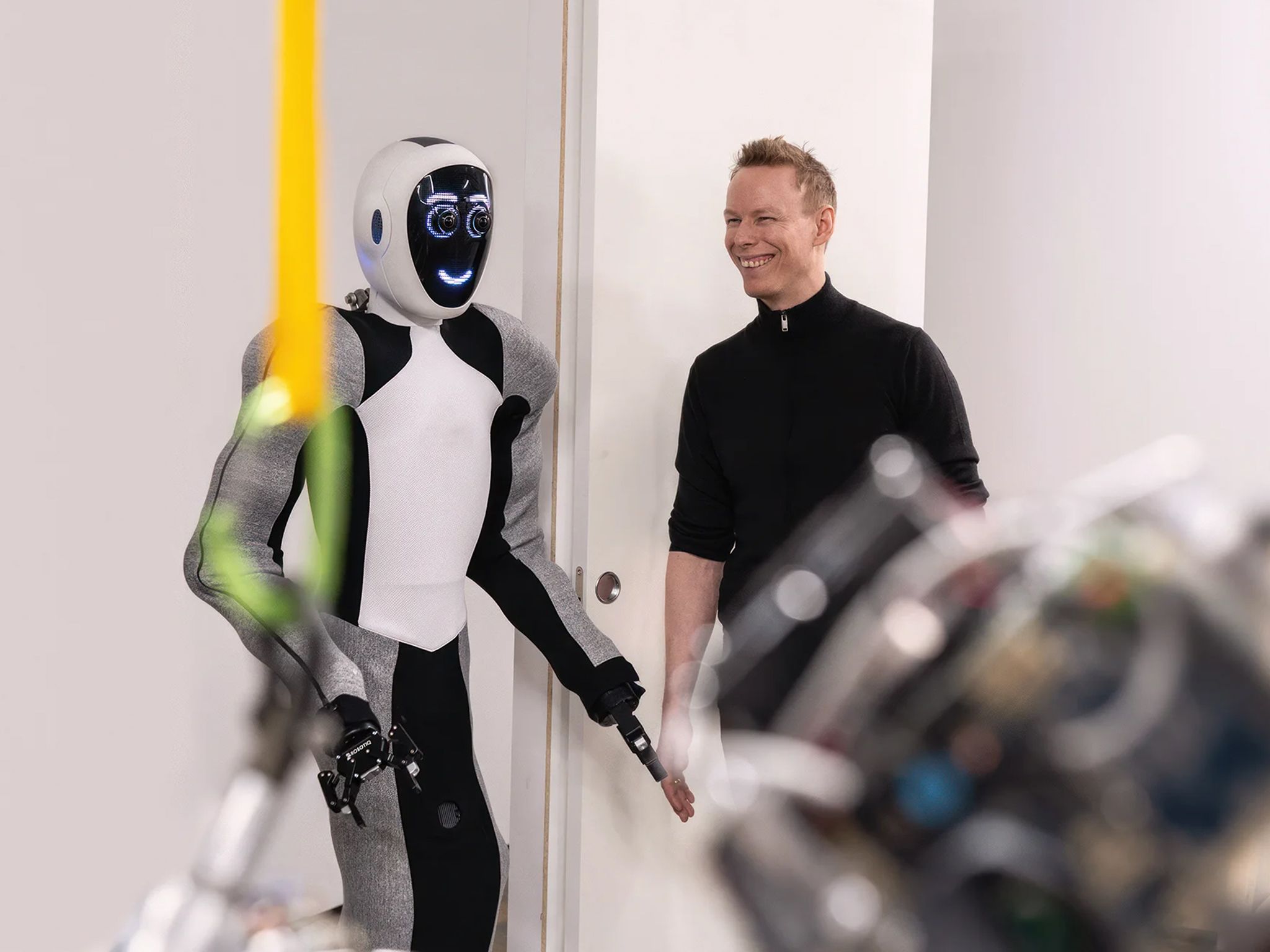
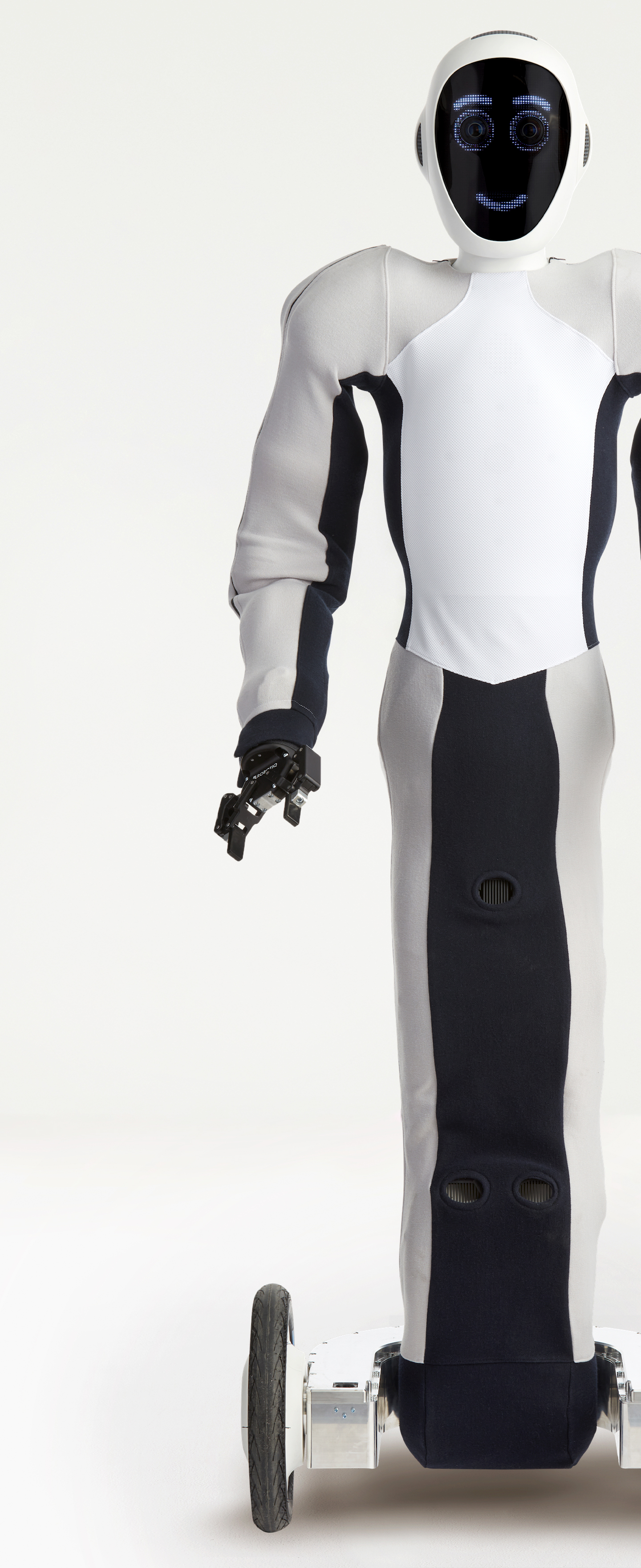
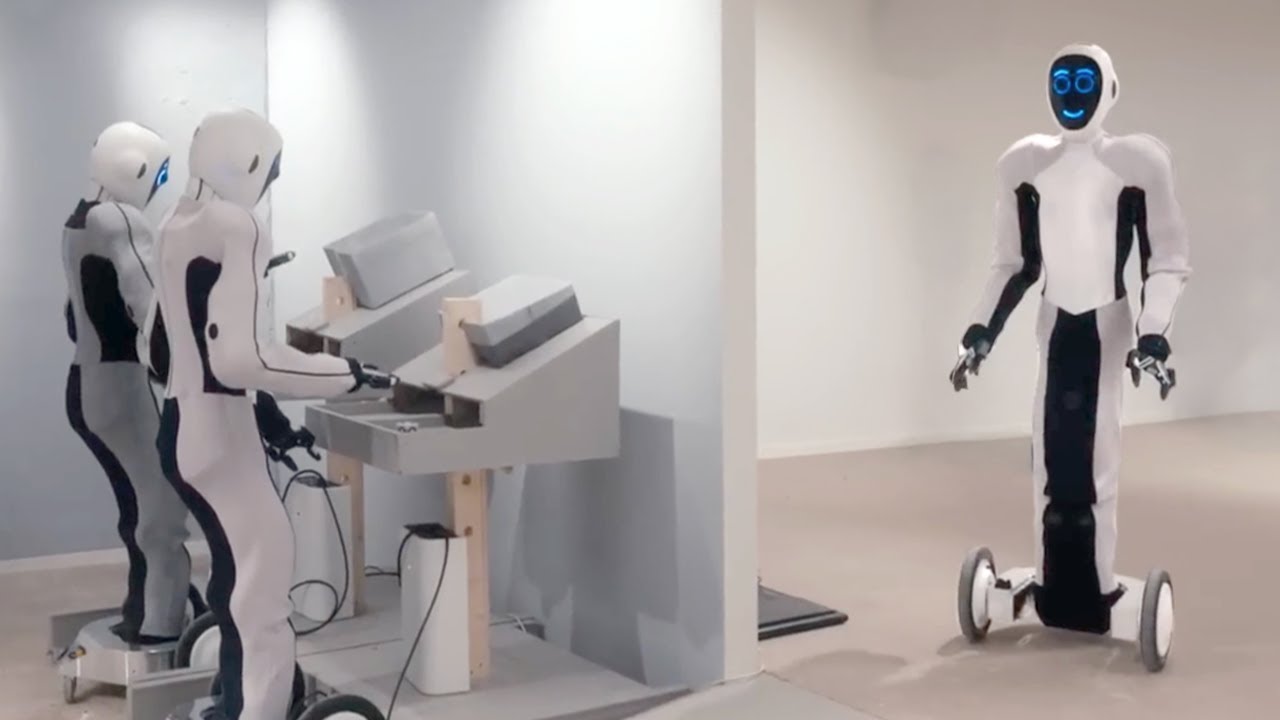
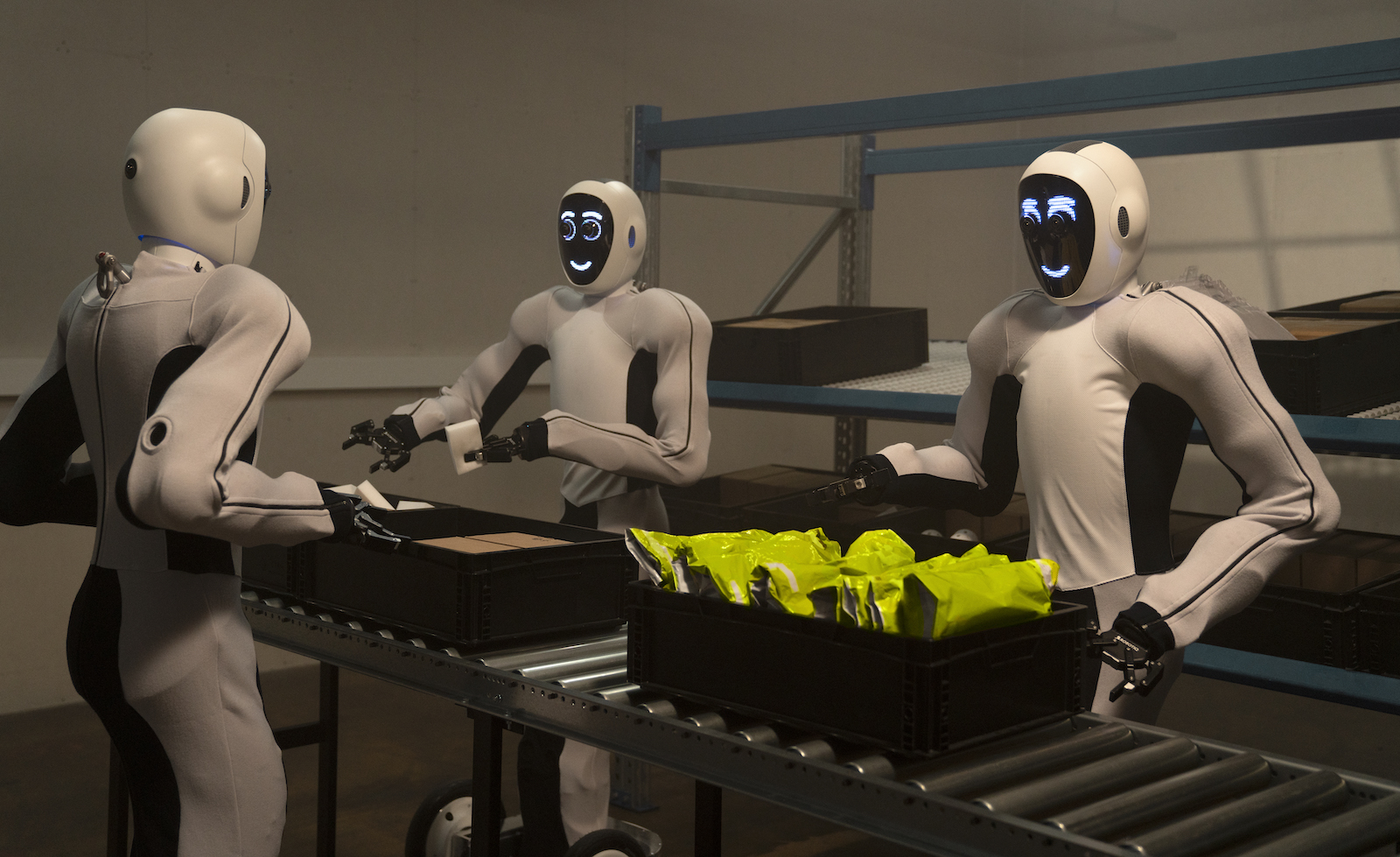
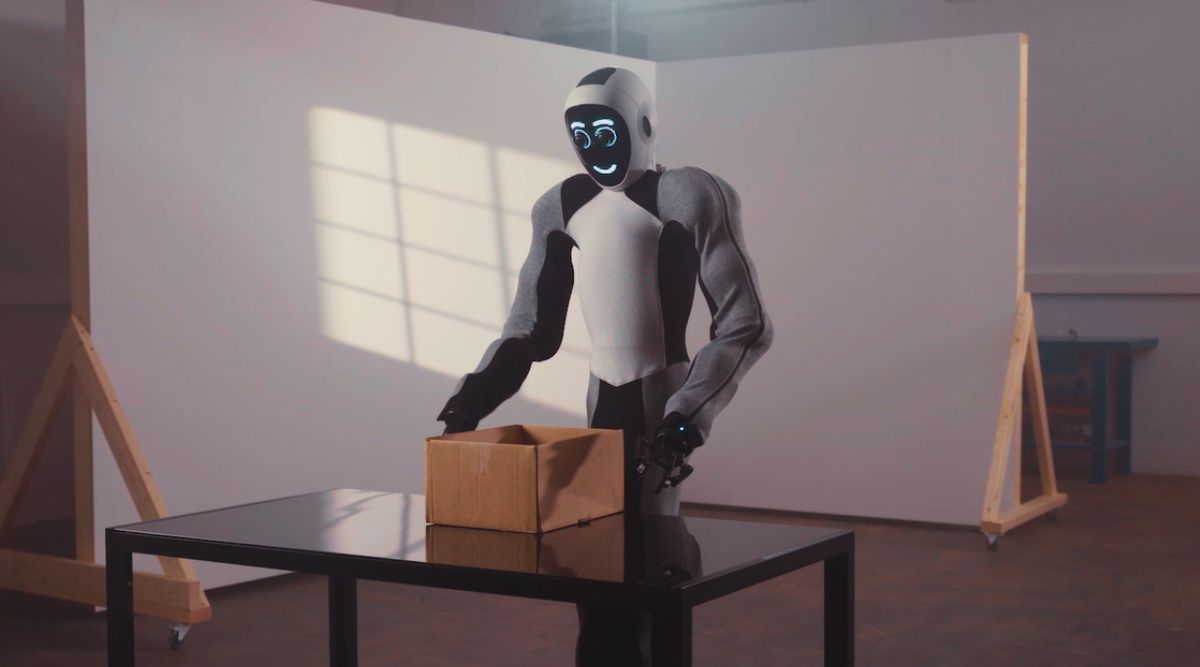
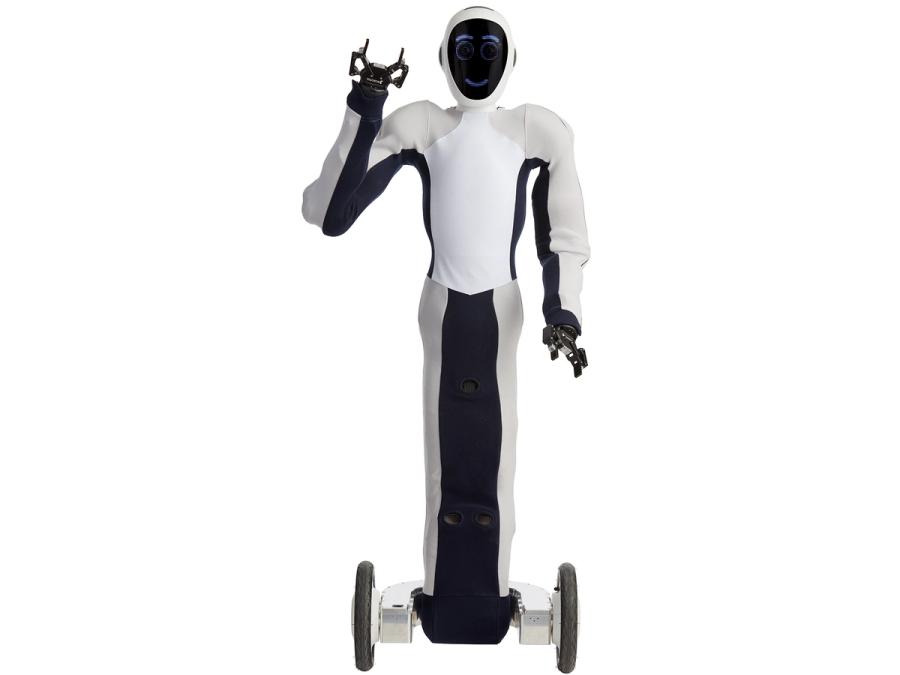
The 1X EVE is a wheeled humanoid robot developed by Norwegian company 1X Technologies (formerly Halodi Robotics). Standing 1.85 m tall and weighing 85 kg, EVE features a humanoid upper body on a wheeled base, enabling it to perform security patrol, logistics transport, and light manipulation in commercial environments. Its 22 degrees of freedom include 7-DOF arms and grippers, allowing it to open doors and manipulate objects. Equipped with lidar, 3D cameras, and ultrasonic sensors, EVE navigates autonomously. A custom Linux AI processor handles real-time perception. EVE was deployed in a commercial security pilot with ADT Security in 2022 but has since been superseded by the bipedal 1X NEO model.
Specifications
Here are the full technical specifications.
| Spec | Value |
|---|---|
| Height | 1850 mm |
| Weight | 85 kg |
| Degrees of freedom | 22 |
| Battery life | 6 hours |
| Max speed | 5.4 km/h |
| Payload | 15 kg |
| Price (new) | ~$100,000 (est.) |
| Price (used range) | N/A |
Price & Value
New MSRP: ~$100,000 (est.)
Used range: N/A (discontinued, no used market)
1X never sold EVE directly to consumers; the estimated production cost was around $100,000 per unit as of 2022. Commercial customers like ADT Security leased EVE for approximately $50,000 per year, making it a capital-light option for enterprise security. Compared to security robots like Knightscope K5 (pricing undisclosed but typically leased in the thousands monthly) or Boston Dynamics Spot ($74,500), EVE offered humanoid manipulation but at a premium. With EVE now discontinued, secondary market units are rare, and any used robot would likely sell at a steep discount—perhaps $20,000–$40,000—if operational history can be verified. Buyers should consider that EVE’s wheeled base limits it to flat indoor floors, unlike quadruped or bipedal alternatives.
Who Is It For?
Best for: - Security companies seeking to replace patrolling guards in indoor commercial spaces (EVE's autonomous navigation and manipulation reduce human costs) - Logistics operations requiring material transport in flat-floor warehouses (15 kg payload) - Research labs studying humanoid-robot interaction for legacy ASI systems (custom Linux, sensor suite)
Not for: - Outdoor security or rough terrain (wheeled locomotion limited to smooth floors) - High-payload industrial tasks (15 kg payload insufficient for heavy lifting) - Home service applications (discontinued model, no consumer support)
Alternatives & Comparison
EVE competed in the niche of humanoid security robots against wheeled and legged alternatives. Here's how it stacks up.
| Model | Price | Available | Key Difference |
|---|---|---|---|
| 1X NEO | Undisclosed | preorder | Bipedal humanoid successor for home and light commercial use; EVE’s direct replacement. |
| Boston Dynamics Spot | $74,500 | yes | Agile quadruped for inspection; no humanoid manipulation, but more versatile over uneven terrain. |
| Knightscope K5 | Undisclosed (leased) | enterprise-only | Non-humanoid outdoor security robot; autonomous patrol without manipulation, lower cost. |
Verdict: If you need a legacy humanoid for security research, EVE offers a reference platform with documented deployment history. However, for new commercial deployments, the 1X NEO (if available) provides bipedal mobility and modern design. Boston Dynamics Spot is a better choice for rugged inspection, while Knightscope K5 excels in outdoor patrol at lower cost. EVE is essentially a historical robot—useful for understanding early ASI, but not a practical purchase in 2026.
Use Cases & Capabilities
Security Patrol
EVE was deployed for autonomous indoor security patrols, using its lidar and cameras to navigate hallways, detect intrusions, and report anomalies. In the 2022 ADT pilot, EVE performed regular rounds and could be teleoperated by security staff when intervention was needed. Its ability to open doors allowed access to secured areas. However, wheeled locomotion limited patrol to smooth floors and elevators, and the 6-hour runtime required mid-shift recharging. Discontinued, EVE remains a proof concept for humanoid security automation.
Logistics Transport
With a 15 kg payload and a wheeled base, EVE could autonomously move parcels or materials within warehouses and retail spaces. Its humanoid arms and gripper enabled loading and unloading items, making it more versatile than fixed conveyor systems. The robot’s custom Linux OS integrated with warehouse management software for route planning. Noise from actuators and 1.5 m/s max speed made it suitable only for non-time-critical tasks. EVE’s logistics use was superseded by dedicated mobile manipulators, but its design influenced the later NEO for indoor delivery.
Research & Development
As one of the first commercially deployed wheeled humanoids, EVE offers a valuable testbed for studying human-robot interaction and autonomous navigation in human environments. Its open sensor suite (3D cameras, lidar, IMU) and embedded AI processor facilitate algorithm development. Universities that acquired units (likely through 1X’s research partnerships) can experiment with manipulation, SLAM, and safety systems. However, EVE’s discontinued status means limited spare parts and community support, making long-term research challenging without manufacturer backing.
History & Background
1X Technologies was founded in 2014 by Bernt Øivind Børnich in Horten, Norway, originally as Halodi Robotics. The company aimed to build general-purpose humanoids using proprietary low-geared actuator technology for safety. EVE, first built in 2020, was the company’s second-generation robot, featuring a wheeled base and dual arms. A third-generation EVE was produced in 2022, with improved computing and sensors, and deployed in a commercial security pilot at ADT. During 2023–2024, 1X shifted focus to the bipedal NEO, which debuted in late 2023. EVE was officially discontinued, with units sold or leased to early adopter enterprises. The company raised significant funding from OpenAI and Tiger Global, reaching a valuation over $1 billion by 2024, cementing its place in the humanoid race.
Buying Used — What to Check
Verify battery health Battery likely degraded after 2+ years; replacement may be unavailable.
Confirm sensor calibration Lidar and cameras may need recalibration; check error logs.
Obtain operation logs Autonomous navigation history may reveal hardware strain; request maintenance records.
Check for spare parts 1X no longer supports EVE; actuator and board repairs are difficult.