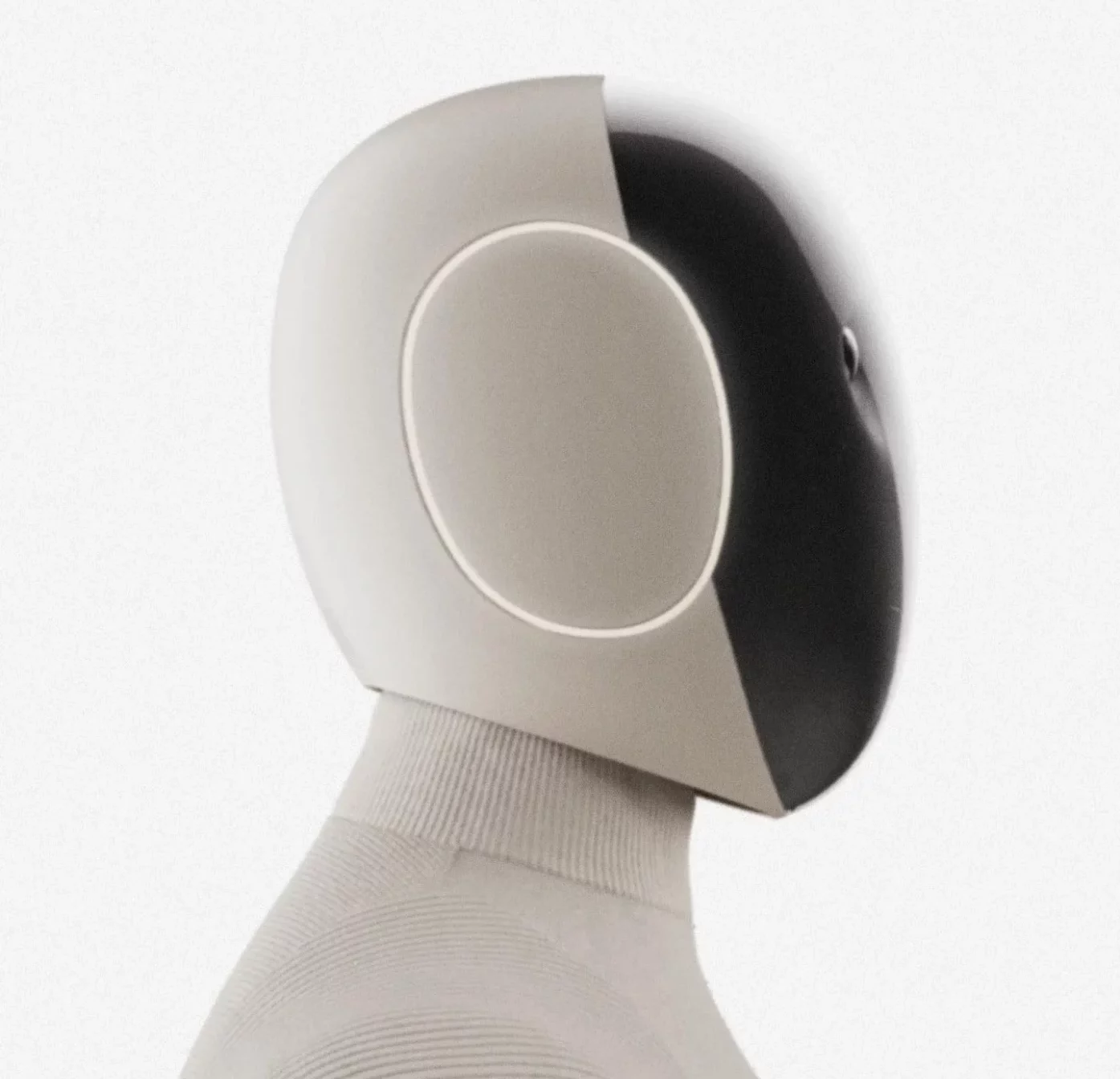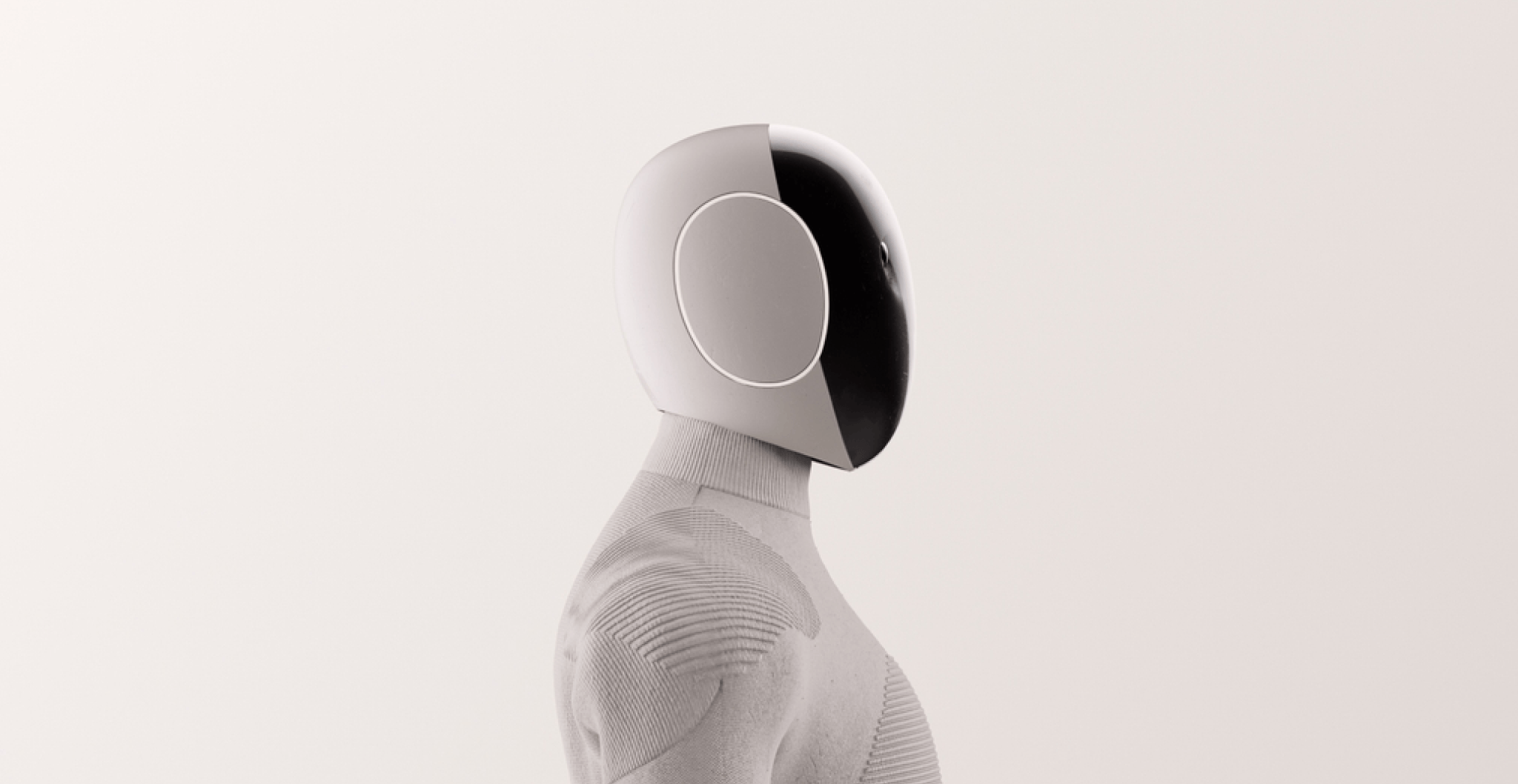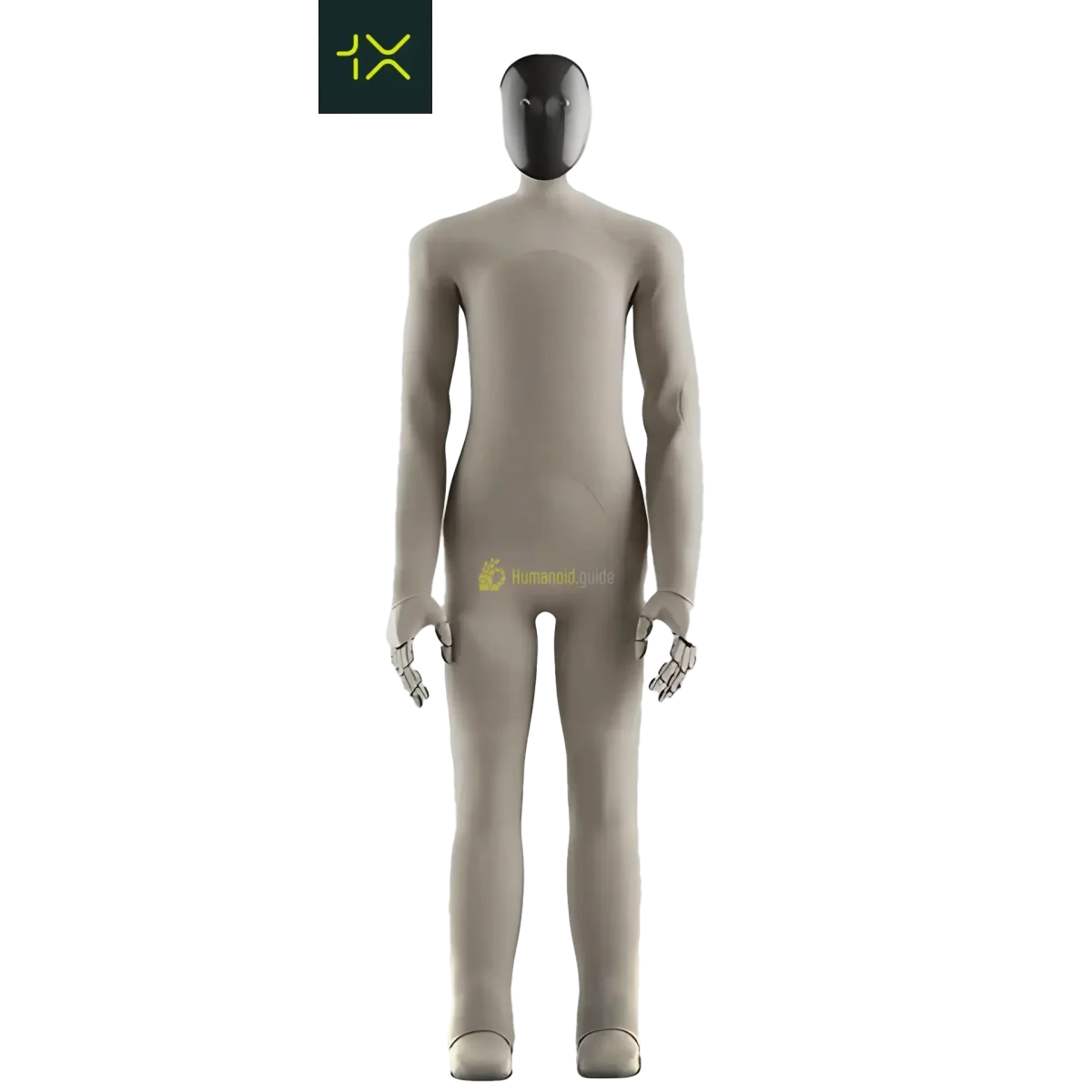
What is the 1x Neo Gamma?
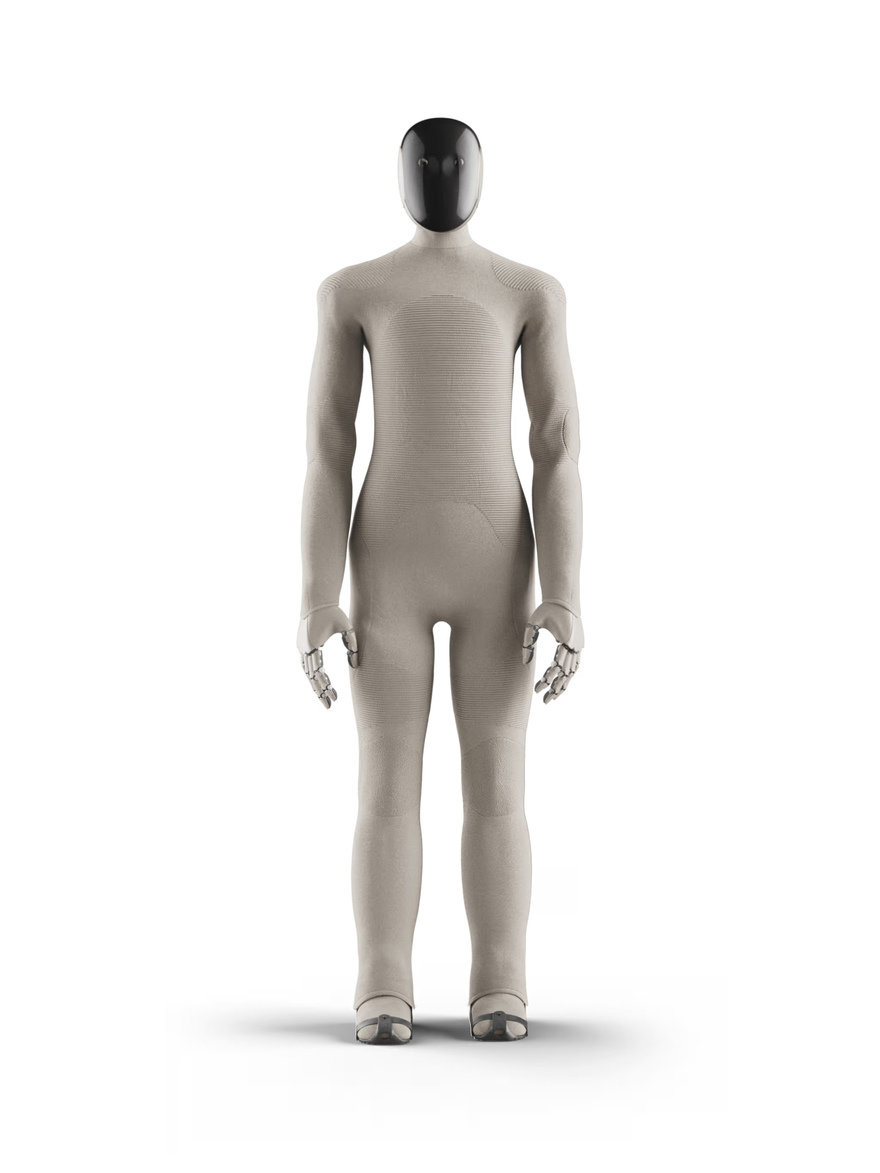
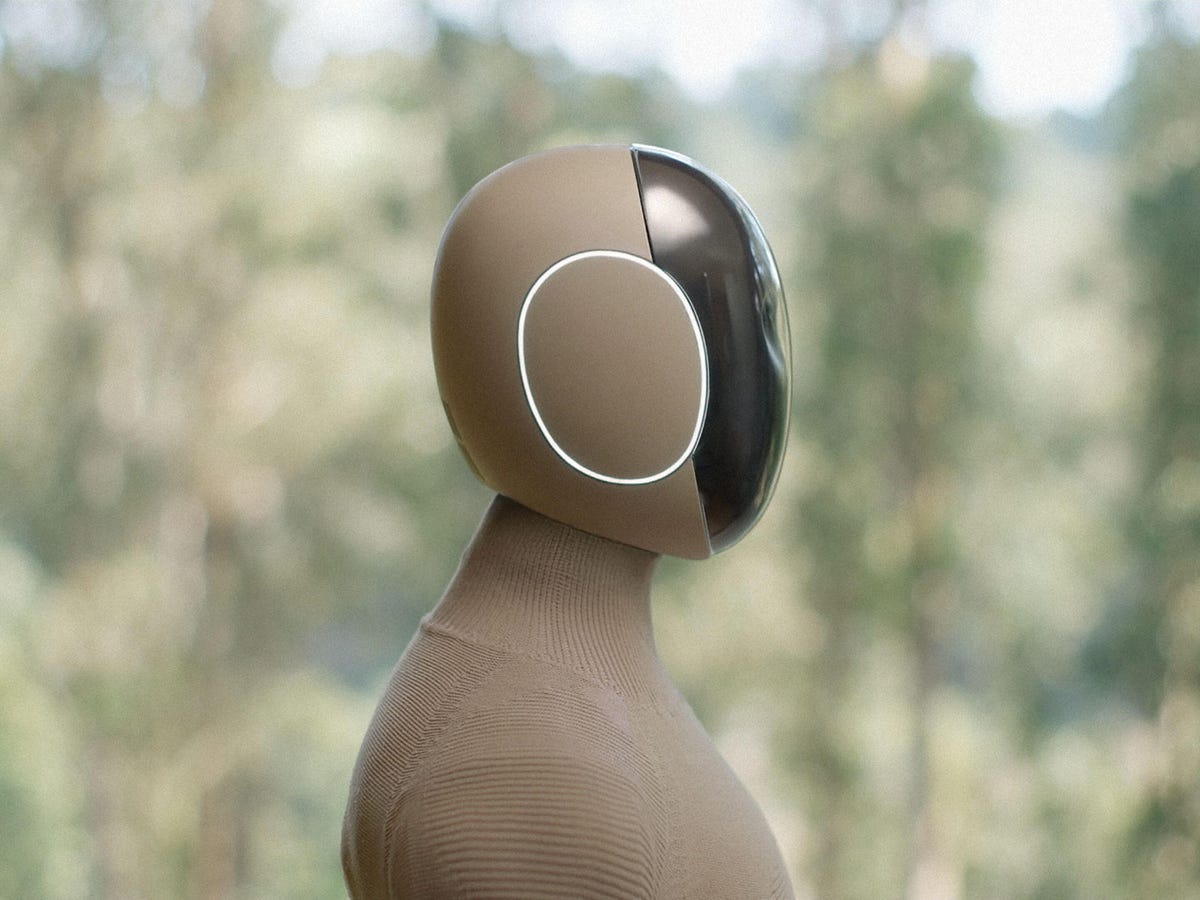
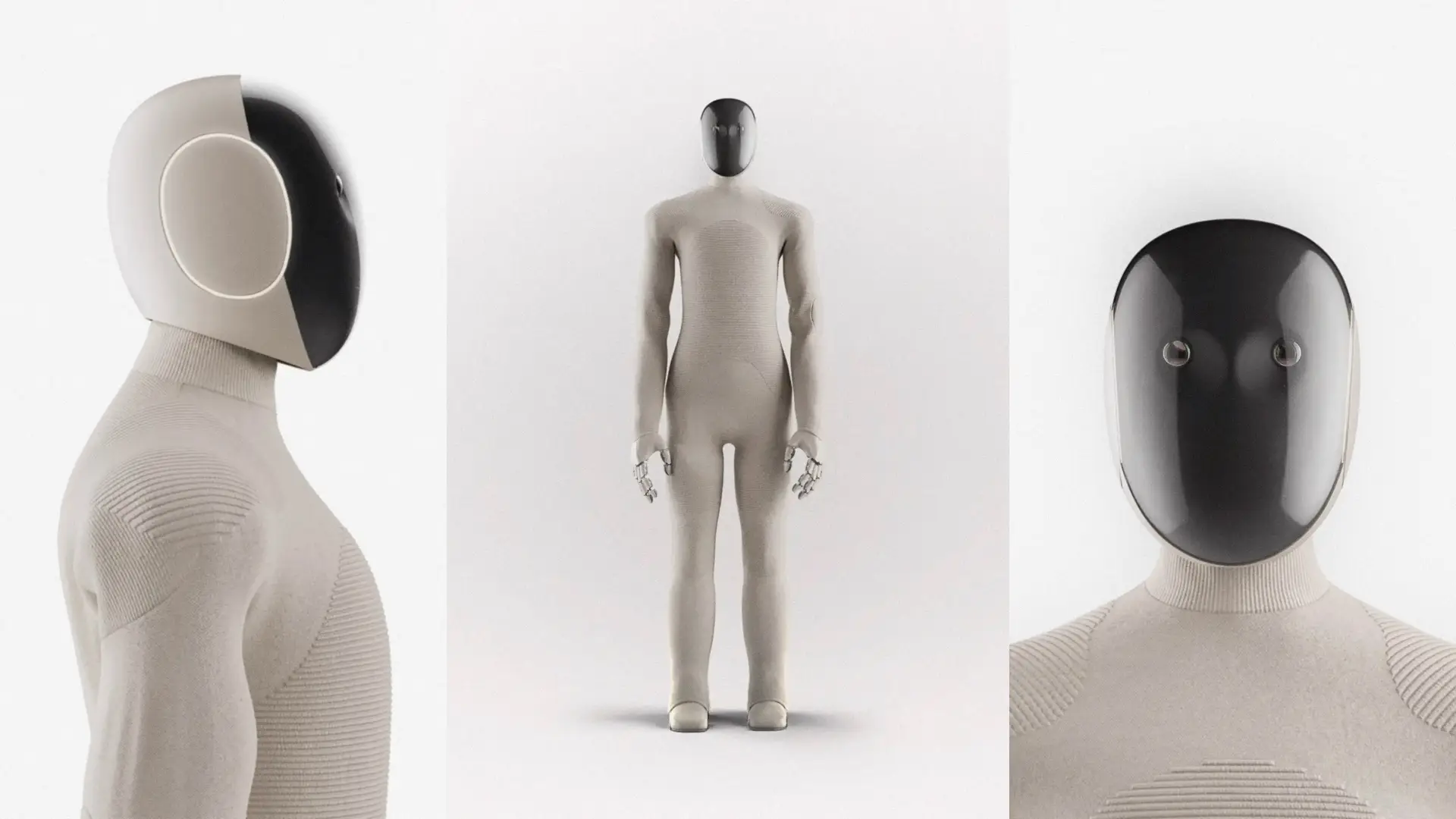
NEO Gamma is a humanoid home robot developed by 1X Technologies, headquartered in Moss, Norway. Designed for consumer and home environments, it features a soft-bodied, tendon-driven actuation system that allows quiet, safe interaction with humans. Unlike rigid humanoids from other manufacturers, its soft skeleton and compliant joints minimize injury risk, making it uniquely suited for homes with children or elderly. Weighing just 30 kg and standing 1.67 meters tall, it is relatively lightweight and compact. The robot embodies Scandinavian design—minimal, functional, and safe—and is intended for household chores, conversation, and continuous learning. NEO Gamma is currently in pre-production with plans for early US deliveries in 2026.
Specifications
Here are the full technical specifications.
| Spec | Value |
|---|---|
| Height | 1.67 m |
| Weight | 30 kg |
| Degrees of freedom | 25 |
| Battery life | 4 hours |
| Max speed | 5 km/h |
| Payload | Not specified |
| Price (new) | $20,000 (pre-order, $200 deposit) |
| Price (used range) | N/A (first units expected 2026) |
Price & Value
New MSRP: $20,000
Used range: N/A (pre-order)
At an anticipated $20,000, NEO Gamma positions itself in the emerging consumer humanoid market alongside Tesla's Optimus. This is a significant step toward affordability compared to earlier research humanoids costing six figures. The pre-order model includes a $200 deposit, signaling 1X's intent to directly sell to households, not just enterprises. Value-wise, the robot's light weight and soft design promise lower ownership risks, but actual utility will depend on software maturity. Depreciation is uncertain—early adopters may face steep drops as technology improves, but scarcity could prop up resale values initially. Total cost of ownership will include charging, possible component replacements, and software updates. Potential buyers should also consider that 1X may offer upgrade programs or a subscription model for continuous AI features, though details remain undisclosed. For a home assistant, the value proposition hinges on long-term, reliable autonomy, which remains unproven in real-world deployments.
Who Is It For?
Best for: - Homeowners seeking a safe, quiet robotic companion for light chores and interaction (30 kg weight, soft body) - Elderly or child-friendly households where safety is paramount (soft skeleton, tendon-driven compliance)
Not for: - Industrial manufacturing or heavy lifting (unknown arm payload, limited speed)
Alternatives & Comparison
NEO Gamma competes directly with other affordable humanoids targeting home use, notably Tesla Optimus and Fourier GR-1.
| Model | Price | Available | Key Difference |
|---|---|---|---|
| Tesla Optimus | $20,000 (target) | preorder | Industrial roots with Tesla ecosystem; more powerful but less proven in home interaction. |
| Fourier GR-1 | Undisclosed (est. $50k+) | available | Larger and more robust, designed for industrial tasks; less emphasis on consumer safety. |
Verdict: For home environments where safety and quiet operation are critical, NEO Gamma's soft skeleton and tendon drives give it an edge over traditional rigid humanoids. Its lightweight design also reduces potential damage to the home. However, if you need heavy payload capability or Tesla's extensive AI ecosystem, Optimus may be a better future bet once both are commercially available. The Fourier GR-1 is not yet consumer-focused, making NEO Gamma the most viable home robot option today. Buyers who prioritize research or educational use might also consider NEO Gamma as a gentle, approachable platform.
Use Cases & Capabilities
Household Chores
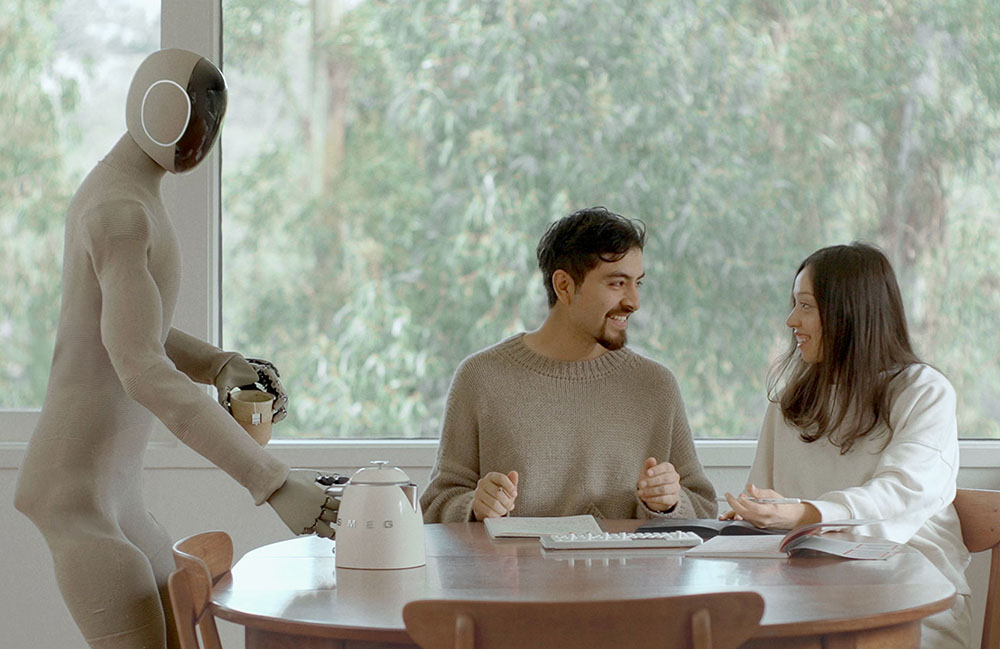
NEO Gamma is designed to perform light domestic tasks such as tidying up, carrying objects up to its standing payload (15 kg), and organizing household items. Its bipedal locomotion allows it to navigate typical home layouts, stairs, and tight spaces. The soft shell and tendon drives minimize noise, making it unobtrusive during operation. While its arm payload is unconfirmed, it is expected to handle everyday items like dishes and laundry. Users may need to manage expectations since full autonomy in unstructured homes remains challenging.
Conversational Companion
With built-in speech capabilities, NEO Gamma can engage in natural conversations, answer questions, and provide companionship. Its continuous learning systems allow it to adapt to user preferences and habits over time. The robot's approachable design—lightweight and softly built—encourages interaction without fear of injury. For elderly or isolated individuals, it offers social presence and reminders for medication or appointments. However, its conversational depth likely depends on cloud-based AI, so privacy implications should be considered.
Continuous Learning & Assistance
1X has highlighted NEO Gamma's ability to learn from daily interactions, gradually improving task performance. This continuous learning extends to physical actions, such as learning how to handle delicate items or optimizing navigation routes. Over months, the robot should become more efficient and personalized. For families, this means a helper that grows more useful rather than remaining static. The underlying AI and sensor suite remain undisclosed, but the vision aligns with the long-term goal of truly adaptive home robots.
Educational Tool
For robotics enthusiasts and educational institutions, NEO Gamma offers a hands-on platform for exploring humanoid locomotion, soft robotics, and AI integration. Its relatively low weight and safe design make it suitable for university labs experimenting with human-robot interaction. The pre-order price, while high for consumers, is competitive for research grants. However, limited software documentation and unconfirmed API availability may hinder early adopters. As an emerging platform, it could complement curricula on future home automation and assistive technology.
History & Background
1X Technologies was founded in 2014 in Moss, Norway, originally as Halodi Robotics, focusing on service robots. The company rebranded to 1X in 2022, emphasizing its mission to build humanoids for everyday use. NEO Beta, a predecessor prototype, demonstrated early soft-robotics principles. In 2025, 1X unveiled NEO Gamma, a refined version with improved tendon drives, safety features, and a consumer-ready form factor. Pre-orders opened with a $200 deposit, targeting early US deliveries in 2026. The company has attracted significant investment, including backing from OpenAI. NEO Gamma represents one of the first purpose-built home humanoids from a European manufacturer, challenging US and Asian dominance in the sector. Its development reflects a safety-first philosophy, driven by a desire to integrate robots into intimate domestic spaces.
Buying Used — What to Check
Verify software maturity Early units may lack polished capabilities; ask for a demo of cleaning or conversation to avoid disappointment.
Battery health Aftermarket units may have degraded batteries; replacement costs are unknown and could affect runtime.
Deposit transfer If buying a reservation, ensure 1X honors the transfer and that the $200 deposit applies to the final price.