What is the Agibot A1?
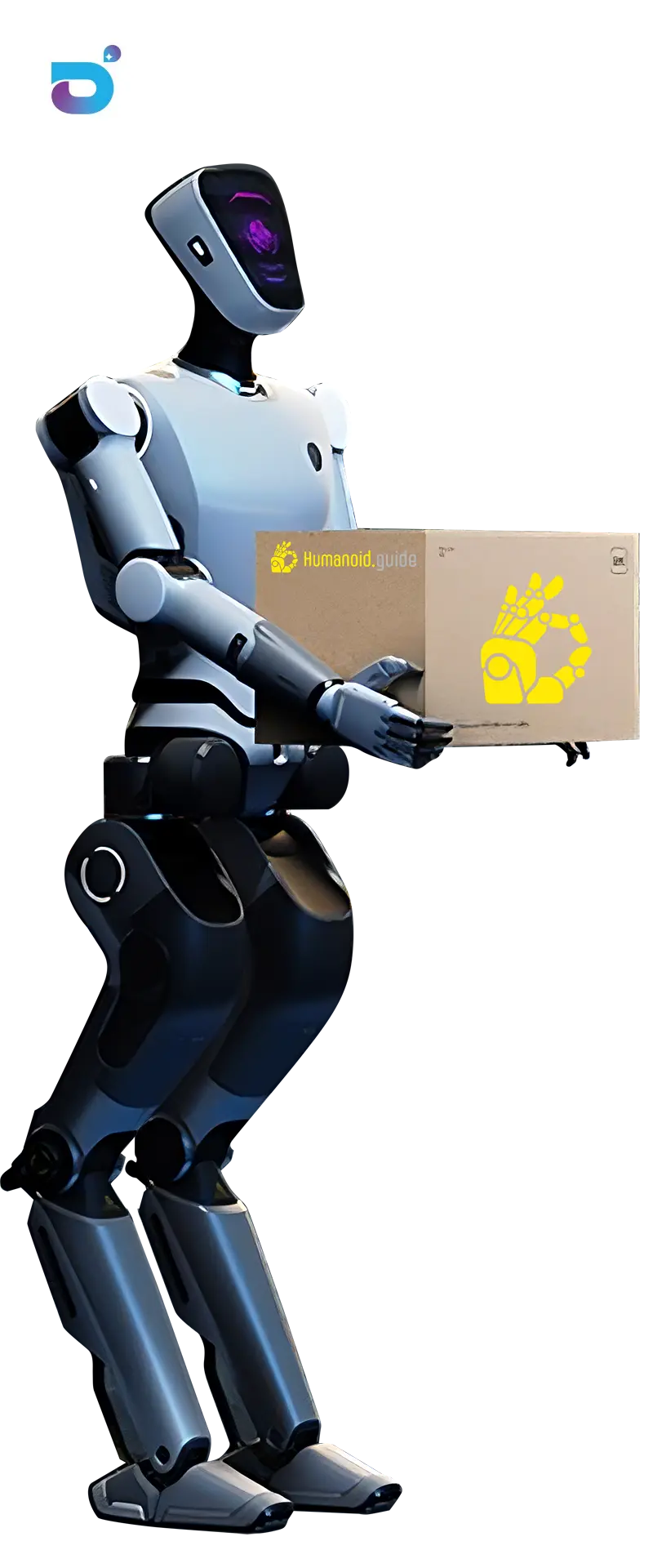
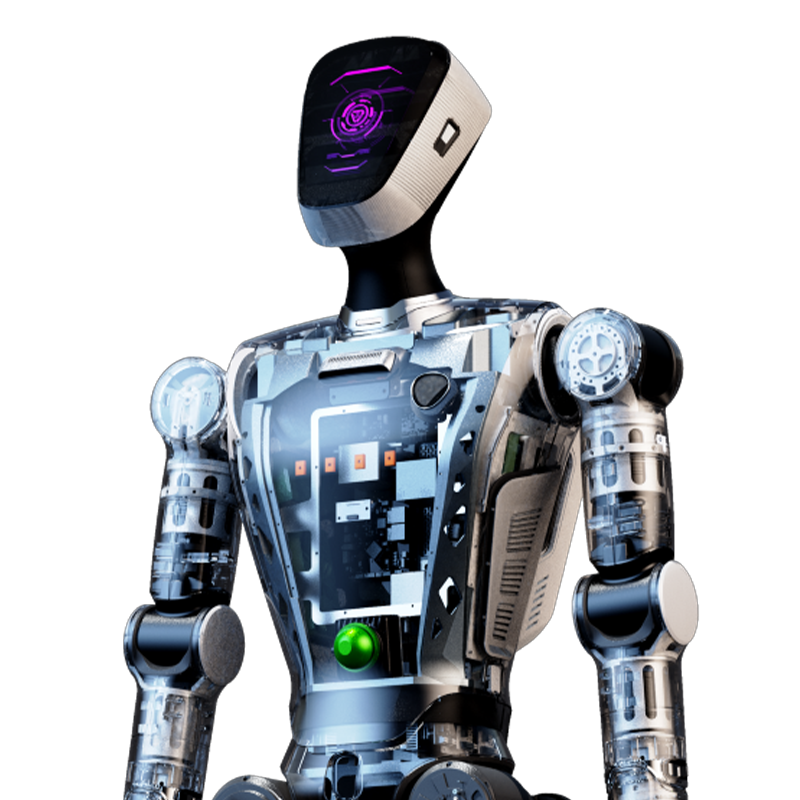
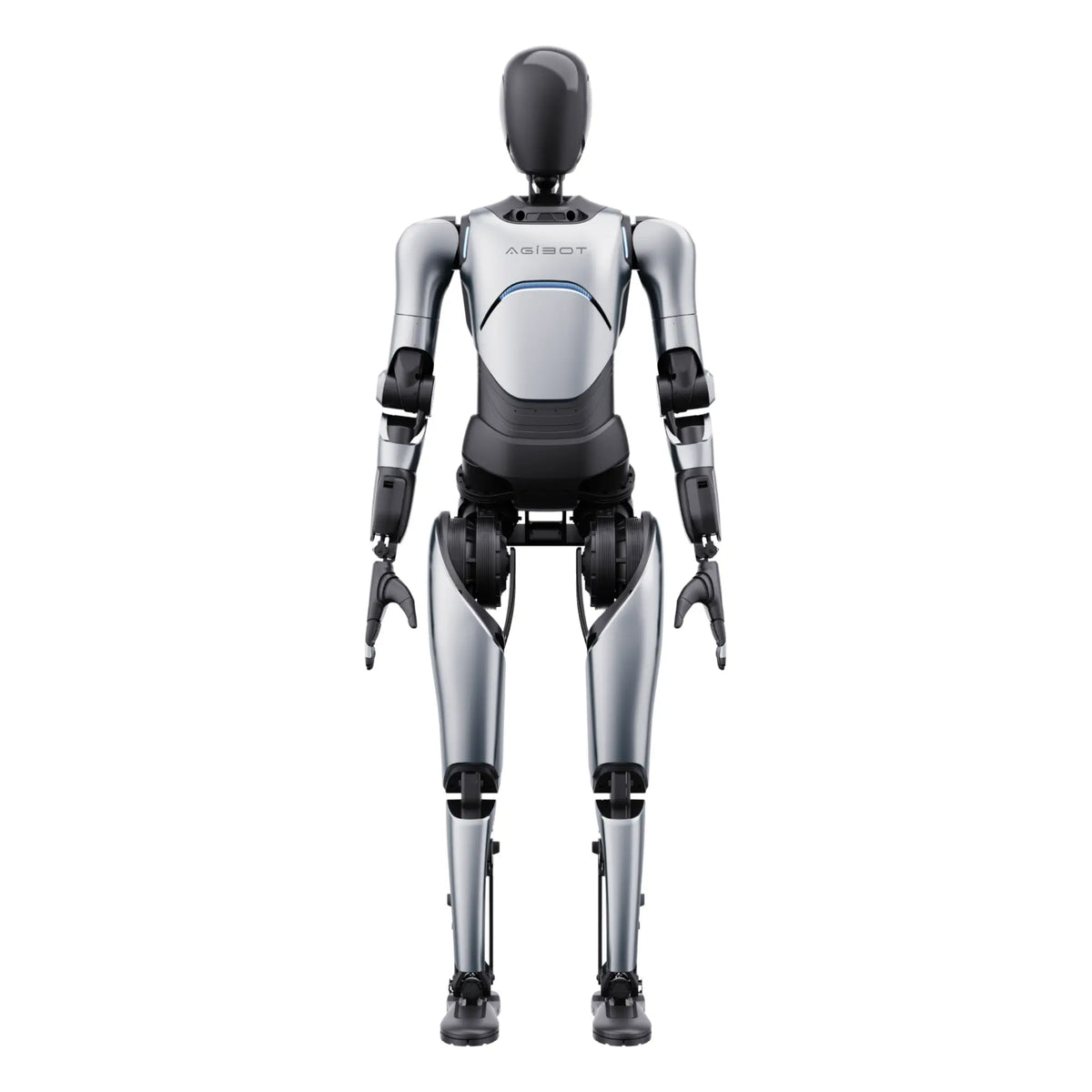
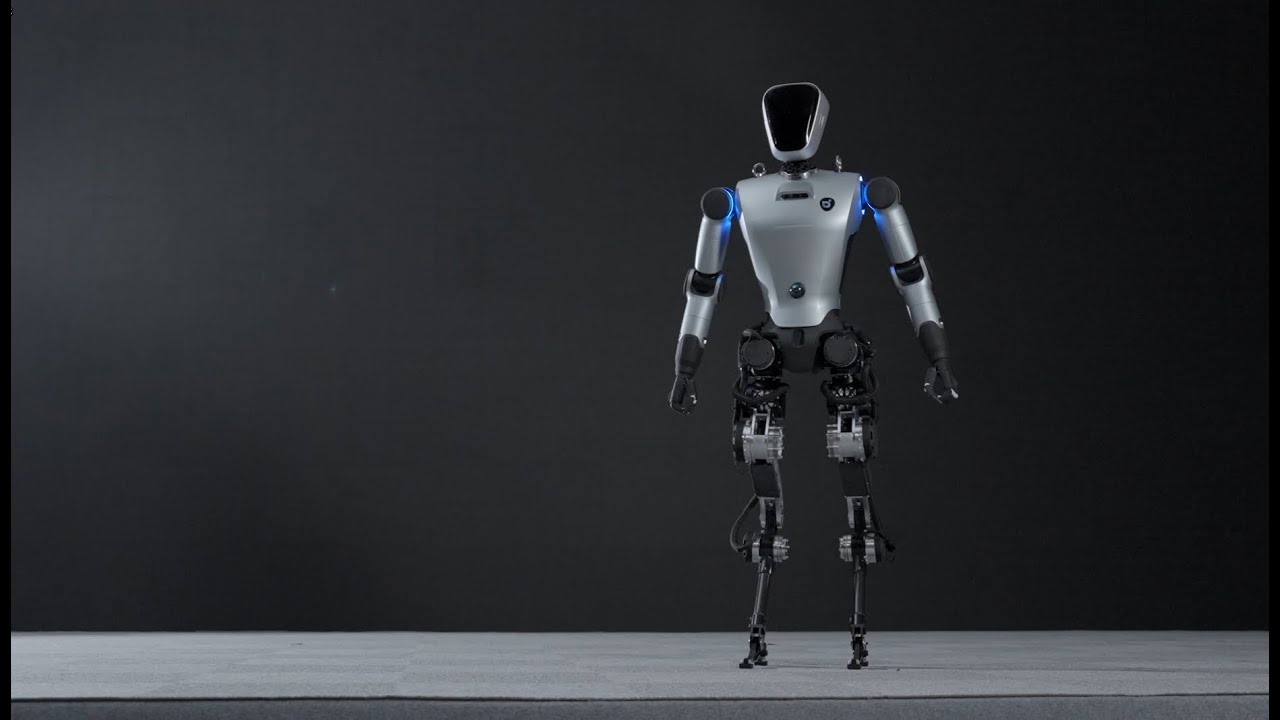
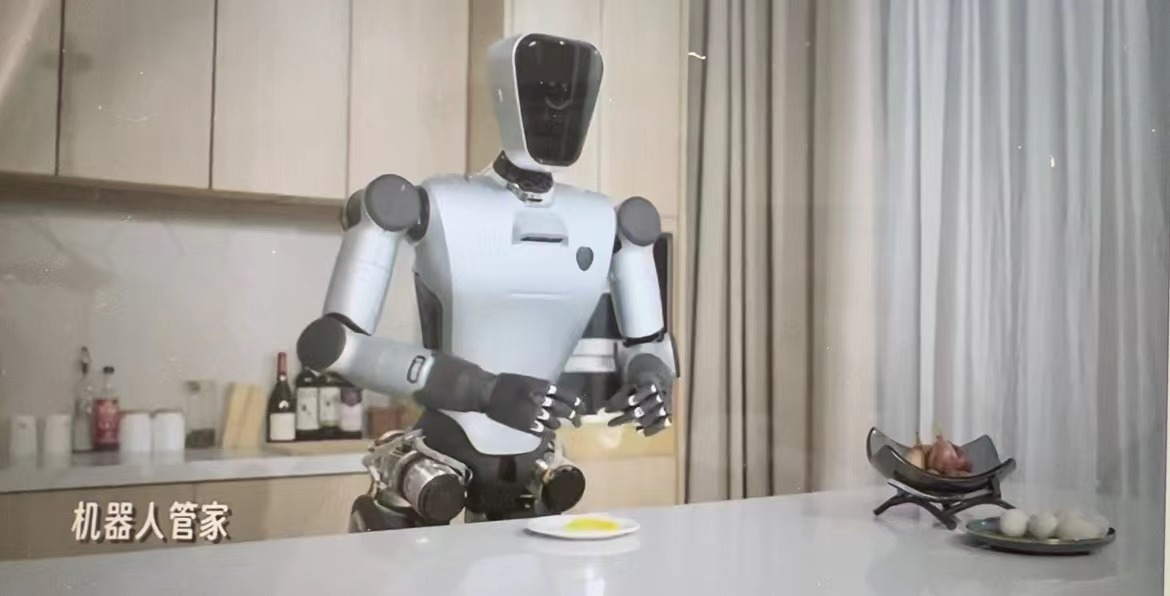
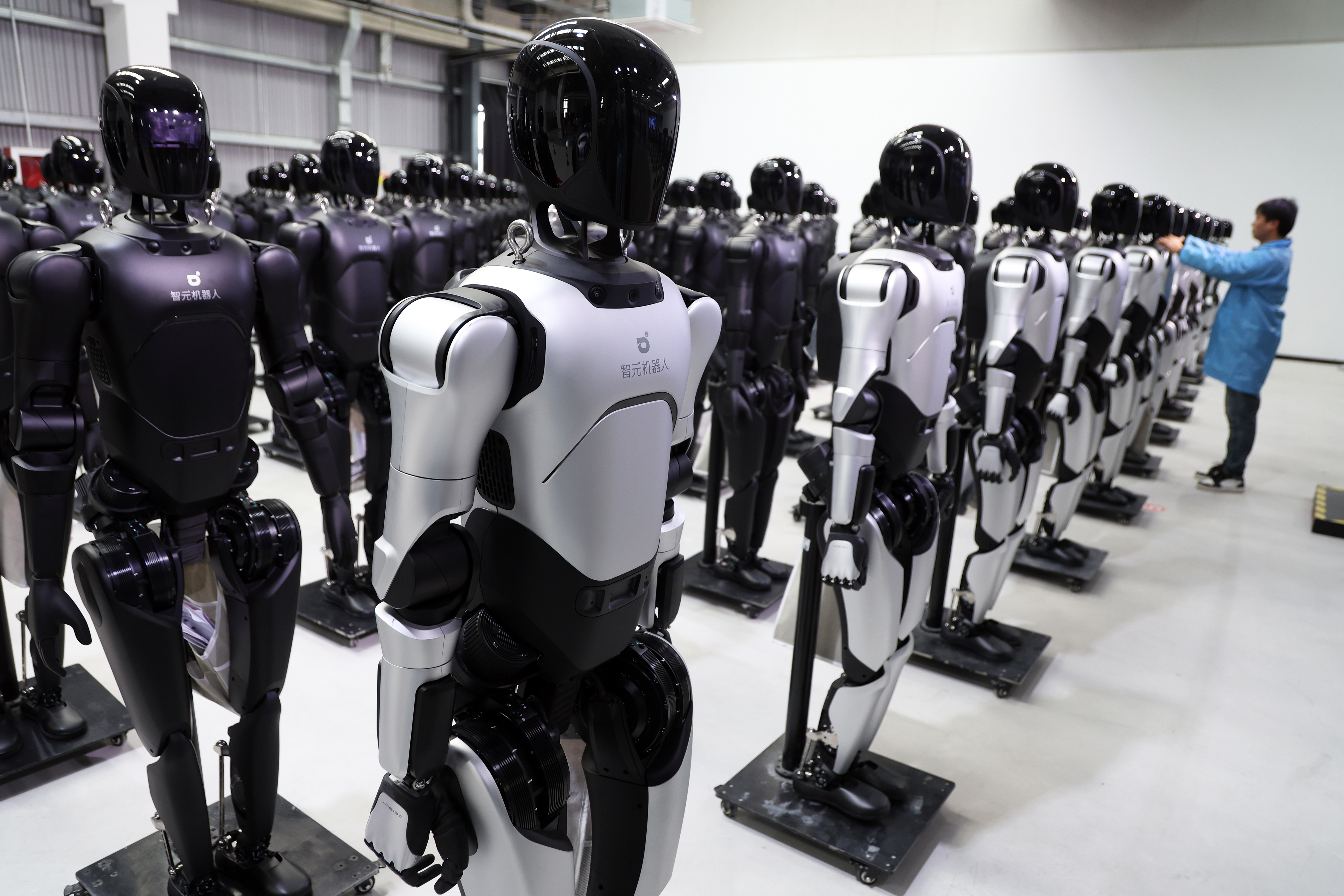
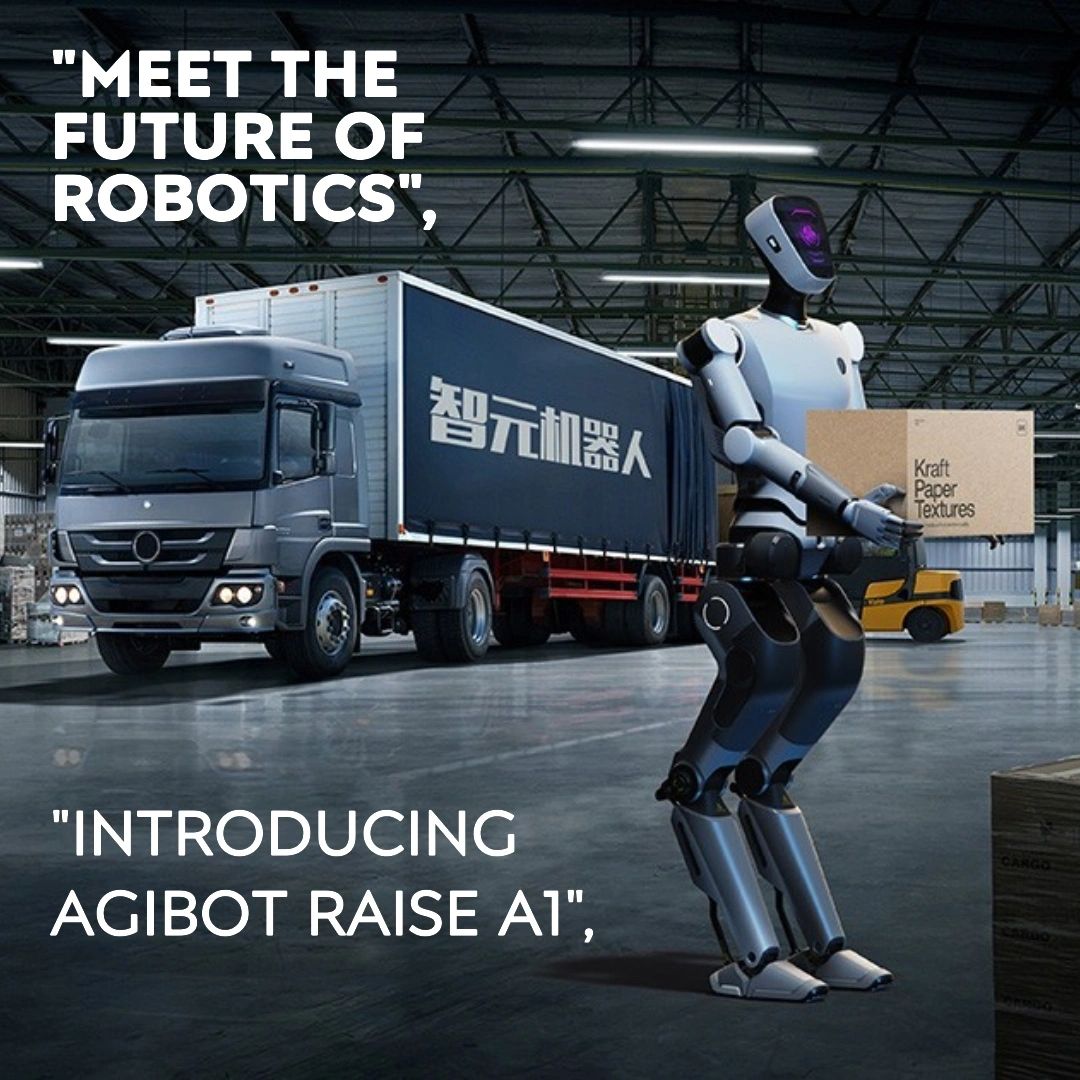
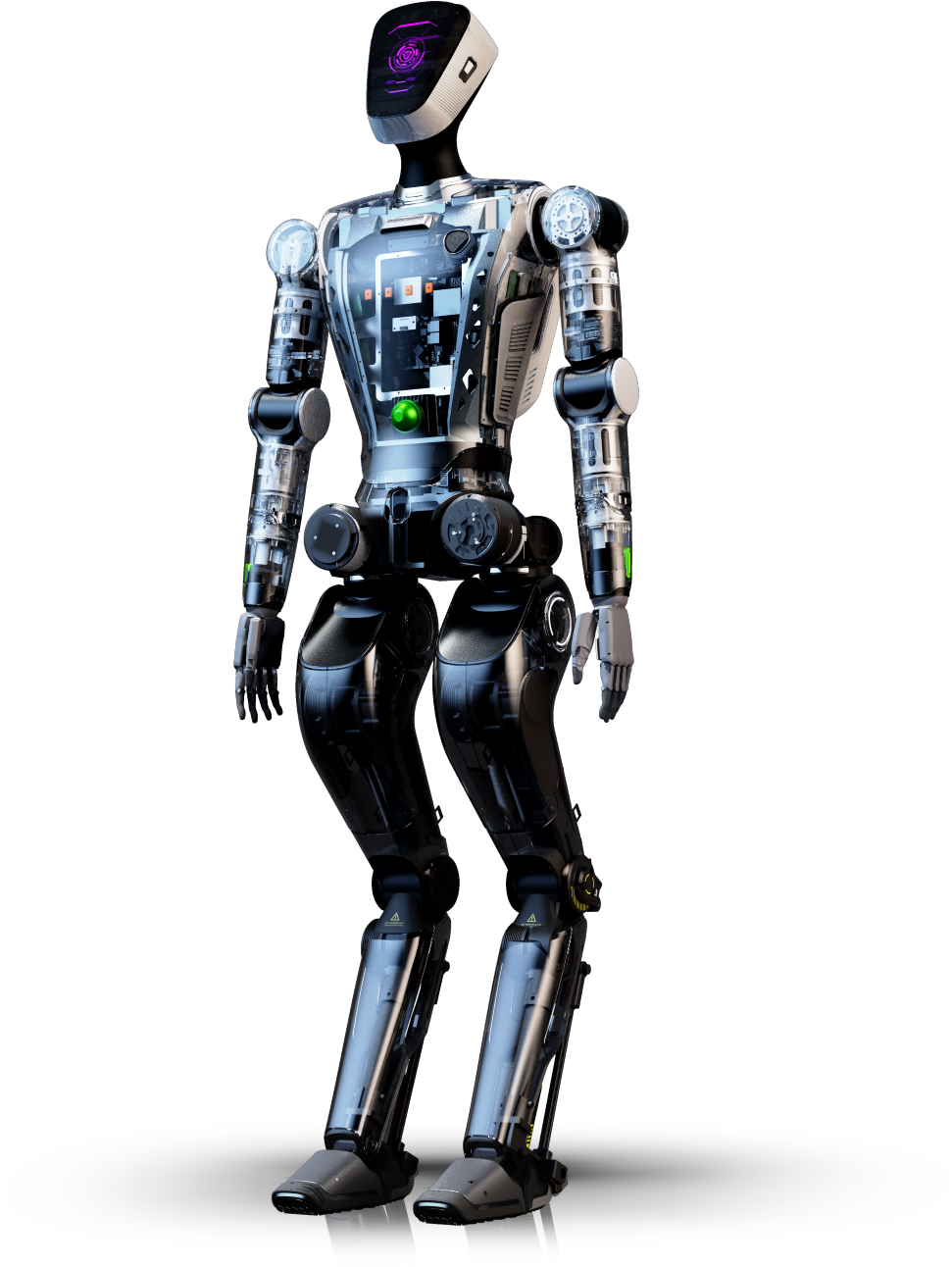
AgiBot RAISE A1 is a full-size humanoid robot developed by AgiBot, a Shanghai-based robotics startup founded in 2023. It was designed as a first-generation platform for industrial automation, particularly in automotive and manufacturing tasks such as bolt tightening, vehicle inspection, and material handling. Standing 1.75 m tall and weighing 53 kg, the RAISE A1 featured 28 degrees of freedom, including 12 DOF in its hands, powered by harmonic drive actuators. It ran on an NVIDIA Jetson Orin compute platform with RGB-D cameras and torque sensors. The robot was first shown in August 2023 and deployed in limited enterprise pilots before AgiBot shifted focus to its A2, G2, and X-series lines. It has since been discontinued, with no public pricing disclosed.
Specifications
Here are the full technical specifications.
| Spec | Value |
|---|---|
| Height | ~1.75 m |
| Weight | ~53 kg |
| Degrees of freedom | 28 |
| Battery life | ~2 hours |
| Max speed | 4.0 km/h |
| Payload | Not specified |
| Price (new) | Undisclosed (enterprise-only) |
| Price (used range) | N/A |
Price & Value
New MSRP: Undisclosed (enterprise-only)
Used range: N/A (no secondary market exists, enterprise asset may be available via direct liquidation)
Since the RAISE A1 was never sold commercially, its true unit cost remains undisclosed. Industry estimates place first-gen humanoids like it in the $150,000–$300,000 range for pilot orders, though AgiBot likely absorbed much of that as R&D expense. The robot’s value proposition was always the data and insights gained from real-world industrial pilots, not direct financial return. With no secondary market, a used A1 today would have little monetary worth unless as a collector’s item or for reverse-engineering. Compared to the $90,000 Unitree H1, which offers superior speed and dexterity with active support, the A1 is a non-starter for practical deployment. Organizations that participated in early pilots may still own units, but spare parts and maintenance are nonexistent, making total cost of ownership prohibitive.
Who Is It For?
Best for: - Industrial R&D labs studying first-gen humanoid automation for bolt-tightening and inspection (access to legacy platforms only) - Automotive manufacturers that participated in early pilot programs (existing units may be available for internal training or spare parts)
Not for: - Any organization seeking a current, supported humanoid robot (the RAISE A1 is discontinued and unmaintained) - Operations requiring high dexterity or heavy lifting (no published arm payload, simple grippers, and limited battery life)
Alternatives & Comparison
The AgiBot RAISE A1, as a discontinued first-gen enterprise humanoid, competes in memory with early Chinese humanoid platforms of 2023. Below we compare it against similar robots of its era that a buyer might consider for historical context or similar use cases.
| Model | Price | Available | Key Difference |
|---|---|---|---|
| Unitree H1 | $90,000 | yes | Earlier release in Aug 2023; lighter at 47 kg, higher max speed 1.5 m/s, actively supported. |
| Fourier GR-1 | Undisclosed | no | Focused on healthcare and rehabilitation, not industrial; similar height and weight. |
| Tesla Optimus (Gen 1) | Undisclosed | no | Proprietary AI, not for sale, used internally by Tesla. |
| Xiaomi CyberOne | Undisclosed | no | Consumer-oriented concept for home assistance, not industrial. |
Verdict: For any practical industrial deployment today, the RAISE A1 is obsolete. The Unitree H1, still supported and priced at $90,000, offers a far better value with higher agility and a clear upgrade path. If you can find a used A1, it’s only worth considering for reverse-engineering or museum display. The successor A2 series from AgiBot, with 49 DOF and active support, should be the real target for enterprise buyers.
Use Cases & Capabilities
Automotive Assembly Line Support
The RAISE A1 made its debut video performing bolt-tightening in a mock vehicle assembly station, a clear signal of its intended role. With a height of 1.75 m, it could naturally reach automotive subframes without complex repositioning. Its 28 DOF and harmonic drive actuators provided smooth, controlled motion for repetitive tasks, though the simple dual-finger gripper restricted it to pre-positioned bolts. Early pilot tests reportedly involved assisting human operators in final assembly, handing tools, and verifying component placement via RGB-D vision. However, the robot’s limited battery life meant it could only work about two hours before needing a charge, making it unsuitable for full-shift deployment without swappable packs or tethering.
Industrial Research and Development
As a research platform, the RAISE A1 offered an NVIDIA Jetson Orin edge computer and a ROS-based architecture, enabling labs to experiment with advanced control algorithms and embodied AI. Its integrated RGB-D cameras and joint torque sensors provided high-quality data streams for perception and force-feedback research. AgiBot’s early decision to use harmonic drives gave the robot backdrivability, valuable for safe human-robot interaction studies. Unfortunately, the platform’s lack of public documentation and early firmware bugs meant that only a handful of partner labs could fully utilize it; it never reached the wider academic community. With the release of the AgiBot X1 open-source platform (34 DOF, lower cost), the RAISE A1’s research relevance has faded, but it remains an interesting case study in first-gen humanoid design.
Material Handling in Manufacturing
In theory, the RAISE A1’s 80 kg standing payload capacity suggested it could lift and transport heavy objects, but the omission of an arm payload rating and its simple gripper meant it could only manipulate lightweight items. The robot’s bipedal locomotion allowed it to traverse factory floors and step over small obstacles, but its top speed of 4.0 km/h fell short of wheeled AMRs that could move faster and carry heavier loads. No known deployments utilized the A1 for material handling, likely because AgiBot prioritized other tasks for its initial demos. Today, the company’s A2 series explicitly targets material handling with detailed payload specs, making the A1 an afterthought in this application.
History & Background
AgiBot (智元机器人) was founded in Shanghai in 2023 by former Huawei engineer Peng Zhihui, who gained fame for creating the X-ARM open-source robotic arm. The company raised substantial funding from BYD, Hillhouse Capital, and HongShan within months, enabling rapid development of multiple humanoid platforms. The RAISE A1 was AgiBot’s first public demonstration, shown in August 2023 in a video performing bolt-tightening—a direct appeal to China’s massive automotive manufacturing sector. While it never reached open mass production, the A1 served as a crucial stepping stone, proving the company’s ability to design and integrate a full-size humanoid. By early 2024, AgiBot had unveiled the Yuanzheng A2, a more advanced sibling with 49 DOF, 80 kg payload, and 5-hour battery life, effectively rendering the A1 obsolete. Today, AgiBot is a major player in China’s humanoid race, having also released the G-series, X-series, and the GO-1 foundation model, while the RAISE A1 remains a historical prototype.
Buying Used — What to Check
Verify motor and gear condition Harmonic drives can wear, and finding spare parts for a discontinued model could be impossible.
Confirm battery health The battery is likely proprietary and may no longer hold a full charge, with no replacements available.
Check for software and documentation Without support, any missing ROS packages or calibration data could render the robot inoperable.