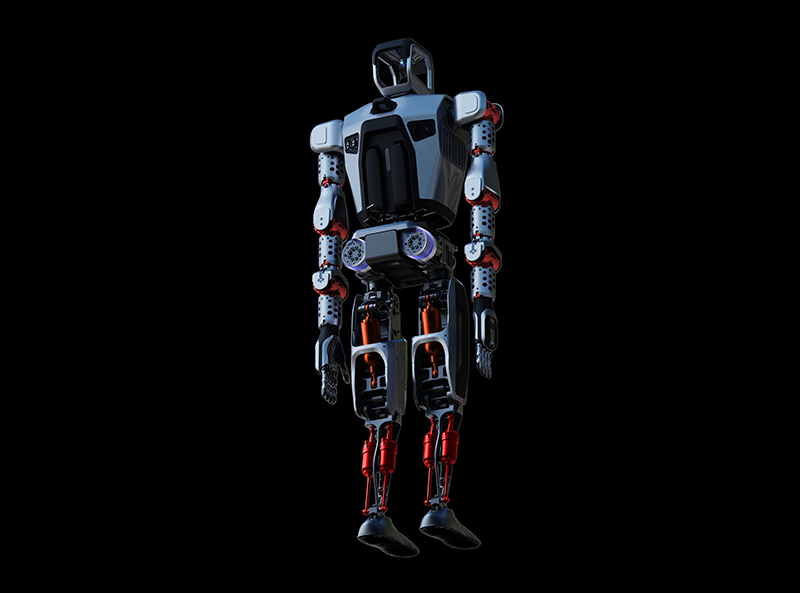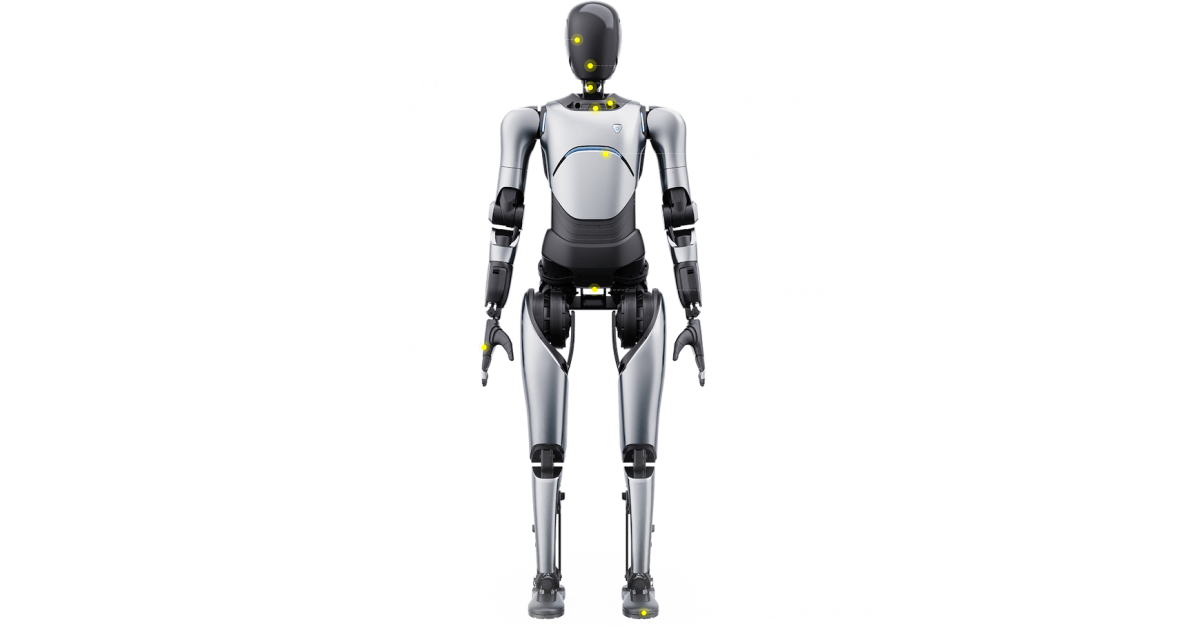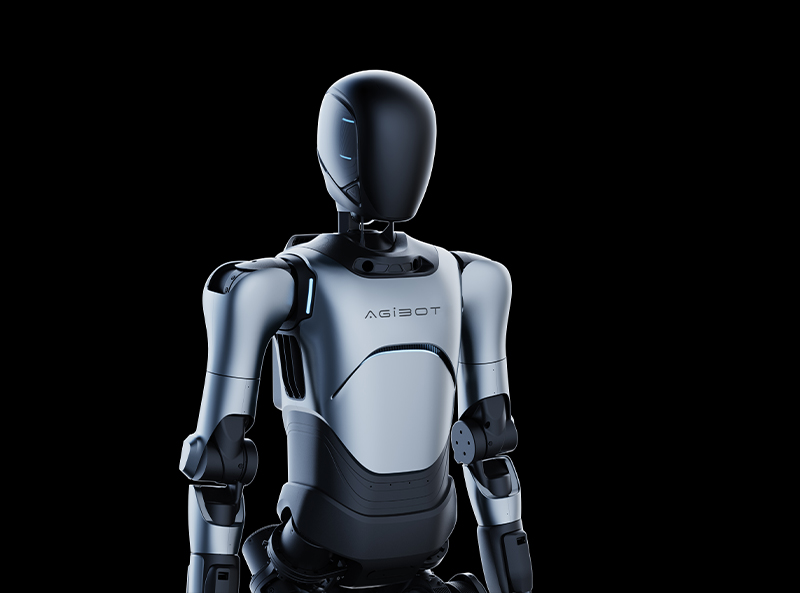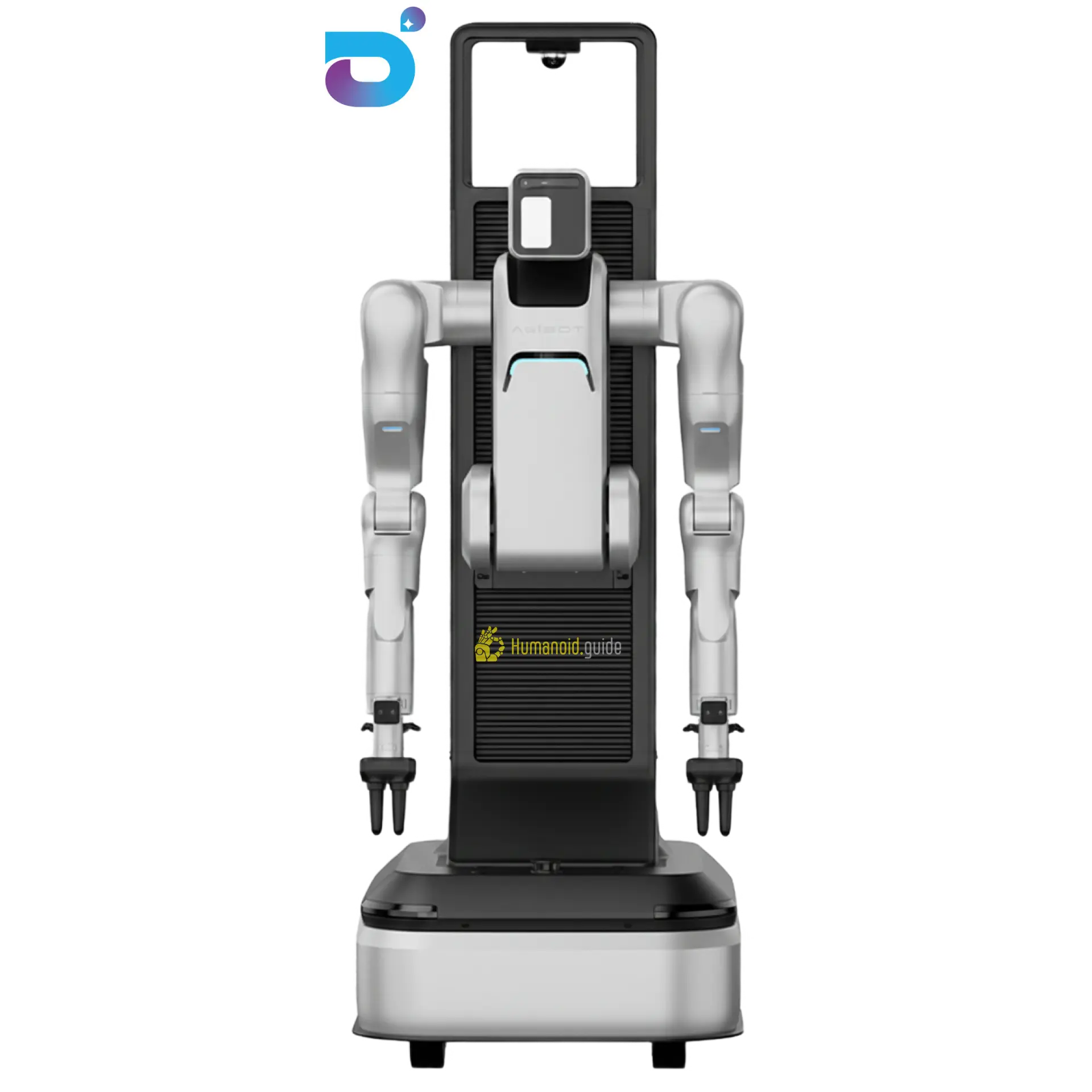
What is the Agibot A2 Max?
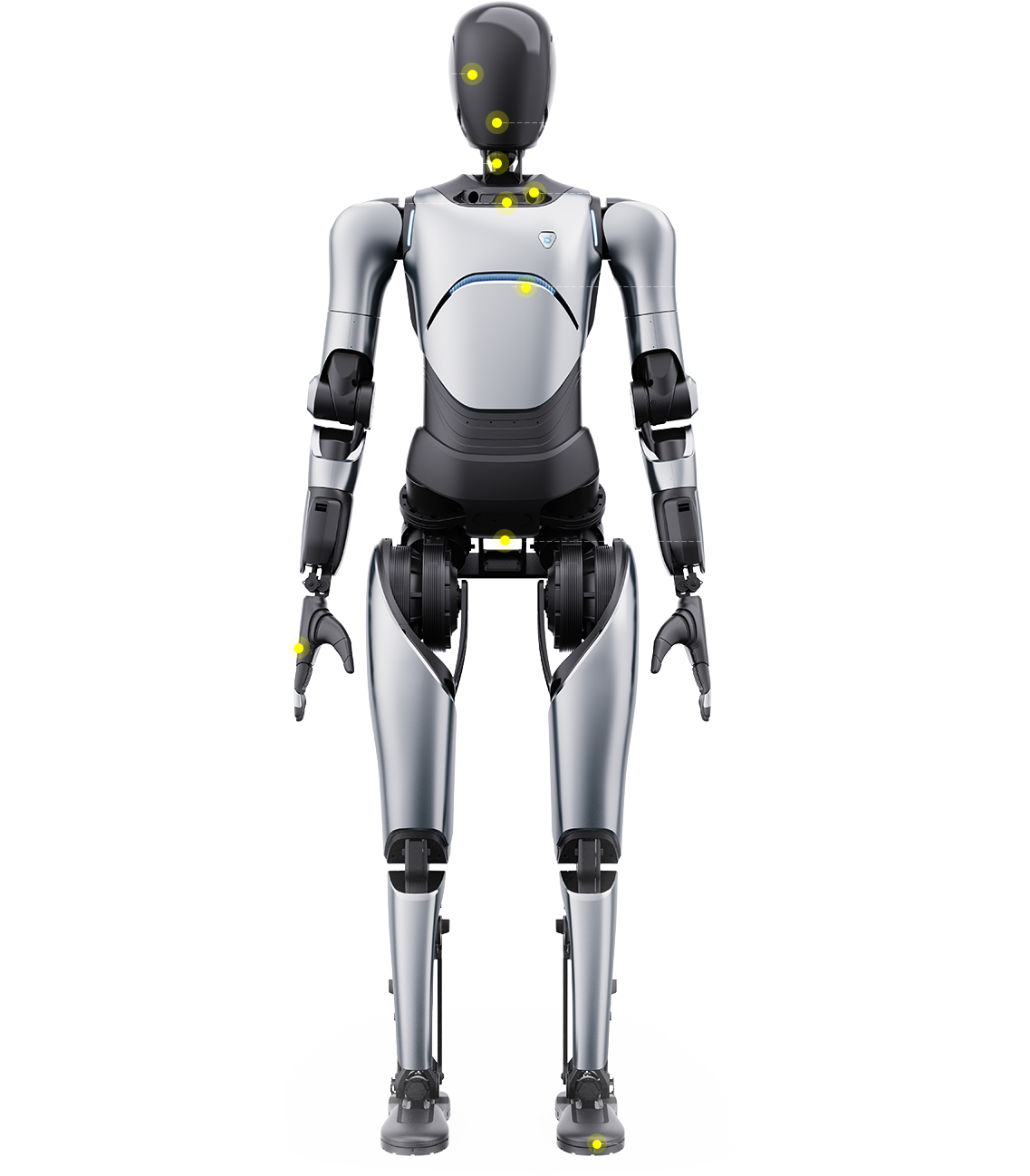
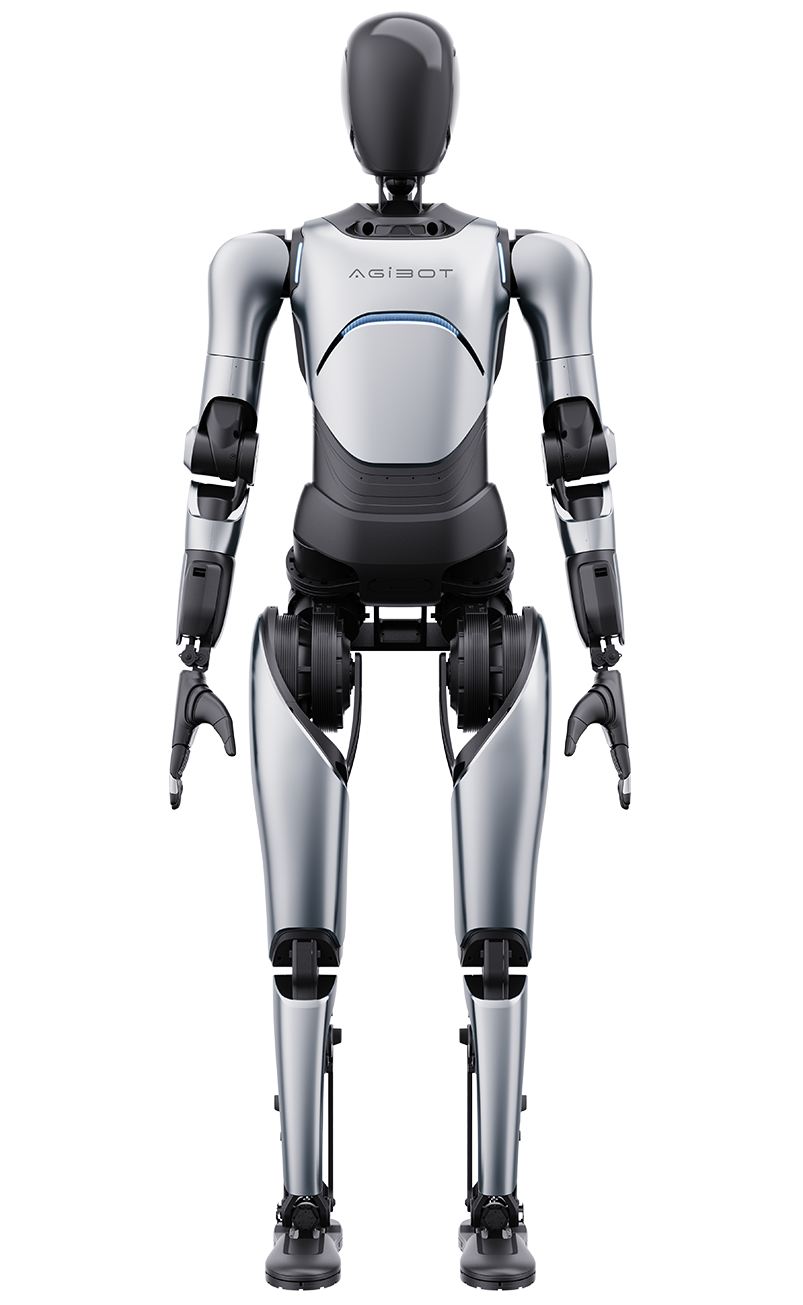
The AgiBot A2 Max is a bipedal humanoid robot for heavy industrial manipulation, made by AgiBot in Shanghai, China (founded 2017). It packs 49 DOF into a 175 cm, 85 kg frame, using proprietary electric actuators and NVIDIA Jetson Orin compute. Sensors include RGB-D cameras, LiDAR, IMU, and force-torque sensors, with optional tactile sensors. Marketed as a high-payload variant, it was demonstrated lifting a 40 kg box with dual arms, though standard per-arm payload is rated at 3 kg. Connectivity via 5G and Wi-Fi 6 enables fleet operations.
Specifications
Here are the full technical specifications.
| Spec | Value |
|---|---|
| Height | 175 cm |
| Weight | 85 kg |
| Degrees of freedom | 49 |
| Battery life | 2 hours |
| Max speed | 11.9 km/h |
| Payload | 3 kg |
| Price (new) | Undisclosed (contact manufacturer) |
| Price (used range) | N/A |
Price & Value
New MSRP: Undisclosed (contact manufacturer)
Used range: N/A
AgiBot has not publicly disclosed the A2 Max's price, requiring direct contact for quotes. Industry estimates from third-party sources suggest a cost in the range of several hundred thousand USD, but these figures are unconfirmed. Compared to similar heavy-payload humanoids like Fourier GR-2 (~$150,000) and Unitree H1 ($90,000), the A2 Max is likely priced at a premium given its higher DOF and payload potential. As a pre-order product with no secondary market yet, depreciation is unknown; once units ship, early-adopter discounts may be available. Buyers should budget for service contracts, end-effectors, and software licensing separately. The total cost of ownership will depend heavily on the task-specific customization required.
Who Is It For?
Best for: - High-payload industrial tasks (up to 40 kg dual-arm demonstrated, 3 kg per arm standard) - Manufacturers exploring humanoid automation in logistics and warehousing - R&D teams needing a high-DOF platform with an integrated sensor suite for autonomous manipulation research
Not for: - Budget-conscious buyers (pricing undisclosed but likely exceeds $200,000) - Lightweight mobile manipulation tasks where a smaller, lower-cost arm would suffice - Outdoor unstructured environments (no IP rating published; indoor only)
Alternatives & Comparison
The A2 Max competes in the emerging high-payload humanoid market against rivals from Fourier, Unitree, and Boston Dynamics. While many competitors are already shipping, AgiBot’s pre-order model offers a future purchase with high dexterity potential.
| Model | Price | Available | Key Difference |
|---|---|---|---|
| Unitree H1 | $90,000 | yes | Lower cost, lighter payload, more research-oriented |
| Fourier GR-2 | $150,000 | yes | Advanced hand dexterity and lower payload, but with known pricing and immediate availability |
| Boston Dynamics Atlas | Not for sale | no | Proven dynamic mobility, no upper-body payload focus, research-only |
| Xiaomi CyberOne | ~$100,000 (est.) | no | Prototype with vision/AI emphasis, not commercially available |
Verdict: If you need a heavy-payload bipedal robot with high DOF for industrial trials, the A2 Max’s potential outperforms the lower-lift Unitree H1 and the more delicate Fourier GR-2. However, its unavailable pricing and pre-order status introduce risk. For a known cost and immediate deployment, the Fourier GR-2 is the safer bet, while the H1 offers a cost-effective entry point for research. Ultimately, choose A2 Max only if your budget allows and you can wait for AgiBot’s first shipments.
Use Cases & Capabilities
Heavy Payload Material Handling
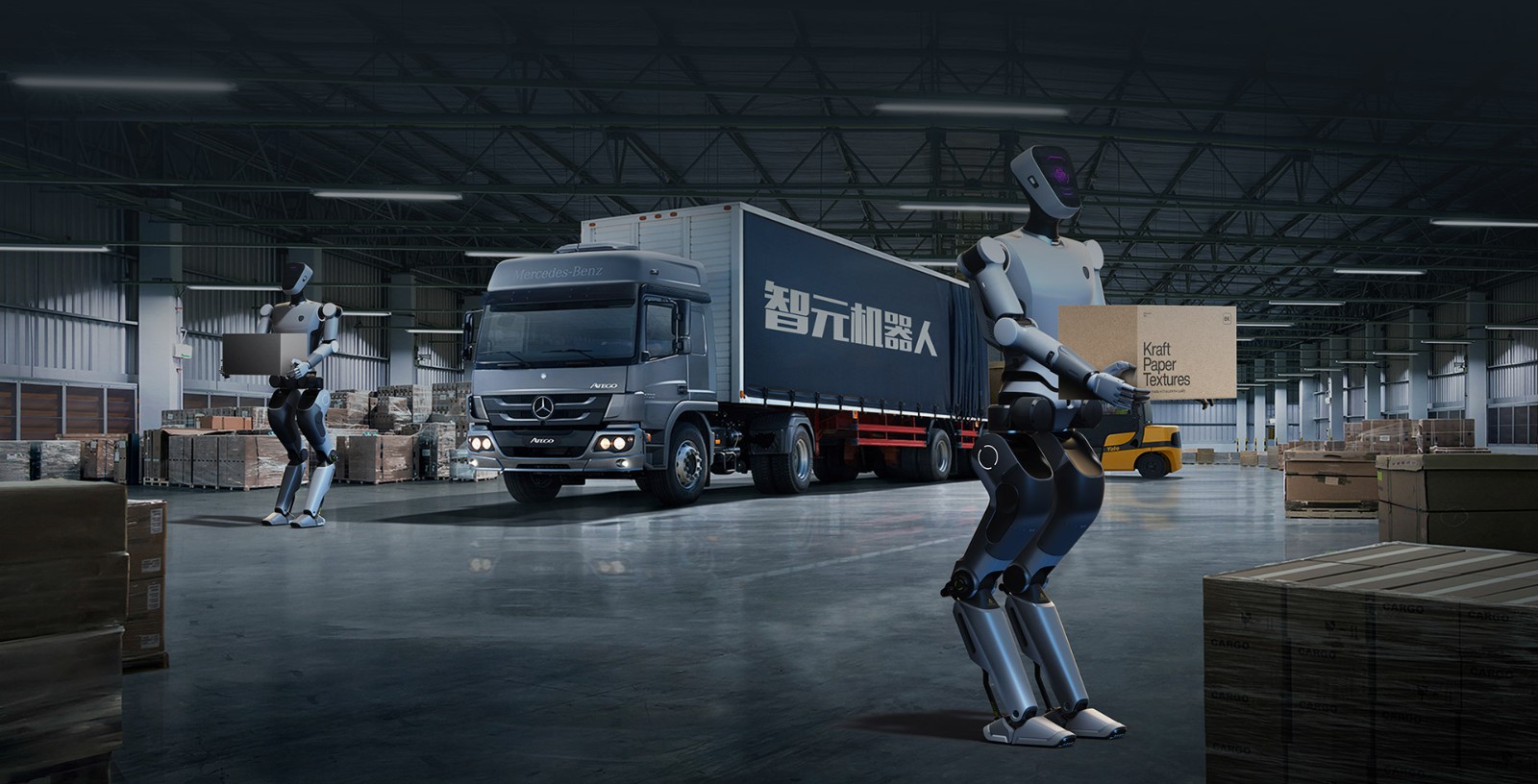
The A2 Max can lift and move aircraft components, heavy boxes, or pallets in logistics centers using its dual-arm coordination and force control. With a walking speed of up to 11.9 km/h, it navigates factory floors quickly. LiDAR and RGB-D cameras provide obstacle avoidance and precise positioning for autonomous pallet handling. The 5G connectivity enables remote oversight and real-time task updates. While its standard arm payload is rated at 3 kg, the demonstrated 40 kg dual-arm lift makes it suitable for heavy, two-handed tasks in warehousing and distribution.
Assembly Assistance
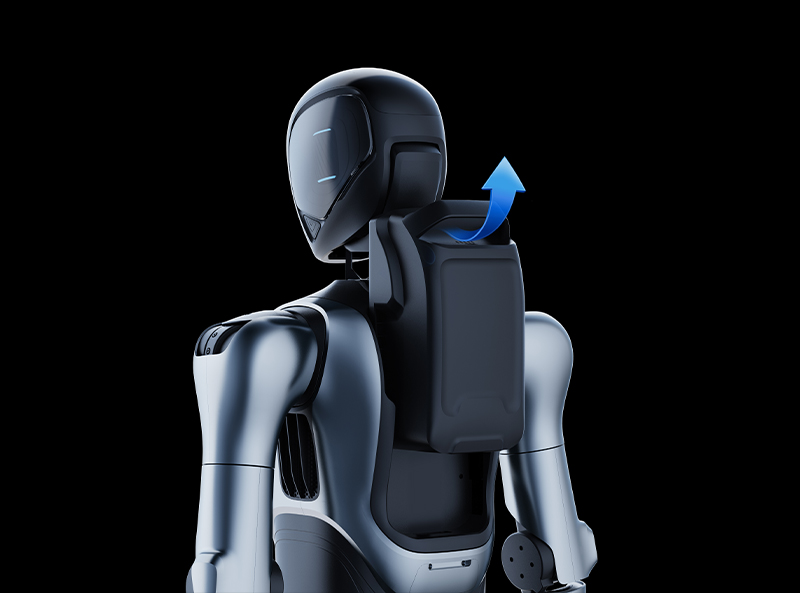
In manufacturing, the 49 DOF allow precise assembly tasks like fastening large parts or positioning car doors. Force-torque sensors provide compliance for safe human-robot collaboration, and optional tactile sensors add delicacy for fragile components. The onboard NVIDIA Jetson Orin can run AI models that learn from human demonstrations, adapting to new assembly sequences quickly. The robot’s 175 cm height and anthropomorphic form factor enable it to work alongside human employees at standard workstations. A 2-hour battery runtime may necessitate hot-swappable packs for continuous production shifts.
Inspection and Maintenance
The A2 Max performs visual inspections using its RGB-D cameras and LiDAR, walking through factories to detect anomalies such as leaks or misaligned machinery. High-speed data transmission over 5G enables real-time monitoring and alerts. Its bipedal form factor accesses spaces wheeled robots cannot, such as stairs or narrow aisles between machines. With an IMU and proprioceptive sensing, it maintains balance while inspecting uneven surfaces. The robot can also carry lightweight inspection tools or thermal cameras (via optional sensors) for predictive maintenance tasks in heavy industry.
History & Background
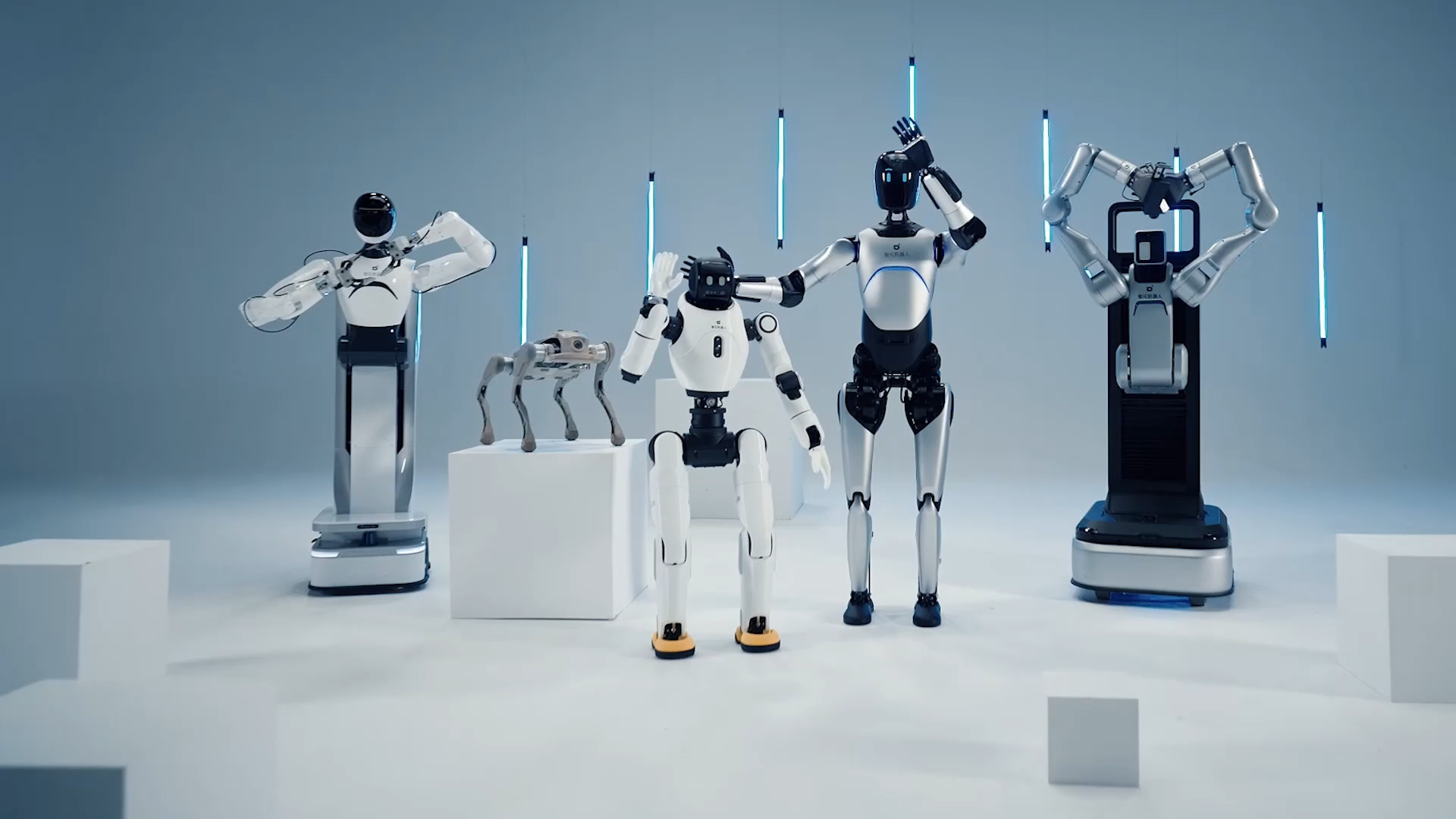
Founded in 2017, AgiBot Innovation (Shanghai) Technology Co., Ltd. is a privately held Chinese robotics firm headquartered in Shanghai. The company first showcased its humanoid robot lineup in 2024, introducing the A2 family which includes the standard A2, A2 Ultra, A2 Lite, and the wheeled A2-W. The A2 Max, positioned as the high-payload variant, was revealed alongside these models. AgiBot has also developed other robotic platforms such as the Genie G2, D1 Pro/Edu, C5, and OmniHand end-effector. The A2 Max remains a pre-order product as of 2026, with the company targeting industrial manufacturing and logistics customers in China and abroad. No acquisitions or name changes have been recorded for the company or the A2 Max product line.
Buying Used — What to Check
Verify payload calibration Payload ratings may degrade or have been overridden by previous operators; check with manufacturer for recalibration procedures.
Inspect actuators for wear Proprietary electric actuators are hard to replace; any sign of overheating or noise could indicate imminent failure.
Confirm software version The AgiBot proprietary OS is critical for safety and performance; ensure it has not been modified or locked by the original purchaser.